"Vanity," John Milton hisses, the word curling like smoke in the opulent air, "is definitely my favorite sin." It’s a line delivered with such delicious, scenery-devouring relish by Al Pacino that it practically defines The Devil's Advocate (1997). This isn't just a supernatural thriller; it's a darkly seductive Faustian opera played out against the gleaming, soulless backdrop of late-90s corporate New York, a morality tale wrapped in Armani. Watching it again now, that familiar chill creeps back – not just from the overt demonic flashes, but from the insidious nature of temptation itself.

Welcome to the Firm
We’re drawn into the vortex through Kevin Lomax (Keanu Reeves), a hotshot young defense attorney from Gainesville, Florida, who boasts a perfect conviction record, even when defending the clearly guilty. His ambition burns bright, maybe a little too bright. When a prestigious, impossibly wealthy New York City law firm, headed by the enigmatic John Milton, comes calling with an offer that seems too good to be true... well, you know how that usually goes. It’s the ultimate lure: money, power, prestige, a corner office with a view that could make God jealous. Kevin, along with his initially supportive wife Mary Ann (Charlize Theron), takes the bite. Remember that feeling? The slick promise of the big city, the allure of success – the film taps right into that aspirational, slightly greedy corner of the late 20th century.
Director Taylor Hackford, known for more grounded dramas like An Officer and a Gentleman (1982) and later the acclaimed Ray (2004), leans into the grand scale here. The production design is key – Milton’s firm is all sharp angles, reflective surfaces, and imposing architecture, a cathedral of avarice. His own penthouse apartment, famously filmed in what was then Donald Trump's actual residence atop Trump Tower (a detail that feels almost too perfect in hindsight), features a controversial centrepiece: a section of Frederick Hart's "Ex Nihilo" sculpture, depicting swirling human forms emerging from chaos. Hart himself sued Warner Bros. after the release, arguing the film associated his work, originally commissioned for the Washington National Cathedral, with demonic themes. The studio eventually settled and agreed to alter the sculpture in future releases, like the VHS and DVD versions – a fascinating clash of art, commerce, and perceived sacrilege that adds another layer to the film's meta-commentary on vanity and ownership.

The Devil You Know
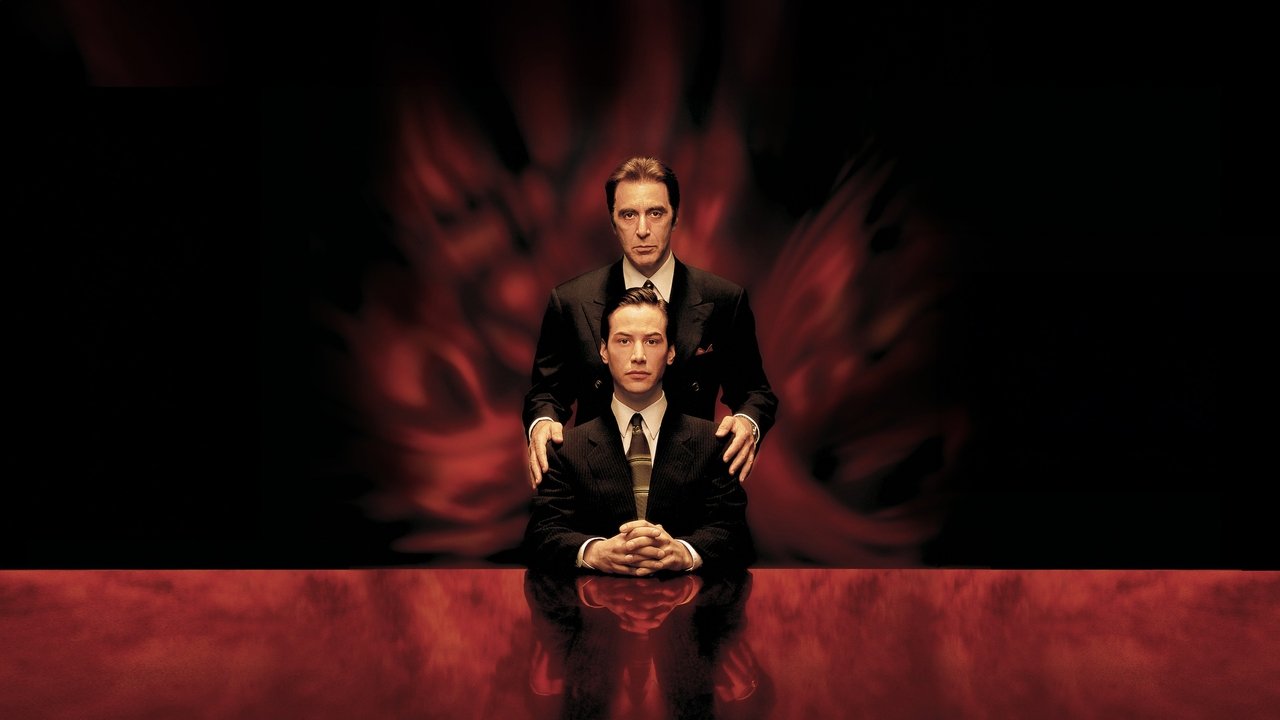
Let's be honest, the main event here is Al Pacino. It's said he turned down the role of John Milton (subtle name, right?) multiple times before finally agreeing, partly thanks to a hefty paycheck (reportedly $18 million) and script revisions. It was worth every penny. Pacino doesn't just play the Devil; he luxuriates in it. He’s charming, paternal, funny, terrifying – often in the same sentence. His monologues are theatrical thunder, chewing on lines about God being an absentee landlord or his own twisted takes on free will. It’s a performance so large it threatens to swallow the film whole, but it’s undeniably magnetic. I distinctly remember rewinding the VHS tape just to watch his "favorite sin" speech again, mesmerized by the sheer audacity.
Opposite him, Keanu Reeves delivers a performance that has… let's say, been discussed. He nails the initial wide-eyed ambition and the dawning horror, but occasionally struggles against Pacino’s supernova energy. Still, his earnestness works for Kevin – the everyman slowly realizing he’s traded his soul for a parking space. Interestingly, Reeves reportedly took a significant pay cut on his own salary to ensure the production could afford Pacino, a behind-the-scenes fact that adds a touch of irony to their on-screen power dynamic.

The Cracks Appear
While Kevin climbs the ladder, defending clients whose sins become increasingly literal, the true horror unfolds through Mary Ann. Charlize Theron, in one of her early major roles, is devastating. Her descent from a vibrant, loving wife into a terrified, isolated woman plagued by demonic visions is genuinely unnerving. The film doesn't shy away from the psychological torment, and Theron commits fully, embodying the collateral damage of Kevin's ambition. Her isolation in their sterile, luxury apartment, surrounded by the venomous wives of other partners, feels palpable. Doesn't that slow erosion of her sanity still feel chilling? It’s a stark reminder that the Devil’s bargain rarely affects just one person.
The film makes effective use of its R rating, employing some genuinely disturbing imagery and practical effects blended with early CGI. Remember those subtle facial morphs on background characters, or the more overt demonic transformations? While some of the digital work looks predictably dated now (a common ailment for mid-to-late 90s thrillers transitioning into the CGI era), the unease often comes from the implication as much as the execution. The oppressive atmosphere, James Newton Howard's effectively ominous score, and the sheer claustrophobia of Kevin's gilded cage work together beautifully.
Legacy of Temptation
The Devil's Advocate arrived during a fertile period for glossy, high-concept thrillers. With a budget around $57 million, it pulled in over $150 million worldwide, proving audiences had an appetite for star-driven, morally ambiguous supernatural tales. It wasn't exactly subtle – the themes are painted in bold strokes – but its blend of corporate satire, legal drama, and demonic horror felt potent. Did it redefine the genre? Perhaps not. But it remains a compelling, entertaining, and often unsettling watch, anchored by one of Pacino's most iconic, over-the-top performances and a genuinely harrowing turn from Theron. It’s a potent reminder, delivered with infernal charm, that the road to Hell isn't just paved with good intentions, but often with ambition, briefcases, and spectacular corner offices.
Rating: 8/10
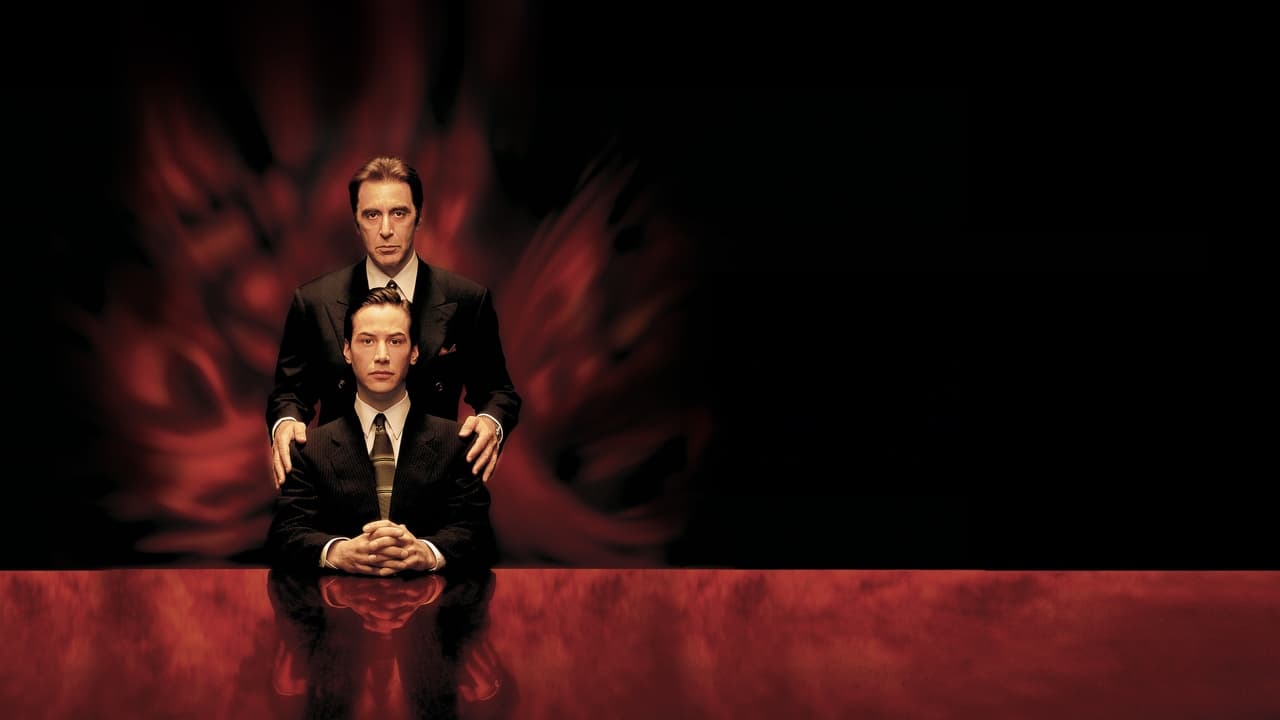
Justification: Pacino's electrifying performance alone elevates the material significantly. Theron's intense portrayal of Mary Ann's breakdown provides genuine horror, and the film boasts a compelling premise, slick production values, and a palpable atmosphere of seductive corruption. While Reeves is sometimes overshadowed and some effects show their age, the film's blend of genres and its gleefully cynical take on temptation make it a standout 90s thriller that still packs a punch.
Final Thought: Even with its excesses, The Devil's Advocate remains a wickedly enjoyable cautionary tale, a reminder from the VHS vaults that sometimes, the most tempting offers are the ones that cost you everything.