There's a particular kind of unease that settles in the quiet spaces, isn't there? Not the jump-scare jolt, but a slow-burn dread that coils in the pit of your stomach. Watching Atom Egoyan's Felicia's Journey (1999) again after all these years brings that feeling flooding back – the discomfort of witnessing profound vulnerability brush up against something deeply, unsettlingly wrong, hidden beneath a veneer of almost suffocating normality. It wasn't the kind of film shouted about from the rooftops of the local video store, often tucked away on the drama or thriller shelves, waiting for a discerning eye. And finding it felt like uncovering a secret.
A Predator in Plain Sight
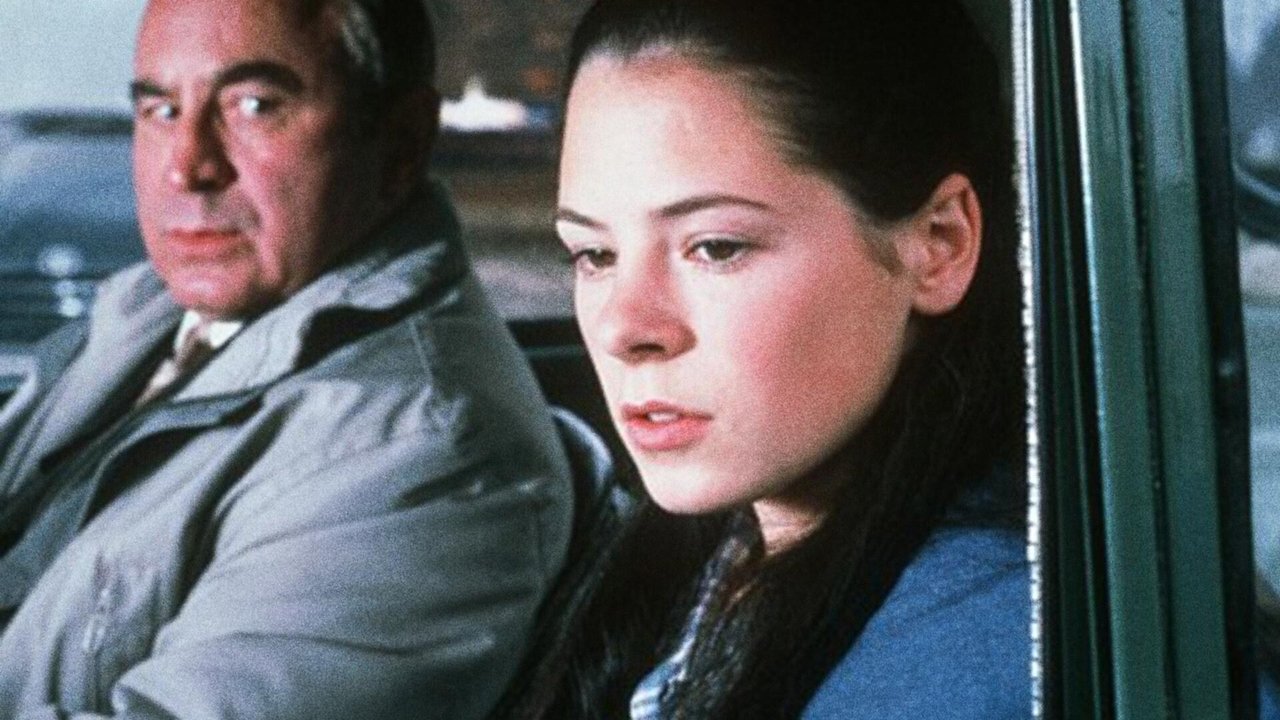
At its heart, the film is deceptively simple. Young, pregnant, and achingly naive Felicia (Elaine Cassidy) leaves Ireland for the industrial sprawl of Birmingham, searching for the boy who promised her love but left only a vague factory name. Lost and alone, she encounters Joseph Hilditch (Bob Hoskins), a catering manager whose fastidious nature and offer of help seem like a godsend. But Egoyan, adapting William Trevor's chilling novel, masterfully peels back the layers of Hilditch’s kindness to reveal a cavern of loneliness, obsession, and repressed trauma. This isn't your typical late-90s thriller; the tension comes not from chases or overt threats, but from the suffocating intimacy Egoyan creates and the dawning horror of Felicia's situation.
The Unforgettable Mr. Hilditch
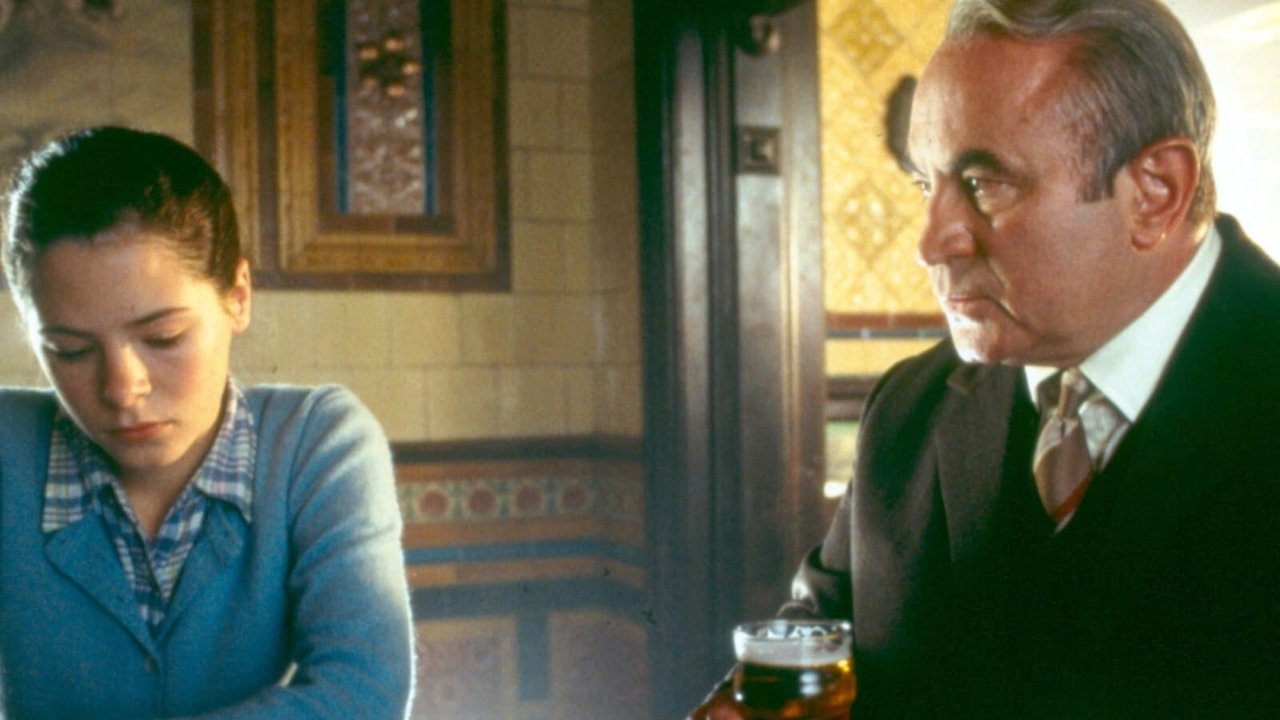
Let's talk about Bob Hoskins. We knew him, didn't we? The dynamo from The Long Good Friday (1980), the lovable lug from Who Framed Roger Rabbit (1988), the sheer force of nature in Mona Lisa (1986). Seeing him as Hilditch was, and remains, a revelation. Hoskins embodies the character with terrifying precision – the meticulous habits, the slightly-too-formal speech patterns, the eyes that hold both a practiced geniality and a chilling emptiness. It’s a performance built on restraint, making the rare cracks in his facade all the more disturbing. He’s not just playing a predator; he’s playing a man utterly trapped by his past, specifically by the ghostly presence of his deceased mother, Gala (Arsinée Khanjian, Egoyan's frequent collaborator and wife), whose chipper cooking shows from decades past play endlessly on videotape in his perfectly preserved, museum-like home. It's a performance that burrows under your skin, arguably one of the finest and most unsettling of Hoskins' incredible career. He reportedly found the role deeply disturbing to inhabit, a testament to how fully he committed to portraying Hilditch's damaged psyche.
Egoyan's Unflinching Gaze
Atom Egoyan, fresh off the critical success of The Sweet Hereafter (1997), brings his signature style to bear. The pacing is deliberate, almost meditative, forcing us to inhabit Hilditch's sterile world and Felicia's growing desperation. He uses flashbacks and Hilditch's treasured videotapes not just for exposition, but to explore the treacherous nature of memory – how the past can be curated, distorted, and ultimately weaponized. The contrast between the grey, anonymous industrial landscapes of Birmingham and Felicia's almost dreamlike memories of Ireland underscores her profound displacement. Egoyan avoids melodrama, opting instead for a psychological intensity that feels far more potent. He trusts the audience to connect the dots, to feel the mounting dread through subtle glances, loaded silences, and the chilling juxtaposition of mundane routine and monstrous intent. It's a directorial approach that demands patience but rewards it with a deeply unsettling and thought-provoking experience. Interestingly, while the film was critically well-regarded and competed for the Palme d'Or at Cannes, it wasn't a huge box office hit – perhaps its quiet intensity and bleak themes were a tougher sell amidst the louder fare of the late 90s.

Beneath the Surface
While Hoskins is the undeniable center, Elaine Cassidy delivers a poignant performance as Felicia. She captures the character's naivety without making her seem foolish, her hope gradually eroding into fear and confusion. Her vulnerability is palpable, making Hilditch's calculated grooming all the more horrifying. The film doesn't shy away from the bleakness of Felicia's circumstances or the predatory nature hidden within seemingly ordinary interactions. It asks uncomfortable questions: How easily can innocence be exploited? What dark histories lie dormant behind closed doors and polite smiles? Can we ever truly escape the ghosts of our past?
This wasn't a tape you'd pop in for a casual Friday night movie marathon. I remember renting Felicia's Journey back in the day, perhaps drawn by Hoskins' name, expecting something entirely different. What I got was a film that lingered long after the VCR clicked off, leaving a residue of quiet horror and profound sadness. It’s a testament to Egoyan’s skill and Hoskins' unforgettable performance that it remains so potent.
Rating: 8.5/10
This score reflects the film's masterful control of tone, Egoyan's distinct directorial vision, and, above all, Bob Hoskins' career-best, chilling performance. It’s a demanding watch, its deliberate pace and bleak subject matter won't be for everyone, preventing a higher score for sheer rewatchability. However, its psychological depth and the sheer artistry on display make it a standout piece of late-90s cinema that deserves to be remembered and discussed.