Okay, fellow travelers in time and tape, let's dim the lights and slide another cassette into the VCR. Tonight, we're revisiting a title that might have caught your eye on the New Releases shelf back in '95, perhaps promising one thing while delivering something altogether... different. 1995 was undeniably Alicia Silverstone's coronation year, thanks to the pop culture phenomenon that was Clueless. But amidst the fizzy charm of Cher Horowitz, another Silverstone film emerged from the shadows, offering not sunshine and shopping sprees, but a humid, unsettling night steeped in fractured perspectives and dangerous desire. That film was The Babysitter.
A Night Steeped in Unease
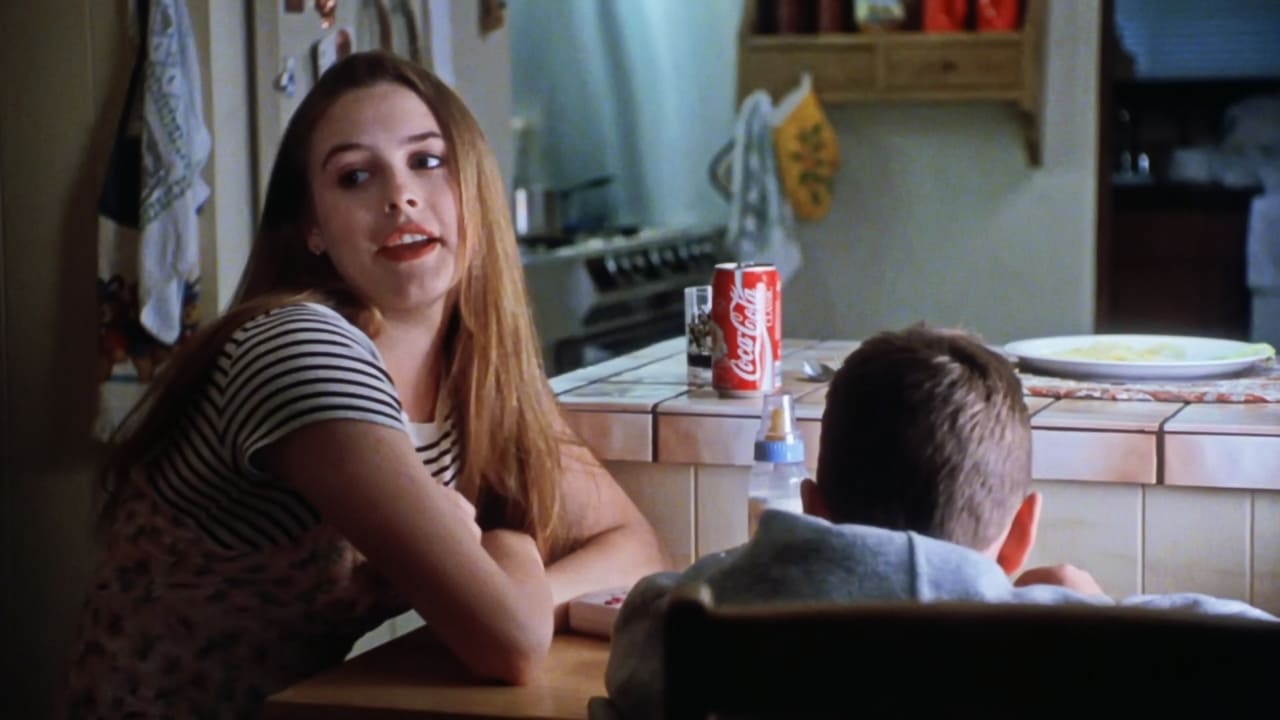
Directed and adapted by Guy Ferland from a short story by the notably experimental author Robert Coover, The Babysitter drops us into the seemingly mundane scenario of Harry and Dolly Tucker (J.T. Walsh and Lee Garlington) heading out for a party, leaving their children in the care of the eponymous Jennifer (Alicia Silverstone). What unfolds isn't a conventional thriller plot, but rather a voyeuristic exploration of the fantasies Jennifer inspires in the men orbiting her: the increasingly obsessed Harry, her possessive teenage boyfriend Jack (Jeremy London), and his volatile, troubled friend Mark (Nicky Katt). The film doesn't offer a clear narrative thread so much as it presents a collage of perspectives, often blurring the lines between what's real and what's imagined within the fevered minds of its male characters. This structural choice immediately sets it apart, creating a pervasive sense of unease and ambiguity.
Alicia, Post-Clueless Preconceptions
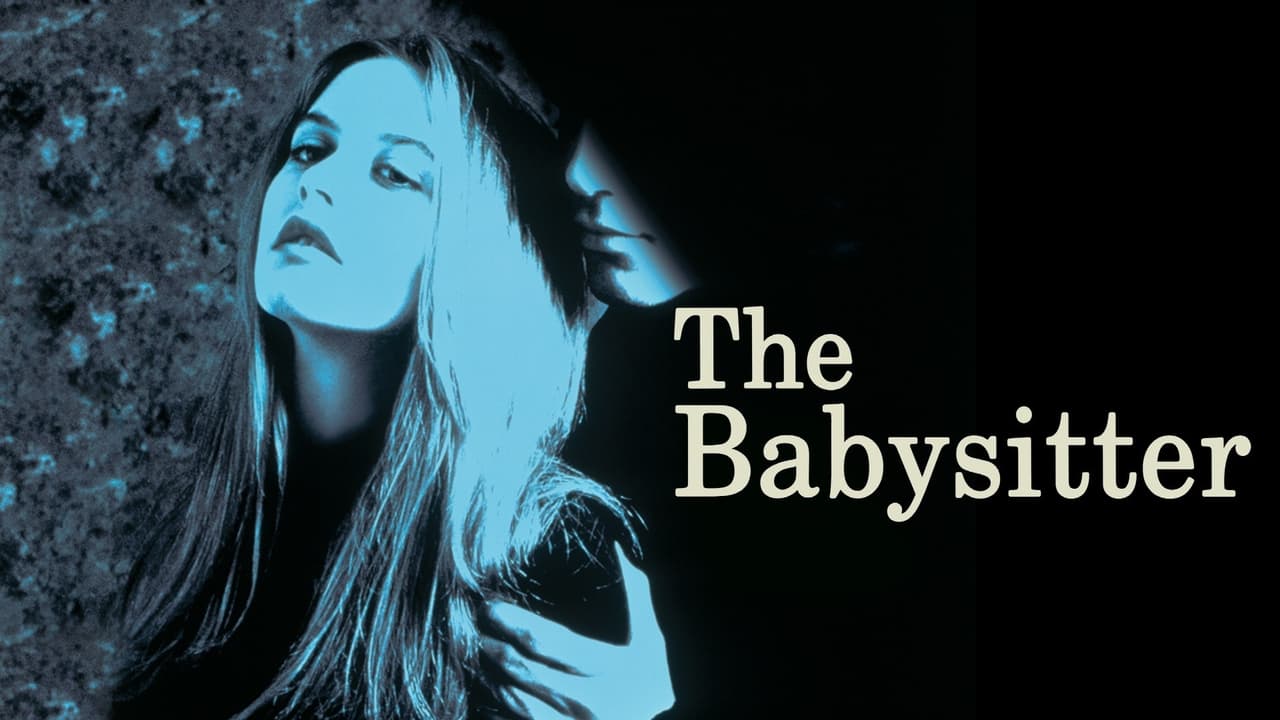
Seeing Alicia Silverstone here, fresh off (or perhaps filmed just before) her star-making turn in Clueless, is inherently jarring. Jennifer is positioned as the ultimate object of desire, yet Silverstone plays her with a certain opacity. Is she a naive innocent caught in the crosshairs of male projection, a subtly manipulative figure aware of her power, or simply a blank canvas onto which others paint their fantasies? The film never quite decides, and Silverstone's performance leans into this ambiguity. It’s a far cry from Cher's bubbly confidence, showcasing a quieter, more watchful presence. It makes you wonder about the timing – filmed for $3 million apparently before Clueless hit big, its release afterwards must have surprised audiences expecting more lighthearted fare. Was this role a conscious counter-programming effort by Silverstone or her team, or just a project caught in the updraft of her sudden fame? Either way, her presence is central to the film's unsettling dynamic.
Orbiting Obsessions, Anchored by Walsh
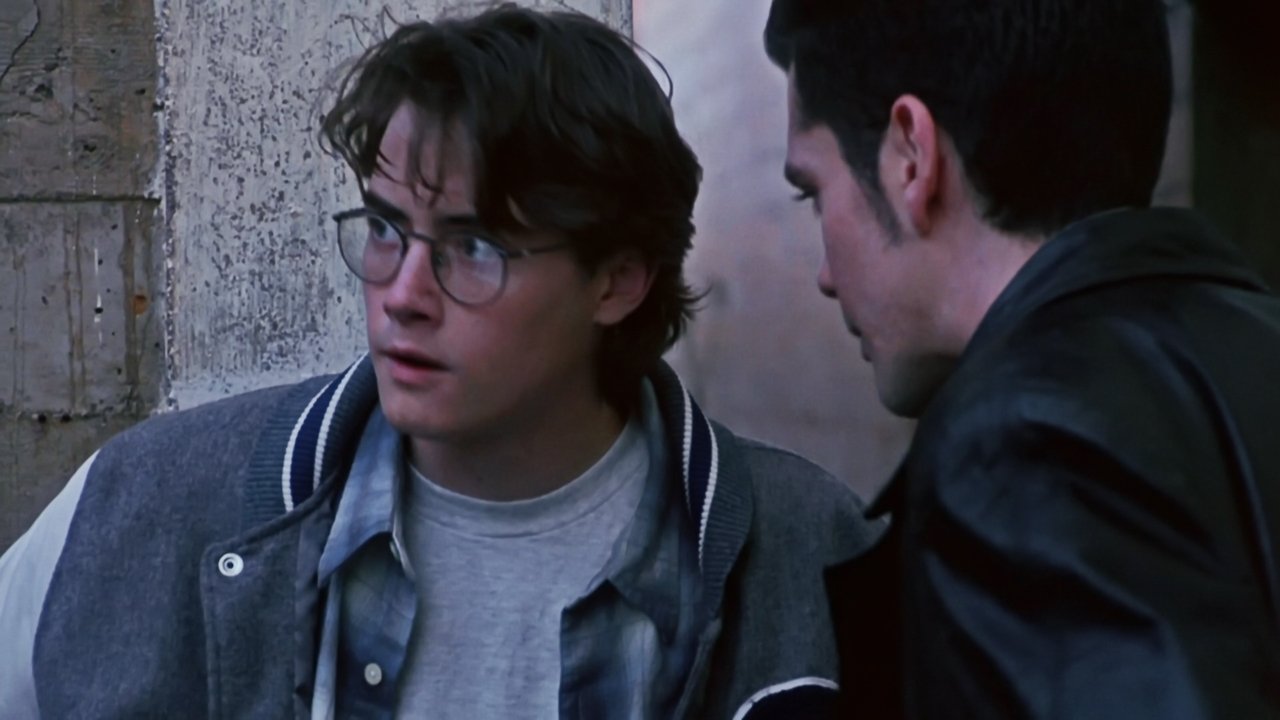
The film truly comes alive, however uncomfortable that may be, in its depiction of the male characters' internal worlds. Jeremy London, embodying the era's sensitive-but-potentially-controlling teen boyfriend archetype, convincingly portrays Jack's escalating jealousy and possessiveness. Nicky Katt, often cast as an unsettling presence, brings a raw, dangerous energy to Mark, the friend whose fantasies seem darkest. But the anchor is the late, truly great J.T. Walsh as Harry Tucker. Walsh was a master of playing men simmering with hidden resentments or quiet desperation (his roles in films like Breakdown (1997) or Sling Blade (1996) are indelible). Here, he perfectly captures the pathetic, unsettling nature of Harry's leering fantasies about Jennifer, his internal monologue providing some of the film's most disturbing moments. His performance grounds the film's more experimental tendencies in recognizable, if deeply uncomfortable, human frailty. It's a reminder of the incredible talent we lost when Walsh passed away far too young in 1998.

Fractured Visions, Fading Boundaries
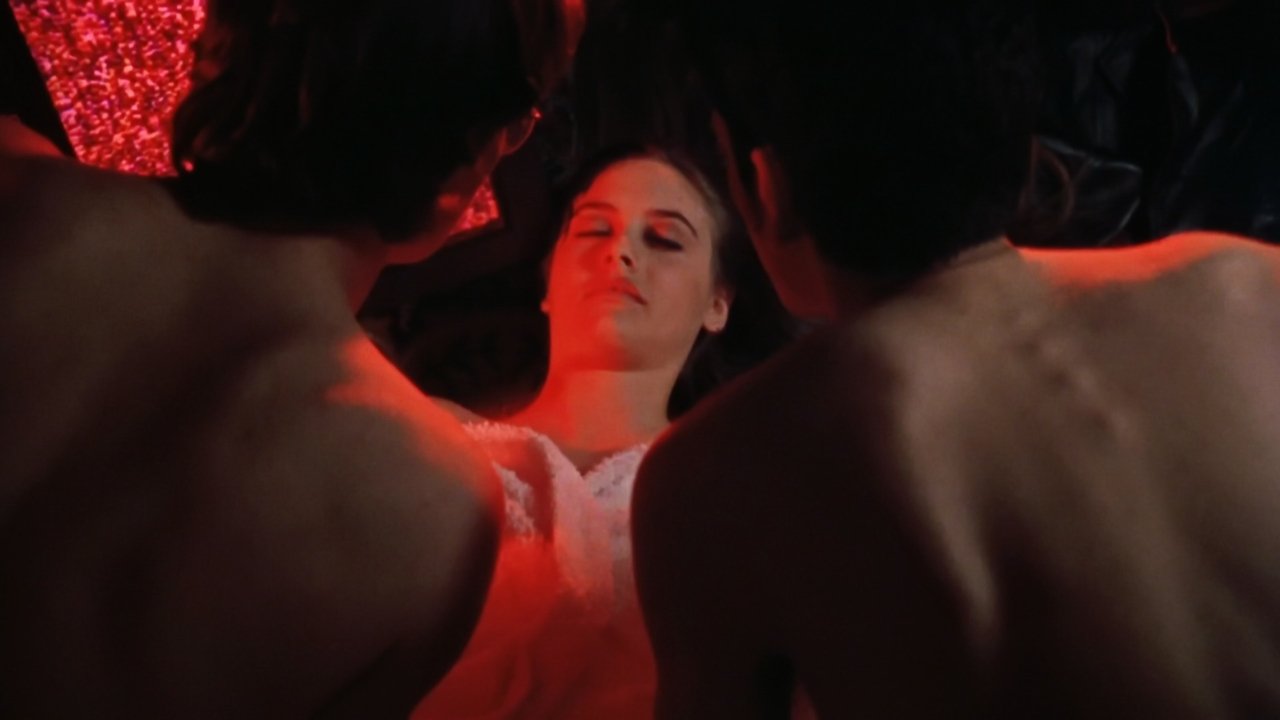
Guy Ferland's direction embraces the source material's fragmented nature. The constant cross-cutting between perspectives, and crucially, between reality and vividly imagined scenarios (often violent or sexual), creates a disorienting effect. We're never entirely sure if what we're seeing happened, is about to happen, or exists only in someone's head. This technique, amplified by hazy cinematography that makes the suburban setting feel almost dreamlike (or nightmarish), is the film's defining characteristic. Does it always work? Perhaps not. At times, the ambiguity feels less like intentional artistry and more like narrative indecision, leaving the viewer adrift. Yet, it successfully cultivates a specific, oppressive atmosphere – that sticky, sweltering feeling of a long night where bad thoughts fester. It’s a film that feels like the mid-90s straight-to-video psychological thriller boom, a specific flavor some of us might recall from late-night rentals. Ferland, who went on to a long career directing high-profile television like The Walking Dead and Sons of Anarchy, shows a willingness here to experiment with form, even if the results are uneven.
A Curious Artifact
The Babysitter wasn't a blockbuster. It likely found its audience, like so many fascinating oddities of the era, tucked away on video store shelves. I remember renting it, drawn by Silverstone's familiar face on the cover, and being completely unprepared for the dark, strange journey it offered. It’s not an easy film to watch, nor is it entirely successful in its ambitions. It walks a fine line, potentially exploiting the very objectification it seems to critique. Yet, it lingers precisely because of its strangeness, its commitment to its unsettling mood, and the strength of performances like Walsh's. It forces uncomfortable questions about perspective, desire, and the blurry line where fantasy meets reality. What does it say about how we view others, especially when desire clouds our judgment?
***
Rating: 6/10
Justification: The film earns points for its pervasive atmosphere, J.T. Walsh's excellent performance, and its bold, unconventional narrative structure attempting to mirror the fractured nature of obsession. However, it loses points for an ambiguity that sometimes crosses into frustrating vagueness, a central performance from Silverstone that feels intentionally opaque but perhaps underdeveloped, and thematic explorations that occasionally feel muddled. It’s a genuinely interesting failure, or perhaps a flawed success, depending on your tolerance for its specific brand of discomfort.
Final Thought: More psychological mood piece than conventional thriller, The Babysitter remains a curious and unsettling footnote in both 90s erotic thriller territory and the whirlwind career launch of Alicia Silverstone – a hazy, half-remembered suburban nightmare preserved on VHS.