Okay, let's slide another tape into the VCR of our minds. This time, it's a journey that starts with grief and ends somewhere far more tumultuous: John Boorman's Beyond Rangoon from 1995. It’s one of those mid-90s films that perhaps sat a little uneasily on the rental shelf, nestled between action blockbusters and lighter fare. You might remember the cover – Patricia Arquette's face, etched with worry, against an exotic backdrop. But cracking open that plastic case revealed something heavier, a film wrestling with profound loss against the backdrop of terrifying political upheaval.

Into the Crucible
The film drops us into the immediate aftermath of personal tragedy. Laura Bowman (Patricia Arquette) has recently suffered the unimaginable horror of witnessing the murder of her husband and son during a home invasion. Numb and adrift, she joins her sister (Frances McDormand, offering her usual grounded presence) on a tour group trip to Burma (now Myanmar) in 1988. It’s meant as a distraction, a change of scenery, but Burma is simmering. Laura arrives just as the 8888 Uprising, a massive pro-democracy movement led by students against decades of oppressive military rule, is reaching a boiling point. What begins as an attempt to escape her internal pain plunges her directly into the external chaos of a nation in revolt.
Arquette's Awakening
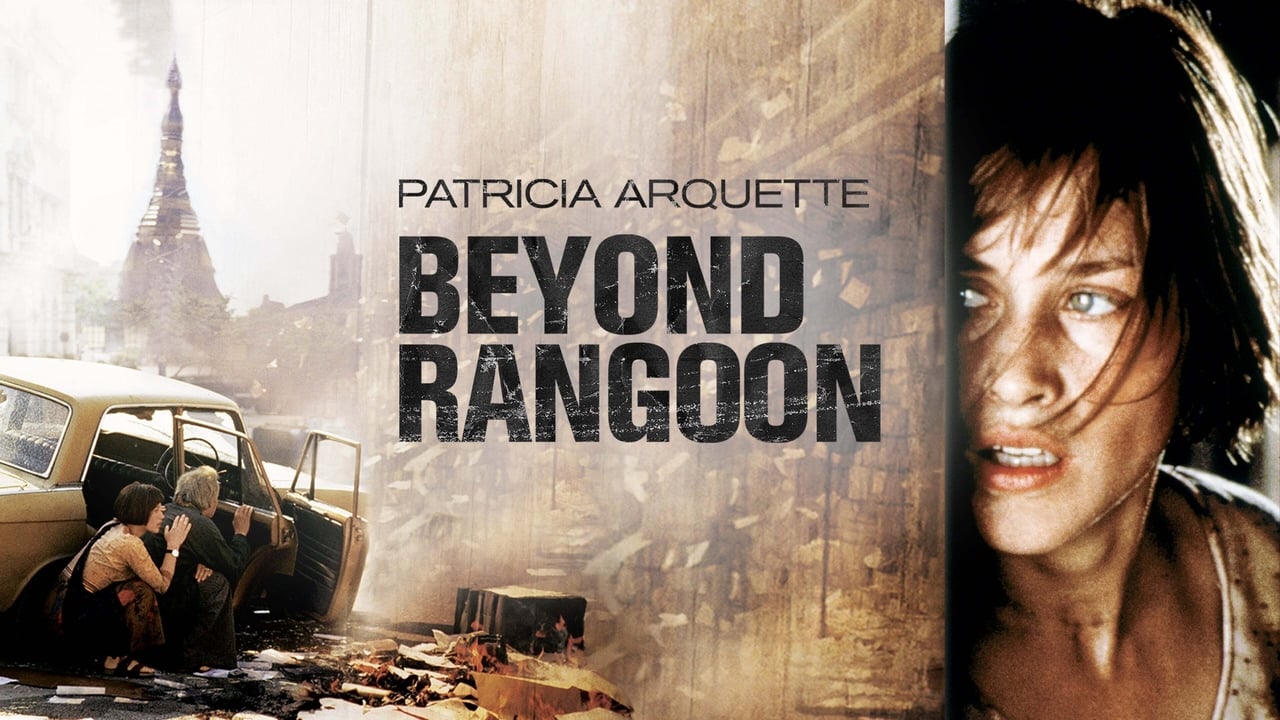
This is very much Arquette’s film. Fresh off the buzz of films like True Romance (1993), she carries the weight of Laura's journey, transforming from a shattered, passive observer into someone forced to act, to survive, and ultimately, to bear witness. It's a performance built on subtle shifts – the vacant stare slowly replaced by dawning awareness, then fear, then a flicker of unexpected resolve. Boorman, a director fascinated by journeys into challenging landscapes both external and internal (think Deliverance or The Emerald Forest), seems less interested in geopolitical analysis than in Laura's personal transformation through this crucible. Does her profound personal grief allow her a strange kind of empathy, or perhaps a recklessness, when faced with the suffering of others? It’s a question the film leaves hovering.
Her primary companion through this ordeal is U Aung Ko (U Aung Ko, an actual Burmese political exile playing a character named after himself, adding a layer of poignant authenticity). He’s a former university professor, now working as an unofficial tour guide after losing his position for his political views. His quiet dignity and weary wisdom provide a crucial anchor, both for Laura and for the audience. He becomes her guide not just through the physical dangers of escaping the military crackdown, but through the moral landscape of the conflict. Their relationship forms the emotional core of the narrative.
Recreating a Forbidden Land
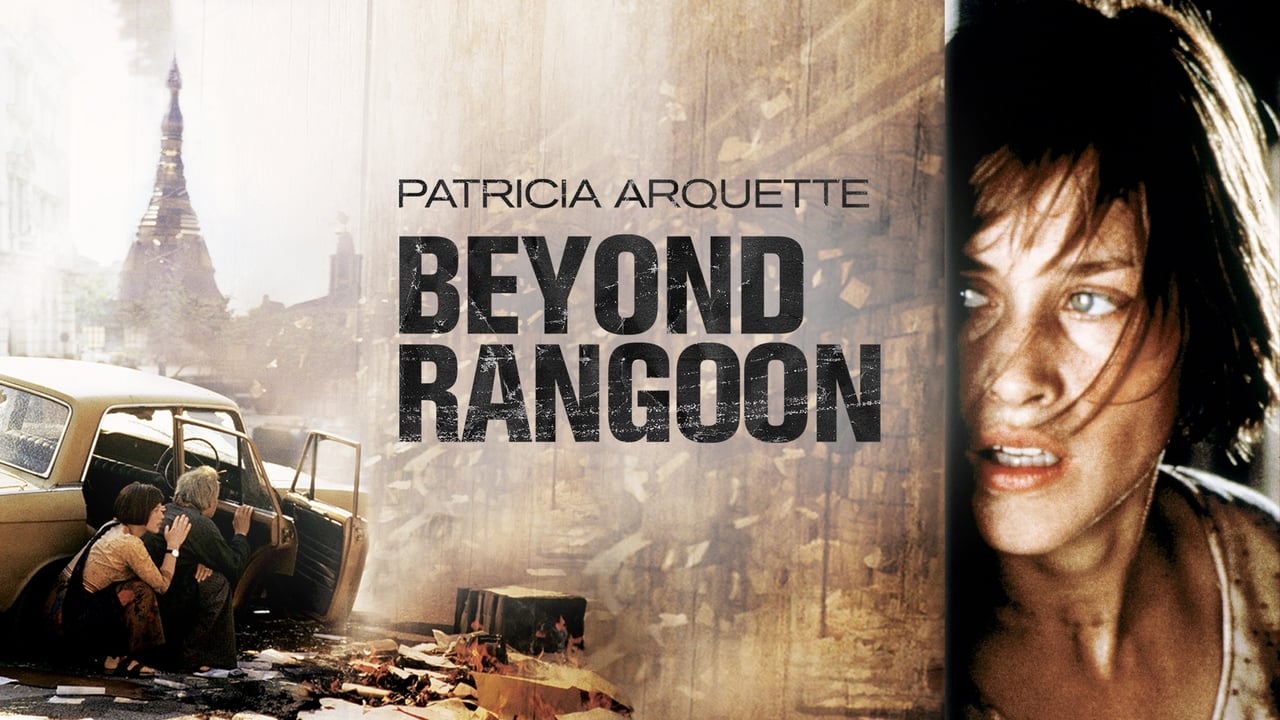

One of the most fascinating aspects, especially looking back from our VHS Heaven perspective, is the sheer difficulty of the production. Filming in Burma itself was impossible due to the political situation depicted. John Boorman and his crew had to recreate Burma primarily in Malaysia, facing immense logistical challenges. Imagine trying to capture the specific atmosphere, architecture, and feel of Rangoon and the Burmese countryside miles away, often working in difficult jungle conditions. They reportedly spent around $23 million crafting this illusion – a substantial sum for the mid-90s, especially for a political drama lacking major action stars (beyond Arquette's rising profile).
This wasn't just about finding look-alike locations; it involved building sets, sourcing period-appropriate vehicles, and casting hundreds of extras (many apparently refugees themselves) to convincingly portray the mass protests and ensuing military violence. This dedication to authenticity, even when simulated, gives the film a tangible sense of place and danger that elevates it beyond a simple adventure story. The scenes of street protests brutally suppressed feel chaotic and genuinely frightening, a testament to the staging and Boorman's unflinching direction.
Navigating Troubled Waters
The narrative essentially becomes an escape thriller once Laura loses her passport and gets separated from her tour group. Guided by U Aung Ko, she embarks on a perilous journey towards the Thai border, encountering student activists, sympathetic villagers, and the ever-present threat of the Tatmadaw (the Burmese military). The film doesn't shy away from depicting the brutality of the regime, showcasing summary executions and the climate of fear. Hans Zimmer's score effectively underscores the tension and the moments of fragile beauty amidst the turmoil.
However, Beyond Rangoon did face some criticism upon release, and it’s worth acknowledging. Some felt it risked simplifying a complex political situation by centering it on a Western protagonist's journey of self-discovery. Is Laura's story a powerful way to make distant events relatable, or does it inadvertently sideline the Burmese people's own struggle? It’s a valid debate, one common to many films depicting Westerners caught in foreign conflicts. The film grossed a modest $5.7 million domestically, suggesting audiences perhaps weren't quite sure what to make of this blend of personal drama and political thriller – a far cry from the escapism often sought at the video store. Roger Ebert, for instance, gave it a mixed review (2.5 stars), admiring its visuals and ambition but questioning the narrative focus.
Lasting Echoes
Watching Beyond Rangoon today, it feels like a film born of genuine outrage and a desire to shed light on events largely ignored by the West at the time. It stands as a reminder of the power of cinema to transport us, not just to exotic locales, but into the heart of human struggles. The practical challenges overcome during its production lend it an extra layer of respect. While perhaps not a perfect film, its depiction of chaos, the quiet strength of U Aung Ko's performance, and Arquette's convincing portrayal of trauma morphing into resilience leave a lasting impression. It's a film that asks us to look beyond our own horizons, even if just for the length of a rental.
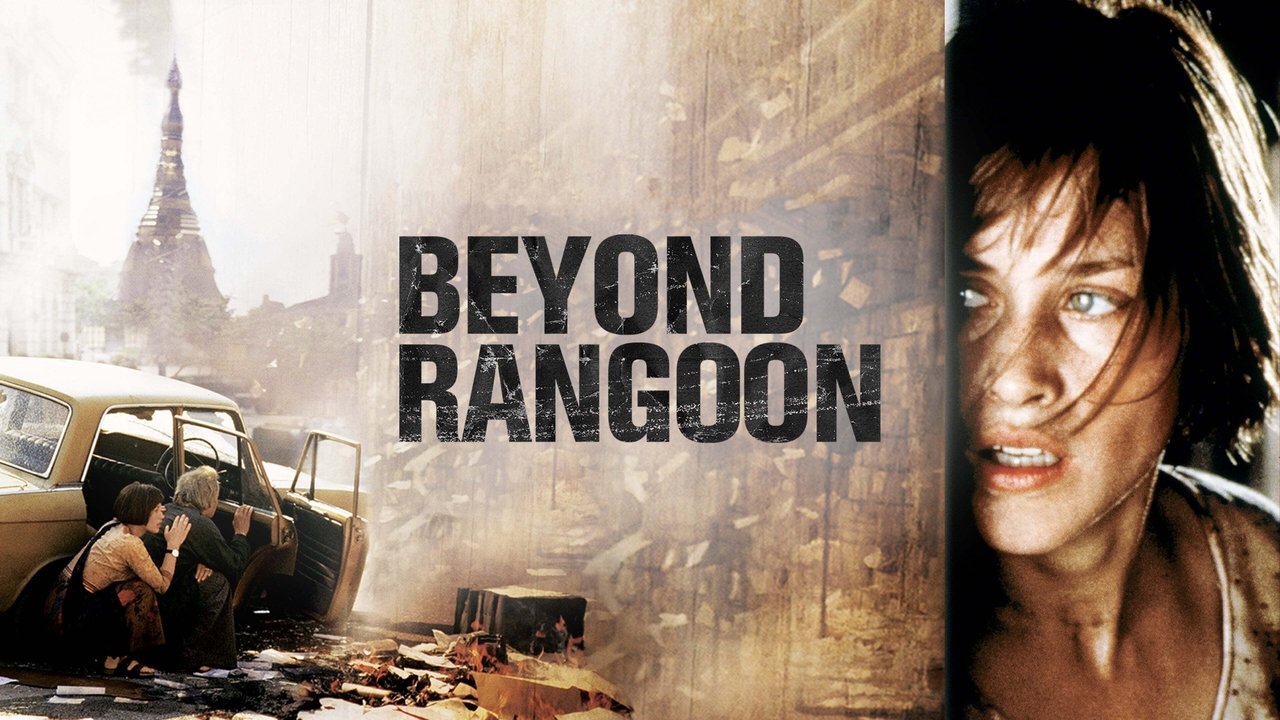
Rating: 7/10
This score reflects the film's powerful atmosphere, Arquette's committed lead performance, the impressive production effort under difficult circumstances, and its earnest attempt to grapple with serious themes. It avoids a higher score due to the narrative sometimes feeling constrained by the 'Westerner finding themselves' trope, which can slightly overshadow the political reality it depicts, and a pace that occasionally falters. Still, it's a compelling and often harrowing journey worth taking.
Final Thought: Beyond Rangoon remains a potent reminder from the VHS era that sometimes the most profound journeys aren't the ones we plan, but the ones that find us when we're lost.