What if the unthinkable happened? What if the jackboots had marched to victory, and the swastika flew unchallenged over Europe? That chilling premise is the dark heart of Fatherland, the ambitious 1994 HBO adaptation of Robert Harris's bestseller. Watching it again, decades after its initial broadcast – likely taped off the premium channel onto a trusty T-120 – the film retains a disturbing power. It wasn’t just another TV movie; it felt like an event, a stark exploration of an alternate history that felt terrifyingly plausible in its depiction of pervasive oppression.
### A Different Kind of Chill War
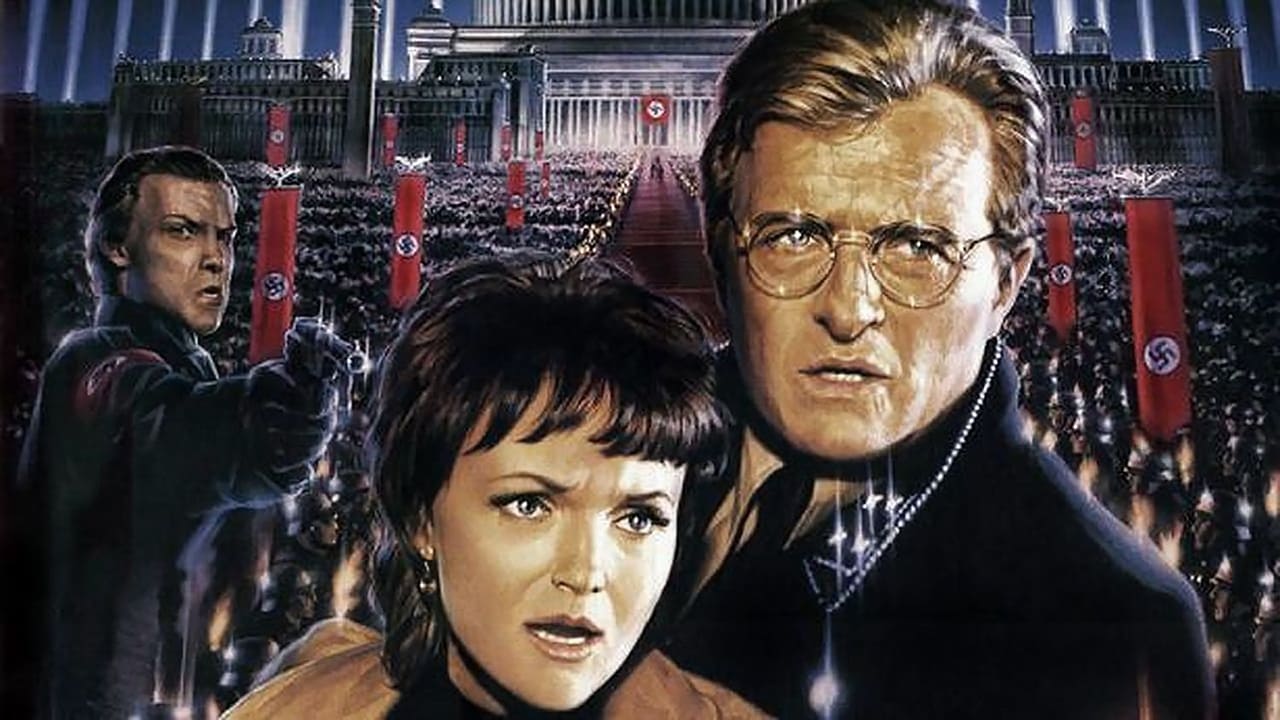
The year is 1964. Berlin stands as Germania, the colossal, Speer-inspired capital of a victorious Greater German Reich stretching to the Urals. The war with the Soviets drags on, a bloody stalemate in the East, but Europe is firmly under Nazi control. Adolf Hitler is aging, unseen. And crucially, President Joseph P. Kennedy is planning a historic visit, signaling a potential détente between the Reich and the United States. Against this backdrop, SS Sturmbannführer Xavier March (Rutger Hauer) investigates the seemingly routine death of a high-ranking party official found washed up in the Havel. It’s a case nobody wants solved, least of all his superiors.
What unfolds is less an action thriller and more a creeping noir, steeped in paranoia and the suffocating weight of state control. March, a weary but fundamentally decent detective navigating a monstrous system, peels back layers of official lies, soon colliding with Charlie Maguire (Miranda Richardson), a sharp American journalist in Berlin covering the Kennedy visit, who stumbles onto the same dangerous secrets from a different angle. Their cautious alliance forms the narrative core, a desperate search for a truth the entire state apparatus is designed to bury: the systematic extermination of Europe's Jews, a horrifying reality papered over by decades of propaganda and denial.
### Shadows and Stone-Faced Bureaucracy
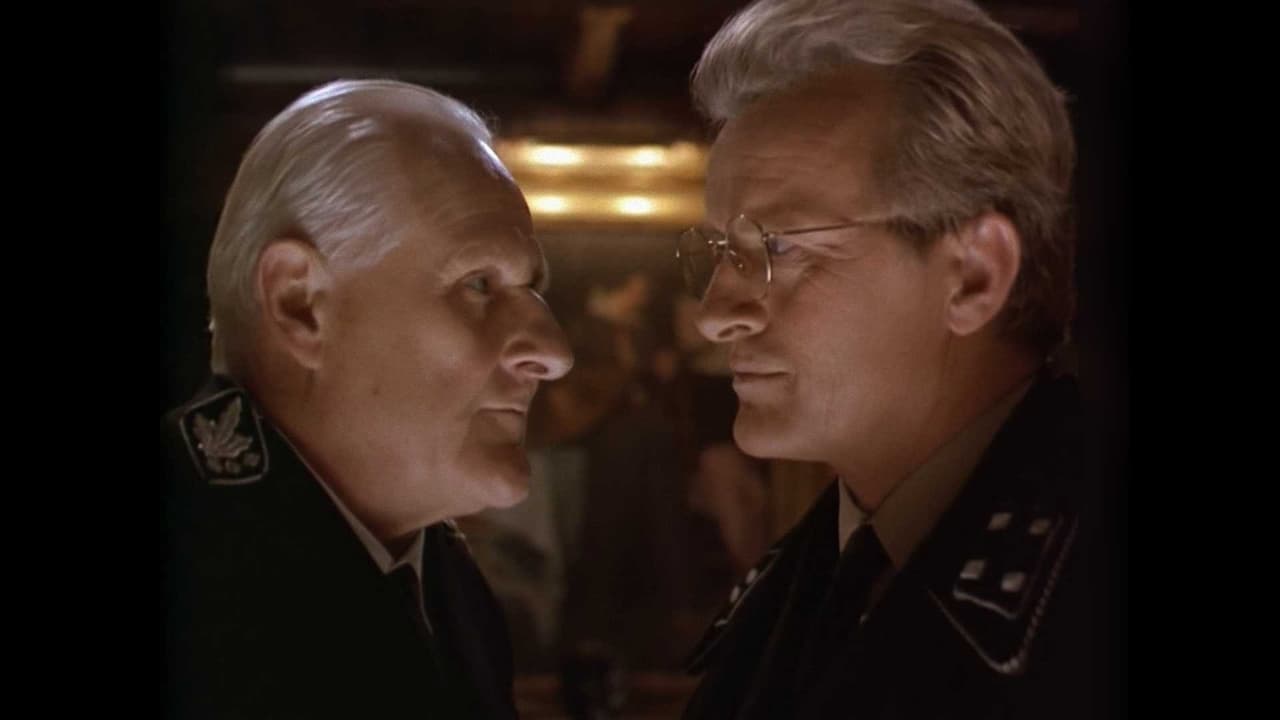
Director Christopher Menaul, known more for television but who had previously helmed the gritty gangster biopic The Krays, masterfully uses Prague's architecture – its imposing stone facades and shadowy alleyways – to stand in for this alternate Berlin. There's a palpable sense of dread, not just from the ever-present Gestapo (led by a chillingly bureaucratic Peter Vaughan as SS-Obergruppenführer Nebe) but from the very atmosphere – the grey skies, the monumental but cold architecture, the strained normalcy of citizens living under perpetual surveillance. It captures the novel's oppressive mood remarkably well for a television production. Reportedly budgeted around $7 million – a decent sum for HBO then, but still requiring ingenuity – the film makes smart use of location shooting and focused set design rather than attempting unconvincing large-scale effects. The visual emphasis is on the human cost, the fear in people's eyes, the whispers in shadowed corners.
One fascinating detail often lost is how Fatherland had to visually construct this alternate reality. We see familiar Third Reich iconography, but subtly aged, integrated into the fabric of a "functioning" society. It’s not just newsreel footage; it’s the uniforms worn day-to-day, the Völkisch architecture meant to inspire awe and intimidation, the background details that suggest decades of this reality. It required careful production design to make the familiar terrifyingly mundane.
### Hauer's Haunted Conscience
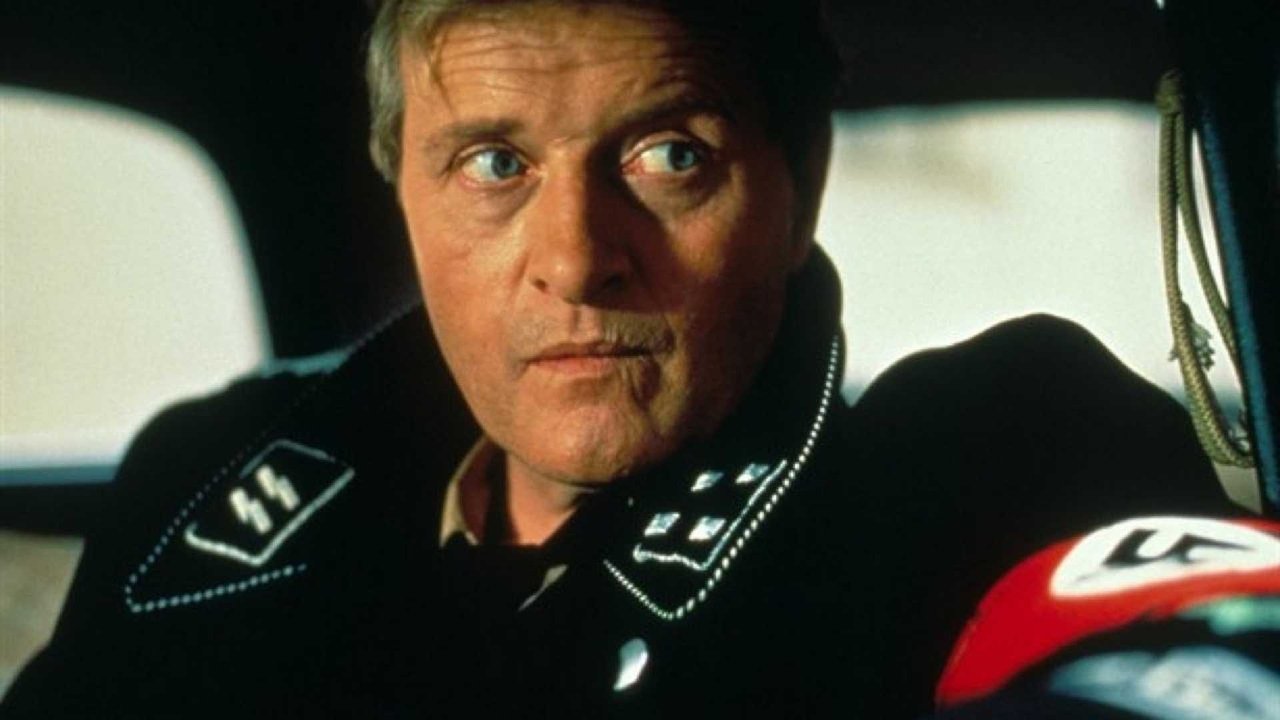
The casting of Rutger Hauer is pitch-perfect. Fresh off memorable roles often tinged with menace or otherworldly intensity (like Roy Batty in 1982's Blade Runner or the terrifying phantom in 1986's The Hitcher), here he embodies weariness and a flickering ember of morality within the SS uniform. His March isn't a hero in shining armor; he's a cog in a brutal machine who retains just enough humanity to be horrified when he glimpses the engine's true purpose. Hauer conveys March's internal conflict through subtle glances, quiet resignation, and bursts of desperate determination. His performance grounds the film’s high concept in relatable human struggle. Was it difficult, one wonders, for an actor often playing villains to find the core of decency in an SS officer? Hauer makes it believable.
Miranda Richardson, who picked up a Golden Globe for her performance, is equally compelling as Charlie. She’s no damsel in distress but a tenacious reporter driven by professional instinct and growing outrage. Her chemistry with Hauer is one of wary trust slowly building into something deeper amidst the surrounding danger. She brings a necessary spark of defiance to the oppressive gloom. Richardson had already demonstrated incredible range, from Queen Elizabeth I in Blackadder to her intense turn in 1992's Damage, and here she delivers a performance of intelligence and grit.
### Echoes in the Silence
While Fatherland takes liberties with the novel's ending – a point some purists still debate – the core message remains potent. It’s a film about the fragility of truth and the terrifying efficiency with which totalitarian regimes can rewrite history. Watching it in the 90s, post-Cold War, it felt like a cautionary tale about ideologies that demand absolute conformity. Does that warning feel any less relevant today? The film forces us to confront uncomfortable questions about complicity, denial, and the courage required to challenge state-sponsored lies.
Retro Fun Fact: The novel's publication in 1992 was a massive success, making this adaptation highly anticipated. HBO's commitment signaled a shift towards more mature, complex storytelling on television, paving the way for later acclaimed series. Initial reviews were strong, particularly praising the performances and atmosphere, acknowledging its ambition despite some necessary TV-movie constraints compared to a big-screen budget.
The film isn't perfect. The pacing occasionally flags, and some secondary characters feel underdeveloped, perhaps due to runtime limitations inherent in adapting a dense novel. But its strengths far outweigh its weaknesses. It manages to be both a gripping thriller and a sobering piece of speculative fiction.
Rating: 8/10
Fatherland earns its high marks for its chilling atmosphere, superb lead performances, and the sheer audacity of its premise, executed with thoughtful seriousness on a television budget. It captures the essence of Robert Harris's warning about historical memory and the seductive power of lies. More than just a "what if," it remains a compelling exploration of the darkness that lurks beneath the surface of enforced order, leaving you pondering not just the alternate past it depicts, but the present we inhabit. What truths might we be overlooking, or choosing not to see?