## The Unrelenting Static Within
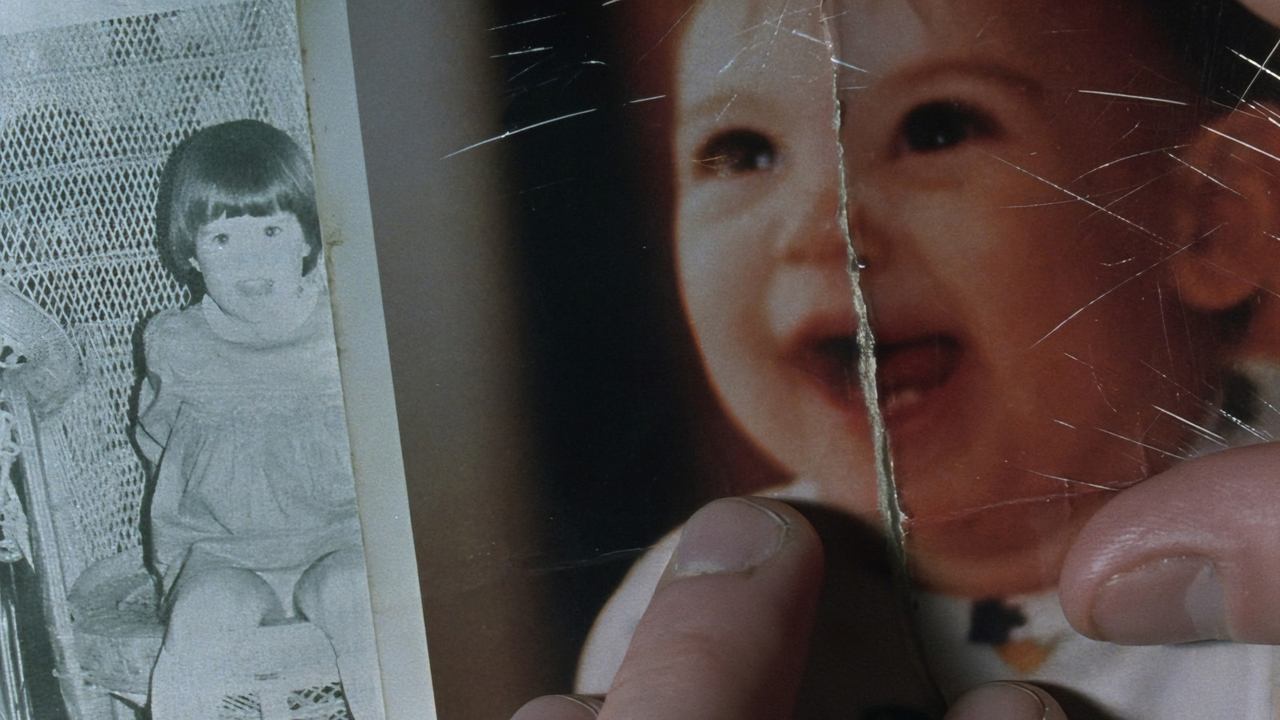
Some films announce themselves with a bang, others with a whisper. Lodge H. Kerrigan's staggering 1993 debut, Clean, Shaven, does something far more unnerving: it plunges you headfirst into the disorienting cacophony of a fractured mind. Forget tidy narratives or comforting resolutions; this is a film that buzzes, crackles, and scrapes against your senses, demanding an uncomfortable intimacy with its protagonist's harrowing reality. Finding this on a grainy VHS tape, perhaps tucked away in the less-visited corner of the rental store, felt like uncovering a raw nerve of independent cinema – potent, disturbing, and utterly unforgettable.
The film follows Peter Winter (Peter Greene), a young man recently released from a mental institution and diagnosed with schizophrenia. His sole focus is to reunite with his young daughter, Nicole (Megan Owen), who now lives with an adoptive mother (Jennifer MacDonald). But Peter's journey is less a road trip and more a desperate navigation through a landscape distorted by auditory hallucinations, paranoia, and fragmented thoughts. Kerrigan, who also wrote the screenplay, doesn't just show us Peter's illness; he forces us to experience it.
### Sound as Subjectivity
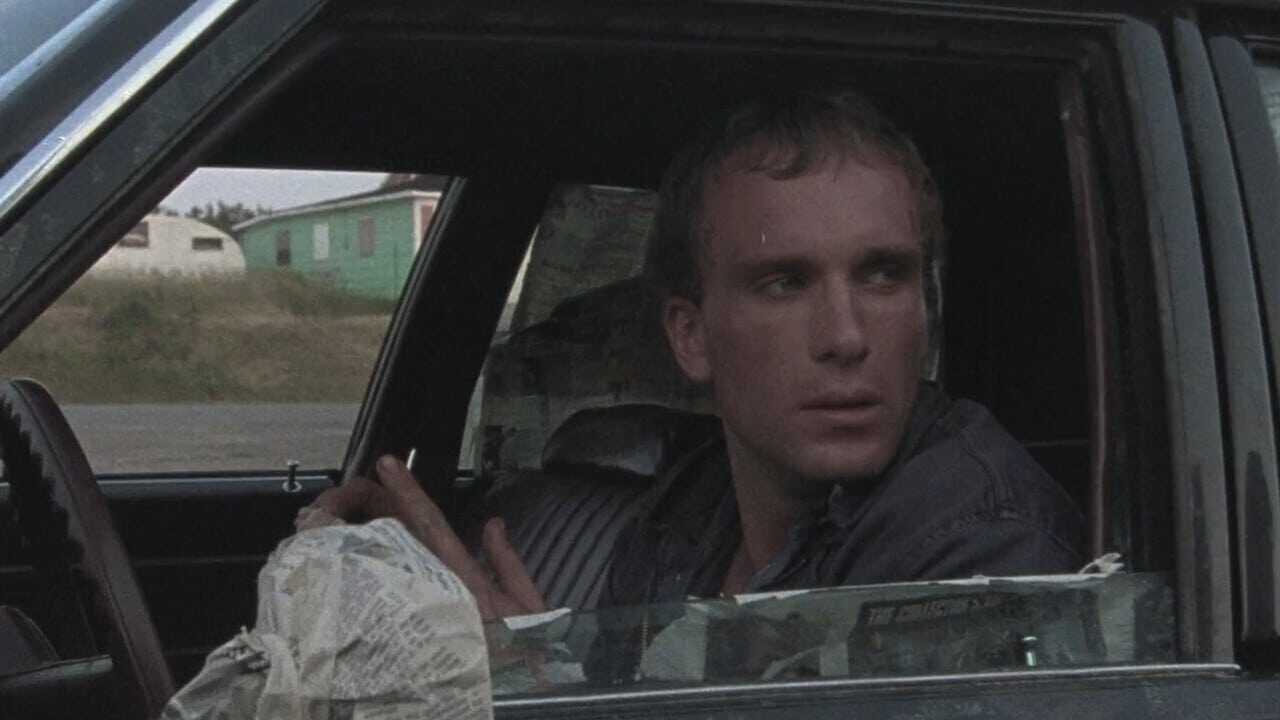
The most striking element of Clean, Shaven is undoubtedly its groundbreaking sound design. This isn't merely background noise; it's the film's psychological engine. We hear what Peter hears: the incessant hum of electricity, distorted voices whispering just out of reach, the maddening scrape of unseen objects. Sounds amplify, distort, and intrude, creating a relentless sense of unease and mirroring Peter's internal torment. Watching this on a CRT television, perhaps with the volume needing adjustment to catch the nuances amidst the static, only seemed to enhance the feeling of trying to decipher a signal buried in noise. It’s a masterful use of audio to convey subjective experience, making the audience complicit in Peter’s struggle to distinguish reality from delusion. It’s no surprise the film garnered attention and accolades on the festival circuit, including screenings at Sundance and the prestigious Cannes Directors' Fortnight, largely praised for this innovative approach.
### A Performance of Raw Vulnerability
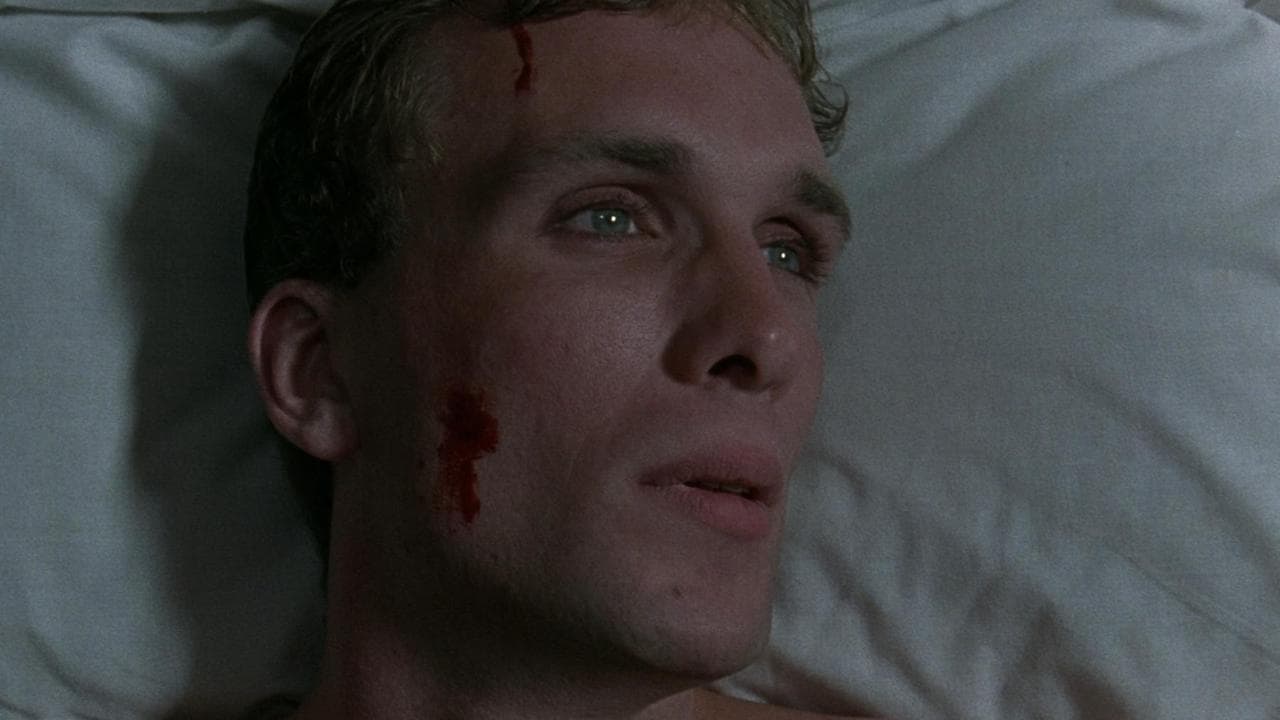
At the heart of this sonic and visual turbulence is Peter Greene's devastating performance. Known perhaps more widely for his memorable villain roles later in the 90s, like the menacing Zed in Pulp Fiction (1994) or the slick antagonist Dorian Tyrell in The Mask (1994), his work here is a world apart. Greene embodies Peter Winter with a terrifying lack of vanity. His movements are jerky, his gaze shifts constantly between intense focus and vacant disorientation, his voice is often a low, hesitant mumble. There's a palpable sense of a man battling unseen forces, desperately trying to hold onto a thread of coherence. The infamous scenes involving self-harm are difficult to watch, not for shock value, but for their raw, unflinching depiction of Peter's attempts to silence the noise inside him. It's a performance built not on tics, but on a profound internal struggle made visible. The supporting cast, including Robert Albert as the detective investigating a local child murder who begins to suspect Peter, provide a crucial anchor to the external world, their normalcy contrasting sharply with Peter's harrowing isolation.
### Grit, Grain, and Indie Spirit
Shot on 16mm film for a remarkably low budget (rumored to be around $68,000), Clean, Shaven possesses a raw, grainy aesthetic that perfectly complements its subject matter. There's no Hollywood gloss here. The locations feel mundane, almost oppressively ordinary, heightening the sense that Peter's internal chaos is unfolding against a backdrop indifferent to his suffering. Kerrigan's direction is deliberate and observational. He often holds shots, allowing the weight of Peter's experience to settle. The editing is sometimes jarring, reflecting Peter's fractured perception of time and reality. This wasn't a film made with studio resources; it feels like a work born of necessity and fierce artistic vision, using its limitations to create a unique and powerful cinematic language – a hallmark of the best of early 90s independent filmmaking.
### A Challenging Legacy
Clean, Shaven is not an easy film. It offers few concessions to the audience and tackles its subject matter with uncompromising honesty. Its portrayal of schizophrenia is subjective and experiential, aiming to evoke empathy through immersion rather than explanation. Does it fully capture the lived reality of the illness? That’s a complex question, but as a piece of filmmaking attempting to translate profound internal distress into sensory experience, it’s remarkably potent. It doesn't offer easy answers about Peter's guilt or innocence regarding the crimes happening around him, leaving the viewer in a state of uncomfortable ambiguity that mirrors the protagonist's own confusion. What stays with you long after the VCR has clicked off is the overwhelming sense of empathy for Peter's struggle, the haunting soundscape, and the ghost of Peter Greene's fragile, tormented eyes.
---
Rating: 9/10
Justification: Clean, Shaven earns this high rating for its fearless artistic vision, Peter Greene's tour-de-force performance, and its groundbreaking use of sound design to achieve profound psychological immersion. While its bleakness and challenging subject matter make it difficult viewing, its craft, intensity, and raw emotional power represent a significant achievement in independent cinema. It's a film that truly utilizes the medium to explore the complexities of the human mind in a way few others dare.
Final Thought: This is one of those tapes you might have hesitated to rent, but once seen, it lodges itself in your memory – a stark, vital reminder of cinema's power to confront, disturb, and ultimately, foster a difficult but necessary empathy.