It starts with a secret whispered under duress, a terrible truth overheard by the wrong pair of young ears in the humid Tennessee woods. That's the hook of The Client (1994), but what truly lingers isn't just the intricate legal chase that follows, but the raw, potent connection forged between two individuals clinging to survival against overwhelming odds. It’s a film that arrived smack in the middle of the John Grisham adaptation frenzy – hot on the heels of The Firm (1993) and alongside The Pelican Brief (also 1993) – yet it carves out its own distinct space, thanks largely to a central relationship that feels achingly real.
A Child Against the Machine
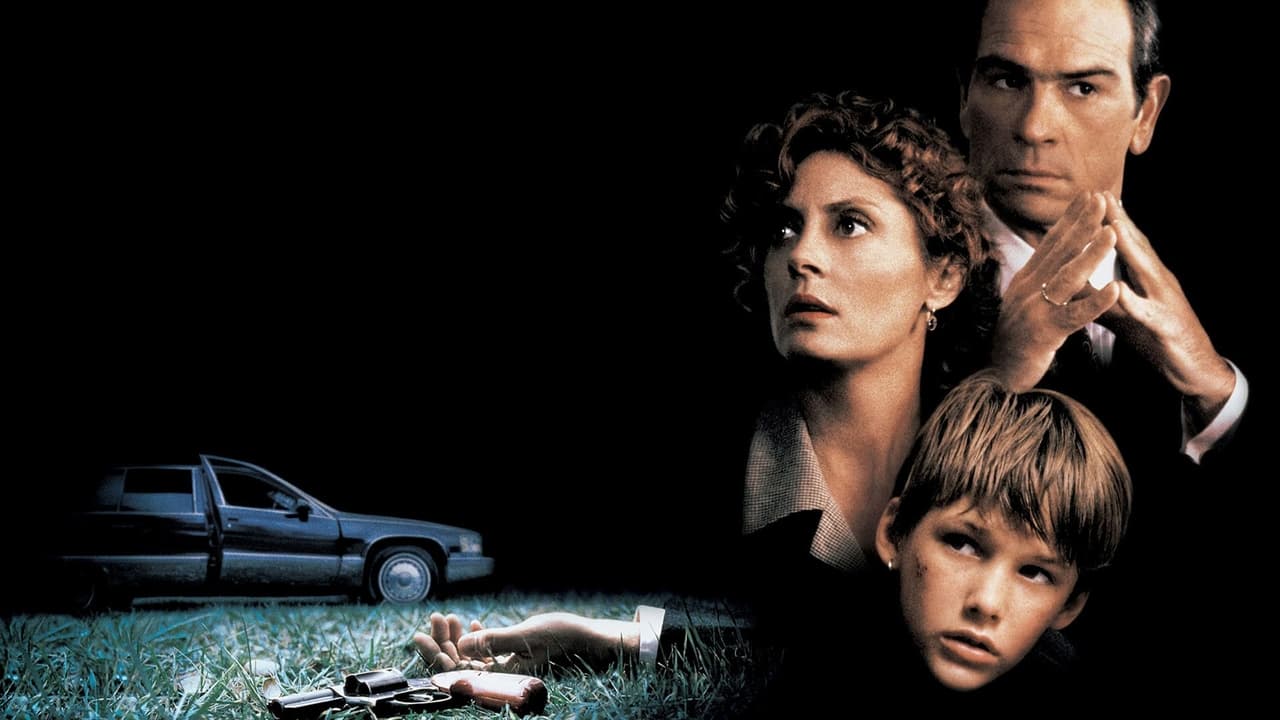
The premise is pure Grisham: 11-year-old Mark Sway, played with astonishing grit by newcomer Brad Renfro, witnesses the final moments of a Mob lawyer. Before the man ends his life, he reveals a deadly secret: the location of a murdered senator's body. Suddenly, Mark holds information coveted by ambitious federal prosecutor Roy Foltrigg (Tommy Lee Jones) and feared by the New Orleans Mafia. He's a kid trapped between implacable forces, his younger brother traumatized into silence by the event, his working-class mother (Mary-Louise Parker) overwhelmed. His only shield? A sharp tongue, street smarts honed by poverty, and, eventually, recovering alcoholic lawyer Reggie Love, portrayed by Susan Sarandon in a role that rightfully earned her an Academy Award nomination.
What elevates The Client beyond a standard legal thriller is the remarkable authenticity brought by its young lead. Brad Renfro, discovered during a nationwide casting call for kids without prior acting experience, is a revelation. There’s no Hollywood polish here; just the defiant, vulnerable, and fiercely intelligent energy of a kid pushed too far. He is Mark Sway, suspicious of every adult, fiercely protective of his family, navigating a terrifying adult world with instincts far beyond his years. I distinctly remember watching this on a rented VHS tape back in the day, struck by how Renfro held his own – often dominated scenes – against seasoned veterans like Sarandon and Jones. His naturalism grounds the entire film. Sadly, Renfro's later struggles and tragic passing in 2008 cast a poignant shadow over this electrifying debut, a stark reminder of talent lost too soon.
Reggie Love's Reluctant Crusade
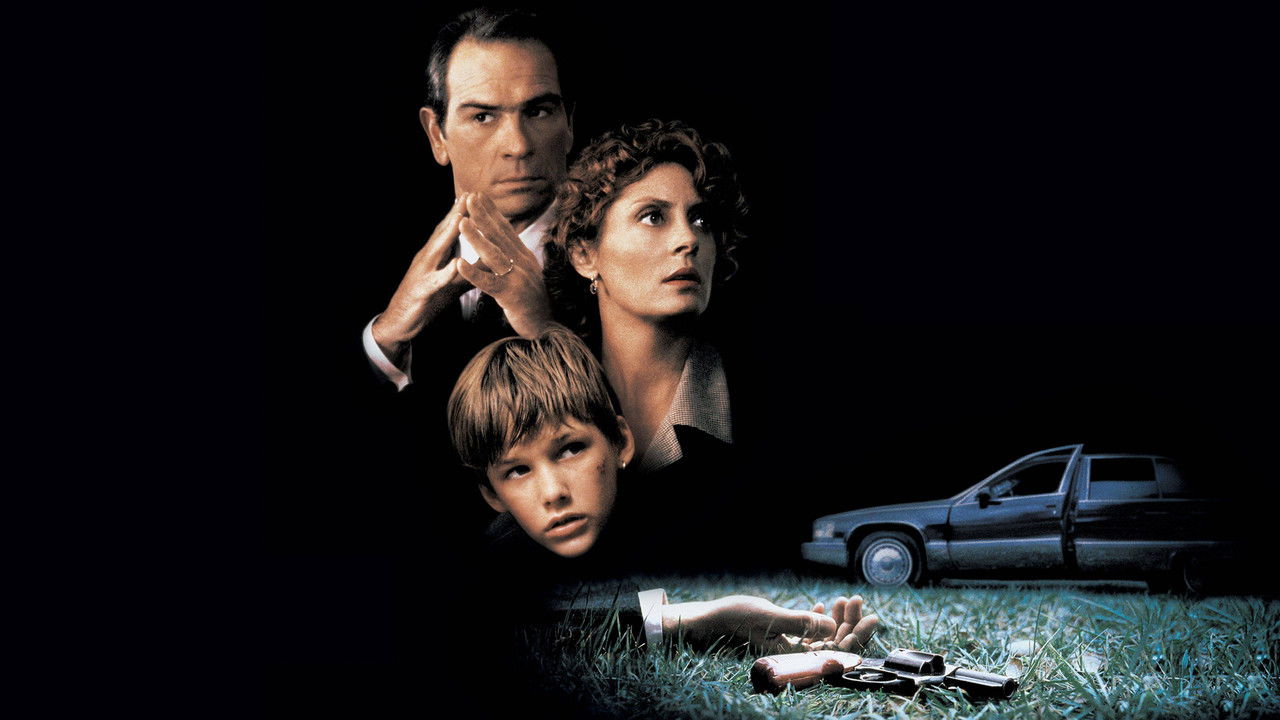
Opposite Renfro, Susan Sarandon delivers one of her most compelling performances. Reggie Love isn't a slick, high-powered attorney. She's flawed, recovering, running a small practice, and initially hesitant to take on Mark's case for a symbolic dollar. Sarandon reportedly fought for Reggie to be less of a maternal figure and more of a complex, capable professional battling her own demons – a choice that immeasurably strengthens the character and the film. Her chemistry with Renfro is the film's beating heart. It’s a bond built on mutual respect earned under fire, not manufactured sentimentality. Watch the scene where Mark initially tests her, grilling her about her past; the guarded dance between them feels utterly believable. Sarandon embodies Reggie's weariness and her resurgent tenacity, making her fight for Mark not just a legal battle, but a personal reclamation.
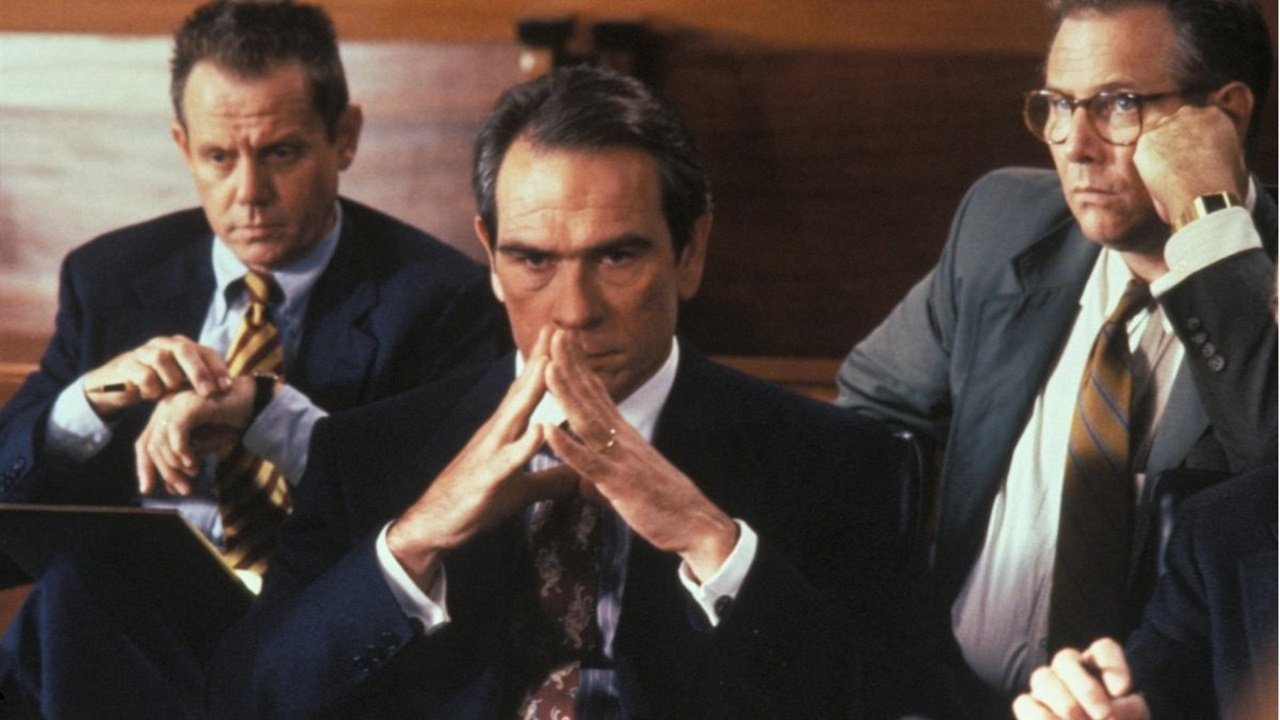
Adding considerable heat is Tommy Lee Jones as 'Reverend' Roy Foltrigg. Fresh off his Oscar win for The Fugitive (1993), Jones channels his signature blend of folksy charm and ruthless ambition. Foltrigg sees Mark not as a child in danger, but as a key to unlock a career-making case. He’s not cartoonishly evil, just dangerously self-serving, representing the impersonal, grinding power of the system Mark and Reggie are up against. Jones nails the character's political maneuvering and barely concealed frustration with this surprisingly resilient kid getting in his way.
Schumacher, Grisham, and Southern Comfort (or Discomfort)
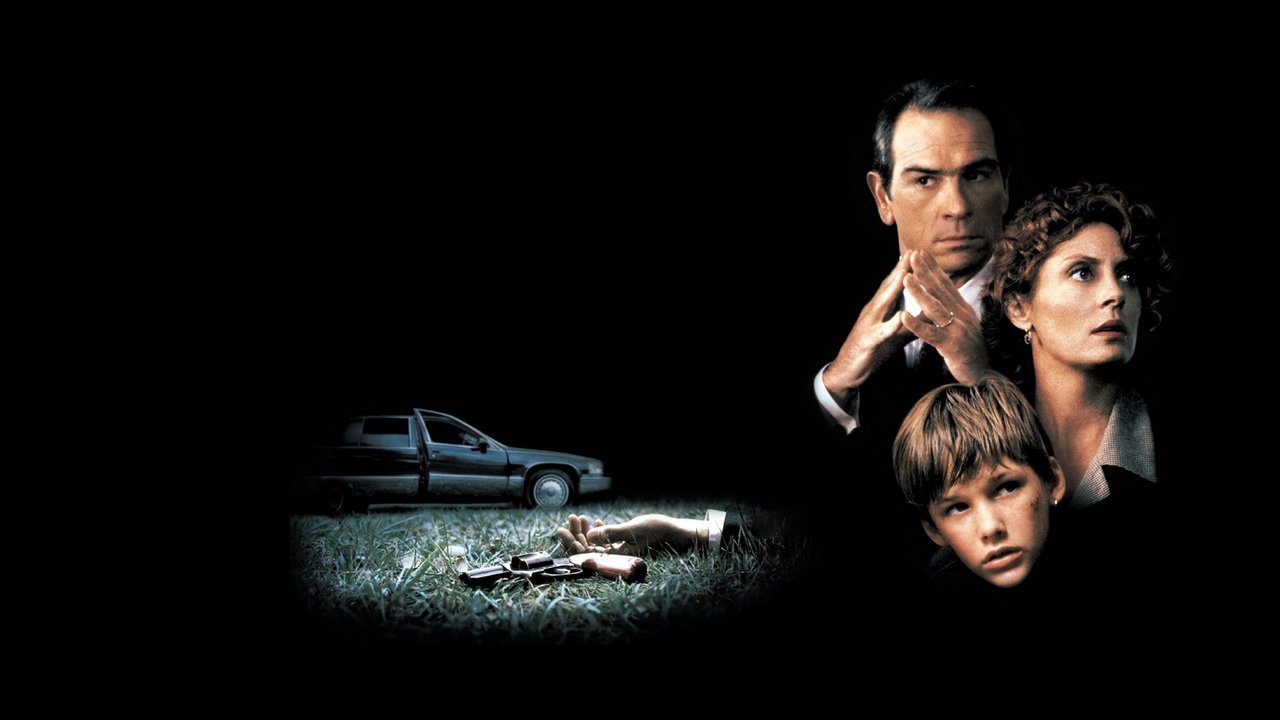
Director Joel Schumacher, often known for more visually extravagant films like The Lost Boys (1987) or later, the much-maligned Batman & Robin (1997), shows a commendable restraint here. He lets the performances and the inherent tension of Grisham's story drive the narrative. While there are flashes of style, particularly in the depiction of the New Orleans mobsters (Anthony LaPaglia offers a memorably sleazy turn), Schumacher primarily focuses on character and atmosphere. The Memphis setting feels tangible – the heat, the dilapidated spaces, the sharp contrast between Mark's world and the corridors of power.
It's fascinating to look back at The Client within the context of its time. John Grisham novels were practically printing money, and Hollywood rushed to adapt them. The Client, penned for the screen by Akiva Goldsman (who would later win an Oscar for A Beautiful Mind) and Robert Getchell, captured that zeitgeist perfectly. Made for around $45 million (about $93 million today), it pulled in over $92 million domestically (around $191 million adjusted), proving audiences were hungry for these legal thrillers that pitted relatable underdogs against powerful institutions. Its success even spawned a short-lived TV series adaptation (1995-1996), though it lacked the potent chemistry of the film's leads.
The film isn't without its thriller conventions – close calls, ticking clocks, a perhaps slightly too-neat resolution – but these feel secondary to the human drama. The core questions linger: How much pressure can a child endure? What lines will people cross for ambition or survival? Doesn't the bond between Mark and Reggie speak to our deep-seated need for someone, anyone, to truly see and fight for us when the world turns hostile?
The Verdict

The Client remains a standout 90s thriller, anchored by powerhouse performances, particularly the unforgettable debut of Brad Renfro and Susan Sarandon's nuanced portrayal of Reggie Love. It skillfully blends legal suspense with genuine emotional weight, creating a compelling narrative that resonates beyond its genre trappings. While firmly a product of the Grisham craze, its focus on the human cost of systemic pressures and the power of unlikely alliances gives it lasting impact. It’s a film that earns its tension and its heart.
Rating: 8/10
It holds up remarkably well, a potent reminder of how effective a character-driven thriller can be, and a bittersweet showcase for a young talent who burned incredibly bright. What stays with you isn't just the plot's resolution, but the fierce, protective gaze exchanged between a scared kid and the lawyer who dared to believe him.