It arrives not with a blinding flash or earth-shattering roar, but with an almost unnerving calm. The knowledge, universally accepted, that the world will end precisely at midnight. This is the unsettling, strangely intimate premise of Don McKellar's 1998 directorial debut, Last Night – a film that eschews the grand spectacle of global catastrophe for the quiet, deeply personal dramas unfolding in the final six hours. Forget the frantic race against time; here, time is simply… running out. What lingers long after the credits, or rather, after the screen fades to black, isn't the 'how' or 'why' of the apocalypse, but the profound question: how do we choose to face the absolute end?
An Apocalypse Served Quietly
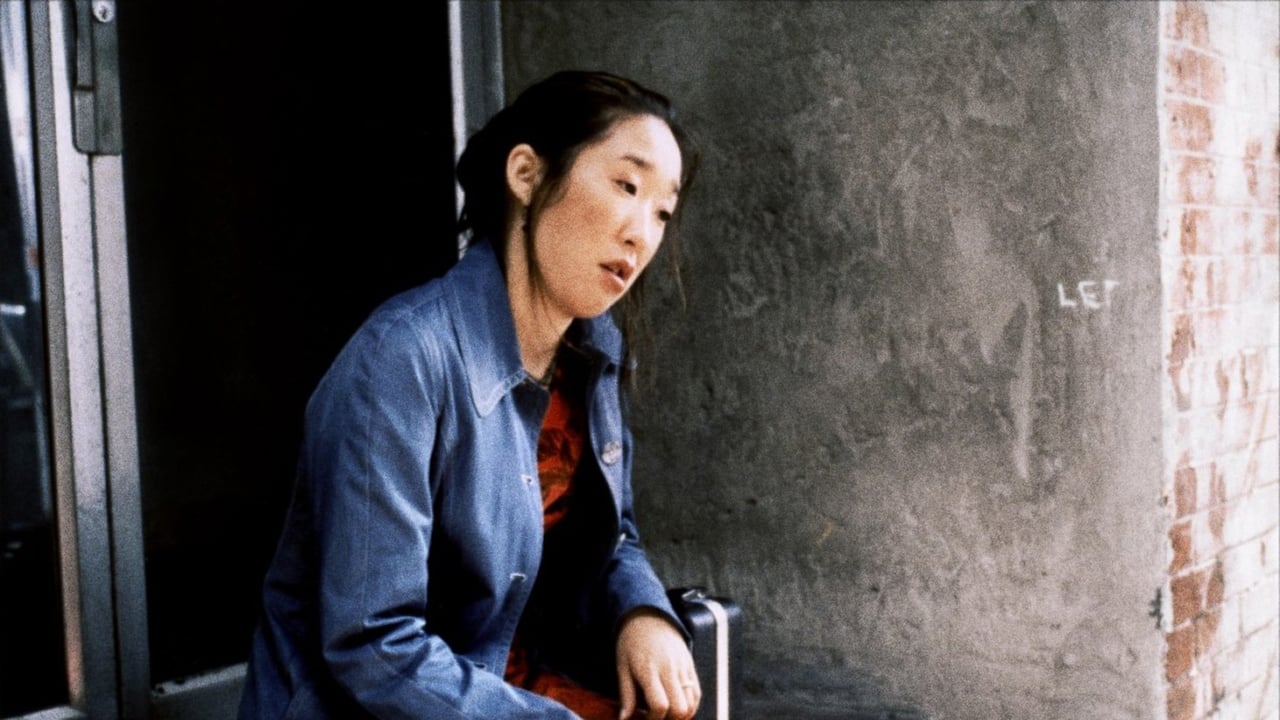
Released in the same year that Hollywood gave us the explosive, world-saving antics of Armageddon and Deep Impact, Last Night felt like a deliberate, thoughtful counterpoint. Filmed on a modest budget (reportedly around CAD $3 million), its power lies not in dazzling special effects – there are virtually none – but in its grounded portrayal of human behaviour under unimaginable pressure. McKellar, who also wrote and stars as the melancholic Patrick, crafts a vision of Toronto bracing for oblivion with a peculiarly Canadian blend of stoicism, dark humour, and quiet desperation. The sun hangs strangely in the sky, an omnipresent reminder of the impending deadline, bathing the city in a perpetual golden-hour glow that feels both beautiful and deeply wrong. It’s this pervasive atmosphere, a mix of surreal beauty and mundane dread, that immediately pulls you into its unique orbit. Remember that feeling, watching late-night TV on a fuzzy CRT, encountering something utterly unexpected like this? It felt different, more personal than the blockbuster fare dominating the rental shelves.
Portraits on the Precipice
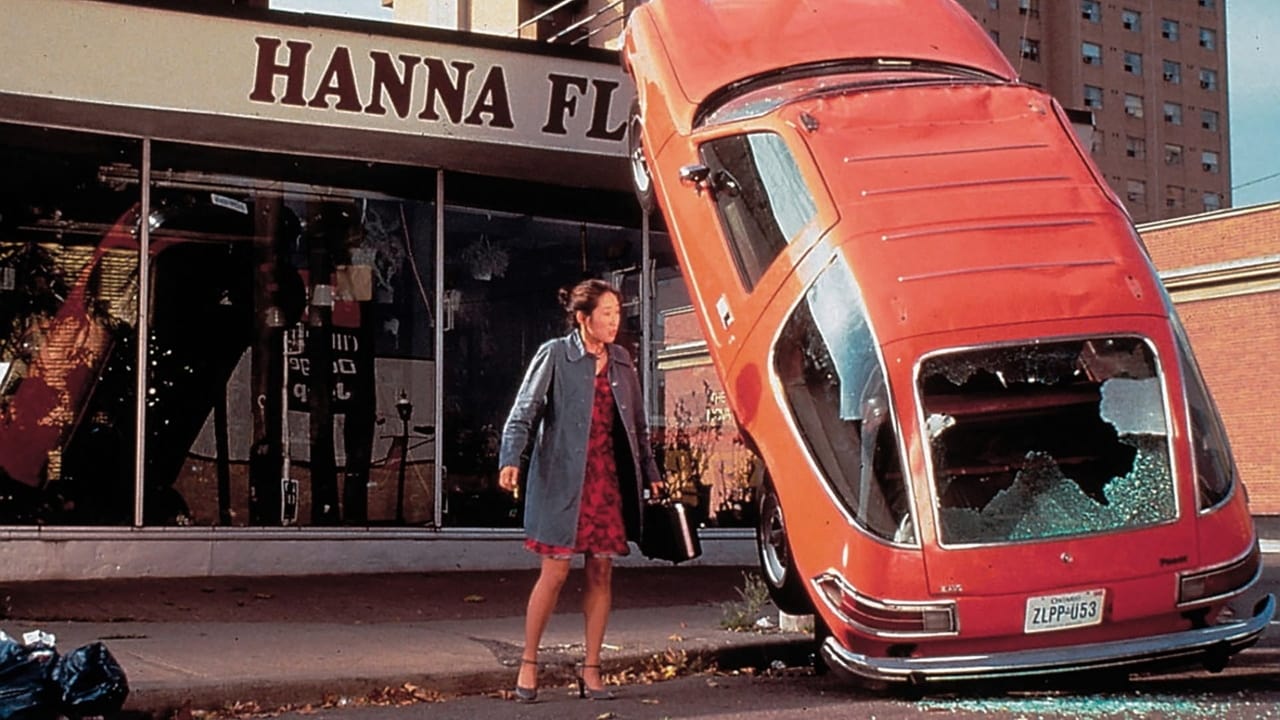
At the heart of Last Night are the interwoven stories of ordinary people navigating their final moments. Don McKellar himself plays Patrick, a recent widower seemingly determined to spend his last evening alone, revisiting memories and preparing for solitude. His carefully constructed isolation is disrupted by Sandra (Sandra Oh, in a wonderfully nuanced performance just before her Grey's Anatomy fame would explode), stranded across town and desperate to reunite with her husband before the end. Their chance encounter forms the film's emotional core, a hesitant connection forged in the face of ultimate disconnection. Oh conveys Sandra's escalating panic and underlying resilience with heart-wrenching authenticity; you feel every frantic phone call, every dashed hope.
Around them orbits a constellation of equally compelling characters. Callum Keith Rennie delivers a jolt of chaotic energy as Craig, Patrick's best friend, intent on fulfilling every last hedonistic desire, ticking off a bizarre bucket list that includes copious amounts of sex and listening to his favourite music one last time. There’s Patrick's sister Jennifer (Sarah Polley, already showing the talent that would define her later career as both actor and director like in Away from Her (2006)), finding solace with her family; and even a memorable cameo from iconic Canadian director David Cronenberg as Duncan, the pragmatic gas company manager calmly ensuring his customers have service until the very last second – a moment of sublime absurdity that perfectly encapsulates the film's tone. One fascinating production tidbit is that Last Night was conceived as part of a larger international project called "2000, Seen By...", where filmmakers from ten different countries were invited to create films reflecting the turn of the millennium. McKellar’s uniquely Canadian take on impending doom stood out.
Finding Meaning in the Final Hours
What makes Last Night resonate so deeply, even decades later, is its focus on the small moments, the unfulfilled desires, the final conversations. It posits that faced with oblivion, grand gestures might fall away, leaving only the fundamental need for connection, forgiveness, or simply companionship. Patrick's journey isn't about saving the world; it's about confronting his grief and deciding whether to face the end alone or with another soul. Sandra's isn't about heroism; it's about the primal urge to be with loved ones. Craig’s frantic hedonism, while seemingly shallow, speaks to a different kind of coping mechanism – a desperate attempt to feel something, anything, before feeling nothing at all.
McKellar’s direction is deliberately understated. He trusts his actors and his script, allowing the silences to speak as loudly as the dialogue. The camera often lingers, capturing the quiet anxieties etched on faces, the unspoken emotions hanging in the air. There's a truthfulness to the interactions, a lack of melodrama that makes the extraordinary circumstances feel paradoxically real. It’s a film that asks us, gently but insistently: What truly matters when everything else is stripped away? Does the knowledge of the end change the value of our final actions?
Legacy of a Low-Key Apocalypse
While perhaps not a household name like its bombastic Hollywood cousins, Last Night earned critical acclaim (winning the Prix de la Jeunesse at Cannes) and has endured as a cult classic, particularly cherished within Canadian cinema. It’s a testament to the power of intimate storytelling, proving that an end-of-the-world narrative doesn’t need astronomical budgets or city-levelling destruction to be profoundly affecting. It’s the kind of film that might have been a lucky find at the back of the video store, rented on a whim, only to leave an indelible mark. I remember seeing it pop up on late-night specialty channels, its quiet intensity a stark contrast to everything else on offer, feeling like a secret discovery.
Its influence can perhaps be seen in later, more character-driven apocalyptic or existential dramas that favour introspection over spectacle. It reminds us that sometimes the most powerful stories are the smallest ones, played out against the largest possible backdrop.
Rating: 9/10
Last Night achieves exactly what it sets out to do with remarkable grace and intelligence. Its strength lies in its superb ensemble cast, particularly the central pairing of McKellar and Oh, its beautifully realised atmosphere of melancholic dread mixed with unexpected warmth, and its profound, unforced exploration of human connection at the edge of existence. The deliberate pacing and lack of conventional action might not appeal to everyone, but for those seeking a thoughtful, emotionally resonant take on the apocalypse, it’s near-perfect.
It leaves you not with answers, but with lingering questions and a quiet sense of awe – a poignant meditation on how we live, right up until the very last moment.