There's a certain kind of discomfort that clings to you long after the tape ejects, a feeling summoned by films that dare to peel back the layers of bravado to expose something raw and wounded underneath. Buffalo '66 leaves precisely that kind of mark. It doesn't gently invite you in; it throws you headfirst into the turbulent inner world of Billy Brown, a man so tangled in his own damaged past he can barely function in the present. Watching it again, decades after its 1998 release, feels less like revisiting a movie and more like unearthing a buried, volatile memory.
A Desperate Charade
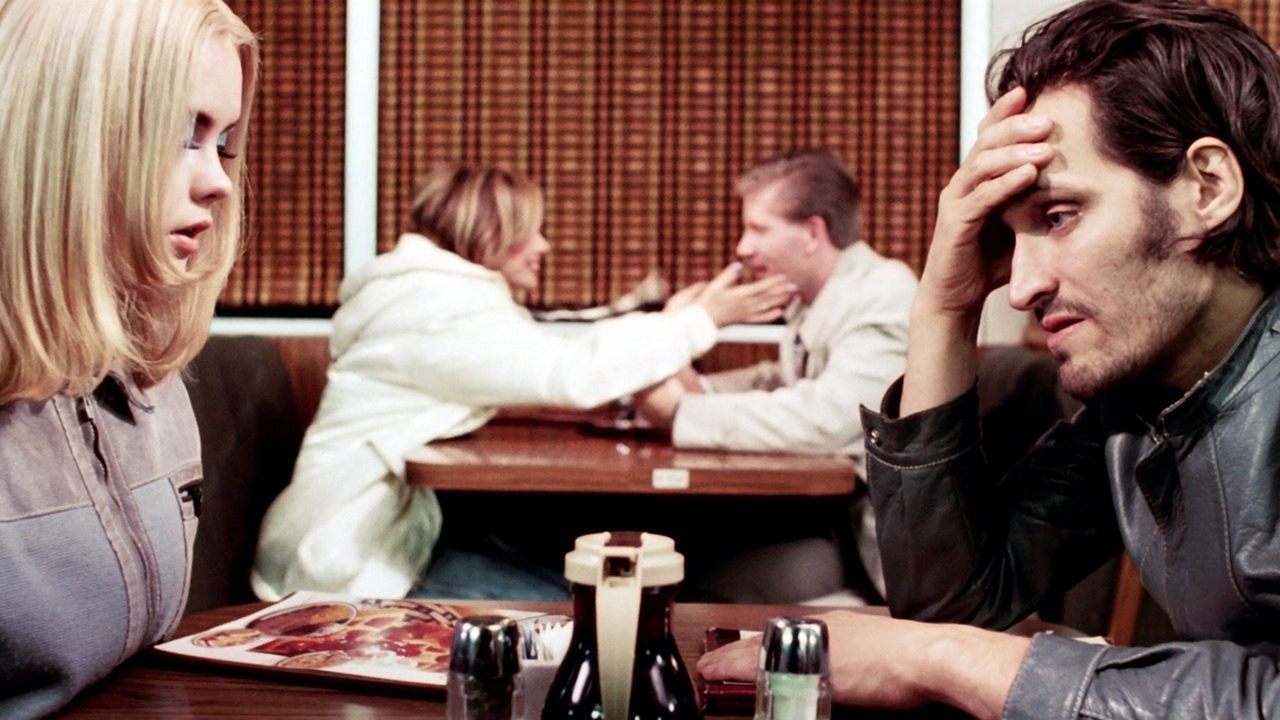
The setup is almost painfully simple, yet fraught with potential disaster. Billy Brown, freshly released from a five-year prison stint he blames on a missed field goal by the Buffalo Bills (a detail dripping with pathetic deflection), needs to impress his parents. Parents who, crucially, don't even know he was incarcerated. His solution? Kidnap Layla (Christina Ricci), a tap-dancing student, and force her to pose as his adoring wife. What follows isn't a caper or a thriller, but a slow, agonizing crawl through Billy's profound inadequacy, set against the backdrop of a perpetually overcast, soul-crushingly bleak Buffalo winter.
The Man-Child at the Center
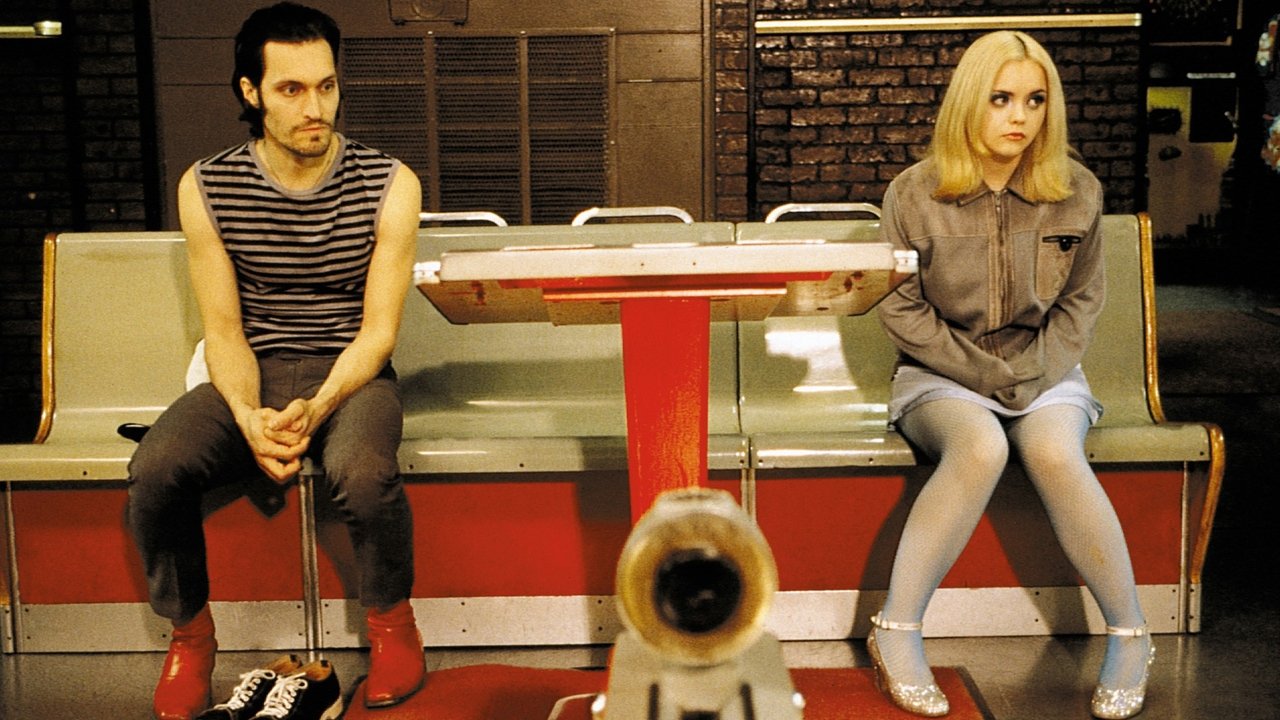
At the heart of the film is Vincent Gallo's portrayal of Billy. It’s a performance of astonishing vulnerability wrapped in layers of belligerent hostility. Gallo, who also directed, co-wrote, and composed the score, pours himself into Billy with an intensity that blurs the line between character and creator. Billy is a walking bruise – needy, explosive, manipulative, yet possessing a childlike yearning for the love and approval he never received. His interactions are sandpaper-rough; he pushes everyone away even as he desperately craves connection. It's not always comfortable viewing – in fact, it rarely is – but Gallo makes Billy's pain palpable. You might not like him, but understanding the roots of his dysfunction feels inescapable. It’s a testament to Gallo's singular vision, born from a reportedly intense production process where he exerted meticulous control, that this difficult character remains so compelling. His commitment extended even to the film's distinctive look – achieved by shooting primarily on reversal film stock, typically used for slides, giving it that saturated, slightly grainy, and strangely nostalgic aesthetic that feels perfectly suited to a worn VHS tape viewed on a CRT screen.
Finding Grace in Captivity
Against Billy’s chaotic energy stands Layla, played with remarkable quietude and subtle strength by Christina Ricci. Fresh off darker roles in films like The Addams Family and Casper, Ricci embodies an unexpected source of empathy. Layla isn't merely a passive victim; she observes Billy, seemingly understands the wounded child beneath the rage, and chooses, inexplicably yet believably, to play along and even offer moments of genuine tenderness. Their dynamic is the film's strange, beating heart – a bizarre, enforced intimacy that blossoms into something fragile and potentially real. Is it Stockholm Syndrome? Partly, perhaps. But Ricci imbues Layla with an agency that suggests she sees a path through Billy's defenses, a flicker of hope worth nurturing. Reportedly, the relationship between Gallo and Ricci on set was sometimes strained, a tension that, perhaps unintentionally, adds another layer of complexity to their characters' fraught connection on screen.

Home is Where the Hurt Is
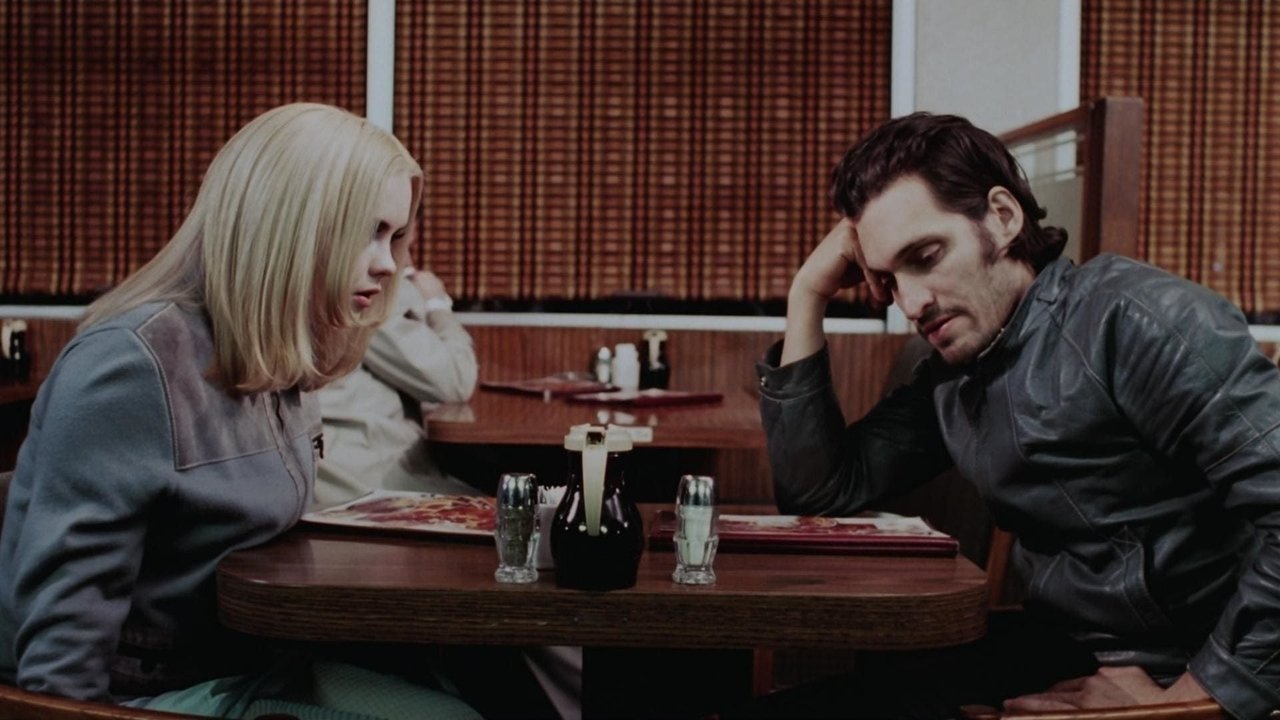
No discussion of Buffalo '66 is complete without mentioning the excruciatingly awkward, darkly comedic dinner scene with Billy's parents. Ben Gazzara as Jimmy, the emotionally vacant, Sinatra-obsessed father, and the legendary Anjelica Huston (who took the role for scale pay as a favor) as Jan, the football-obsessed mother utterly indifferent to her son, are phenomenal. Their performances create a portrait of parental neglect so profound it’s almost surreal. The air in their cramped living room is thick with unspoken resentment and decades of disappointment. It’s a scene that perfectly encapsulates the source of Billy’s trauma, making his desperate need for validation, however clumsily sought, tragically understandable. This wasn't just dysfunction; it felt like a meticulously documented emotional void.
A Singular Vision
Beyond the performances, Buffalo '66 is a testament to Gallo's uncompromising directorial style. The deliberate pacing, the sometimes claustrophobic framing, the use of split-screens and freeze-frames – it all contributes to a feeling of being trapped inside Billy’s head. The low budget (around $1.5 million) forced creative solutions, resulting in a film that feels handcrafted and deeply personal, reminiscent of the gritty American independent cinema of the 1970s. It premiered at Sundance and slowly built a dedicated cult following, resonating with viewers who appreciated its raw honesty and refusal to offer easy answers. It’s a film that wears its influences (like John Cassavetes) on its sleeve but ultimately feels entirely unique.
The Lingering Chill
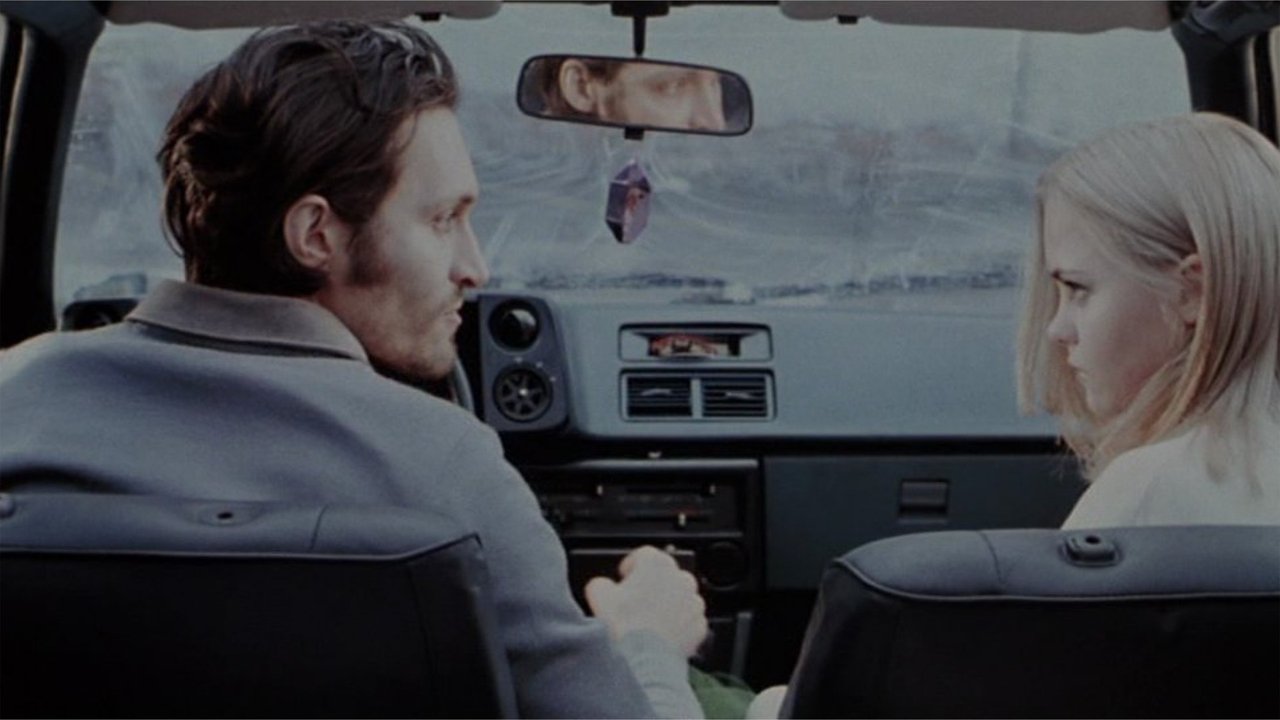
Buffalo '66 isn't a feel-good movie. It's often abrasive, unsettling, and emotionally draining. Yet, there's a strange beauty in its bleakness, a flicker of hope in the tentative connection between Billy and Layla. It forces us to confront uncomfortable truths about loneliness, the long shadow of family dysfunction, and the desperate, often messy, search for love and forgiveness. What lingers most isn't just the cringe-inducing moments or the visual style, but the aching vulnerability at its core.
Rating: 8/10
This score reflects the film's powerful, albeit difficult, emotional impact, the unforgettable performances (especially Gallo and Ricci), and its unique, uncompromising artistic vision. It’s not a film for everyone – its pacing and abrasive lead character can be challenging – but for those willing to meet it on its own terms, it offers a raw, honest, and deeply affecting cinematic experience that stands as a singular achievement of late 90s indie filmmaking. It's a tape that, once watched, stays with you, a haunting echo from a specific time and a specific, troubled heart.