The shrill cry of a public payphone slicing through the pre-dawn Los Angeles quiet. Not a sound you forget. Especially not that call. Miracle Mile doesn't ease you into its nightmare; it throws you headfirst into the frantic ticking clock of Armageddon, fueled by a wrong number and the chillingly plausible terror of imminent nuclear holocaust. Forget slow burns; this is a film that grabs you by the collar from the moment Harry Washello picks up that receiver and never lets go until the final, haunting frame.
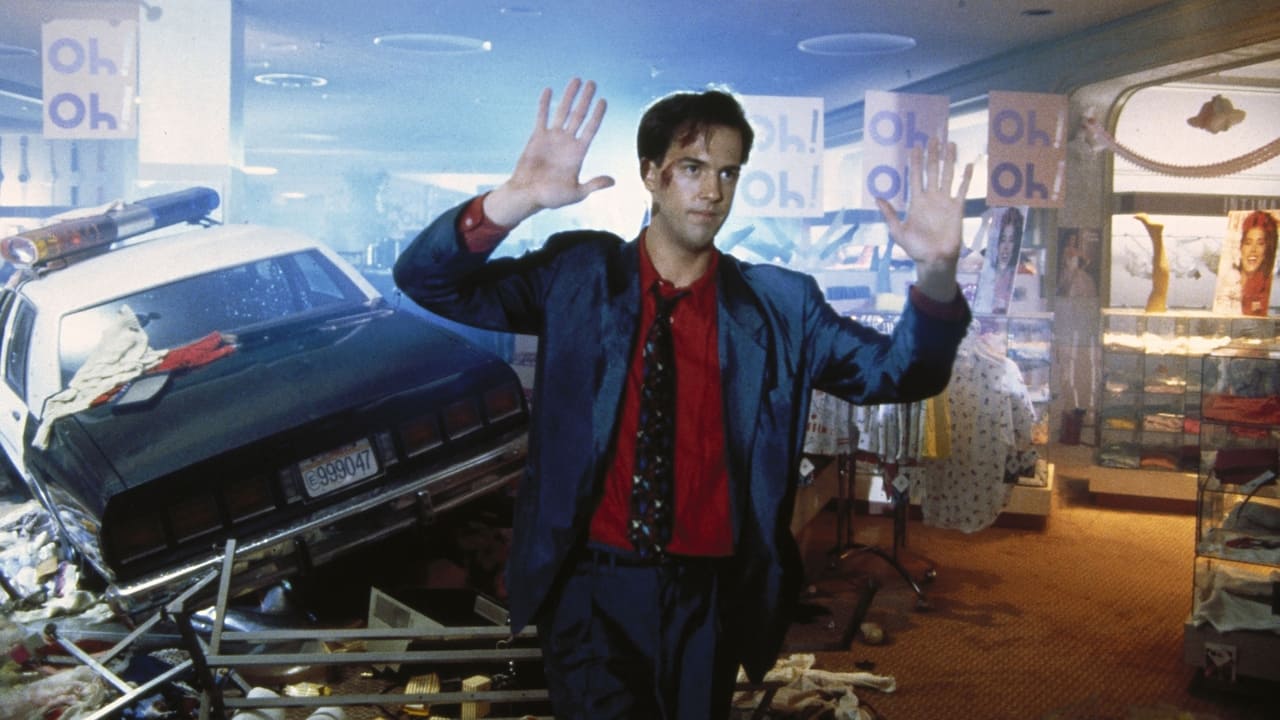
A Date with Apocalypse
What starts as a meet-cute catastrophe – Harry (Anthony Edwards, fresh off Top Gun (1986) but miles away from Goose's charm here) oversleeps and misses his first real date with Julie (Mare Winningham) – spirals instantly into existential dread. That call he intercepts isn't for him; it's a panicked soldier revealing that the missiles are flying, retaliation is minutes away, and the end is nigh. Is it a prank? A madman? Or the horrifying truth? The genius of Steve De Jarnatt's script, a screenplay legendary for languishing unproduced for nearly a decade after being written in 1979 (it even topped American Film magazine's list of best unmade scripts!), is how it forces Harry, and us, to grapple with that uncertainty amidst escalating chaos. De Jarnatt, who also directed the quirky post-apocalyptic Cherry 2000 (1987), initially penned this as a potential Twilight Zone episode, and you can feel that DNA – the ordinary man thrust into extraordinary, terrifying circumstances.
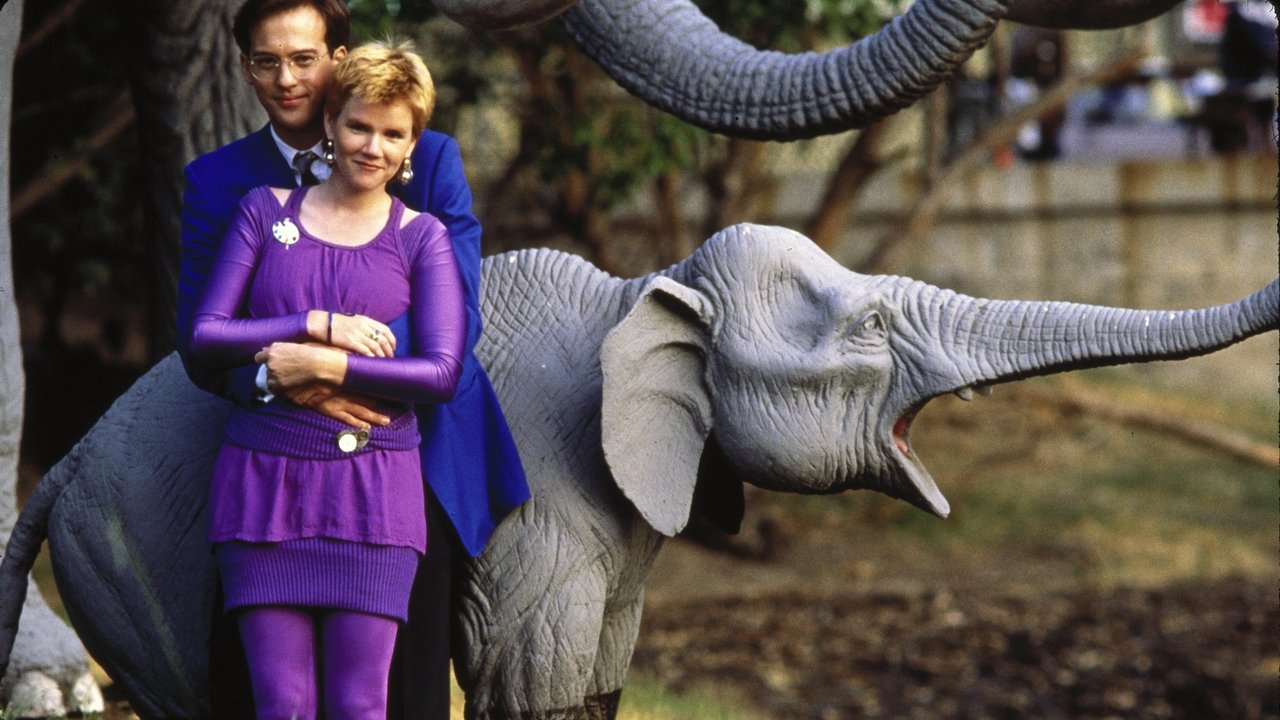
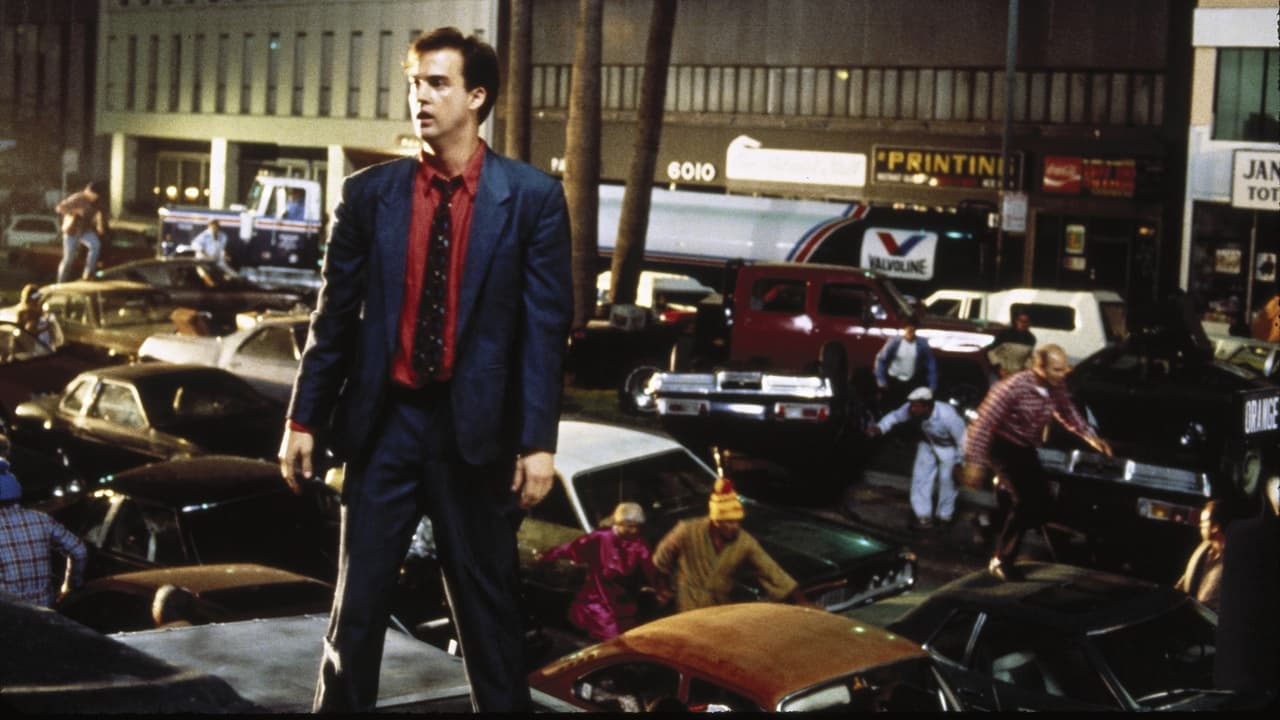
The film unfolds, more or less, in real-time. We follow Harry's desperate scramble through the neon-drenched, yet increasingly panicked, streets of the Miracle Mile district. His urgent need to find Julie and somehow escape the city becomes a microcosm of humanity's primal survival instinct kicking in. Edwards is pitch-perfect as the accidental harbinger, his everyman awkwardness transforming into raw, believable fear. Winningham, always an anchor of authenticity, grounds the film's more outlandish moments with palpable emotional vulnerability. Their burgeoning romance, established so economically in the opening museum scene, becomes the fragile human core against which the impending mechanical doom crashes.
That Tangerine Dream Dread
You can't talk about Miracle Mile's atmosphere without bowing down to Tangerine Dream's iconic score. It's not just music; it's the film's nervous system, a pulsing, synthesized heartbeat that ratchets up the tension with every passing minute. The score perfectly complements the visuals – the slick, rain-washed streets reflecting lurid neon signs, the gradual breakdown of societal order, the strange, almost surreal encounters Harry has with the denizens of late-night LA (including cult film legend John Agar in a small role). Remember Johnie's Coffee Shop on Wilshire? That iconic Googie architecture became ground zero for the film's escalating panic, a real location transformed into a pressure cooker of fear. De Jarnatt filmed extensively on location, adding a layer of gritty realism to the unfolding nightmare. He reportedly fought hard to get the film made his way after buying back his own script, working with a relatively modest budget (around $3.7 million) to create something truly unique and unsettling.
The film captures that specific late-Cold War anxiety with unnerving precision. Living under the constant, low-level hum of potential nuclear annihilation was just... normal then, wasn't it? Miracle Mile took that background radiation of fear and made it foreground, immediate, and terrifyingly personal. It doesn't rely on monster effects or jump scares; the horror is purely situational, psychological. It’s the dawning realization on people's faces, the jammed phone lines, the sudden violence born of desperation, the chillingly calm voice on the radio confirming the worst. Doesn't that creeping dread still feel potent, even decades later?
An Unforgettable Impact
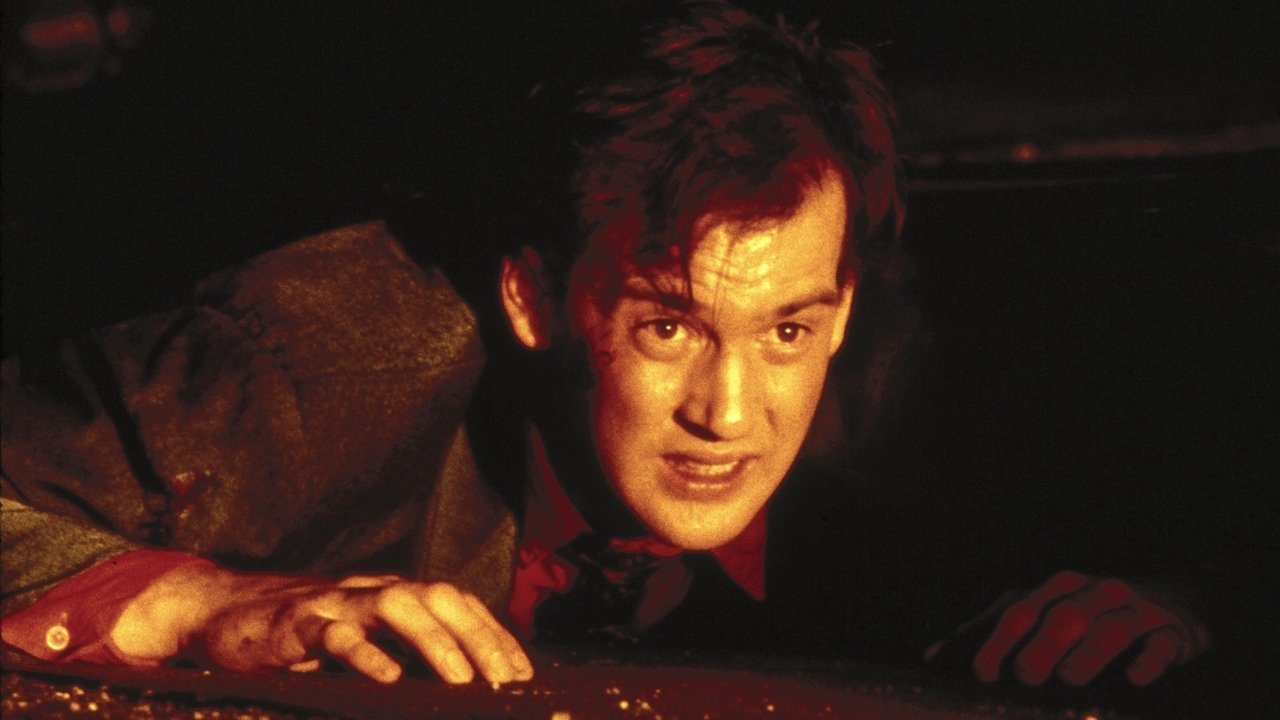
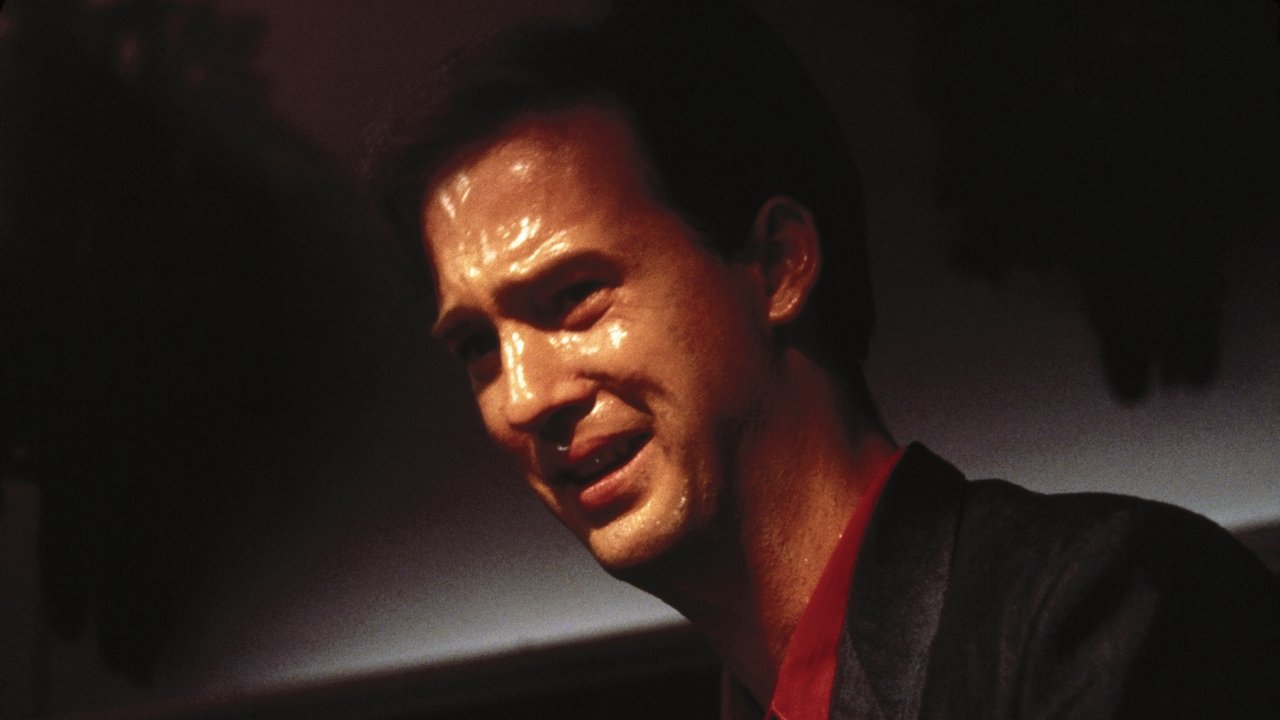
Miracle Mile wasn't a box office smash upon release, perhaps its bleakness and unconventional structure were too much for mainstream audiences expecting a different kind of 80s thriller. Yet, its power lingered. It became a quintessential cult classic on VHS, the kind of tape you’d rent on a whim and find yourself utterly gripped by, unable to shake its disturbing energy. Its reputation grew through word-of-mouth, whispered recommendations between genre fans who recognized its stark brilliance.
The film’s commitment to its premise, right down to its devastatingly bold ending (no spoilers, but it’s not easily forgotten), is what elevates it. It refuses easy answers or last-minute Hollywood rescues. It presents a scenario and follows it through with horrifying logic. It’s a film that understands that sometimes, the worst can happen, triggered by something as mundane as a misdialed phone number in the lonely hours before dawn.
***
Rating: 9/10
Justification: Miracle Mile earns its high score through its masterful build-up of real-time tension, its grounded performances amidst chaos, the unforgettable Tangerine Dream score that defines its atmosphere, and its unflinching commitment to a dark, plausible premise rooted in genuine Cold War anxieties. While perhaps niche, its execution is nearly flawless, creating a uniquely gripping and haunting experience that stands as a high-water mark for 80s apocalyptic thrillers. Its enduring cult status is a testament to its power.
Final Thought: Decades later, the panic still feels real. Miracle Mile remains a potent, deeply unsettling gem from the VHS era – a frantic, neon-soaked nightmare that reminds you how quickly the ordinary world can shatter.