It’s a curious thing, revisiting a film like Whit Stillman’s Barcelona. Released in 1994, it arrived on video store shelves feeling both refreshingly literate and oddly out of step with the louder, brasher mainstream of the mid-90s. Watching it again now, perhaps pulling that well-worn tape from a dusty shelf in our minds, it resonates differently. It's not just the fashion or the absence of smartphones; it’s the film's particular brand of witty, anxious exploration of being young, American, and adrift in a foreign land during a specific, fading moment in history – "the last decade of the Cold War," as the opening title card informs us. This wasn't your typical explosion-filled rental; it was something quieter, sharper, and infinitely more talkative.
An American (and his Cousin) in Spain
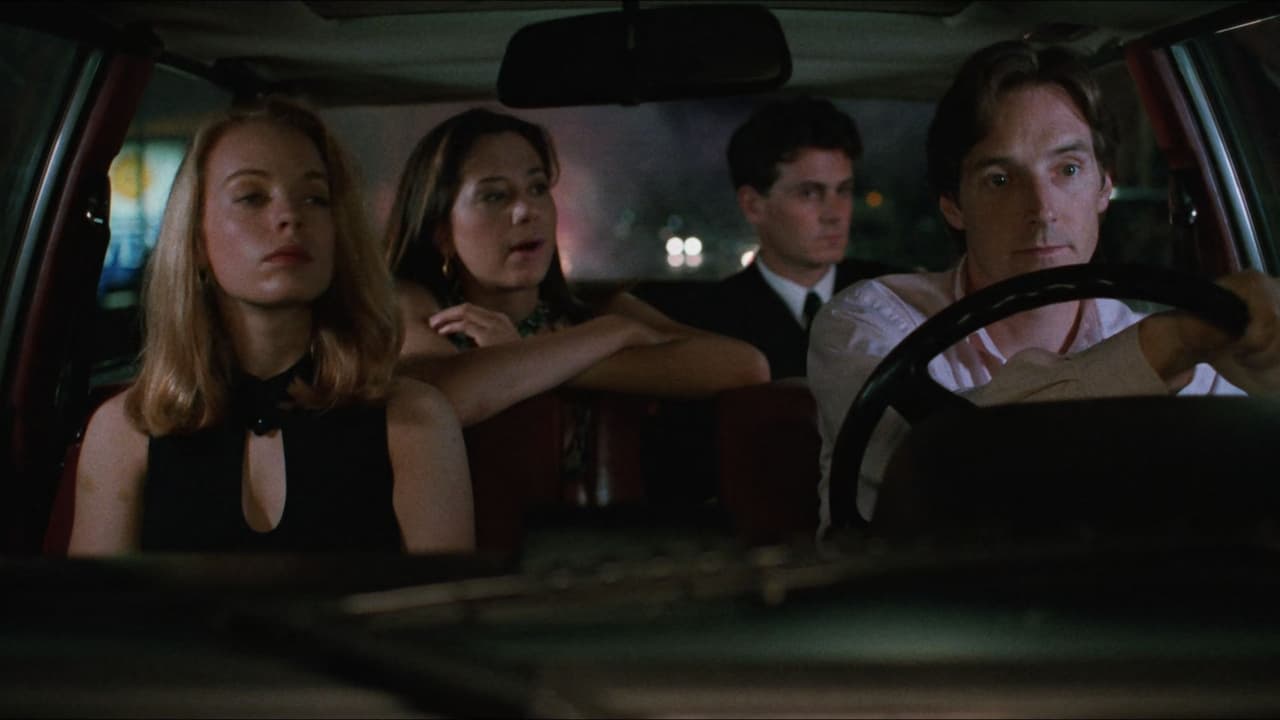
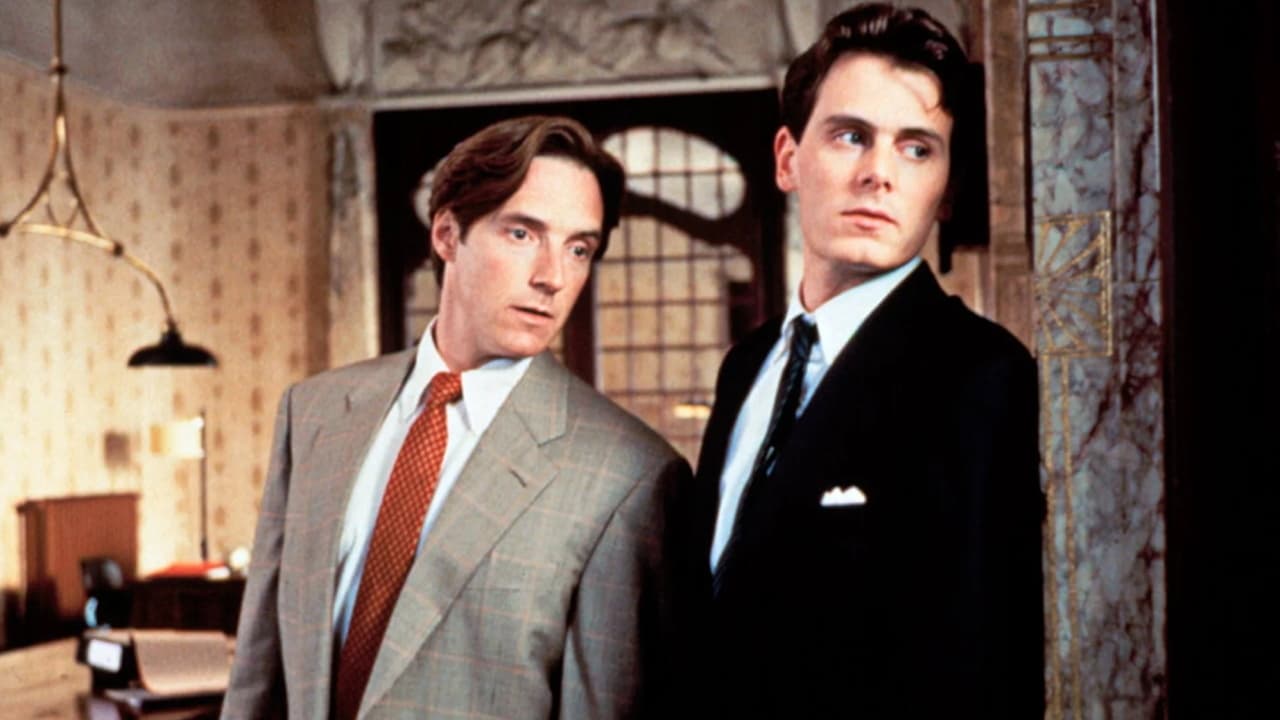
The setup is deceptively simple. Ted Boynton (Taylor Nichols) is a earnest, slightly repressed salesman working for an American company in Barcelona. He’s diligent, thoughtful, reads the Bible for sales techniques, and tries earnestly to navigate the complexities of Spanish culture and romance. His relatively ordered life is thrown into delightful chaos by the unexpected arrival of his cousin, Fred (Chris Eigeman), a brash, opinionated, and effortlessly cynical U.S. naval officer temporarily assigned to the consulate. Fred barrels into Ted's life, dispensing unsolicited advice, misinterpreting local customs with glorious confidence, and generally acting as the chaotic id to Ted's superego.
If you’d seen Stillman’s debut, Metropolitan (1990), you’d recognise the pairing instantly. Nichols and Eigeman reprise their unique chemistry, though here the dynamic feels richer, tested by the specific pressures of being outsiders. Nichols perfectly embodies Ted’s well-meaning insecurity, his desire to fit in constantly warring with his ingrained American sensibilities. You feel his discomfort, his quiet anxieties. But it’s Eigeman as Fred who often steals the show. Arrogant, often clueless, yet possessed of a strange, underlying vulnerability, Fred is a force of nature. Eigeman delivers Stillman’s hyper-articulate, irony-drenched dialogue with a masterful dryness that makes even his most obnoxious pronouncements hilarious. It’s a performance that crackles with intelligence and barely concealed panic.
More Than Just Witty Banter
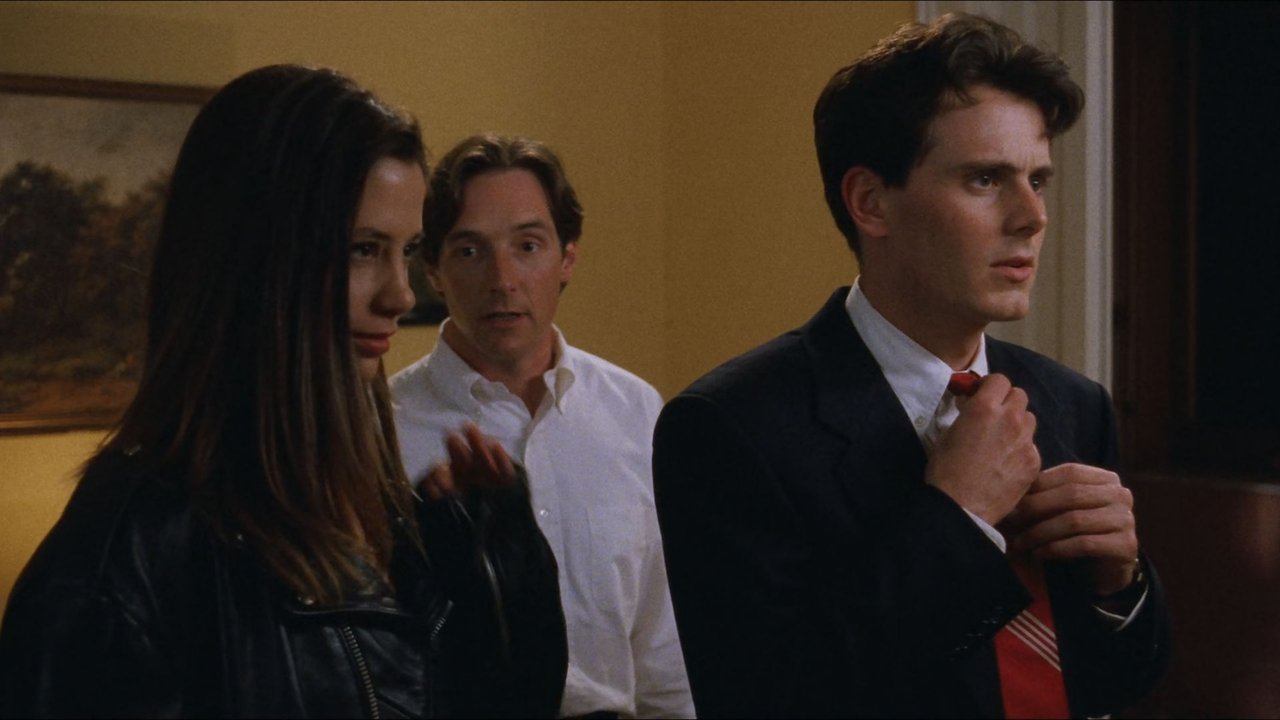
Stillman, who also wrote the screenplay, has a unique gift for dialogue that sounds both completely natural and meticulously crafted. The conversations fizz with intellectual sparring, romantic misunderstandings, and hilariously specific observations about everything from NATO politics to the perils of dating "beautiful" women. It’s a film built on talk, but it never feels static. The discussions fuel the plot, reveal character, and explore the central themes: the complexities of American identity abroad, the awkward dance of courtship, and the enduring, often maddening, bonds of family.
Stillman drew significantly from his own time living in Barcelona and Madrid in the early 1980s, lending the film an air of lived-in authenticity. You sense the real experiences underpinning the fictional narrative. This wasn't just conjured; it felt observed. The film, alongside Metropolitan and The Last Days of Disco (1998), forms what fans affectionately call Stillman’s “Doomed Bourgeois in Love” trilogy, exploring the lives of articulate, often privileged, young people navigating love, class, and identity. Seeing Nichols and Eigeman evolve across these films is part of the distinct pleasure.
Barcelona Itself
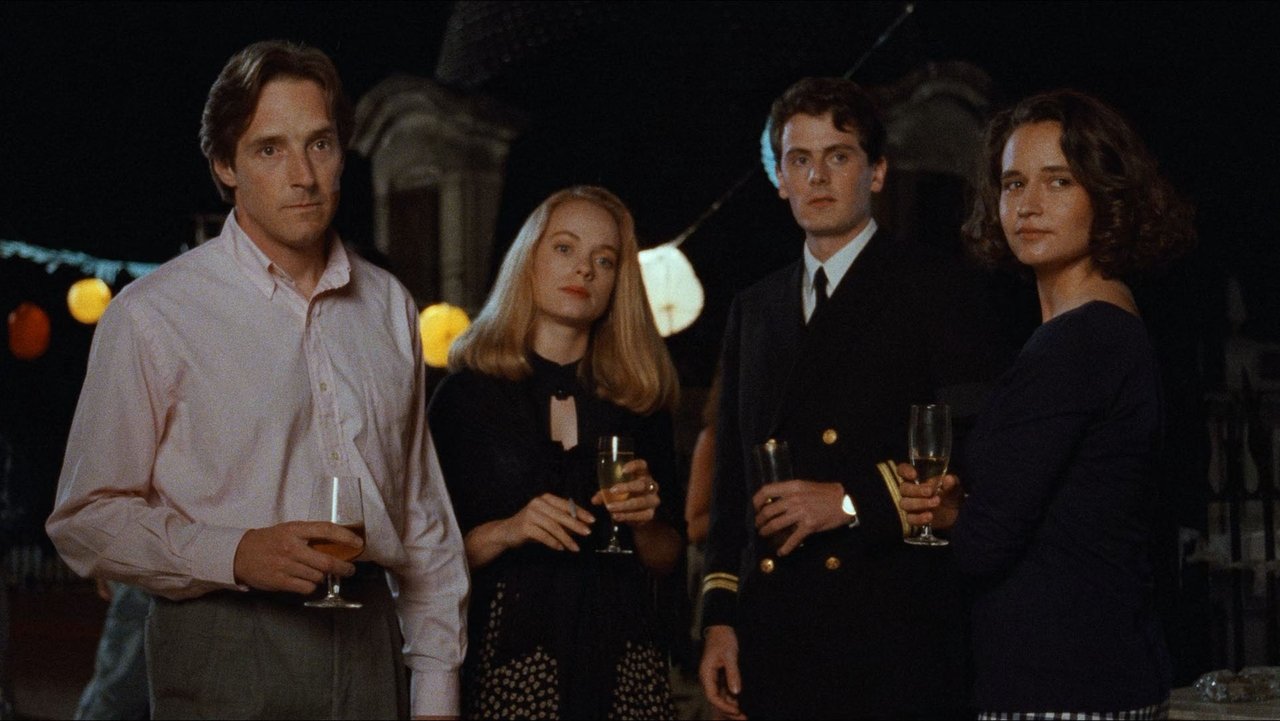
The city isn't just a picturesque backdrop; it’s an active participant. Shot on location, the film captures the specific atmosphere of early 80s Barcelona – the beauty, the energy, but also the simmering anti-American sentiment fueled by Cold War tensions. Ted and Fred’s interactions with the local women, primarily Montserrat (Tushka Bergen) and Marta (Mira Sorvino, in an early, vibrant role), highlight the cultural gulfs and the potential for both connection and profound misunderstanding. There's a low-level hum of political tension throughout, occasionally erupting into moments of genuine danger, reminding us that their witty naval-gazing occurs against a potentially hostile backdrop. Doesn't this underlying tension make their personal dramas feel even more poignant, somehow?
A Modest Gem with Lasting Charm
Produced on a relatively modest budget (around $3.4 million), Barcelona found critical favour (Roger Ebert was notably a fan) and performed respectably at the box office (grossing over $7 million), becoming a staple of the burgeoning indie film scene and a rewarding find at the video store for those seeking something different. It wasn't trying to be a blockbuster; it was content being smart, funny, and observant.
What truly lingers after the credits roll? It's the unique voice, the delicate balance of humour and melancholy. It’s the way Stillman captures the specific awkwardness and absurdity of being young and trying to figure things out, particularly when far from home. The performances, especially Eigeman’s Fred, remain indelible – a character both infuriating and strangely sympathetic. It asks us to consider how we present ourselves to the world, how we navigate cultural differences, and how our relationships shape – and sometimes save – us.
Rating: 8.5/10
Barcelona is a sophisticated, witty, and surprisingly touching comedy-drama that exemplifies the best of 90s independent filmmaking. Its sharp dialogue, perfectly pitched performances, and nuanced exploration of cultural identity feel just as relevant and engaging today. It may not have the explosions or high-concept hook of other VHS-era favourites, but its intelligence and charm offer a different, quieter kind of satisfaction. It’s a film that reminds you how rewarding it can be when cinema trusts its audience to appreciate smart conversation and subtle emotional shifts – a true gem worth rediscovering. What other film captures that peculiar mix of youthful bravado and underlying vulnerability quite like this one?