Okay, pull up a chair, maybe pour yourself something strong. We're venturing slightly past the usual neon glow of the 80s and the grunge-tinged 90s today, but trust me, this one feels right at home in spirit. It’s a film that arrived on the cusp of the new millennium, François Ozon's Water Drops on Burning Rocks (2000) (Gouttes d'eau sur pierres brûlantes), yet it breathes the suffocating air of a much earlier time, specifically the 1970s Germany envisioned by a young, tempestuous playwright named Rainer Werner Fassbinder. Discovering this film felt less like finding a forgotten VHS gem and more like unearthing a time capsule – polished on the outside by Ozon's distinct style, but containing the raw, unsettling heart of its legendary originator.
### A Four-Walled World
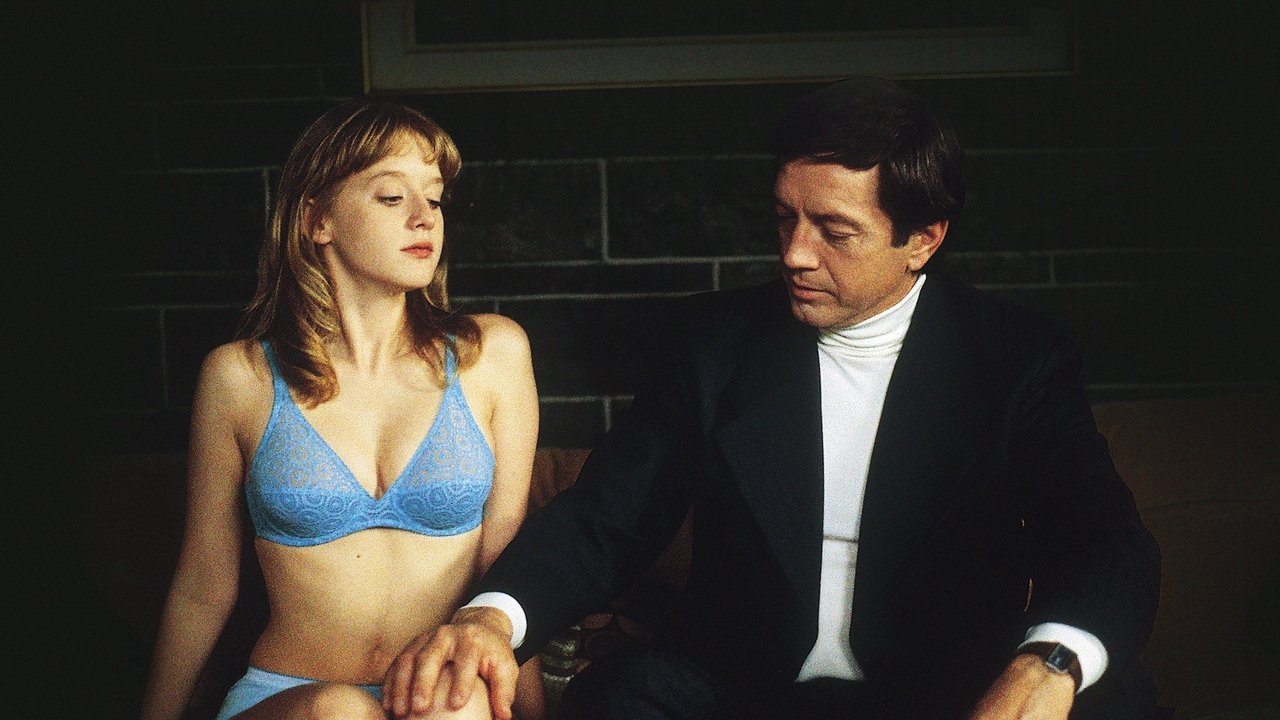
The film opens with a seduction, almost textbook in its predatory calculation. Léopold (Bernard Giraudeau, a commanding presence), a successful businessman in his 50s, invites the young, seemingly naive Franz (Malik Zidi) back to his apartment. What follows isn't a sprawling epic, but an intense, almost entirely single-location chamber piece. The apartment itself becomes a character – meticulously designed with period-perfect, slightly oppressive 70s decor. Think questionable wallpaper patterns, angular furniture, and a colour palette that feels both dated and deliberately artificial. This claustrophobic setting perfectly mirrors the psychological games about to unfold. It’s here, within these four walls, that innocence curdles, power shifts like sand, and relationships become intricate, painful traps.
### The Ghost of Fassbinder
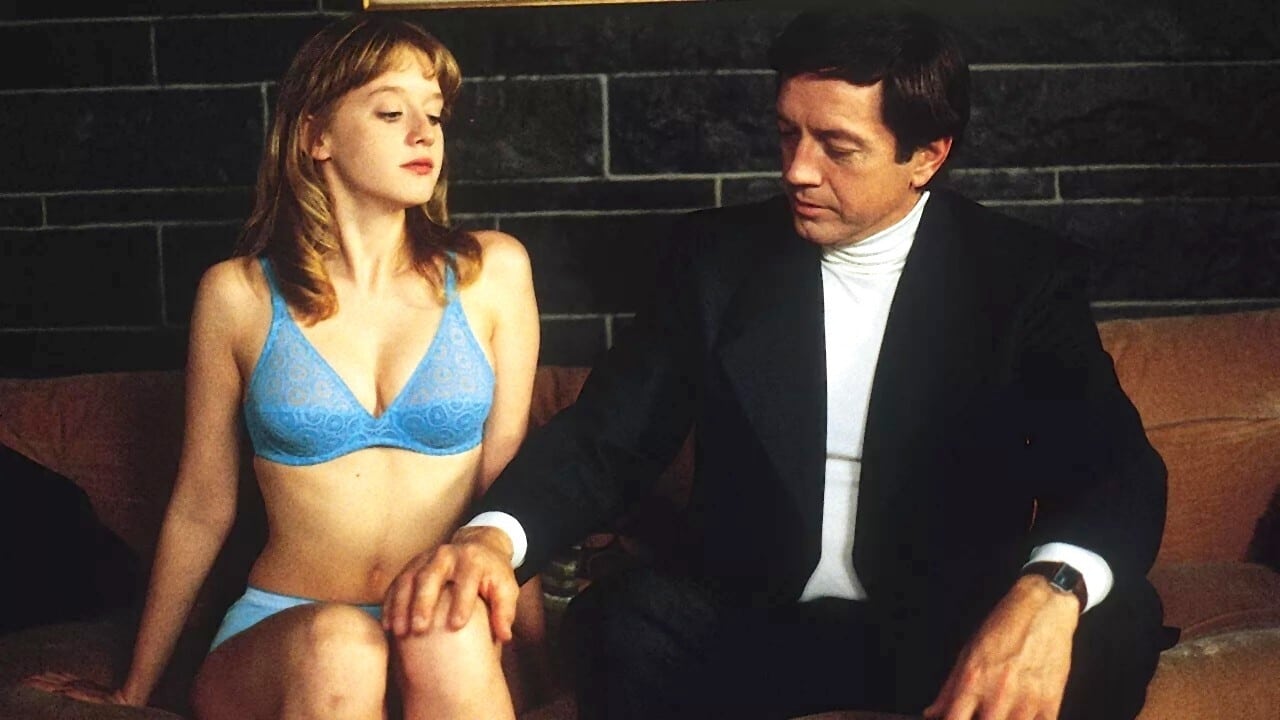
Perhaps the most fascinating "Retro Fun Fact" about Water Drops on Burning Rocks is its origin story. This wasn't an original Ozon script, but his adaptation of a play Fassbinder wrote when he was just nineteen years old, discovered decades later in his archives. Knowing this adds a whole layer of understanding. You can feel the burgeoning cynicism, the fascination with cruel power dynamics, and the exploration of complex sexuality that would define Fassbinder’s prolific and often controversial career (think The Bitter Tears of Petra von Kant or Fox and His Friends). Ozon, known for his own stylish and often provocative films (Swimming Pool, 8 Women), treats the source material with respect, yet filters it through his cleaner, more precise aesthetic. He doesn't mimic Fassbinder; rather, he interprets him, creating something that feels both like a tribute and a distinctly Ozonian creation. It's a fascinating dialogue across decades between two unique cinematic voices.
### A Dance of Dominance and Despair
The core of the film lies in the interactions between its four characters. Giraudeau is chillingly effective as Léopold, radiating a manipulative charm that barely conceals a deep-seated emptiness. He toys with Franz, moulding him, controlling him. Malik Zidi portrays Franz's journey from wide-eyed infatuation to bitter disillusionment with aching vulnerability. His initial pliability hardens into something resentful, yet ultimately trapped. The dynamic becomes even more complicated with the arrival of Franz's jilted girlfriend, Anna (Anna Thomson, bringing a fragile hopefulness that's quickly snuffed out), and later, Léopold's former lover, Vera (Ludivine Sagnier, radiating a brittle, almost desperate vivacity).

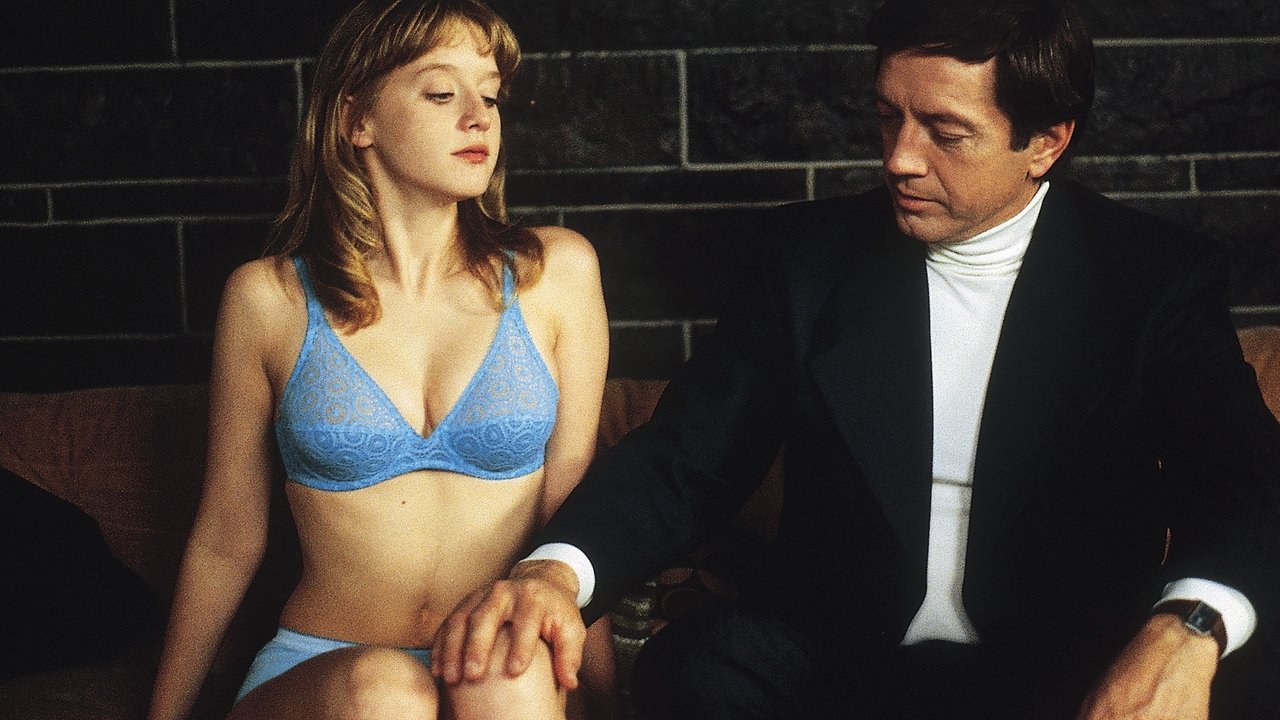
The performances are key here. They feel truthful even within the heightened, theatrical reality Ozon creates. There's a painful honesty in their interactions, the small cruelties, the moments of unexpected tenderness that quickly sour. It’s not always comfortable viewing – these characters inflict emotional wounds with surgical precision. What makes it compelling is watching how power operates in these intimate spaces. Who holds it? How is it wielded? And what happens when the dominated finally pushes back, or simply breaks?
One particularly memorable, almost surreal sequence involves the characters performing a choreographed dance to Françoise Hardy's "Träume". It's a moment of bizarre levity that somehow underscores the artificiality and underlying tension of their relationships, a brief, strange interlude before the inevitable return to bleak reality.
### Style as Substance
Ozon's direction is meticulous. The camera often observes with a cool detachment, framing the characters within the confines of the apartment, emphasizing their entrapment. The pacing is deliberate, allowing the silences and unspoken tensions to weigh heavily. Yet, there are flourishes – the aforementioned dance sequence, the use of mirrors, the careful deployment of music – that remind you this is a constructed piece, a stage play translated to screen with cinematic intelligence. The production design isn't just background; it’s integral to the film's oppressive, slightly suffocating mood. It perfectly captures a specific 70s aesthetic that feels simultaneously nostalgic and deeply unsettling.
### Lingering Questions
While Water Drops on Burning Rocks might have missed the main VHS wave, its themes feel timelessly relevant. The exploration of manipulation in relationships, the corrosive nature of power imbalances, the search for connection in a world that often feels isolating – doesn't this still resonate? It’s a film that doesn't offer easy answers or comforting resolutions. It presents a scenario, dissects it with unflinching honesty, and leaves you contemplating the often messy, sometimes cruel, complexities of human desire and connection. It forces us to ask: how much have these dynamics really changed?
Rating: 8/10
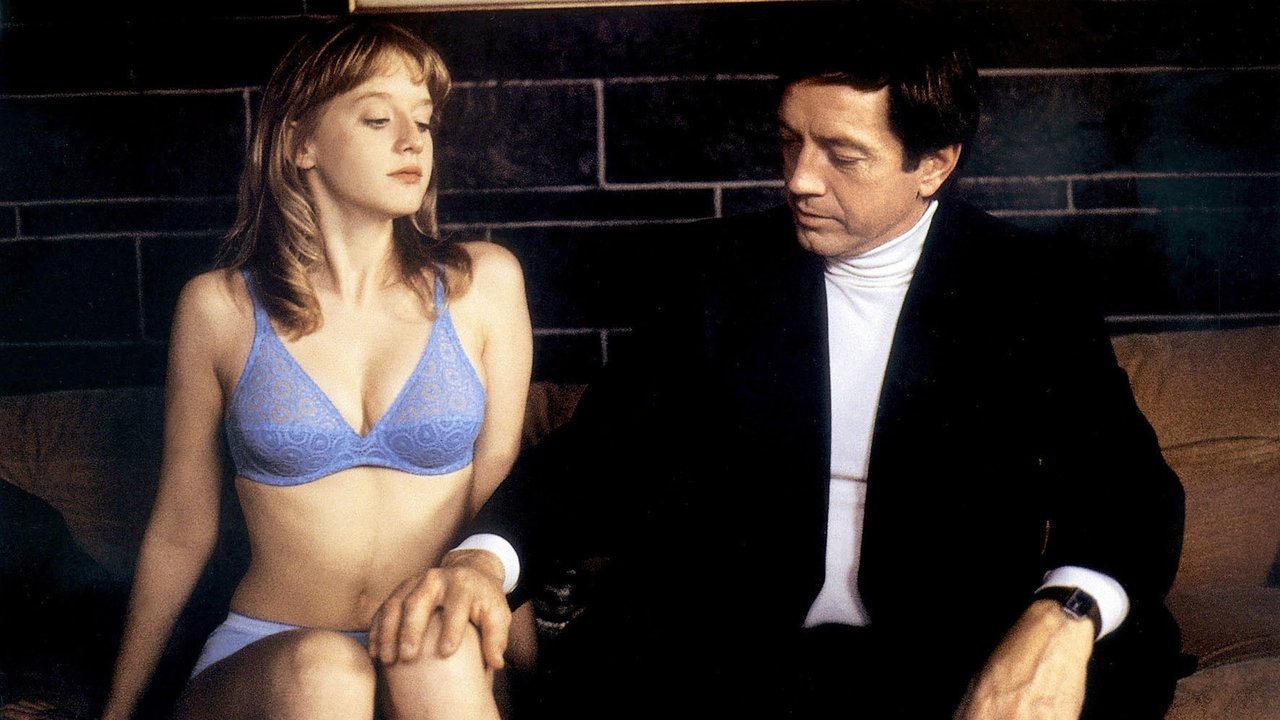
This score reflects the film's potent atmosphere, sharp performances, and intelligent handling of challenging material. It’s a meticulously crafted piece that achieves exactly what it sets out to do, creating an unsettling and memorable experience. The Fassbinder connection adds significant depth and historical context, making it a fascinating watch for cinephiles. It loses a couple of points perhaps for its bleakness, which might not appeal to everyone, and its inherently theatrical nature, which occasionally feels a touch stage-bound despite Ozon's cinematic flair. It's not a casual watch, but a rewarding one for those prepared for its intensity.
Water Drops on Burning Rocks is a potent cocktail – a shot of youthful Fassbinder cynicism filtered through Ozon's cool, controlled lens. It lingers long after the credits roll, a stark reminder of the burning friction that can arise when disparate souls collide.