It hits you not like a story, but like a feeling – a neon-drenched, rain-slicked, melancholic yet hopeful rush. Watching Chungking Express (1994) again, decades after first sliding that tape into the VCR, perhaps rented on a whim thanks to a certain Quentin Tarantino's enthusiastic seal of approval, is to be instantly submerged in the vibrant, lonely heart of mid-90s Hong Kong. It’s less a narrative and more a sensory immersion, a film that captures the fleeting beauty and inherent sadness of near-misses and unexpected connections in the urban sprawl.
City of Transient Dreams
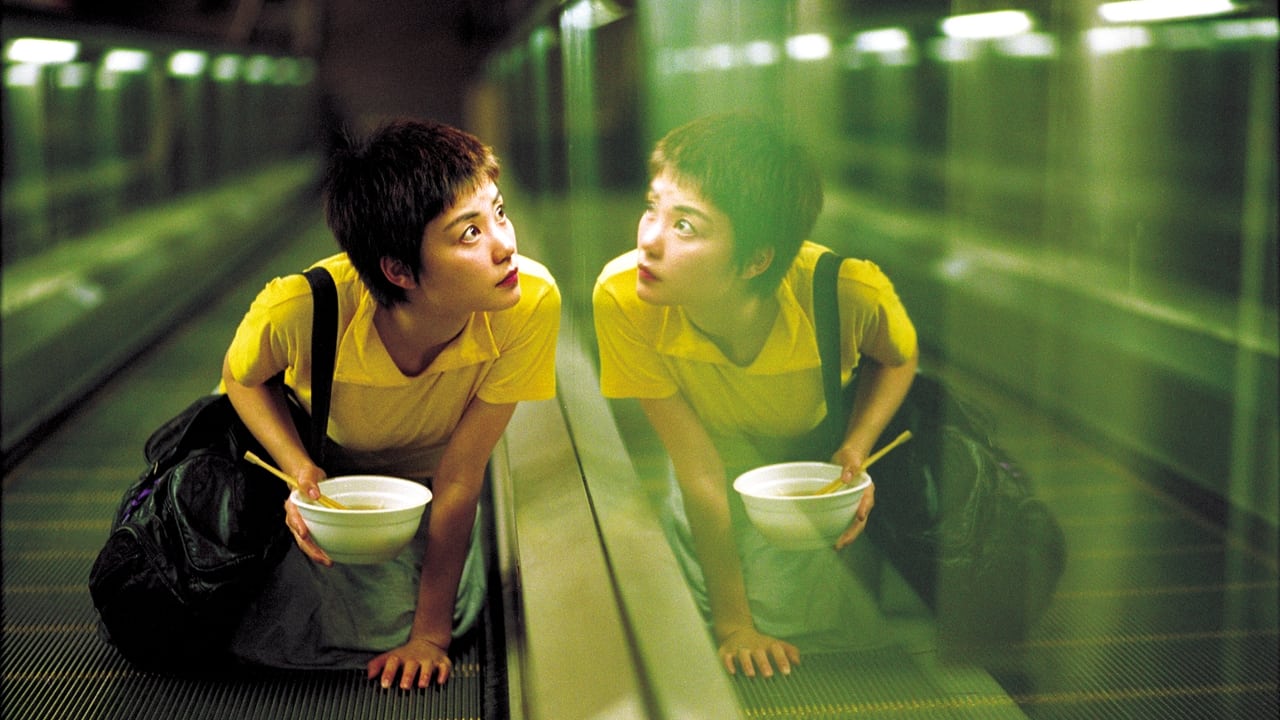
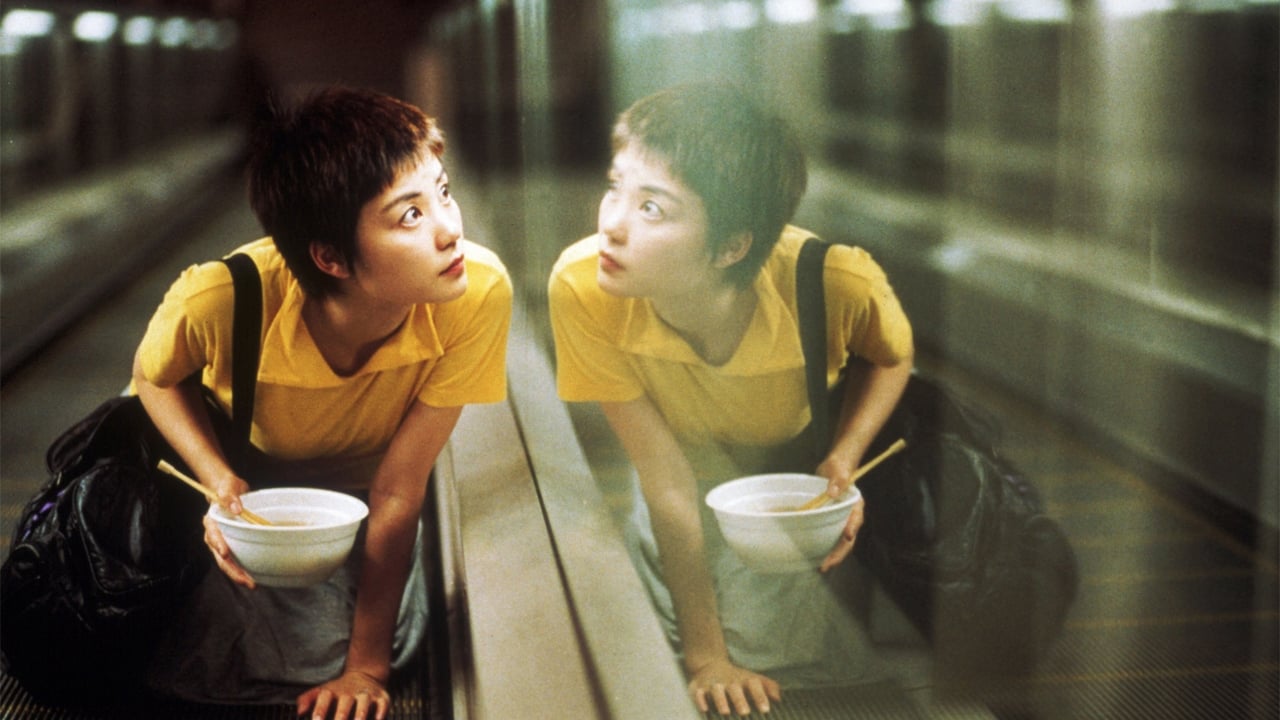
Director Wong Kar-wai, taking an unexpected creative detour during a lengthy post-production on his wuxia epic Ashes of Time (1994), crafted something truly special here. Shot with a raw, kinetic energy by cinematographer Christopher Doyle, the film pulses with the life of its setting. The titular Chungking Mansions, a labyrinthine building known for its budget guesthouses and diverse populace, feels both claustrophobic and teeming with possibility in the first story. Later, the Midnight Express takeaway counter becomes an anchor point, a small stage for dramas playing out under fluorescent lights. Doyle's signature style – the handheld immediacy, the step-printed slow motion that makes moments stretch and blur, the saturated colours bleeding into the night – isn't just aesthetic flair; it is the film's emotional language, conveying the dizzying speed of modern life and the internal slowdown of heartbreak.
Two Tales of Lonely Hearts
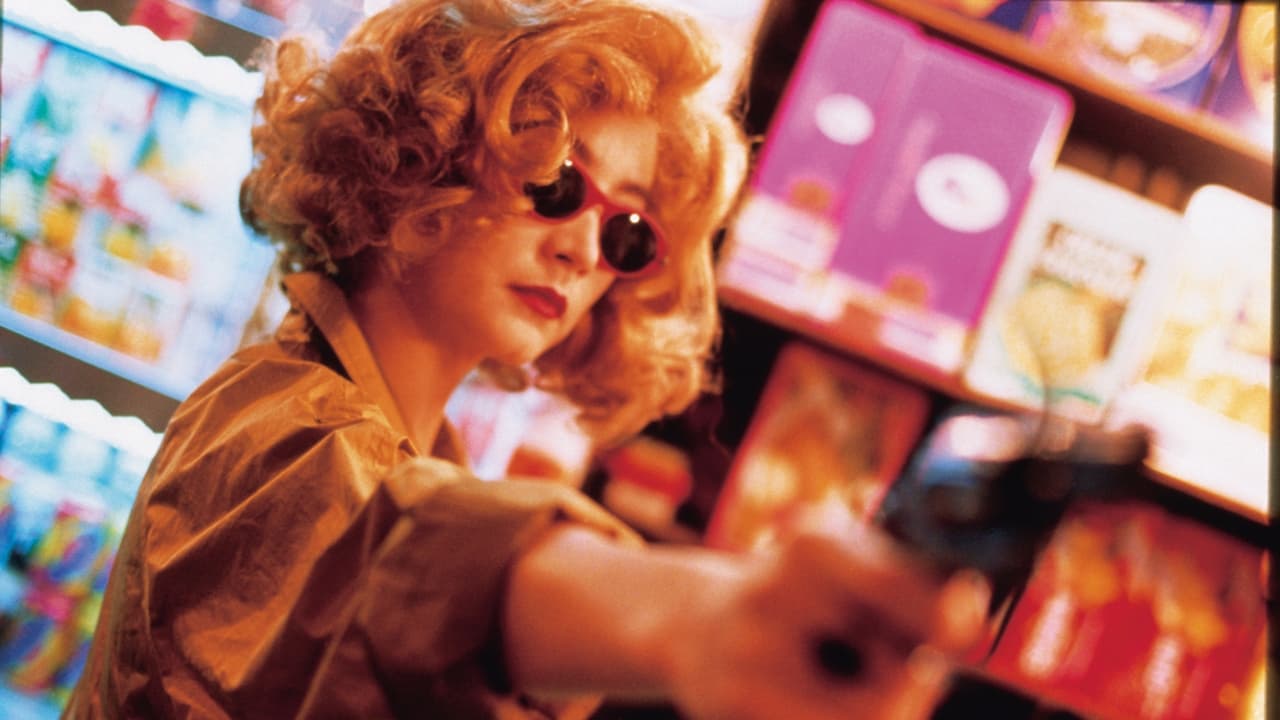
The film famously presents two distinct, loosely connected vignettes about lovelorn policemen. First, we follow Cop 223, played with a charmingly boyish vulnerability by Takeshi Kaneshiro. His obsessive ritual involving pineapple tins expiring on May 1st – the date his relationship ended and also his birthday – is such a perfectly poignant, slightly absurd metaphor for clinging to hope past its sell-by date. His path crosses with a mysterious woman in a blonde wig and sunglasses (Brigitte Lin, in a fascinatingly detached performance far removed from her usual screen persona), a drug smuggler navigating her own treacherous situation. Their encounter is brief, almost dreamlike, underscoring the film's theme of transient connections in an indifferent city.
Then, the film seamlessly shifts focus to Cop 663 (Tony Leung Chiu-wai, already a frequent Wong collaborator and master of conveying oceans of emotion with the slightest glance). Numbed by a recent breakup, he drifts through his days, even talking to his apartment furnishings as if they too feel the loss. It's Leung's quiet devastation that grounds this segment. But then enters Faye (Faye Wong, the Cantopop superstar in a truly iconic, star-making film debut). Working at the Midnight Express snack bar her cousin owns, she develops a secret crush on Cop 663. Her method of expressing it – sneaking into his apartment to clean, redecorate, and subtly alter his environment while The Mamas & the Papas' "California Dreamin'" blasts – is utterly unique, a whimsical counterpoint to the surrounding melancholy. Faye Wong's performance is pure, effervescent charm; she’s like a pixie sprite injecting light and quirky energy into the policeman’s gloomy world.
Lightning in a Bottle: Making the Express
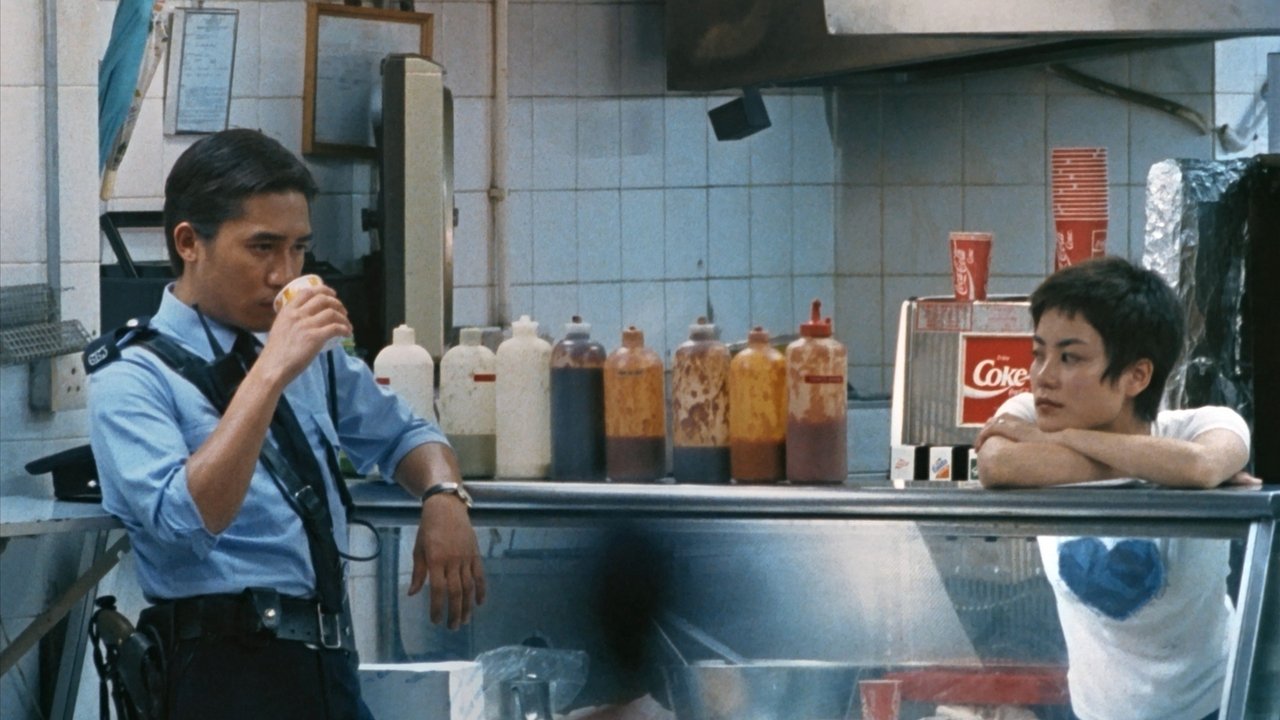
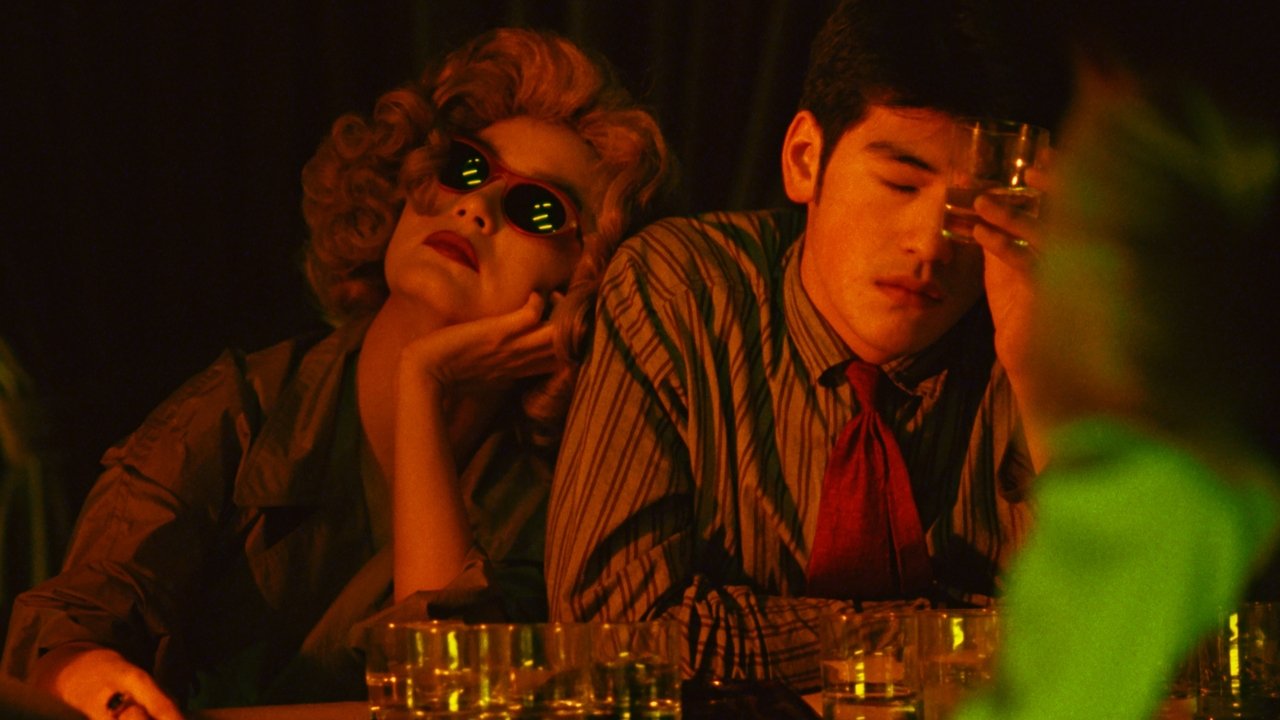
The story behind Chungking Express is almost as compelling as the film itself. Frustrated by the delays on Ashes of Time, Wong Kar-wai decided to make a quick, smaller film to clear his head. He essentially wrote the script on the fly, often devising scenes mere hours before shooting. The entire film was shot in just 23 days, mostly guerrilla-style on location, capturing the authentic feel of Tsim Sha Tsui. Apparently, Wong wrote the first story (Kaneshiro/Lin) primarily at night, then switched to writing the second story (Leung/Wong) during the day while filming the first. That frenetic energy is palpable on screen. Even Faye Wong's apartment in the film wasn't a set; it was actually Christopher Doyle's own place, adding another layer to the film's spontaneous, lived-in feel. This wasn't a big-budget affair, but a burst of pure creativity born from constraint, proving that sometimes limitations breed brilliance. Its arrival in the West, championed by Quentin Tarantino's Rolling Thunder Pictures distribution label, felt like discovering a secret handshake for film lovers browsing the "World Cinema" aisle at the video store – a vibrant alternative to Hollywood fare.
The Music of Memory
You can't talk about Chungking Express without mentioning its soundtrack. The recurring motif of "California Dreamin'" isn't just background music; it's Faye's anthem, her escape fantasy, blasted at full volume as she subtly invades Cop 663's life. It becomes inextricably linked with her character's hopeful yearning. Similarly, Faye Wong's own Cantonese cover of The Cranberries' "Dreams" perfectly captures the film's blend of ethereal romance and fleeting moments. The music, like the visuals, seeps into your consciousness, becoming part of the film's indelible atmosphere.
Why It Stays With You
What makes Chungking Express endure? It’s not just the undeniable style or the captivating performances. It’s the way it taps into universal feelings of loneliness, the ache of lost love, and the tentative hope of new connections, all filtered through a specific time and place. It asks gentle questions: How do we cope when things expire? Can we find intimacy amidst the urban chaos? Does proximity equal connection? The film doesn't offer easy answers, but revels in the bittersweet beauty of the questions themselves. It’s a reminder that even in a world moving at breakneck speed, moments of quiet understanding and unexpected affection can bloom in the most unlikely places. It perfectly captures that late-night feeling, the contemplative mood after the city quiets down, wondering about the lives brushing past your own.
Rating: 9/10
This score reflects the film's sheer originality, its breathtaking visual style that redefined Hong Kong cinema for many Western viewers, and its perfectly pitched performances, especially the star-making turn from Faye Wong and the soulful depth of Tony Leung. The innovative, almost accidental structure and the resonant themes of connection and loneliness in a modern world, coupled with its incredible production backstory and lasting cult influence, make it a near-perfect gem. It avoids a perfect 10 only because its bifurcated structure, while intentional and effective, might leave some viewers wishing for slightly more overlap or a more conventional through-line.
Chungking Express remains a vibrant, intoxicating cocktail of mood, style, and emotion – a cinematic dream you’ll be happy to get lost in again and again, especially when that opening Cantonese narration kicks in over the blurry city lights. It’s more than just a film; it’s an experience that lingers long after the credits roll.