What happens when a fish dreams? Does it dream of flying? It’s a question that drifts through Emir Kusturica’s sprawling, surreal 1993 ode to misplaced hopes and fractured realities, Arizona Dream. This isn't a film you simply watch; it’s one you absorb, like a strange, vivid dream that lingers long after waking. Landing in the US cinematic landscape nearly two years after winning the Silver Bear at the Berlin Film Festival, it felt like a dispatch from another dimension, particularly when pulled from the "New Releases" wall at the local video store, nestled between more conventional Hollywood fare.
An Oddball Homecoming
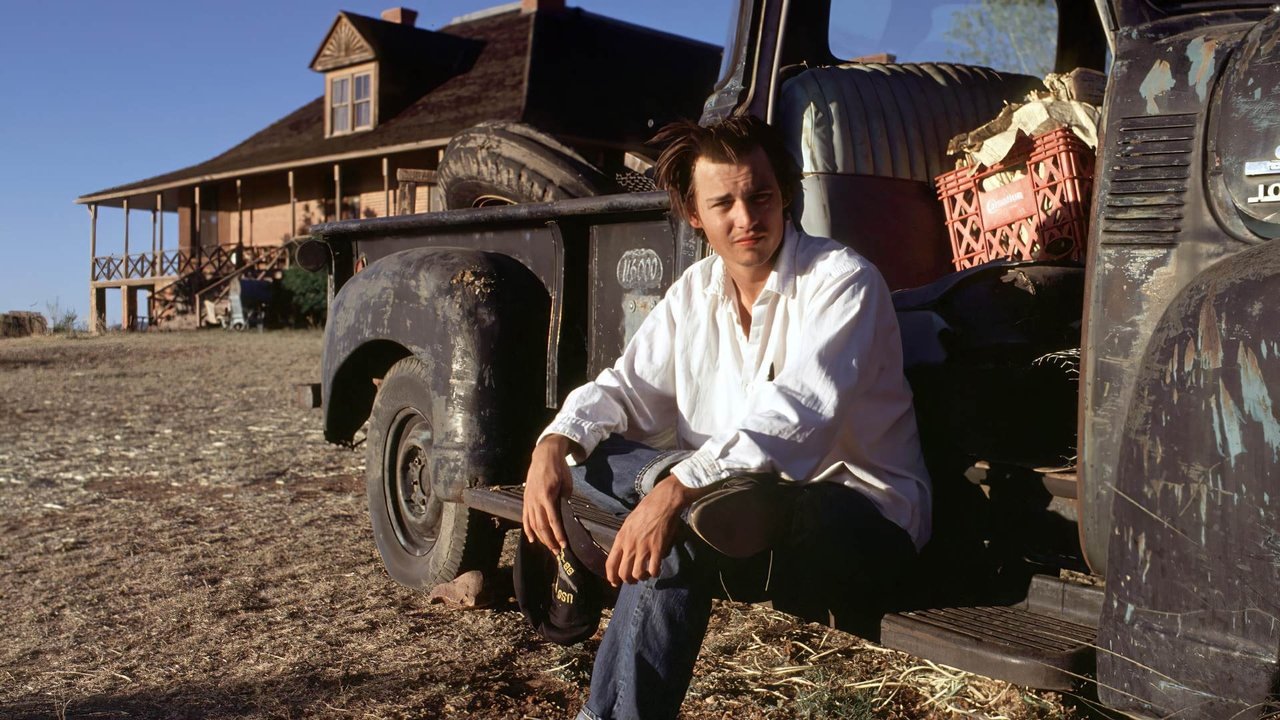
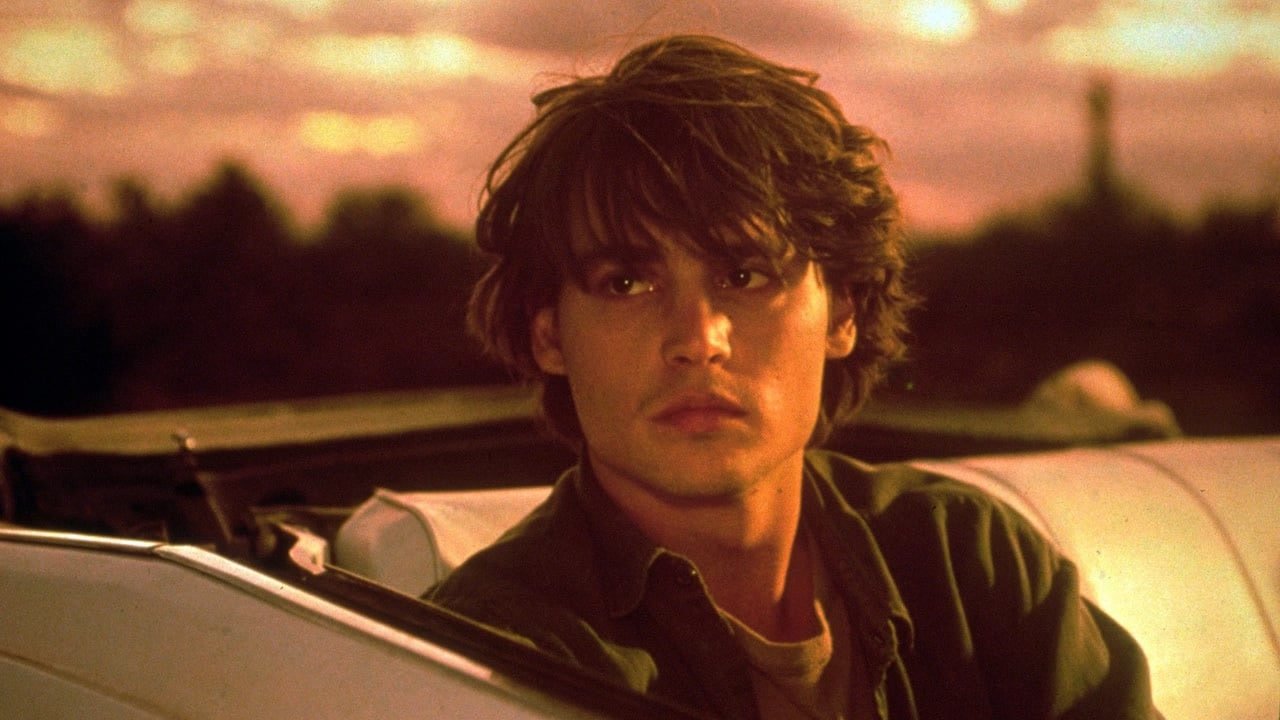
The premise seems simple enough: Axel Blackmar (Johnny Depp, already radiating that uniquely sensitive star quality post-Edward Scissorhands), who spends his days tagging fish in the waters off New York City, is lured back to his Arizona hometown by his hyperactive cousin Paul (Vincent Gallo, brimming with manic energy). The mission? To be the best man at the wedding of his charismatic Uncle Leo (Jerry Lewis), a Cadillac salesman with an infectious optimism and a much younger fiancée. But this simple family reunion quickly dissolves into a vortex of bizarre encounters and tangled desires, primarily revolving around two captivatingly damaged women: the seductive widow Elaine Stalker (Faye Dunaway, magnificent and tragically hopeful) and her brooding, suicidal stepdaughter Grace (Lili Taylor, raw and unforgettable).
Axel, our somewhat passive guide, finds himself swept into their eccentric orbits. Elaine dreams of building a flying machine, a tangible manifestation of her yearning for escape. Grace, obsessed with reincarnation and turtles, plays Russian Roulette and harbors a quiet, simmering intensity. Uncle Leo just wants everyone to be happy, selling the American Dream one shiny Cadillac at a time, even as his own heart begins to fail him. Kusturica, the celebrated Serbian director known for the vibrant chaos of films like Time of the Gypsies (1988), paints this American landscape with his distinctively European brush, finding magic, melancholy, and absurdity under the vast Arizona sky.
Dreams Deferred, Production Periled
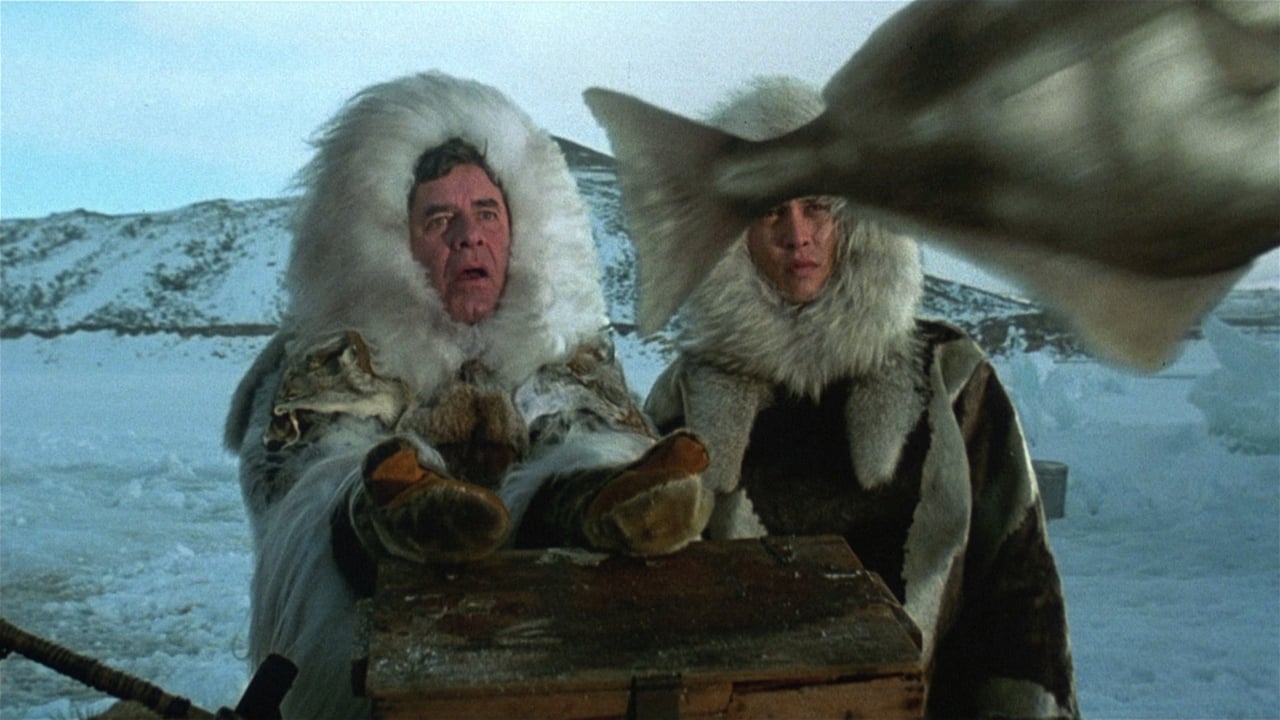
The film itself mirrors the chaotic energy of its characters' lives. Arizona Dream had a notoriously troubled production. Kusturica, making his American debut, reportedly clashed with producers over the film's sprawling length and unconventional narrative. The original European cut runs a languid 142 minutes, while the version most of us likely encountered on VHS clocked in around 119 minutes, significantly altering the film's rhythm and depth. This behind-the-scenes tension somehow feels baked into the final product – a sense of precariousness, of beautiful ideas struggling against practical limitations. Filmed primarily around Douglas, Arizona, with interludes in Alaska, the production stretched on, reportedly causing budget headaches. Yet, Kusturica, ever the cinematic conjurer, managed to capture moments of pure, untethered visual poetry amidst the reported turmoil, crafting images – like that unforgettable flounder floating through the air – that lodge themselves firmly in the memory.
Performances That Resonate
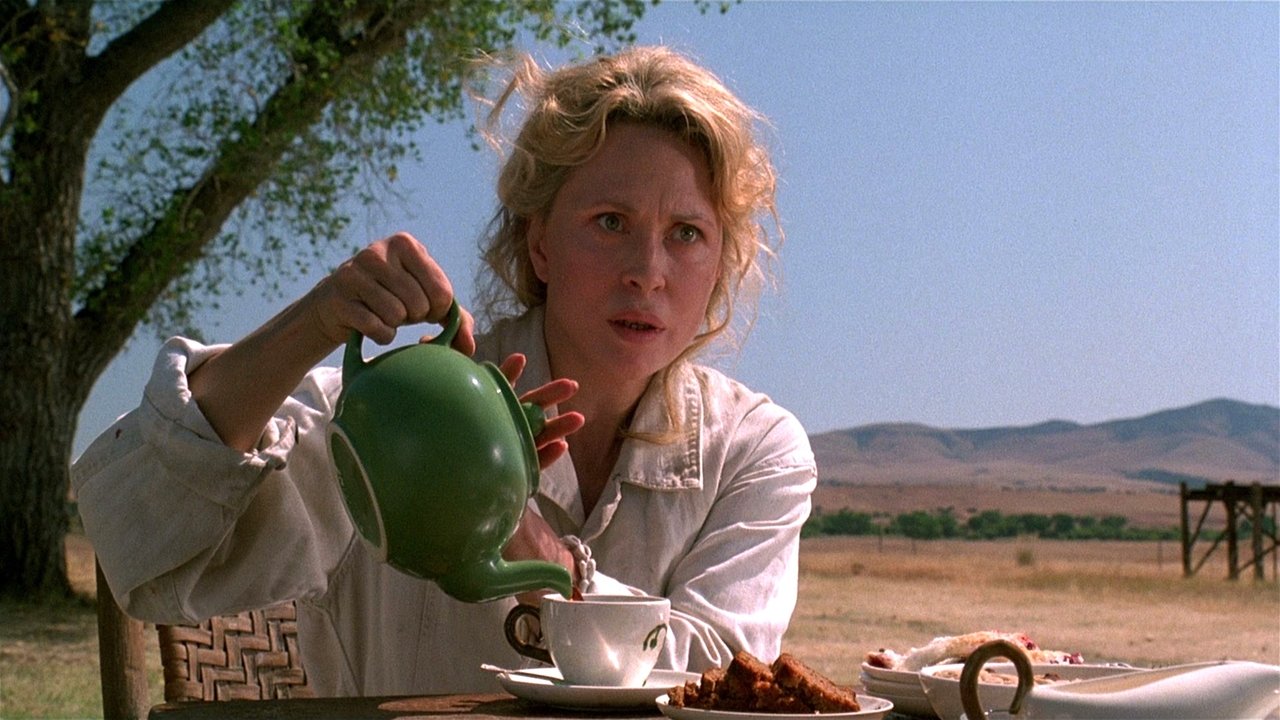
What truly anchors this whimsical, often melancholic journey are the performances. Depp is perfectly cast as Axel, the wide-eyed dreamer adrift in a sea of bigger, louder dreamers. He serves as our anchor, his quiet reactions grounding the surrounding eccentricity. But the veterans truly shine. Faye Dunaway embodies Elaine's desperate glamour with heartbreaking vulnerability. You believe entirely in her conviction that she can conquer gravity, just as you feel the weight of her past disappointments.
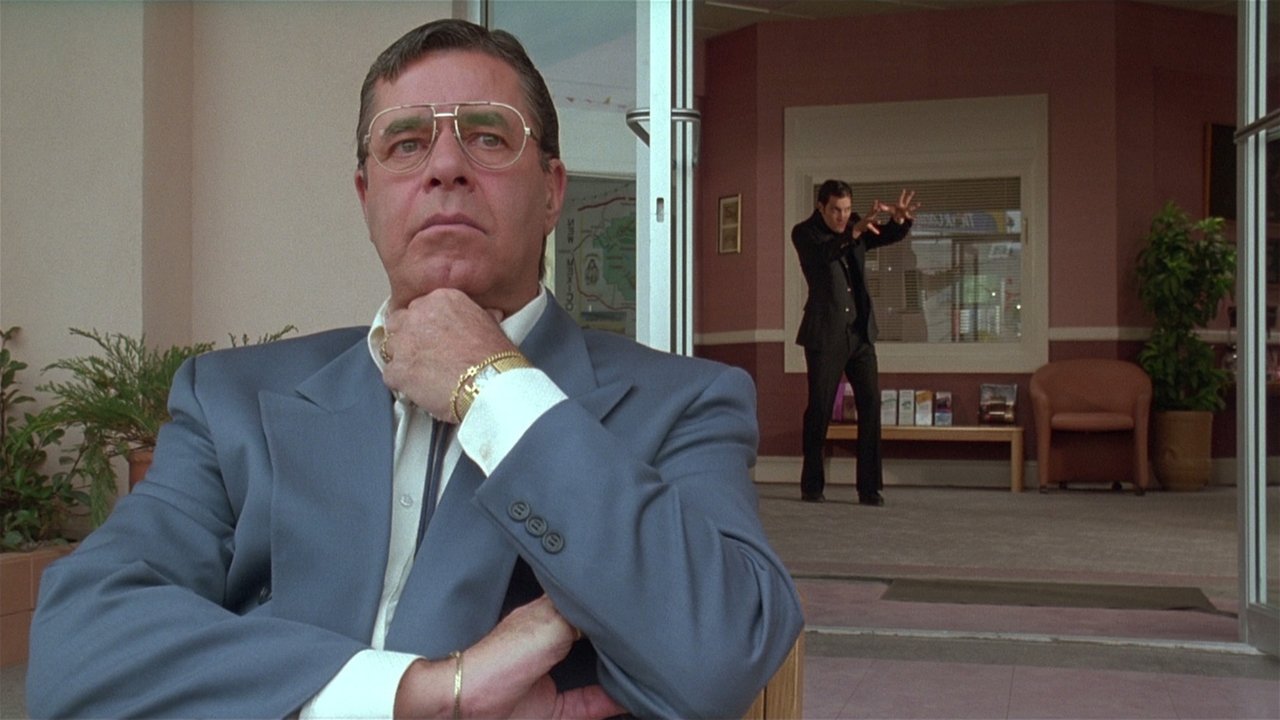
And then there's Jerry Lewis. Known globally for decades as a master of slapstick, his portrayal of Leo is a revelation. It's a performance brimming with warmth, charm, and a deep undercurrent of sadness. Kusturica, seeking a specific kind of grounded pathos, reportedly screened The Godfather Part II for Lewis to help him tap into that dramatic register. The result is extraordinary – Leo's relentless optimism feels both genuine and fragile, making his eventual fate all the more poignant. It's a masterful dramatic turn that reminds us of the depth Lewis possessed beyond the physical comedy. Alongside them, Lili Taylor delivers a fiercely committed performance as Grace, navigating complex emotional terrain with unnerving conviction. Her obsession with turtles and mortality provides some of the film's most haunting and oddly beautiful moments.
The Texture of Dreams and Fish
More than plot, Arizona Dream is about atmosphere, symbolism, and feeling. Fish swim where they shouldn't, characters quote films endlessly (Paul's Hitchcock obsession is a running gag), and conversations drift from the profound to the mundane with effortless grace. Goran Bregović's iconic score, blending Balkan folk influences with a haunting, dreamlike quality (featuring vocals by the inimitable Iggy Pop on several tracks), is inseparable from the film's identity. It captures the blend of joy, absurdity, and sorrow that permeates Kusturica's vision. The recurring motif of the fish – tagged, swimming free, even flying – seems to represent the elusive nature of dreams, life, and perhaps Axel himself, trying to navigate the unpredictable currents of existence. What does it mean to pursue a dream, especially one as seemingly impossible as flying or finding true connection in a disconnected world? The film doesn't offer easy answers, preferring instead to let the questions hang in the air, much like Elaine's fantastical contraptions.
Remember sliding that tape into the VCR, maybe drawn by Depp's face or the promise of Dunaway and Lewis sharing the screen? What unfolded was likely far stranger, more challenging, and ultimately more rewarding than expected. It wasn't a typical 90s Hollywood product; it was something rarer – a deeply personal, idiosyncratic vision allowed (albeit with struggles) to bloom. It’s the kind of film that might have bewildered some upon first viewing but burrowed its way into the subconscious of others, becoming a cherished cult classic – an "underrated 90s movie" whispered about among film fans.
Rating: 8/10
Arizona Dream is undeniably flawed, occasionally meandering, and its narrative threads don't always tie up neatly – much like life itself. Its unconventional structure and surrealism demand patience. However, its bold originality, stunning performances (especially Lewis's career-redefining turn), haunting atmosphere, and profound emotional undercurrents make it a singular and unforgettable experience. The film earns its 8 for sheer audacity, visual poetry, and the genuine heart beating beneath its eccentric surface. It captures the feeling of being alive – messy, beautiful, tragic, and capable of brief, breathtaking flights of fancy.
What lingers most powerfully after the credits roll isn't a specific plot point, but the pervasive feeling – a bittersweet ache for dreams pursued, loves lost, and the strange, beautiful absurdity of it all. It leaves you pondering the fish, the flight, and the fragile space between where we are and where we long to be.