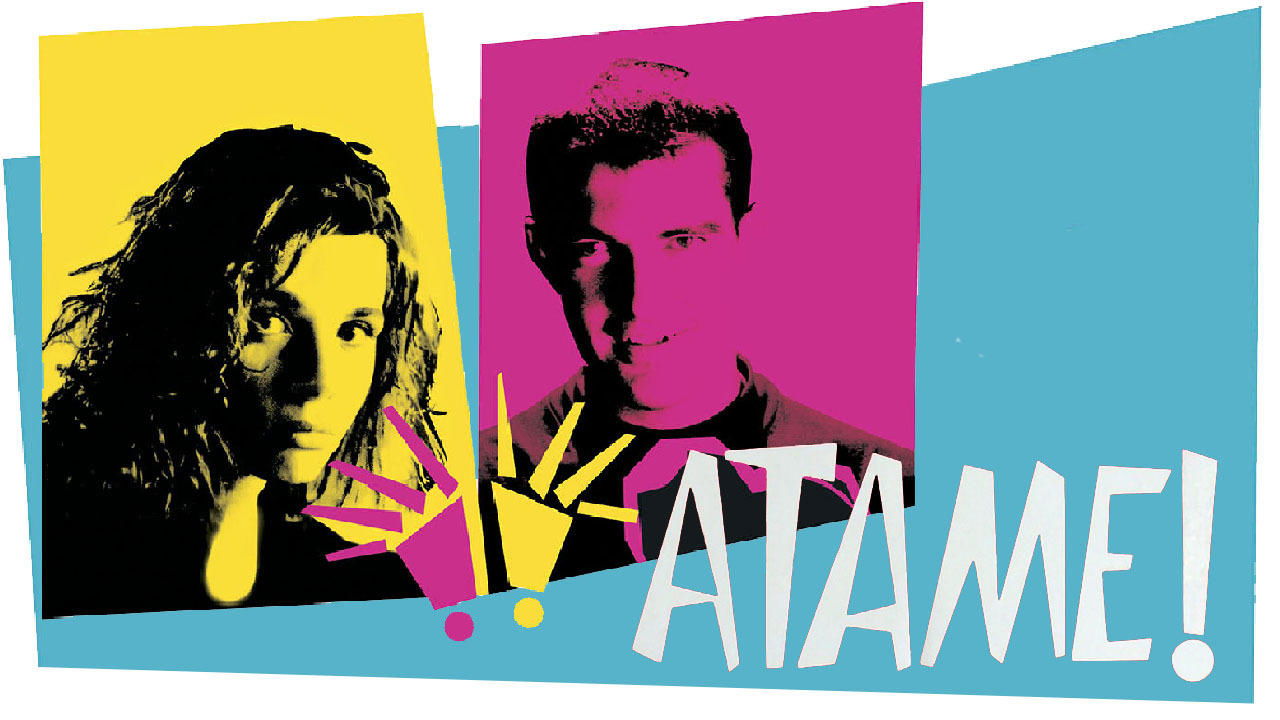
Alright, settle in, dim the lights, maybe crack open a Tab if you can still find one. Tonight, we're sliding a tape into the VCR that definitely caused a stir back in the day, maybe even earned a few hushed whispers at the rental counter. We're talking about Pedro Almodóvar’s audacious, vibrant, and utterly unforgettable ¡Átame! – or as we knew it on this side of the pond, Tie Me Up! Tie Me Down! (1990). This wasn't your standard Friday night action fare; this was something else entirely, a blast of Spanish colour and controversy that landed on shelves like a beautiful, perplexing hand grenade.
### Not Your Average Romance
Forget meet-cutes and strolls in the park. Tie Me Up! Tie Me Down! kicks off with Ricky (Antonio Banderas, impossibly young and magnetic) being released from a psychiatric hospital. His first order of business? Track down Marina (Victoria Abril, captivating), a former porn actress and B-movie horror star he had a brief encounter with once. His plan, delivered with unnerving sincerity, is simple: kidnap her, make her fall in love with him, marry her, and father her children. Yes, you read that right. What follows is a darkly comedic, intensely colourful, and deeply unsettling exploration of obsession, desire, and the strangest paths to connection imaginable.
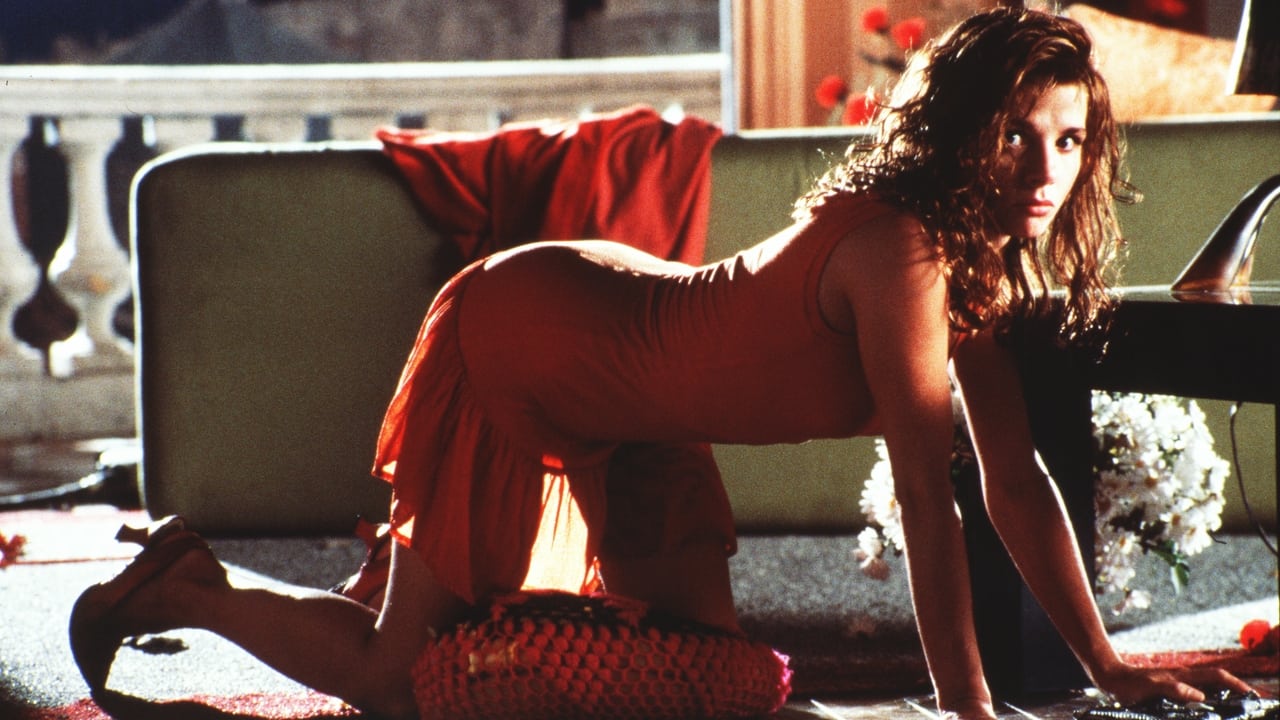
Pedro Almodóvar, already a celebrated auteur in Spain off the back of hits like Women on the Verge of a Nervous Breakdown (1988), brings his signature maximalist style. Every frame pops with bold primary colours, the sets are meticulously designed, and the melodrama is dialed up to eleven, yet somehow undercut with moments of surprising tenderness and bizarre humour. This isn't gritty realism; it's a heightened, almost operatic reality where extreme actions mask vulnerable, searching souls.

### Sparks Fly, Controversy Ignites
The chemistry between Banderas and Abril is undeniable, even within the disturbing context of their characters' relationship. Banderas, in one of the roles that truly launched his international career, portrays Ricky not as a simple monster, but as a damaged individual with a warped, almost childlike view of love and commitment. Abril matches him beat for beat, navigating Marina’s journey from terror and outrage to a complex, unsettling form of understanding and, perhaps, affection. It’s a testament to both actors and Almodóvar that you remain glued to their interactions, even when deeply uncomfortable.
Now, let’s talk about the elephant in the room – or rather, the letter on the box. This film famously landed with a thud in the US ratings system, slapped with the dreaded X rating by the MPAA. This wasn't the pornographic X, but the one reserved for extreme content, effectively barring it from mainstream cinemas and video stores. Retro Fun Fact: Miramax, the film's US distributor, and Almodóvar actually sued the MPAA over the rating, arguing it unfairly lumped artistic, adult-themed films with hardcore pornography. While they lost the lawsuit, the ensuing outcry was a major catalyst for the creation of the NC-17 rating later that same year, intended as a non-pornographic classification for mature films. Finding this on VHS often felt like uncovering forbidden fruit!

### The Almodóvar Aesthetic
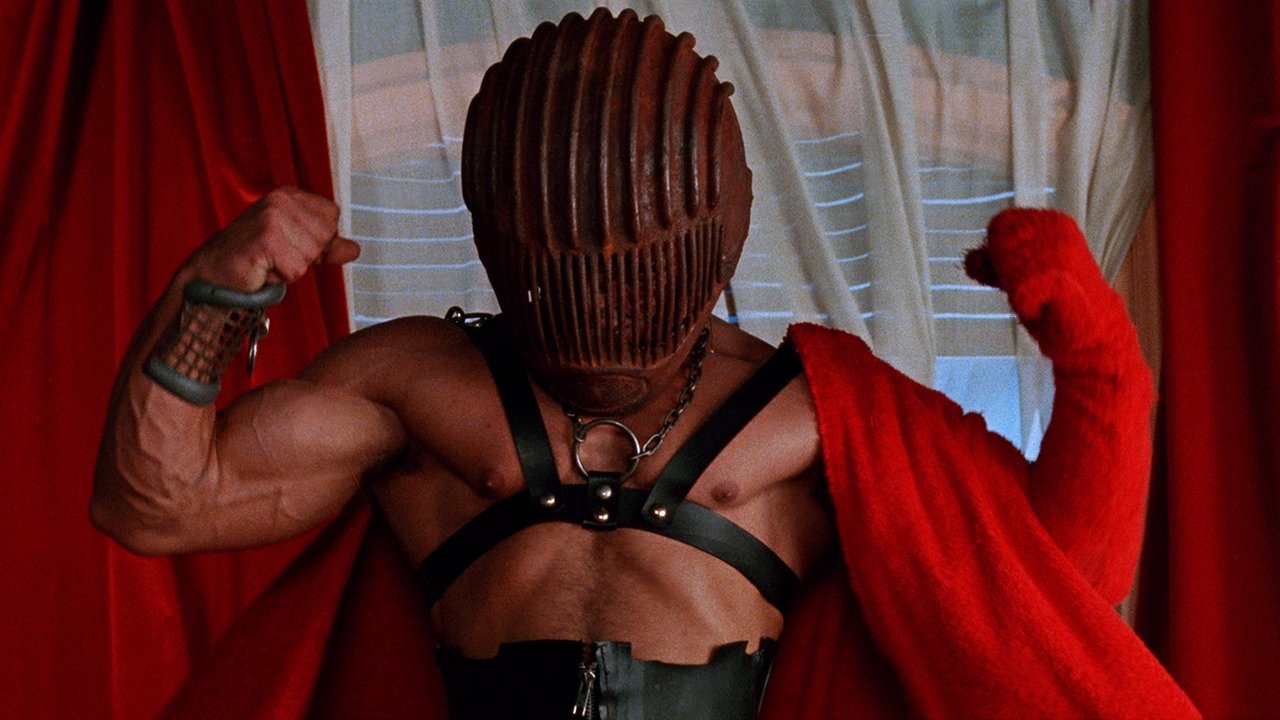
Beyond the central duo and the controversy, the film is pure Almodóvar. Look out for his regular collaborator Loles León as Marina’s sister Lola, adding another layer of quirky energy. The film-within-a-film sequences, featuring Marina starring in a schlocky horror flick directed by a delightfully jaded filmmaker (Francisco Rabal), provide brilliant moments of satire and visual flair. And the score! It features work by the legendary Ennio Morricone, adding a sweeping, sometimes ironically romantic, layer to the proceedings.
This isn't a film about practical effects in the typical sense – no exploding squibs or car chases here. But the filmmaking feels incredibly direct and 'practical' in its own way. The emotions are raw, the colours are tangible, the bizarre situations are presented without apology. It’s a far cry from the slick, often sanitized feel of many modern films dealing with complex themes. Almodóvar confronts the audience directly with his vision, unsettling as it may be. Retro Fun Fact: Much of the film was shot on location in Madrid, grounding its hyper-stylized reality in tangible spaces, which somehow makes the oddball story even more compelling.
### Uncomfortable, Unforgettable
Tie Me Up! Tie Me Down! is definitely not for everyone. Its exploration of Stockholm Syndrome and the blurring lines between captivity and affection remains provocative and requires a critical eye. It’s a film that demands discussion, dissection, maybe even an argument or two. But viewed through the lens of Almodóvar's unique cinematic language, it's also a strangely beautiful, darkly funny, and powerfully acted piece about desperate people seeking connection in the most unconventional ways imaginable. It doesn't flinch, and it certainly doesn't compromise.
Rating: 8/10
Justification: While the central premise is inherently problematic and guaranteed to make viewers uncomfortable, the film is a masterclass in directorial style, features powerhouse performances from Banderas and Abril, and possesses a unique, unforgettable energy. Its historical significance in the ratings debate adds another layer of interest. It succeeds brilliantly on its own challenging terms, even if those terms aren't universally palatable.
Final Word: A Molotov cocktail of passion, perversity, and vibrant colour, Tie Me Up! Tie Me Down! is a prime example of the kind of challenging, auteur-driven cinema that sometimes snuck onto VHS shelves, daring you to press play. Still potent, still provocative.