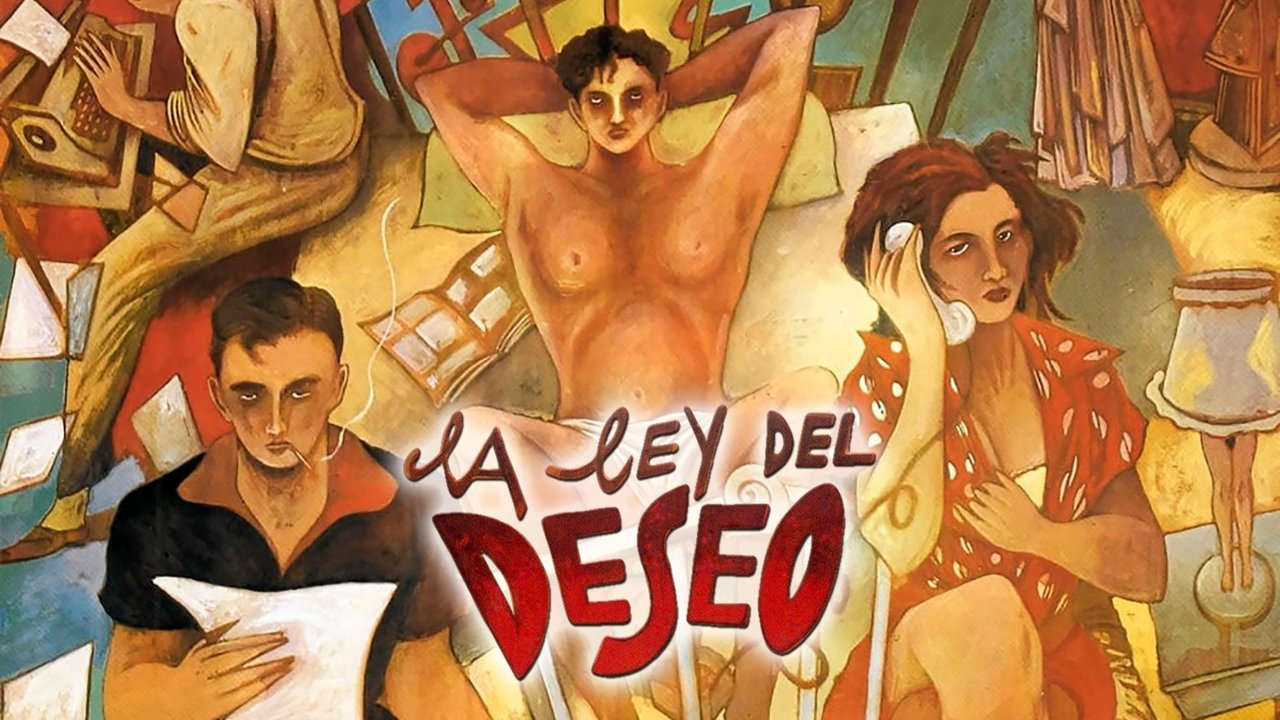
Here we go, digging into a tape that wasn't always easy to find on the shelves back in the day, but one that certainly left an indelible mark if you did manage to track it down. We're talking about Pedro Almodóvar's 1987 scorcher, Law of Desire (La ley del deseo). This isn't your standard Hollywood fare, not by a long shot. It's a film that pulses with a feverish energy, a vibrant, messy, and sometimes shocking exploration of the tangled web of human connection – or perhaps, more accurately, human obsession.

A Blaze of Colour and Emotion
What strikes you first, revisiting Law of Desire now, is its sheer audacity. Almodóvar, even relatively early in his feature film career (this followed hits like What Have I Done to Deserve This?! from 1984), already possessed an unmistakable visual signature. The bold primary colours, the slightly heightened reality of the sets and costumes, the way the camera lingers on faces fraught with complex emotions – it all screams Almodóvar. This wasn't just telling a story; it was plunging the viewer headfirst into a world dictated by its characters' overwhelming passions. The film feels drenched in the atmosphere of the Movida Madrileña, that explosion of cultural freedom in post-Franco Spain, embracing themes and depictions that were still incredibly provocative for the time.
The plot revolves around Pablo Quintero (Eusebio Poncela), a successful gay film director navigating the choppy waters of his romantic entanglements. He's still attached to his former lover, Juan (Miguel Molina), but finds himself the object of intense, and ultimately dangerous, affection from Antonio Benítez (Antonio Banderas in a star-making, ferociously committed performance). Caught in the middle, in many ways the pulsating heart of the film, is Pablo's sister, Tina (Carmen Maura), a transgender actress with a complex past and a fiercely protective love for her brother.
Performances That Burn
While Poncela provides a compelling anchor as the somewhat passive center around which chaos swirls, it's Carmen Maura and Antonio Banderas who truly set the screen ablaze. Maura's Tina is a creation of breathtaking complexity – vulnerable, resilient, world-weary yet capable of immense warmth and sudden fury. She embodies the film's blend of melodrama and genuine pathos, delivering a performance that feels utterly lived-in and deeply human, navigating Tina's unique history and present struggles with astonishing grace and power. I remember seeing her performance for the first time and being completely mesmerized; she’s simply unforgettable here.
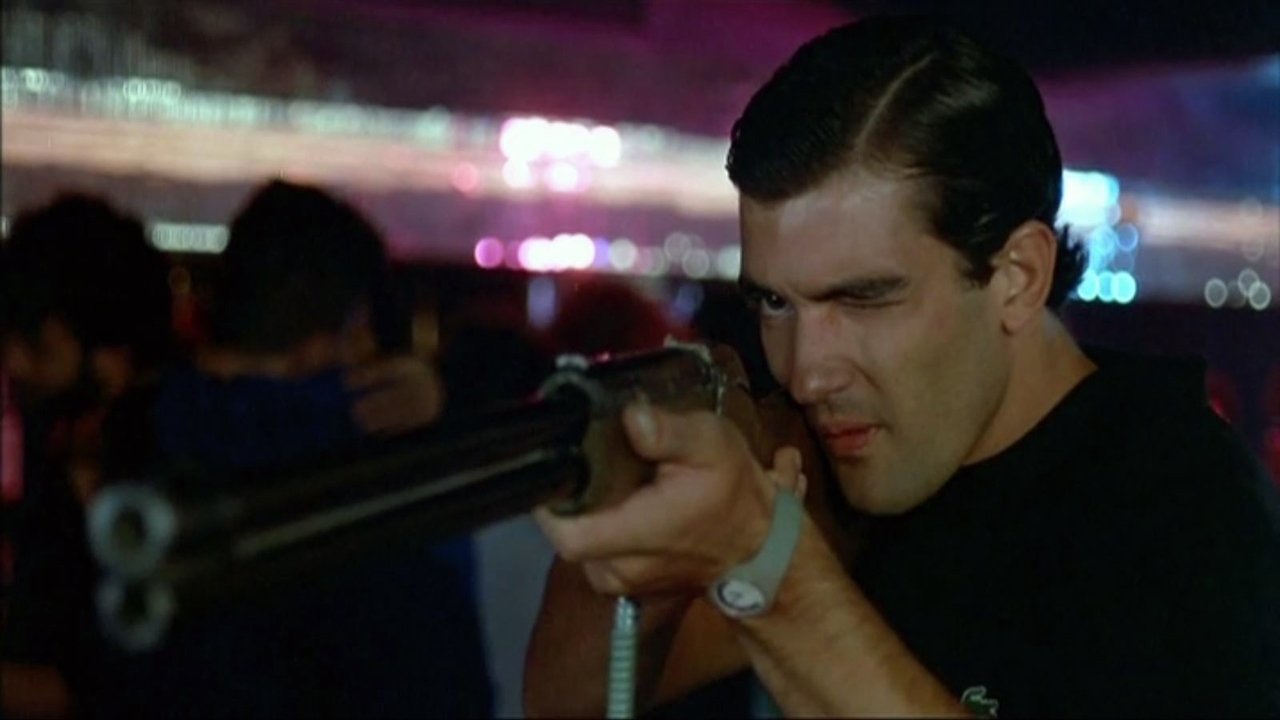
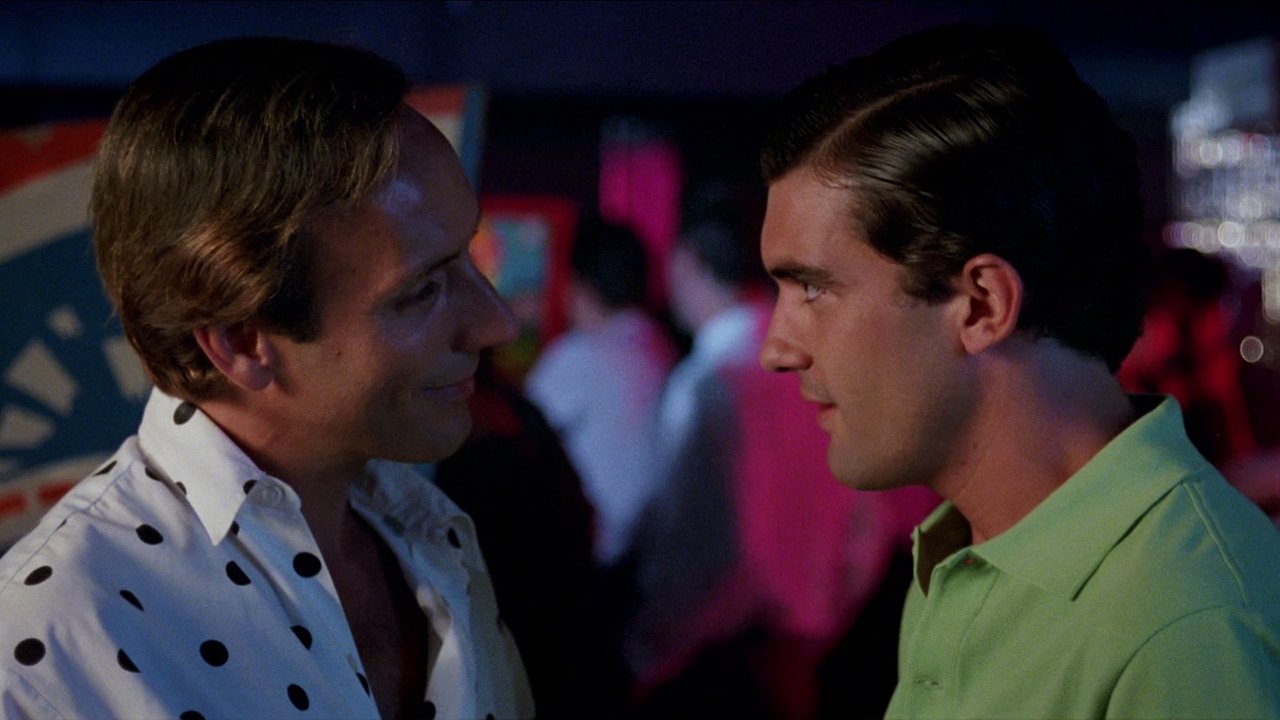
And then there’s Banderas. This wasn't the suave Zorro or the smooth action hero many would come to know later. His Antonio is raw, volatile, and terrifyingly possessive. Banderas commits fully to the character's obsessive spiral, making Antonio both pitiable and monstrous. It's a demanding role, physically and emotionally, and watching him imbue Antonio with such unnerving conviction is a stark reminder of the fiery talent that would soon capture Hollywood's attention. The intensity he brings, especially in his scenes opposite Poncela, creates a palpable sense of dread that lingers long after the credits roll.

Beyond the Shock Value
Law of Desire gained notoriety for its frank depiction of sexuality, particularly gay intimacy, which was groundbreaking for mainstream Spanish cinema (and cinema globally) in 1987. Almodóvar fought battles over censorship, and the film certainly pushed boundaries. But to focus solely on the explicit content is to miss the deeper currents running through the narrative. It’s a film deeply concerned with the nature of desire itself – how it shapes us, drives us, and sometimes destroys us. What does it mean to truly possess someone? Can love exist without ownership? The film doesn't offer easy answers, instead presenting a tangled, operatic vision of human relationships at their most extreme.
There's also a fascinating self-reflexive layer, with Pablo being a filmmaker whose own life begins to mirror the dramatic intensity of his work. This metafictional element adds another wrinkle to the viewing experience, blurring the lines between creation and reality, performance and identity.
Retro Fun Facts
Digging into the history of this one yields some gems. This was the very first film produced by Pedro Almodóvar and his brother Agustín's own production company, El Deseo S.A. – yes, named precisely after this film! A statement of intent, if ever there was one. It signaled Almodóvar taking control of his artistic vision. While critically acclaimed internationally (winning Best Film at the Berlinale Forum, for instance), its frankness caused quite a stir back home. And that memorable scene involving the typewriter? It wasn't just dramatic; it became an iconic image associated with the film's blend of obsession and artistic expression. The film's budget was modest, but its impact was enormous, solidifying Almodóvar as a major international auteur.
Final Reflections
Watching Law of Desire today feels like unearthing a slightly dangerous treasure from the VHS vault. It’s challenging, passionate, and refuses to compromise. The melodrama can occasionally tip into excess, and its pacing reflects a different era of filmmaking, but its emotional core remains incredibly potent. The performances, particularly from Maura and Banderas, are simply stunning, capturing the raw, untamed energy that defined Almodóvar's early work. It’s a film that reminds you of a time when popular cinema felt less constrained, more willing to explore the messy, uncomfortable truths about human nature.
Rating: 8.5/10
This score reflects the film's undeniable artistic boldness, its powerhouse performances, and its historical significance within both Spanish cinema and LGBTQ+ representation on screen. While its melodramatic intensity might not resonate with all viewers today, its craft, emotional depth, and sheer audacity remain deeply impressive. It's a vital piece of Almodóvar's filmography and a potent reminder of Antonio Banderas and Carmen Maura's raw, early brilliance.
It leaves you pondering the destructive power of unchecked desire, a theme as relevant now as it was burning bright on CRT screens back in '87. A true Spanish cult classic from the VHS era.