Sometimes a film arrives not with a bang, but like a whispered secret, a monochrome dream glimpsed on a flickering screen late at night. Patrice Leconte's 1999 masterpiece, The Girl on the Bridge (La Fille sur le Pont), is precisely that kind of discovery. Forget the bombast that often defined late-90s cinema; this is a film that deals in shadow and light, in unspoken connections, and the terrifying, exhilarating knife-edge of pure chance. Watching it again recently, it felt less like revisiting a movie and more like stepping back into a specific, potent atmosphere – one thick with cigarette smoke, desperation, and the unlikely spark of hope.
A Fateful Meeting Under Parisian Skies
The premise is deceptively simple, almost fable-like. Gabor (Daniel Auteuil), a professional knife thrower whose own luck seems perpetually down, happens upon Adèle (Vanessa Paradis) contemplating a final leap from a Parisian bridge. He talks her down, not with platitudes, but with a proposition: become his target, his living bullseye. She agrees, seemingly having nothing left to lose. What unfolds isn't a conventional romance, nor simply a story about a bizarre circus act. It's an exploration of symbiosis, a strange, almost mystical bond that forms between two profoundly lonely souls who discover they are inexplicably lucky together. Their connection feels elemental, pre-verbal almost, a force that shifts the very probabilities of the universe around them.
Two Souls, Perfectly Cast
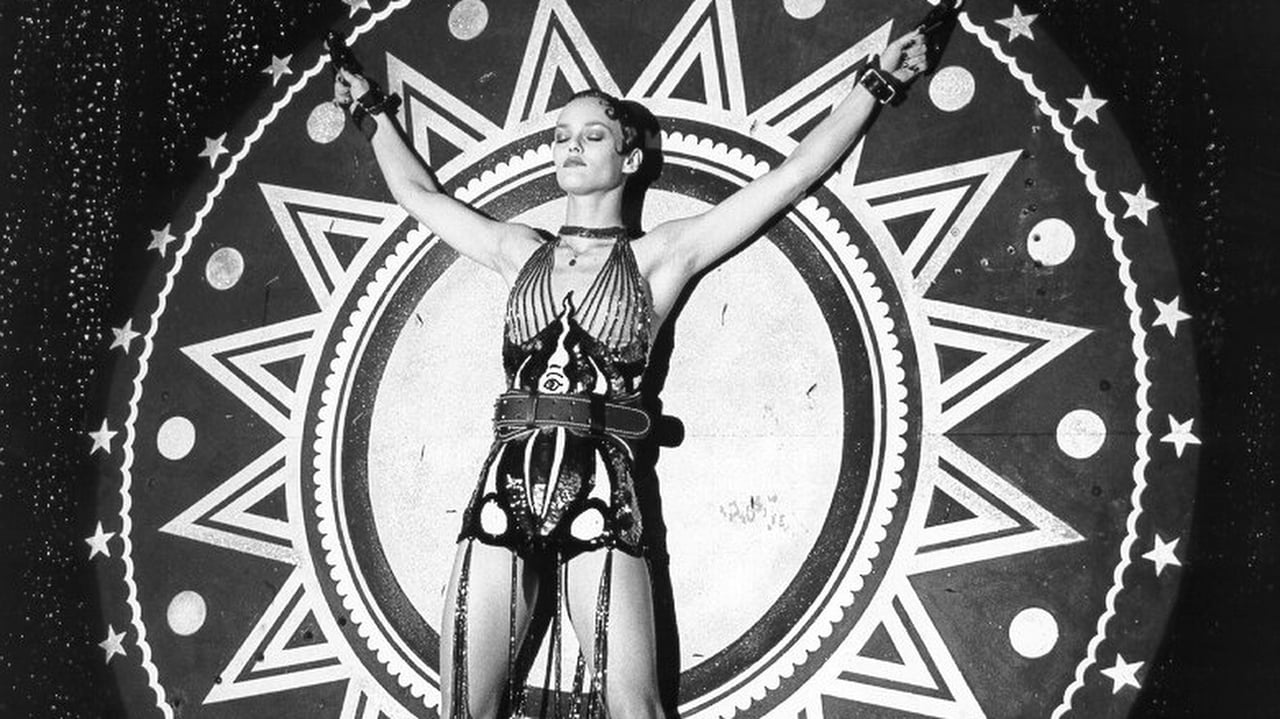
The film rests almost entirely on the shoulders of its two leads, and thankfully, they are extraordinary. Daniel Auteuil, already a titan of French cinema known for his soulful performances in films like Jean de Florette (1986), embodies Gabor with a weary resignation that masks a deep well of unexpected tenderness. His eyes carry the weight of past failures and fading hopes, yet there’s a flicker of life rekindled by Adèle’s presence. You believe him implicitly as a man who throws knives for a living – the focus, the danger, the strange intimacy of his profession. It’s no surprise he won the César Award (the French equivalent of an Oscar) for Best Actor for this role; it’s a performance etched with nuance.
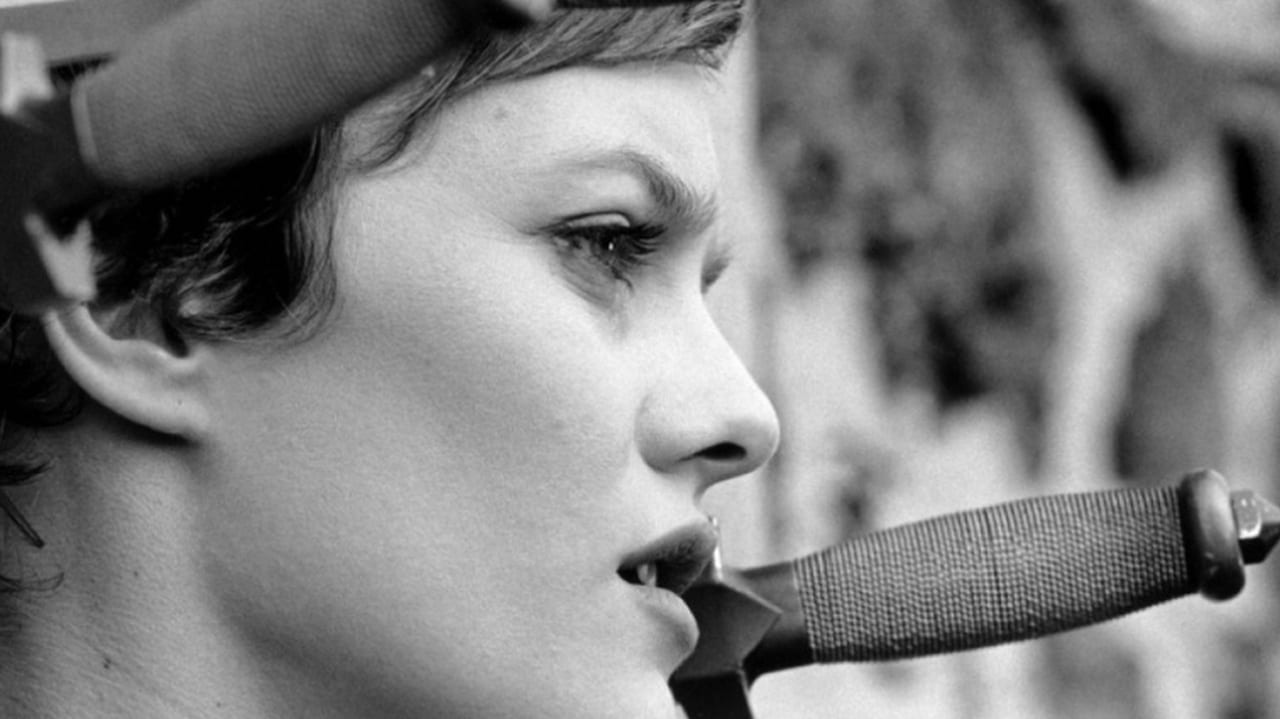
Opposite him, Vanessa Paradis, who many outside France knew primarily as a pop singer and perhaps for her relationship with Johnny Depp at the time, delivers a star-making turn. Her Adèle is fragile yet fiercely present, luminous even in her despair. Paradis conveys a captivating blend of vulnerability and a nascent, almost feral energy awakened by Gabor and their shared fate. There’s a scene involving a close-up on her face as the knives thud around her – the fear, the trust, the sheer adrenaline – it’s mesmerizing. Reportedly, Paradis undertook some training for the knife-throwing sequences, adding a layer of verisimilitude to those incredibly tense moments. The chemistry between Auteuil and Paradis isn't overtly sexualised; it's something rarer, a palpable sense of two halves clicking into place, needing each other to feel whole, or at least, lucky.
The Stark Beauty of Black and White
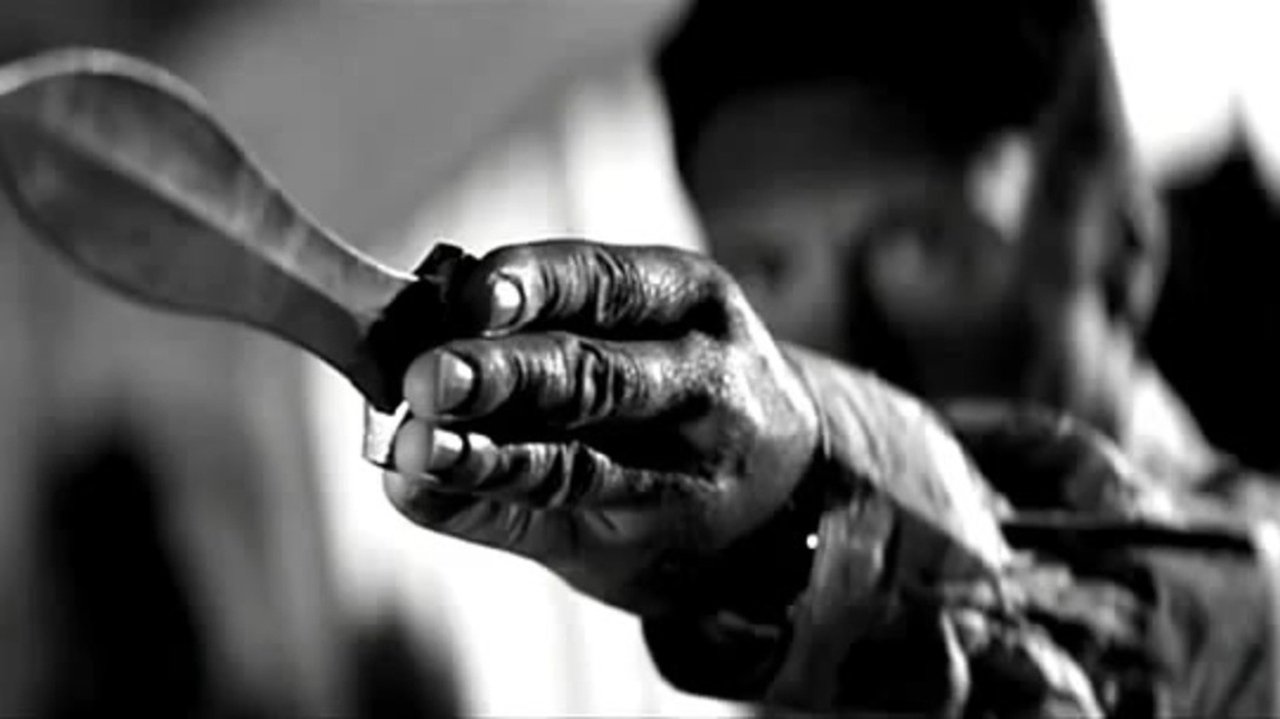
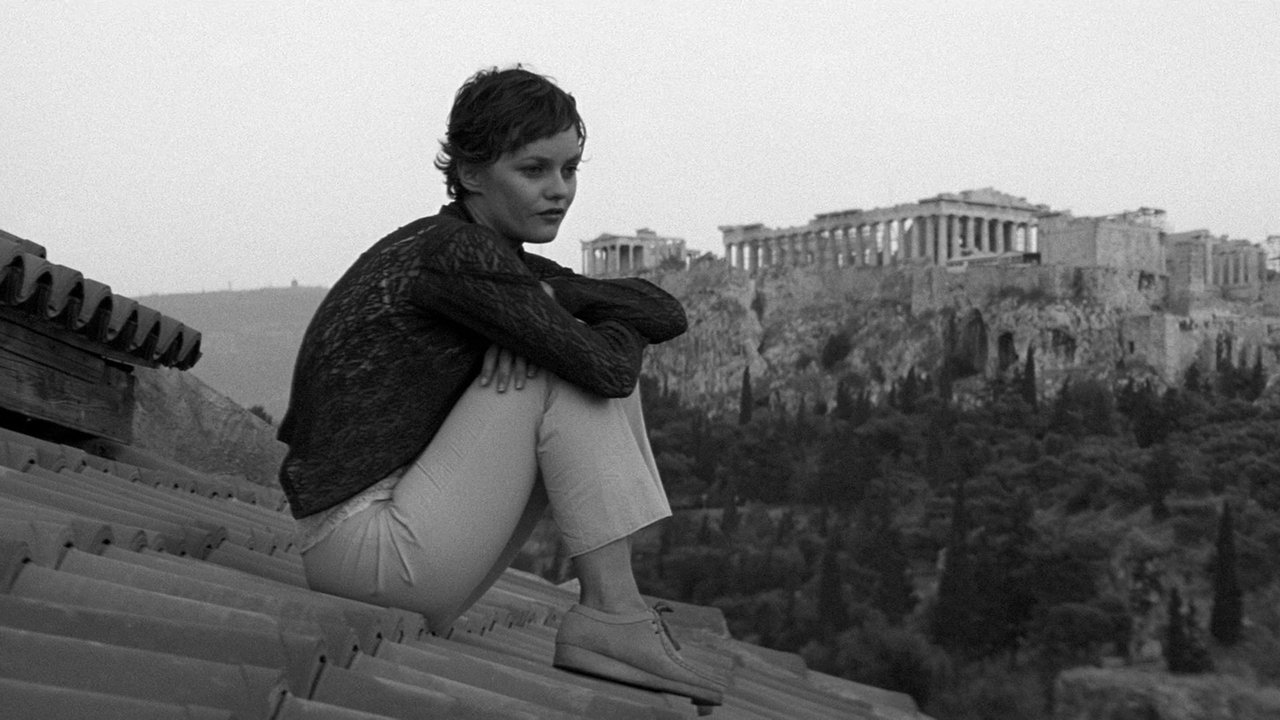
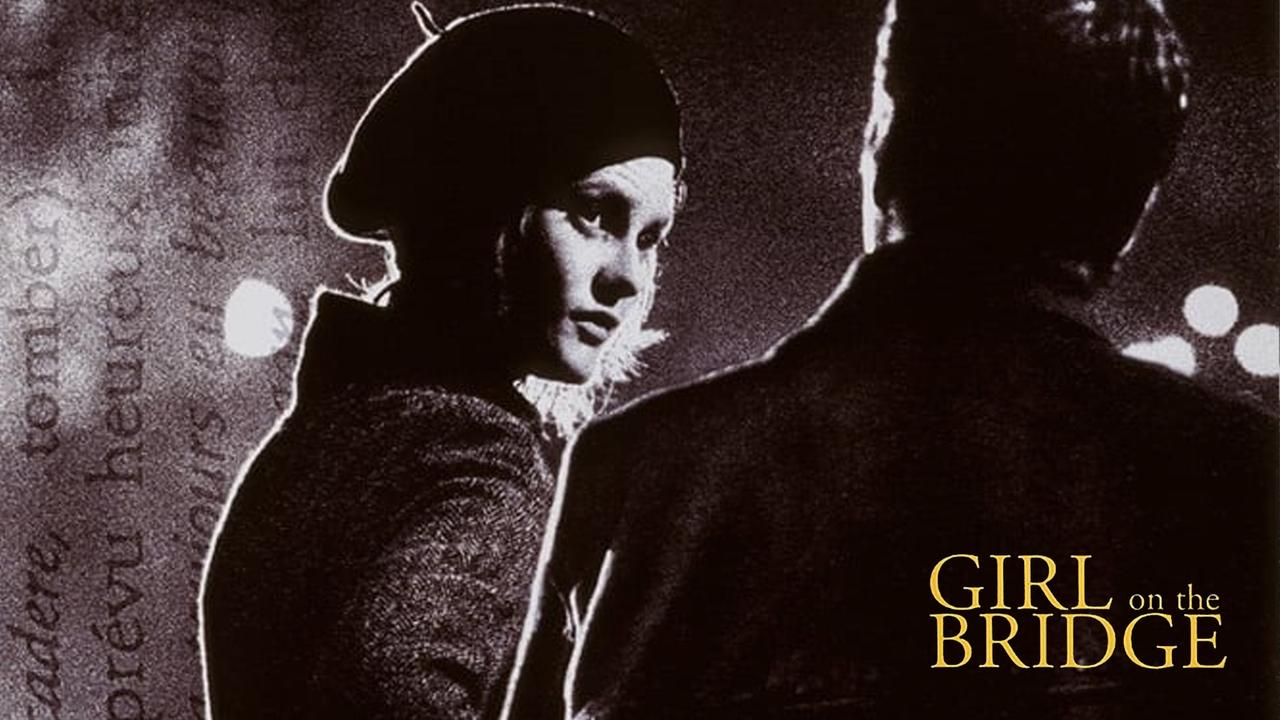
Director Patrice Leconte, who gave us other intimate character studies like Monsieur Hire (1989) and The Hairdresser's Husband (1990), made a bold choice shooting The Girl on the Bridge in crisp, gorgeous black and white. In an era leaning heavily into digital colour experimentation, this decision lends the film a timeless, almost dreamlike quality. It strips away distraction, focusing our attention entirely on the actors' faces, the textures of their environments (from the rain-slicked bridges of Paris to the sun-drenched locales of their travels through Italy, Greece, and Turkey), and the stark contrast between shadow and light, mirroring the characters' own internal states. The cinematography by Jean-Marie Dreujou is simply stunning, making every frame feel composed, deliberate, almost painterly. It enhances the film's poetic nature, making the improbable feel somehow inevitable.
Luck, Fate, and Flying Steel
At its core, The Girl on the Bridge asks profound questions. What is luck? Is it a random force, or something we generate, perhaps amplified by connection? Gabor explicitly believes their fortunes are intertwined; when they are together, the knives fly true, roulette wheels pay out, life smiles. When apart, chaos reigns. The knife-throwing act itself becomes a potent metaphor – an exercise in absolute trust, a dance with danger where success hinges on an unseen connection between thrower and target. Doesn't this resonate with the leaps of faith we take in our own relationships, trusting others not to wound us? The film doesn't offer easy answers, preferring to luxuriate in the ambiguity and the intoxicating feeling of being swept up by destiny. The French tagline, "Vous croyez au hasard, vous?" ("Do you believe in chance?"), perfectly captures this central query.
This wasn't a blockbuster, pulling in maybe modest returns outside of France despite critical acclaim (its budget was around $9 million USD). It felt more like the kind of gem you’d discover tucked away in the 'Foreign Films' section of the video store, its stark cover art hinting at something different, something intense. I remember renting films like this on a whim, seeking experiences beyond the mainstream, and sometimes stumbling onto something truly special. The Girl on the Bridge was one of those rewarding discoveries, a reminder that powerful stories don't always need explosions or elaborate plots, just human connection rendered with artistry and soul.
Rating: 9/10
This rating reflects the film's exceptional artistry, the powerhouse performances from Auteuil and Paradis, Leconte's masterful direction, and its deeply resonant exploration of fate and connection. The stunning black and white cinematography elevates it beyond a simple narrative into a visual poem. While its deliberate pacing and art-house sensibility might not appeal to everyone seeking high-octane thrills, for those who appreciate nuanced character studies and visually arresting cinema, it's near-perfect.
The Girl on the Bridge lingers long after the credits roll, leaving you pondering the invisible threads that connect us, the chances we take, and the beautiful, terrifying possibility that maybe, just maybe, luck isn't always blind.