## A Contract on Despair, An Unexpected Lease on Life
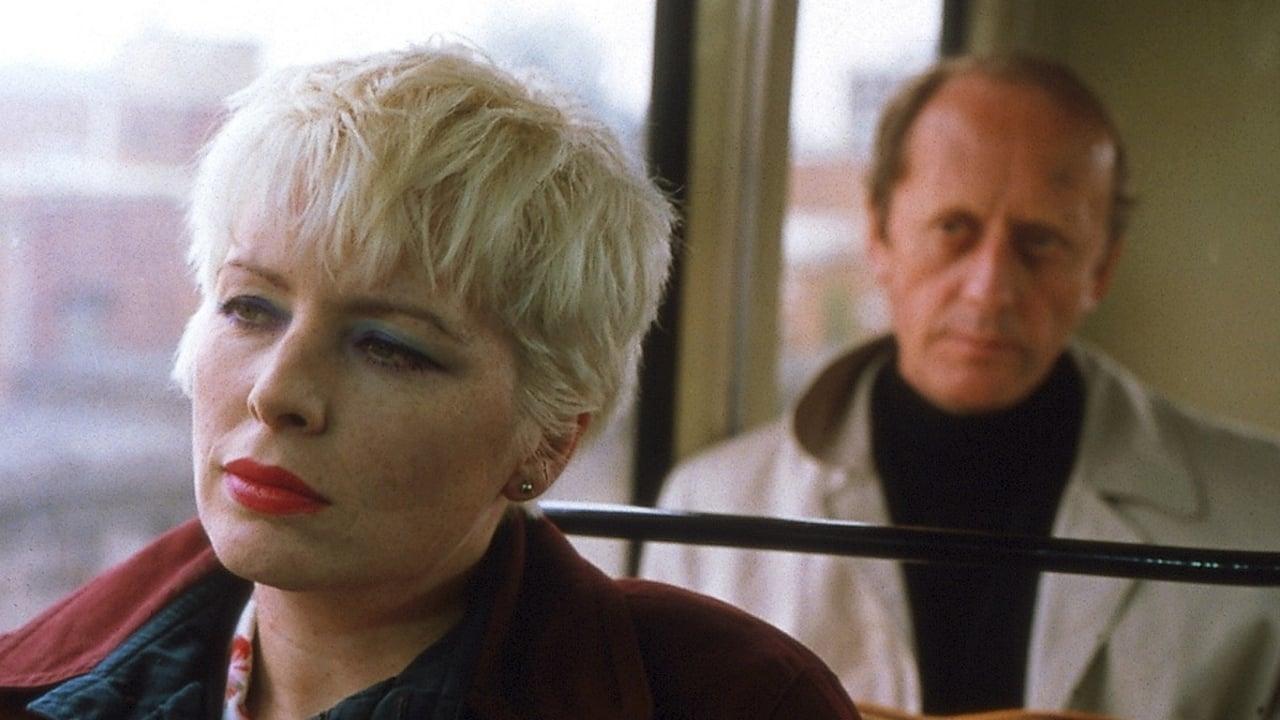
There’s a peculiar, almost suffocating stillness that pervades certain corners of London, a quiet melancholy that Finnish auteur Aki Kaurismäki captures with uncanny precision in his 1990 English-language debut, I Hired a Contract Killer. It’s a film that arrived on VHS shelves almost like a rumour, a strange dispatch from a sensibility quite unlike the Hollywood gloss dominating the rental stores back then. Watching it again now evokes that same sense of quiet discovery, like finding a hidden track on a favourite cassette. It begins not with a bang, but with the profoundly mundane despair of a man whose life has evaporated around him.
A Most Final Notice
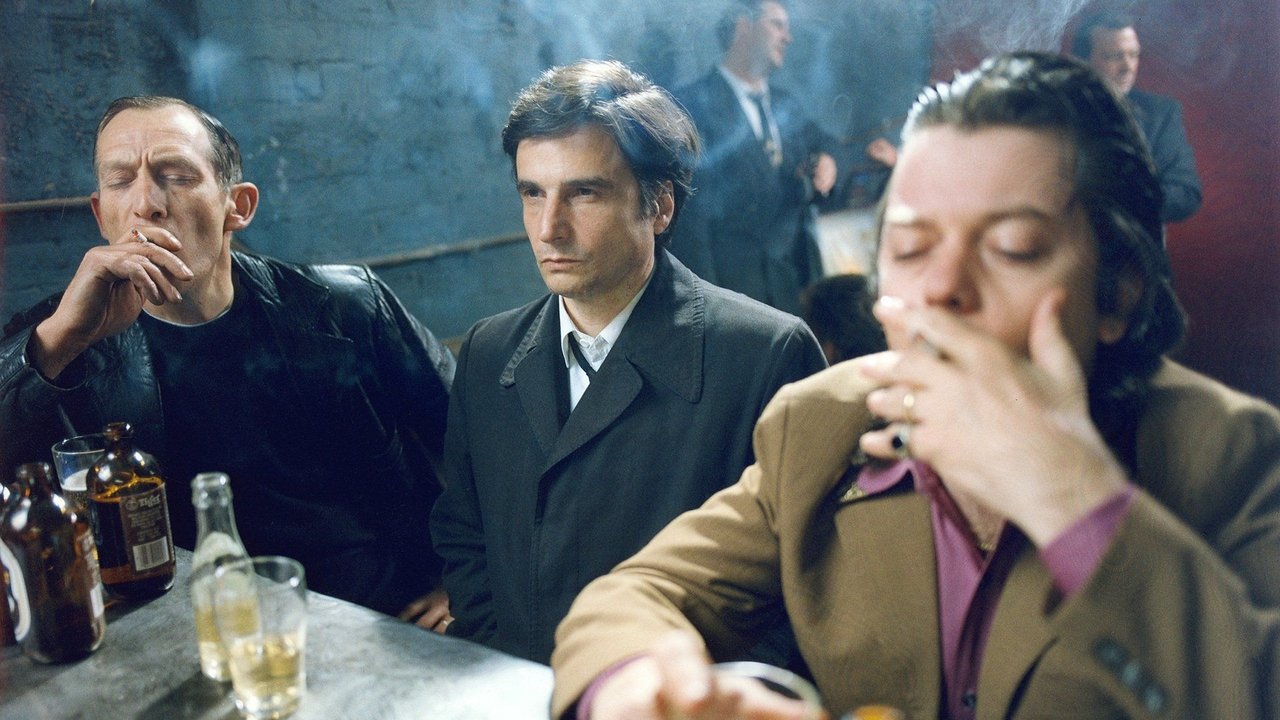
The setup is bleakly, absurdly simple. Henri Boulanger, portrayed with mesmerising weariness by French New Wave icon Jean-Pierre Léaud (forever Antoine Doinel in François Truffaut's films), is a French immigrant working a thankless bureaucratic job in London's newly privatized water works. After fifteen years of service, he's abruptly made redundant, presented with a cheap gold watch as severance. Utterly alone and seeing no future, Henri attempts suicide, failing with almost comical ineptitude. His gas oven lacks gas; his chosen rope snaps. Resigned to outsourcing even his own demise, he finds a shadowy organization in a back-alley pub and hires a professional killer to end his misery. The transaction is chillingly matter-of-fact, just another service rendered in the indifferent city.
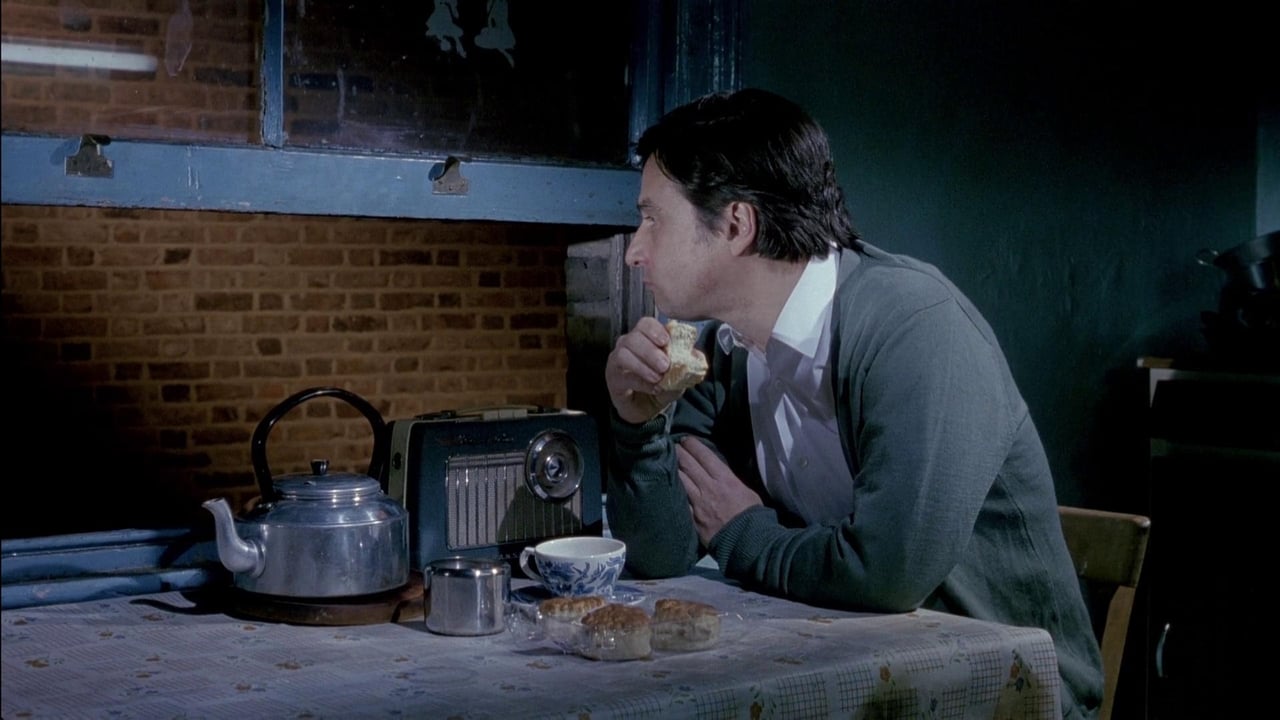
Kaurismäki, known for his distinct brand of deadpan humour and minimalist aesthetic seen in works like The Match Factory Girl (1990) which came out the same year, brings this signature style to London. The city itself feels muted, filmed in less-than-glamorous East End locations, drained of vibrancy, reflecting Henri's internal state. It’s a fascinating choice, using London not for its iconic landmarks, but for its anonymous streets and dimly lit pubs, creating a sense of universal displacement. Reportedly, Léaud spoke very little English at the time, a fact Kaurismäki apparently embraced, believing it heightened the character’s profound isolation. You feel it in every hesitant gesture, every prolonged, silent gaze. It’s a performance built not on dialogue, but on presence – the crushing weight of loneliness made visible.
An Unforeseen Complication: Hope
Of course, just as the contract is sealed and the wheels of fate (or rather, the hitman, played with quiet menace by Kenneth Colley, familiar to many as Admiral Piett in The Empire Strikes Back and Return of the Jedi) begin to turn, Henri encounters Margaret (Margi Clarke, bringing a much-needed spark of working-class vitality reminiscent of her role in Letter to Brezhnev (1985)). Selling flowers in the street, she represents everything Henri’s life lacks: colour, connection, a flicker of warmth in the prevailing gloom. He falls, unexpectedly and completely, in love. Suddenly, life has value. The problem? He can't cancel the contract. His attempts to locate the shadowy brokers or the killer himself prove futile, leading to a grimly funny cat-and-mouse game where Henri must evade the death he himself ordered.

The film thrives on this central irony. It’s a dark comedy, certainly, but the laughs are often caught in the throat, underscored by genuine pathos. Kaurismäki avoids sentimentality, allowing the connection between Henri and Margaret to blossom organically amidst the absurdity. Their interactions have a tentative sweetness, a shared understanding forged in the margins of society. Clarke is the perfect foil to Léaud’s near-catatonic stillness; her pragmatism and resilience ground the film's more eccentric leanings.
Kaurismäki's Touch and Retro Notes
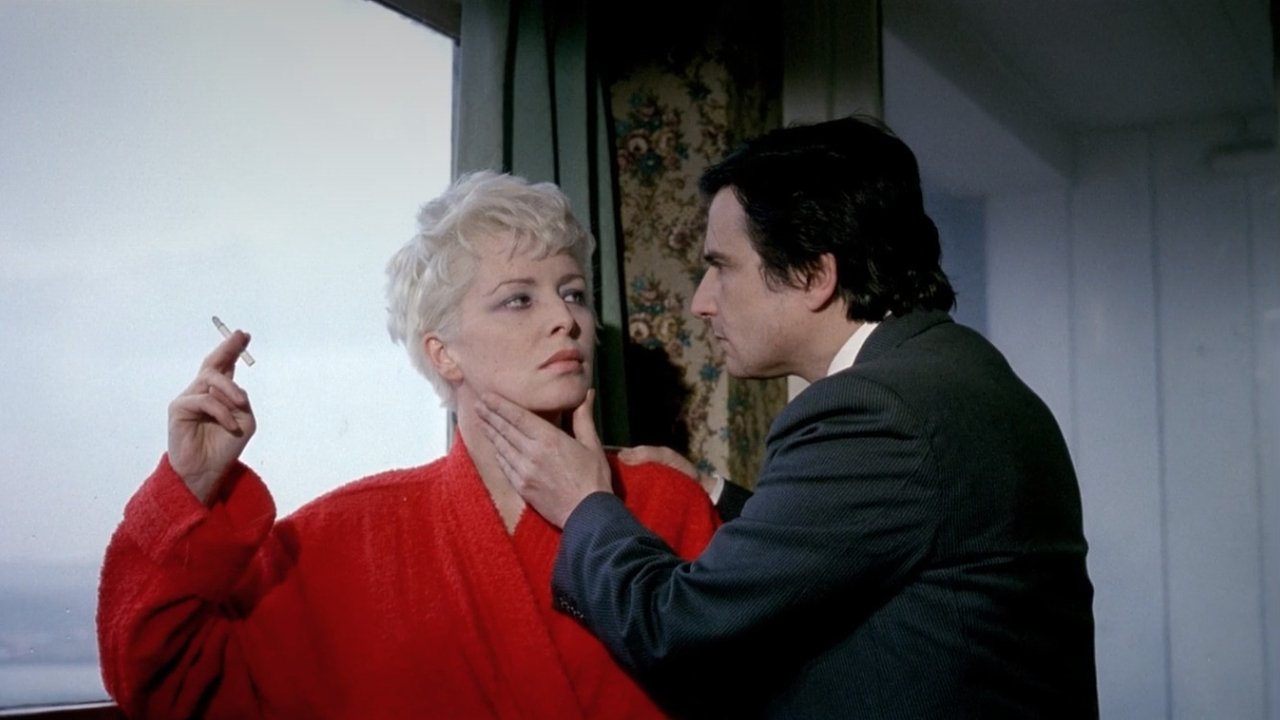
Beyond the central performances, the film is pure Kaurismäki. The dialogue is sparse, loaded with unspoken meaning. The compositions are often static, letting the environment and the actors’ subtle expressions carry the emotional weight. The colour palette leans towards muted blues and greys, punctuated by occasional bursts of primary colour – Margaret’s flowers, a red dress. And then there’s the music. Kaurismäki’s soundtracks are always distinctive, often featuring melancholic rockabilly or blues, and this film is no exception. A fantastic bit of trivia for music fans: Keep an eye out for a pub scene featuring none other than Joe Strummer of The Clash, performing a couple of solo numbers. It’s a perfectly integrated cameo, adding another layer of gritty cool to the film's unique atmosphere. Filmed with characteristic efficiency – Kaurismäki is known for working quickly and economically – the movie feels handcrafted, a personal vision realised despite likely budget constraints. It wasn't a blockbuster, finding its audience more among arthouse crowds and later, on those treasured VHS tapes in the 'World Cinema' section.
What lingers after the credits roll? It's that peculiar blend of despair and unexpected hope, the deadpan humour masking a deep empathy for its characters. It’s a film that asks, perhaps, what truly makes life worth living, even when circumstance seems determined to prove otherwise. Is it grand ambition, or the simple, profound connection with another soul found in the unlikeliest of places?
Rating: 8/10
I Hired a Contract Killer earns this score for its masterful control of tone, balancing bleakness with dark humour and unexpected warmth. Jean-Pierre Léaud's minimalist performance is captivating, perfectly embodying existential despair, while Aki Kaurismäki's singular directorial vision creates an unforgettable, melancholic atmosphere. It’s a slow burn, yes, and its deliberate pacing and sparse dialogue won't be for everyone, but for those attuned to its wavelength, it offers a uniquely affecting and strangely hopeful experience. It’s a true cult gem from the VHS era, a reminder that sometimes the most profound stories are found in the quietest corners.