There's a certain kind of quiet confidence that settles over Quentin Tarantino's Jackie Brown (1997), a feeling distinct from the electric crackle of Reservoir Dogs (1992) or the pop-culture supernova of Pulp Fiction (1994). It’s like the difference between a frantic scramble and a calculated chess move. Watching it again now, that worn VHS tape clicking reassuringly in the VCR in my memory, the film feels less like a brash statement and more like a long, slow exhale – steeped in the weary soul of Elmore Leonard's novel Rum Punch, from which it was adapted. It doesn't grab you by the collar immediately; instead, it invites you to lean in, to listen to the spaces between the words.
A Sun-Faded Story of Second Chances
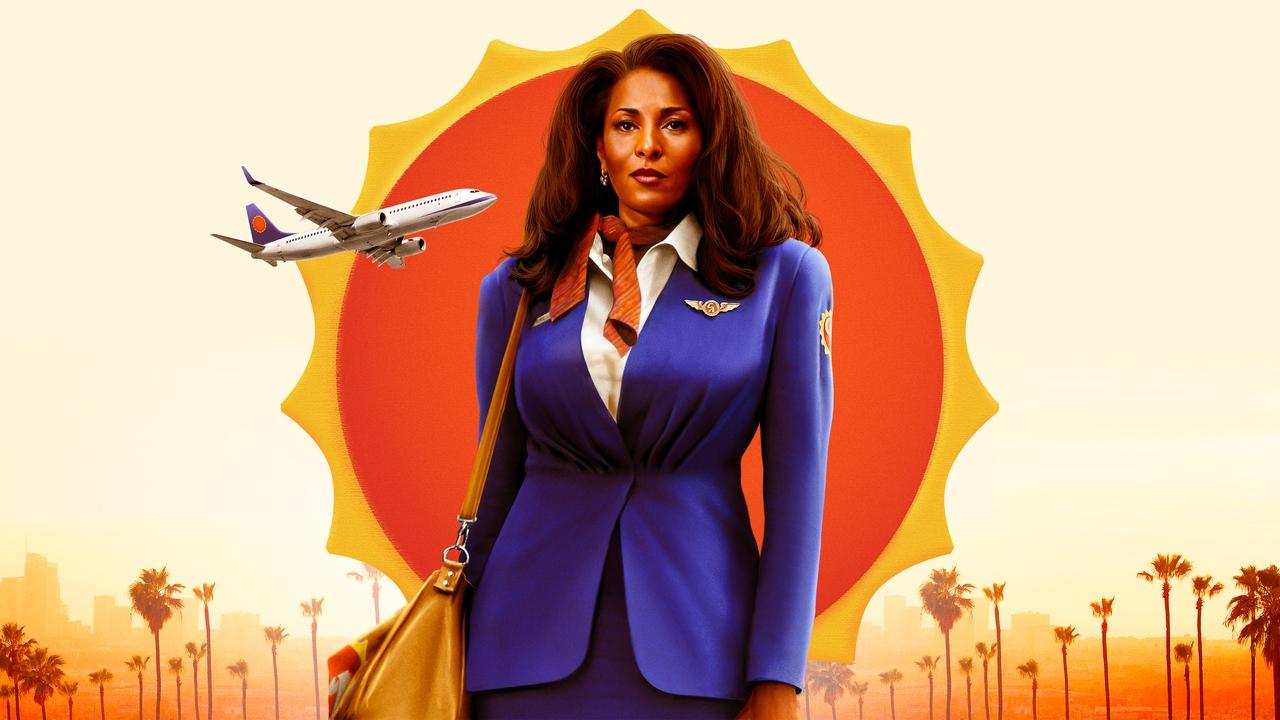
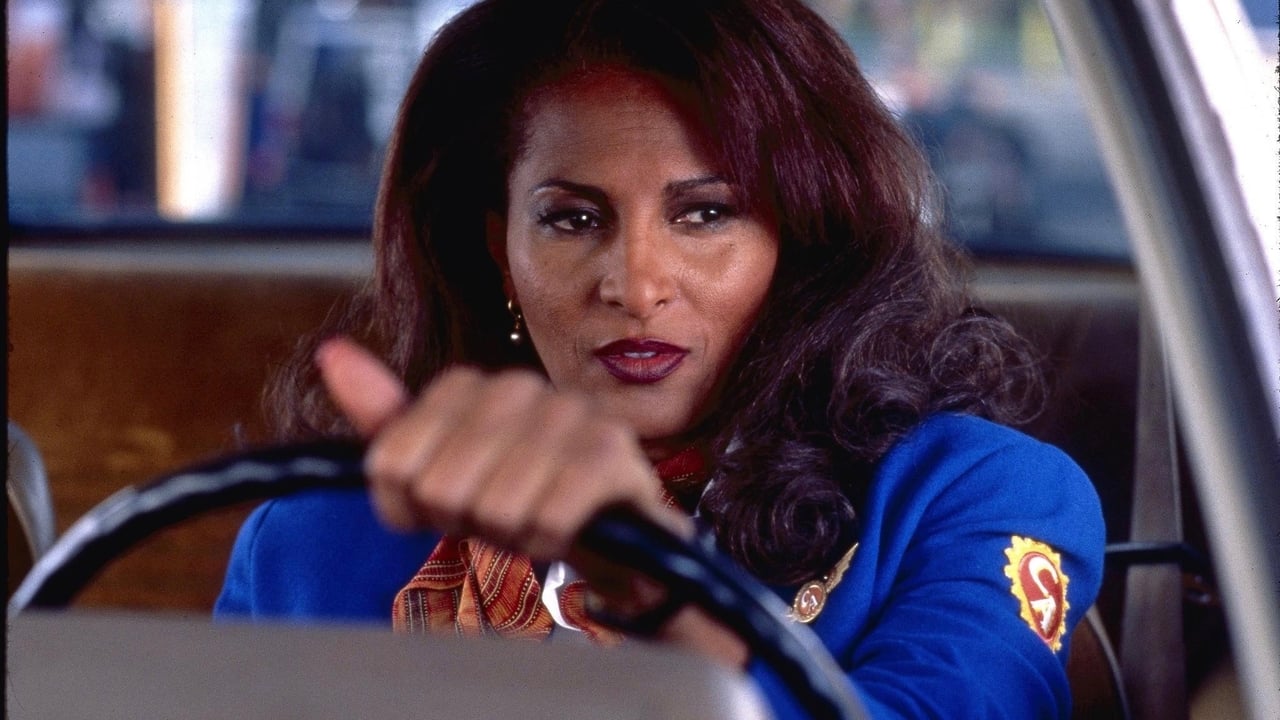
Set against the sprawling, sun-bleached backdrop of the South Bay area of Los Angeles, Jackie Brown introduces us to characters who feel lived-in, their best years perhaps behind them, navigating a world that hasn’t necessarily been kind. At its heart is Pam Grier as the eponymous flight attendant, caught between her low-paying job, smuggling cash for gun runner Ordell Robbie (Samuel L. Jackson), and the Feds breathing down her neck. Grier’s performance isn't just a comeback; it's a revelation. Decades after her iconic turns in Blaxploitation classics like Coffy (1973) and Foxy Brown (1974) – films Tarantino adored – she imbues Jackie with a palpable mix of exhaustion, simmering intelligence, and quiet determination. You see the years of compromise etched on her face, but also the spark of a survivor calculating her next, potentially final, play. Tarantino specifically wrote the role for her, a gesture that resurrected a career and gave us one of the coolest, most capable heroines of the 90s. She’s not just tough; she’s smart, weary, and utterly compelling.
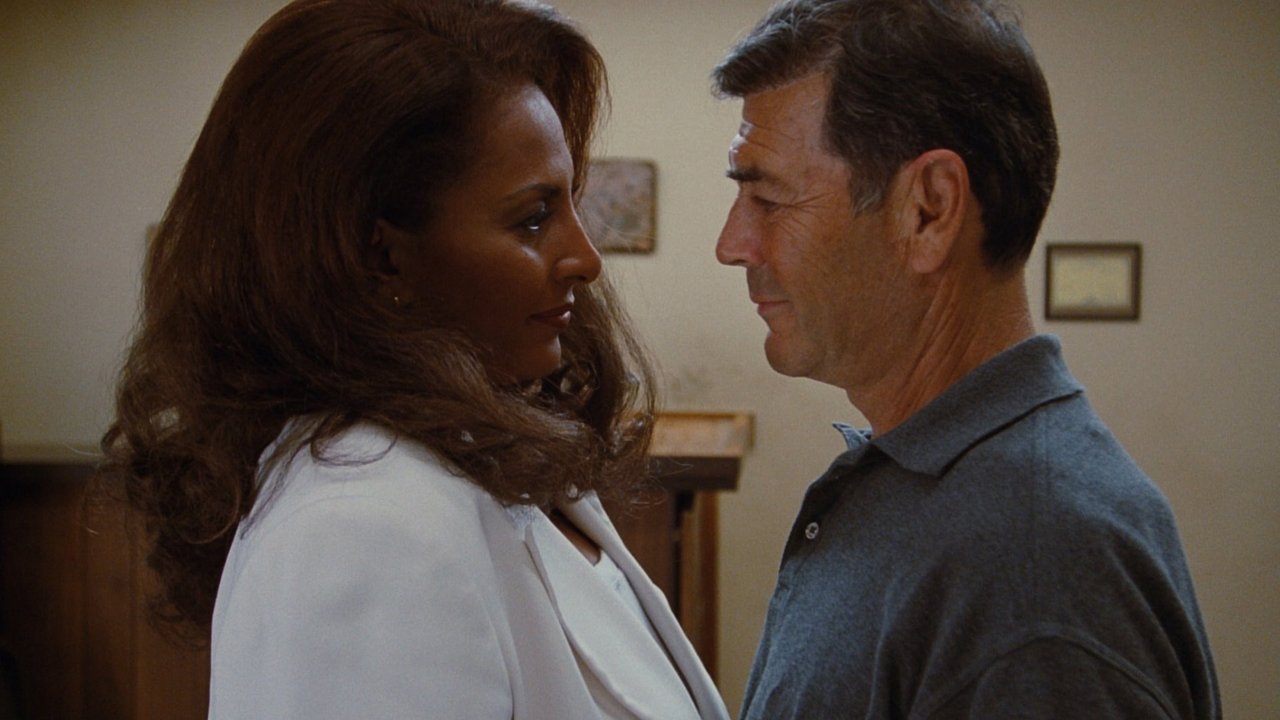
Equally resonant is Robert Forster as Max Cherry, the bail bondsman who finds himself drawn to Jackie’s plight and, perhaps more deeply, to Jackie herself. Forster, like Grier, was experiencing a career resurgence thanks to Tarantino's casting eye (the director remembered his powerful work in films like 1969's Medium Cool). His portrayal of Max is a masterclass in understated emotion. Max is a man who seems resigned to the quiet routine of his life, yet finds something rekindled by Jackie's presence – a chance, maybe, for connection beyond the transactional nature of his business. Their scenes together, often quiet conversations filled with unspoken understanding, are the film's soulful core. The gentle flirtation, the shared weariness, the burgeoning trust – it all feels remarkably authentic, earning Forster a well-deserved Oscar nomination.
Tarantino, Matured but Still Sharp
While the signature Tarantino dialogue is present – sharp, profane, and often darkly funny – Jackie Brown trades some of the explosive energy of his earlier works for a more deliberate pace. The violence, when it comes, feels less stylized and more sudden, brutal, and consequential. This isn't the cartoonish mayhem some might expect; it's grounded in the desperation of characters running out of options. The intricate plot, involving a complex money swap, unfolds meticulously, most notably in the extended sequence at the Del Amo Fashion Center (a real mall familiar to many Angelenos!). Tarantino famously shoots this pivotal scene multiple times from different characters' perspectives, building suspense not through rapid cuts but through careful layering of information and shifting points of view. It's a testament to his confidence as a storyteller, allowing the tension to simmer rather than boil over constantly.
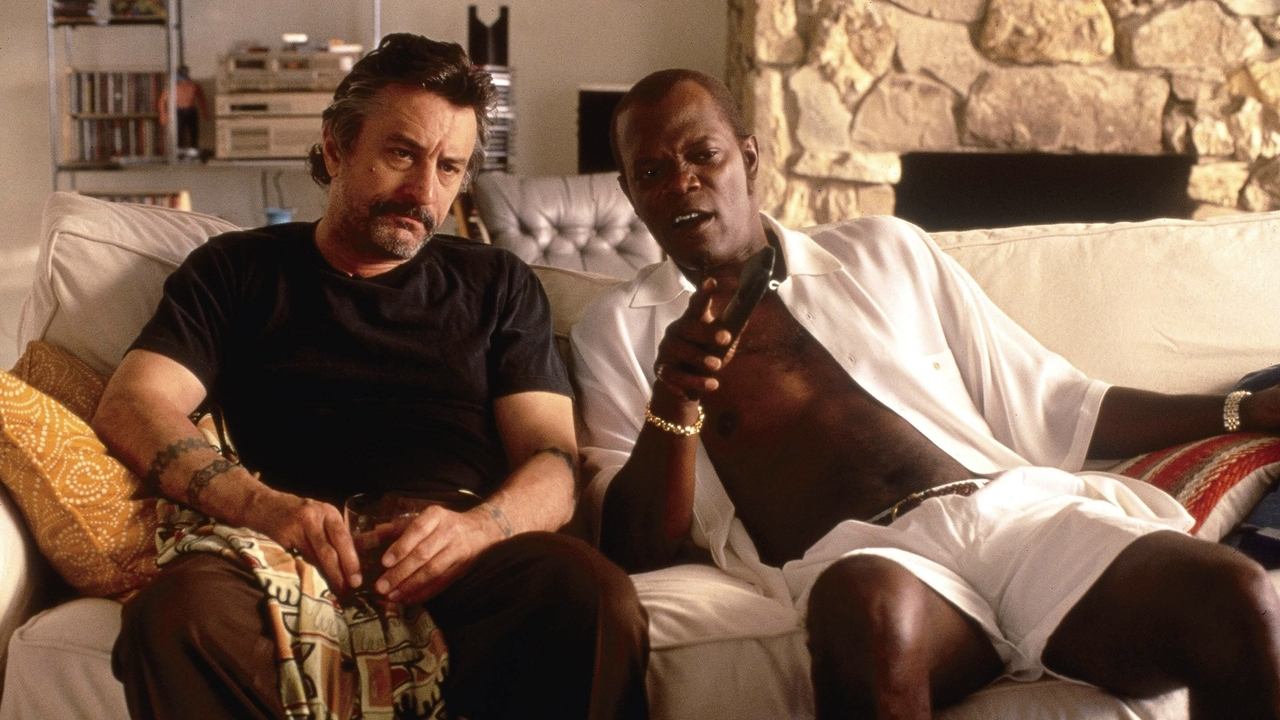
The supporting cast adds layers of grit and grime. Samuel L. Jackson, fresh off his iconic Pulp Fiction role, delivers a chillingly charismatic performance as Ordell Robbie. He’s menacing, manipulative, and utterly ruthless, yet Jackson makes him mesmerizing. Then there’s Robert De Niro as Louis Gara, Ordell’s recently paroled associate, playing wonderfully against type as a zoned-out, perpetually confused stoner whose simmering frustration eventually boils over. And Bridget Fonda nails the role of Melanie Ralston, Ordell's beach bunny girlfriend whose boredom masks a surprising degree of opportunistic cunning. They all feel like quintessential Elmore Leonard characters, brought to life with Tarantino's distinct flavour.
The Soul is in the Details
Beyond the plot and performances, Jackie Brown excels in its atmosphere. The soundtrack, meticulously curated by Tarantino, is less about recognisable hits and more about deep cuts that perfectly capture the mood – The Delfonics, Bobby Womack (whose "Across 110th Street" opens and closes the film brilliantly), Bill Withers. It’s a soulful, melancholic soundscape that complements the film's themes of aging and reflection. It’s fascinating to note that Tarantino changed key details from Leonard's novel, shifting the setting from Florida to his familiar LA turf and, most significantly, changing the protagonist's race to write the part specifically for Grier. These weren't arbitrary changes; they deepened the film's connection to a specific cinematic history and allowed for Grier's remarkable performance. Even the budget speaks volumes: made for a relatively modest $12 million (around $22.5 million today), it showcased Tarantino's ability to deliver stylish, character-driven crime stories without needing blockbuster resources, ultimately grossing nearly $75 million worldwide (about $140 million today).
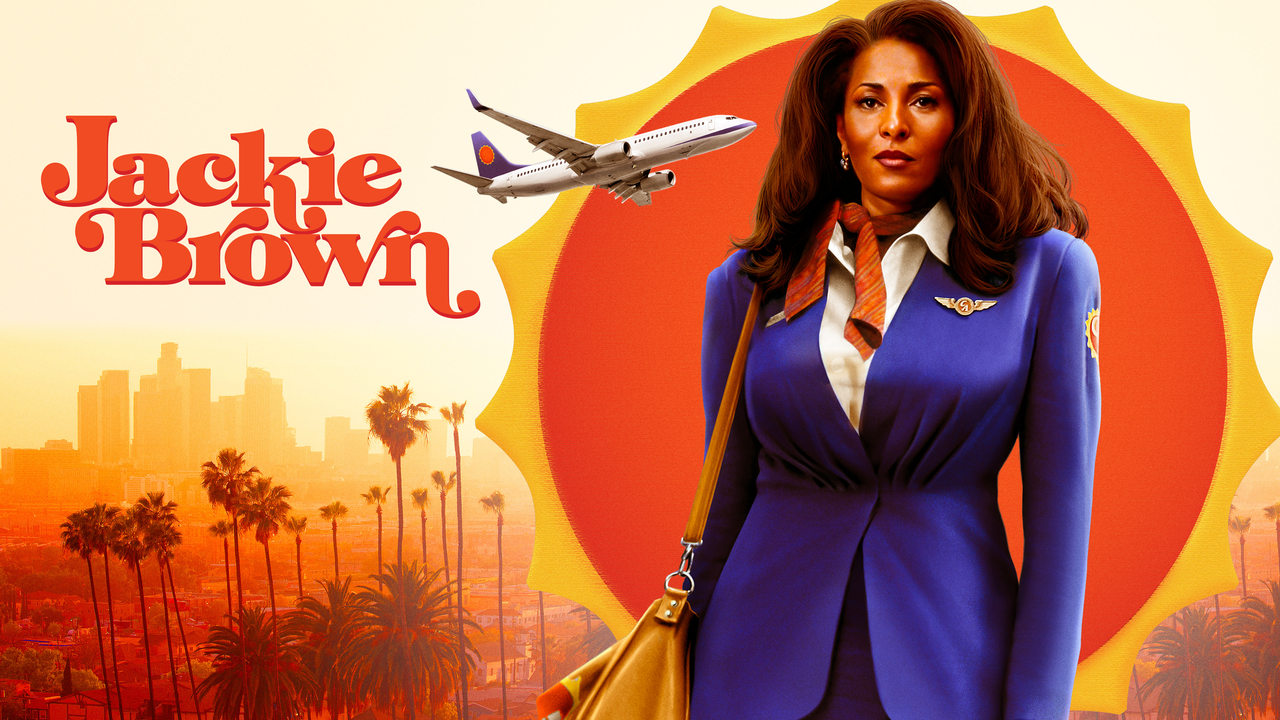
I remember renting Jackie Brown back in '97, perhaps on a recommendation from the local video store clerk who knew my tastes. It felt different from Tarantino’s other films, less immediately accessible but somehow richer, more resonant. It demanded patience, rewarding it with characters you genuinely cared about and a plot that felt intricate rather than just flashy. Does it lack the explosive impact of Pulp Fiction? Perhaps for some. But what it possesses is a maturity, a soulful depth, and a focus on character that makes it uniquely satisfying.
Rating: 9/10
Jackie Brown stands as a testament to Pam Grier's enduring screen presence and Robert Forster's subtle power, perfectly captured within Quentin Tarantino's most measured and character-focused film. It trades youthful pyrotechnics for the quiet intensity of seasoned players navigating a dangerous game, backed by an unforgettable soundtrack. Its deliberate pace allows the characters and their weary world to breathe, resulting in a crime film with genuine soul. Decades later, it remains Tarantino's most affecting work, a reminder that sometimes the most compelling stories are whispered, not shouted. It lingers, much like the soulful echo of a Delfonics track on a late-night drive.