The static hiss of the VCR kicking in, the familiar clunk of the tape engaging… and then, the city. Not gleaming skyscrapers, but the cracked pavement, the shadowed alleys, the palpable tension of Harlem in the early 90s. Some films grab you with spectacle, others with intricate plots. Ernest R. Dickerson’s Juice (1992) does it with something far more primal: the suffocating weight of wanting more, and the deadly allure of the power – the "juice" – that promises it. This isn't a comfortable watch; it's a slow burn that leaves an oily residue of dread, the kind that stuck with you long after the credits rolled and the TV clicked off in the dead of night.
Concrete Jungle Symphony
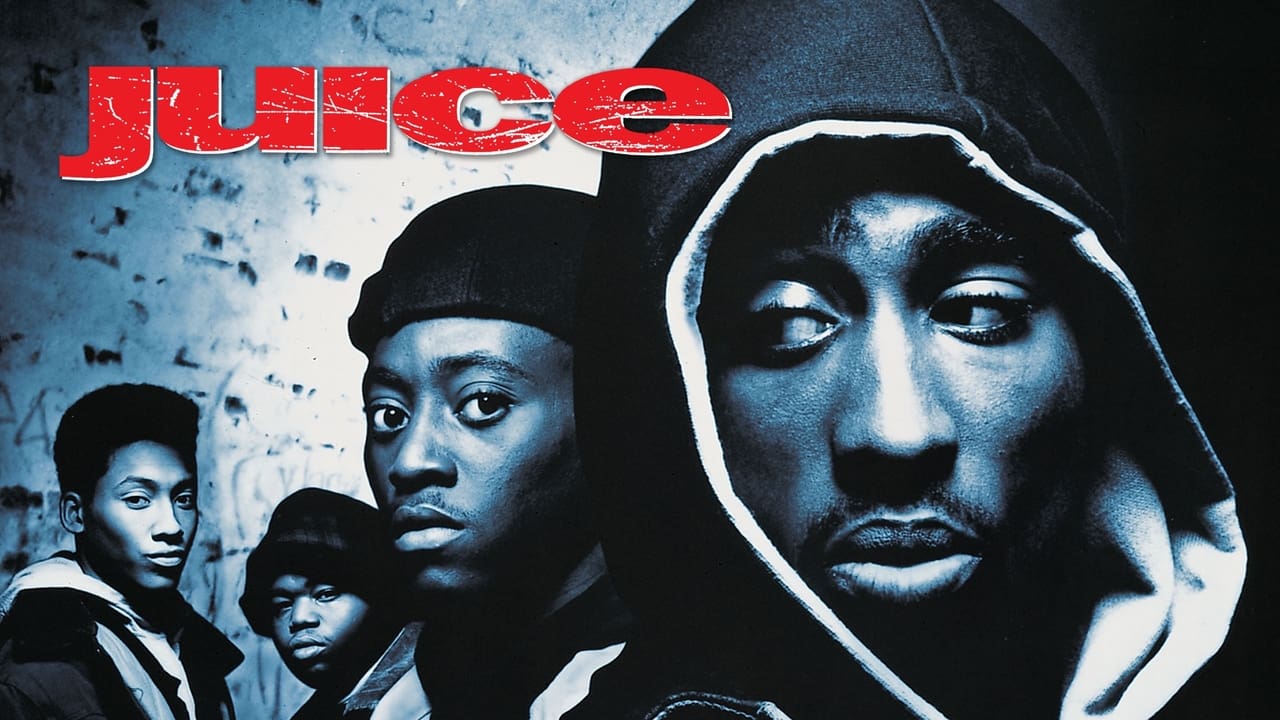
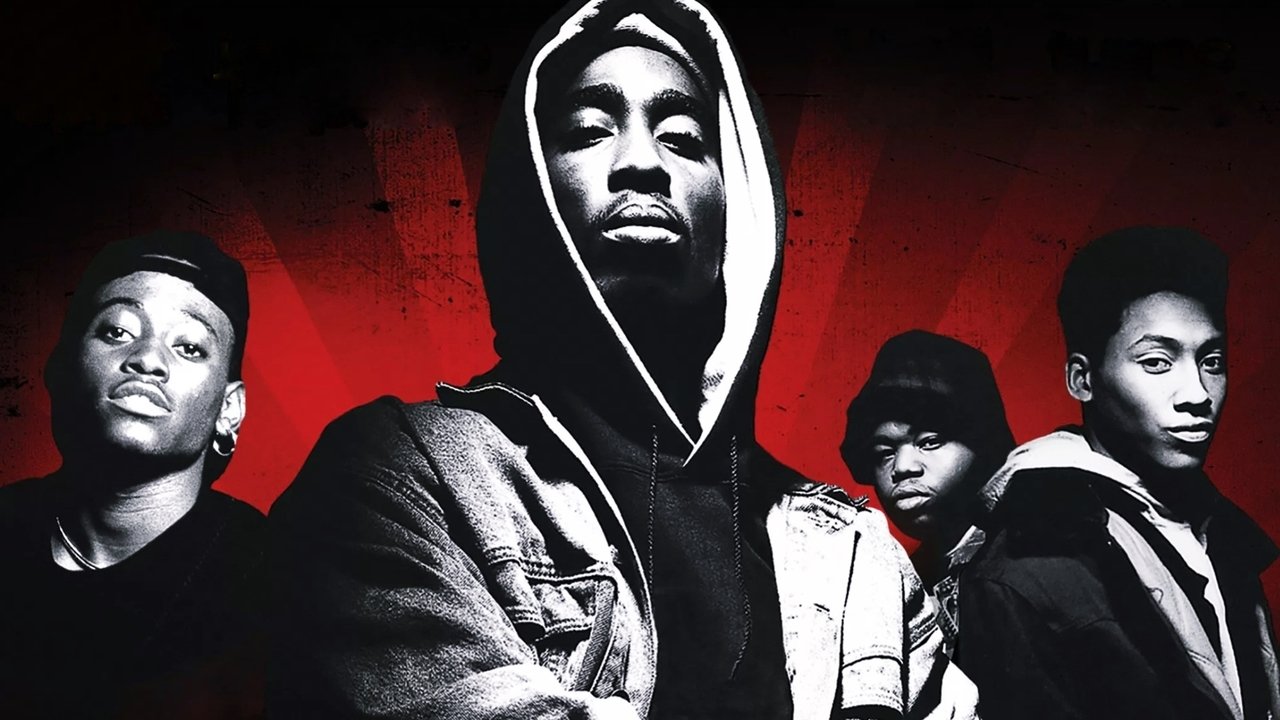
Right from the opening frames, you feel the environment. Dickerson, already renowned as the brilliant cinematographer behind Spike Lee’s seminal works like Do the Right Thing (1989) and Mo' Better Blues (1990), brings that same visual intensity to his directorial debut. He doesn't just show us Harlem; he immerses us in its rhythm, its claustrophobia, its simmering potential energy. The camera often stays tight on the faces of our central quartet – Q (Omar Epps), Bishop (Tupac Shakur), Raheem (Khalil Kain), and Steel (Jermaine Hopkins) – capturing their camaraderie, their boredom, and the anxieties flickering just beneath the surface. This isn't just backdrop; the city itself feels like a character, pressing in on them, shaping their choices. The authenticity is undeniable, grounded in the lived-in details of corner stores, rooftops, and cramped apartments.
The Point of No Return
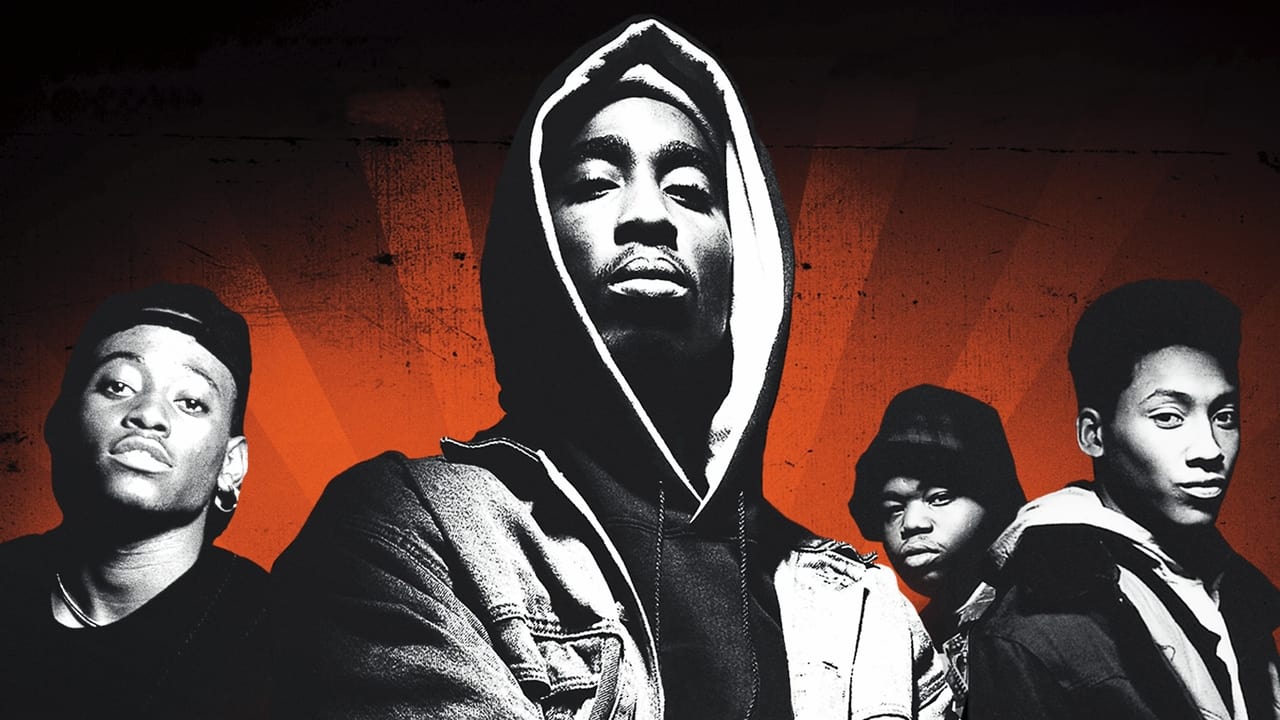
The story pivots on a decision, a moment where youthful restlessness curdles into something darker. Tired of petty harassment and dreaming of escaping their perceived powerlessness, Bishop pushes the crew towards armed robbery. It’s here the film tightens its grip. The initial camaraderie, the easy banter that defines their friendship, begins to fracture under the weight of this transgression. Dickerson and co-writer Gerard Brown masterfully build the tension, not through cheap jump scares, but through escalating stakes and the chilling transformation of one character. Remember that nervous energy before the robbery? The way the air crackled? That’s the feeling Juice excels at bottling.
Bishop's Reign: The Fire in Tupac's Eyes
Let's be blunt: Juice is remembered, above all else, for the electrifying, terrifying performance of Tupac Shakur as Bishop. It's a star-making turn that transcends the screen. Initially charming, even magnetic, Bishop’s hunger for respect – for the juice – metastasizes into a cold, sociopathic ambition. There's a terrifying conviction in his eyes, a switch flipped that feels utterly believable and deeply unsettling.
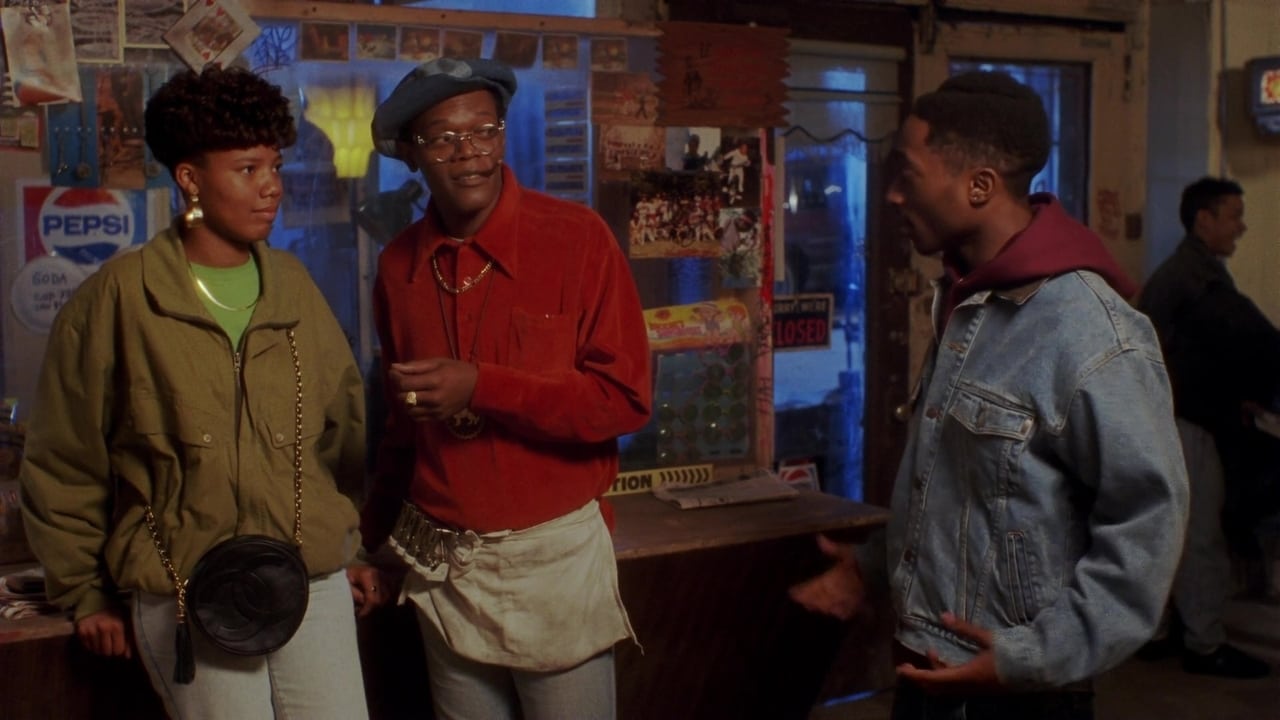
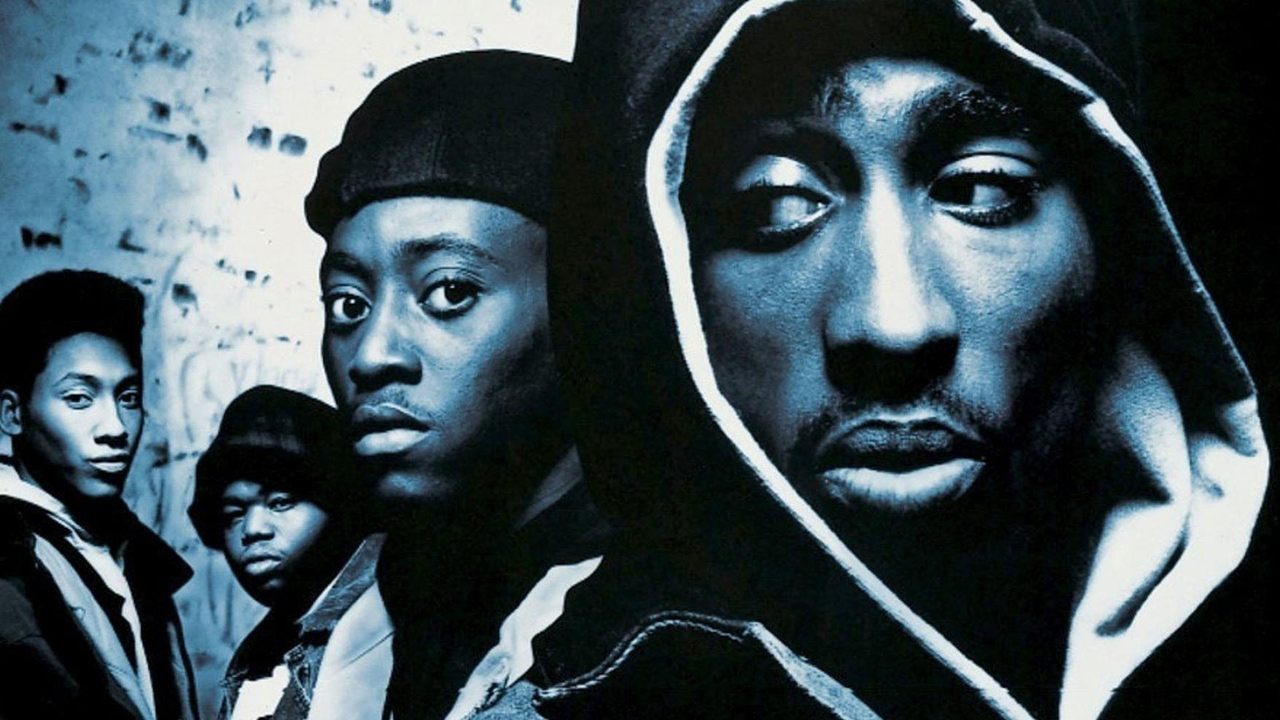
Retro Fun Fact: It’s fascinating to know that Tupac initially auditioned for the role of Q. However, Dickerson saw something else entirely during the read – the raw intensity, the edge – and knew he’d found his Bishop. It’s one of those perfect casting moments that defines a film. Watching him, you see not just an actor playing a role, but an artist channeling a volatile energy that feels dangerously real. It’s a performance that’s hard to shake, burning itself into your memory. Omar Epps, in his feature film debut, provides the crucial counterweight as Q, the aspiring DJ whose moral compass becomes the audience's anchor in the escalating chaos. His journey from loyal friend to potential victim is heartbreakingly portrayed.
The Rhythm of the Street
You can't talk about Juice without mentioning its soundtrack. It’s not just background music; it’s the film’s pulse. Featuring a who's-who of early 90s hip-hop royalty – Eric B. & Rakim (whose "Juice (Know the Ledge)" became synonymous with the film), Naughty by Nature, Big Daddy Kane, EPMD – the music is woven into the fabric of the narrative. Q’s passion for DJing isn't just a plot point; it’s a reflection of the culture, the soundscape of their lives. The beats amplify the tension, underscore the bravado, and provide moments of fleeting escape. Finding this soundtrack on cassette felt like uncovering treasure back in the day, didn't it?
Legacy of the Juice
Released amidst a wave of powerful "hood films" exploring the realities of urban life, Juice stood out for its psychological intensity and its stark portrayal of consequence. It wasn't just about systemic issues; it was about the dangerous allure of power within that system, how the desperate need for respect can lead down a self-destructive path. While lauded for its performances and direction, the film also courted controversy for its violence, a reflection of the anxieties surrounding urban crime and hip-hop culture at the time. Its relatively modest budget (around $5 million) yielded a solid box office return (over $20 million), but its true impact lies in its enduring cultural footprint and its launch of two major stars in Epps and Shakur. Doesn't Bishop's chilling gaze still feel potent decades later?
---
VHS Heaven Rating: 9/10
Justification: Juice earns this high score for its raw authenticity, Ernest R. Dickerson's masterful direction creating palpable atmosphere, the stellar ensemble cast led by Omar Epps, and, crucially, Tupac Shakur's legendary, terrifying performance. The tension is expertly built, the themes resonate powerfully, and the soundtrack remains iconic. It loses a single point perhaps only for moments where the plot mechanics feel slightly visible, but its visceral impact and cultural significance are undeniable.
Final Thought: More than just a crime drama or a hip-hop movie, Juice is a potent, unsettling character study about the intoxicating, destructive nature of power on the streets. It’s a tape that, once played, leaves an echo you won’t soon forget. A cornerstone of 90s urban cinema that still hits hard.