Dust devils dancing across a sun-baked highway, a town sign promising welcome but hinting at something else entirely... that’s the image that often surfaces when I think back to John Dahl’s tightly coiled neo-noir, Red Rock West (1993). It’s one of those films that might have slipped past you back in the day, perhaps lost amidst louder blockbusters on the video store shelves. I distinctly remember picking up the VHS, intrigued by the cast, maybe expecting a straightforward thriller, and being utterly captivated by its simmering tension and knotty plot. It felt like uncovering a hidden gem, a secret whispered between true film lovers.
Nowhere to Run
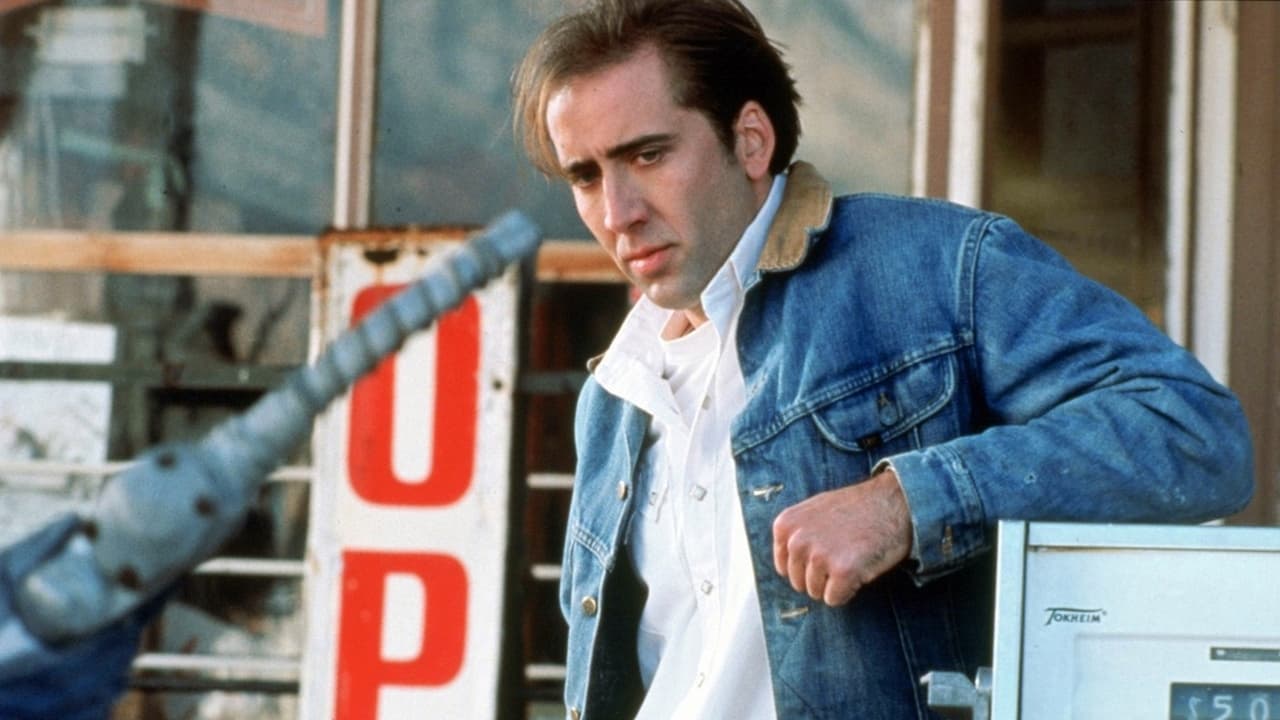
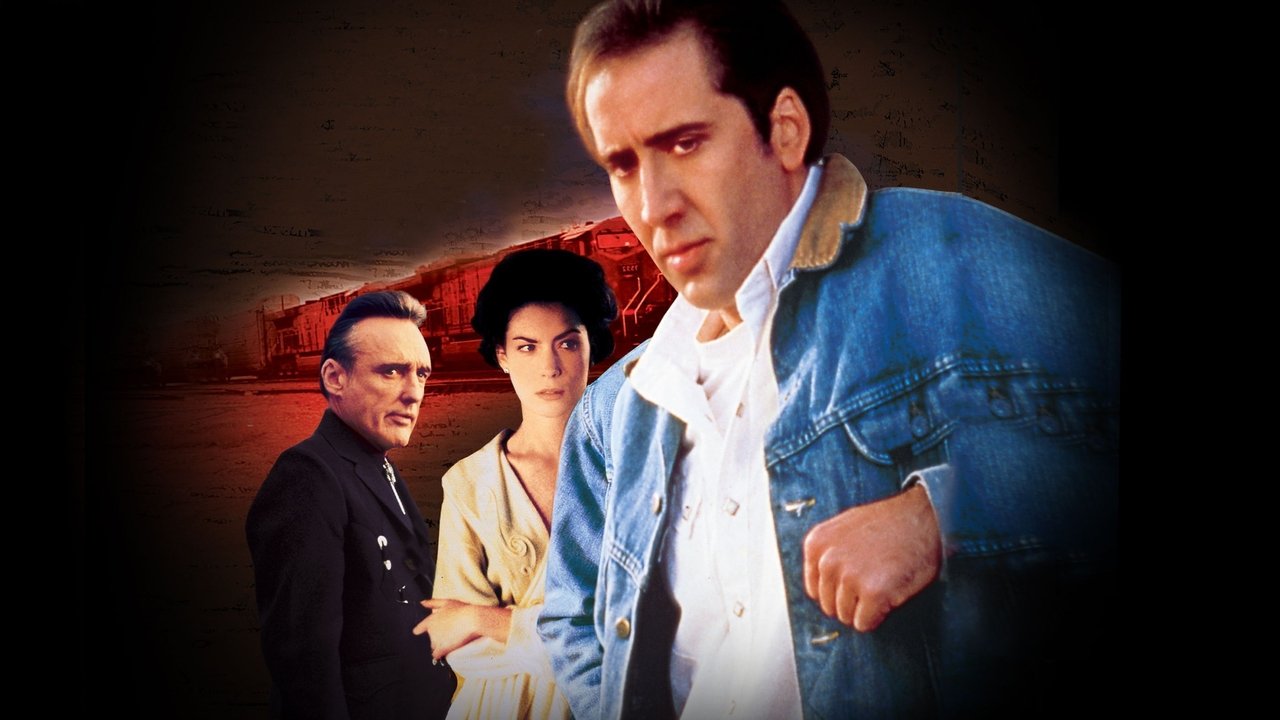
The setup is pure noir, steeped in bad luck and desperation. Nicolas Cage, before he became the meme-able icon, delivers a wonderfully weary and grounded performance as Michael Williams, an honest Texan drifter whose job prospect evaporates, leaving him nearly penniless in rural Wyoming. He stumbles into the titular town of Red Rock hoping for work, only to be mistaken for a hitman named "Lyle from Dallas." The man offering the job? Wayne Brown, the local bar owner, played with simmering resentment by the ever-reliable J.T. Walsh. The target? Wayne's wife, Suzanne, portrayed with a captivating mix of vulnerability and cunning by Lara Flynn Boyle. It’s a classic 'wrong man' scenario, but Dahl, co-writing with his brother Rick Dahl, doesn't just set the trap; he keeps tightening its jaws with delicious cruelty. Michael takes the money, warns the wife, and tries to skip town... but Red Rock, it seems, doesn't let go easily.
Atmosphere Thicker Than Prairie Dust
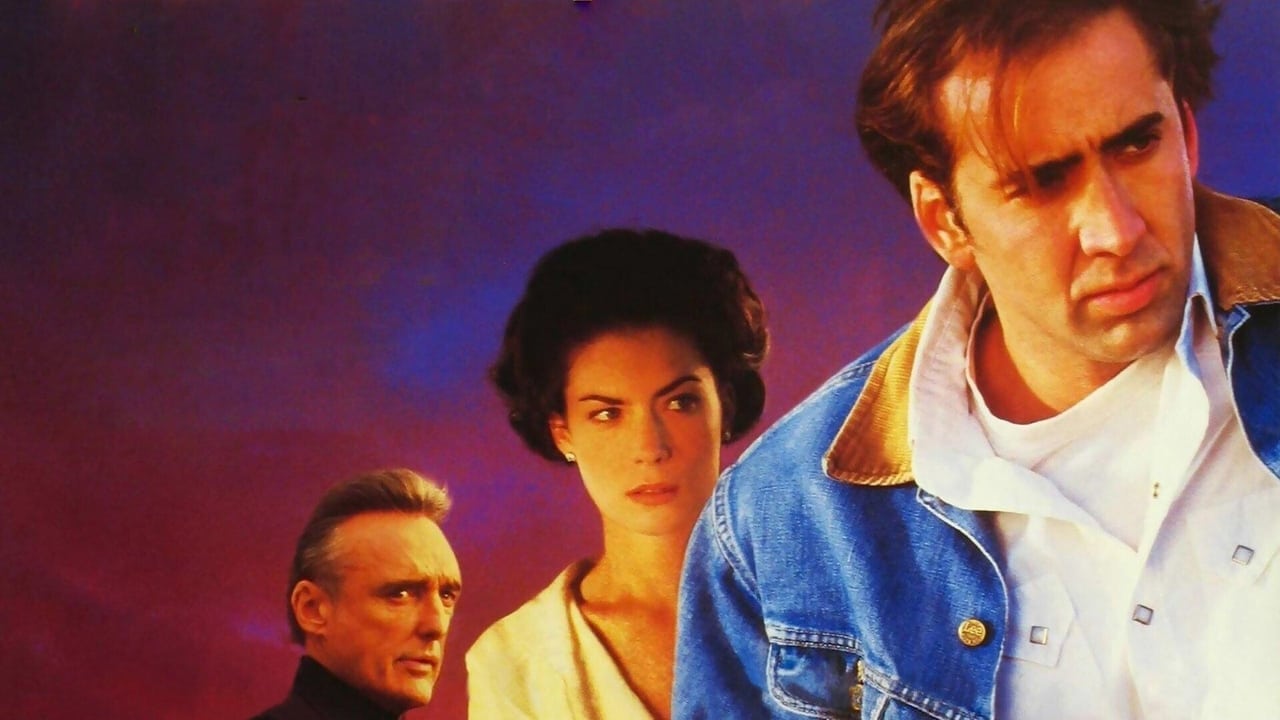
What elevates Red Rock West beyond its clever premise is John Dahl’s masterful direction. Fresh off his debut Kill Me Again (1989) and just before solidifying his neo-noir credentials with The Last Seduction (1994), Dahl demonstrates an incredible knack for economic storytelling and building suspense. He uses the desolate Wyoming landscape (actually filmed mostly in Montana and Arizona) not just as a backdrop, but as an active participant – vast, empty, and offering nowhere to hide. The cinematography captures the fading light and the neon glow of lonely bars, creating a mood that’s both isolated and claustrophobic. Every shadow seems to hold a threat, every quiet moment buzzes with unspoken danger. There’s a palpable sense of inevitability hanging over Michael, the feeling that every choice, no matter how well-intentioned, only drags him deeper into the mire.
Aces Up Their Sleeves
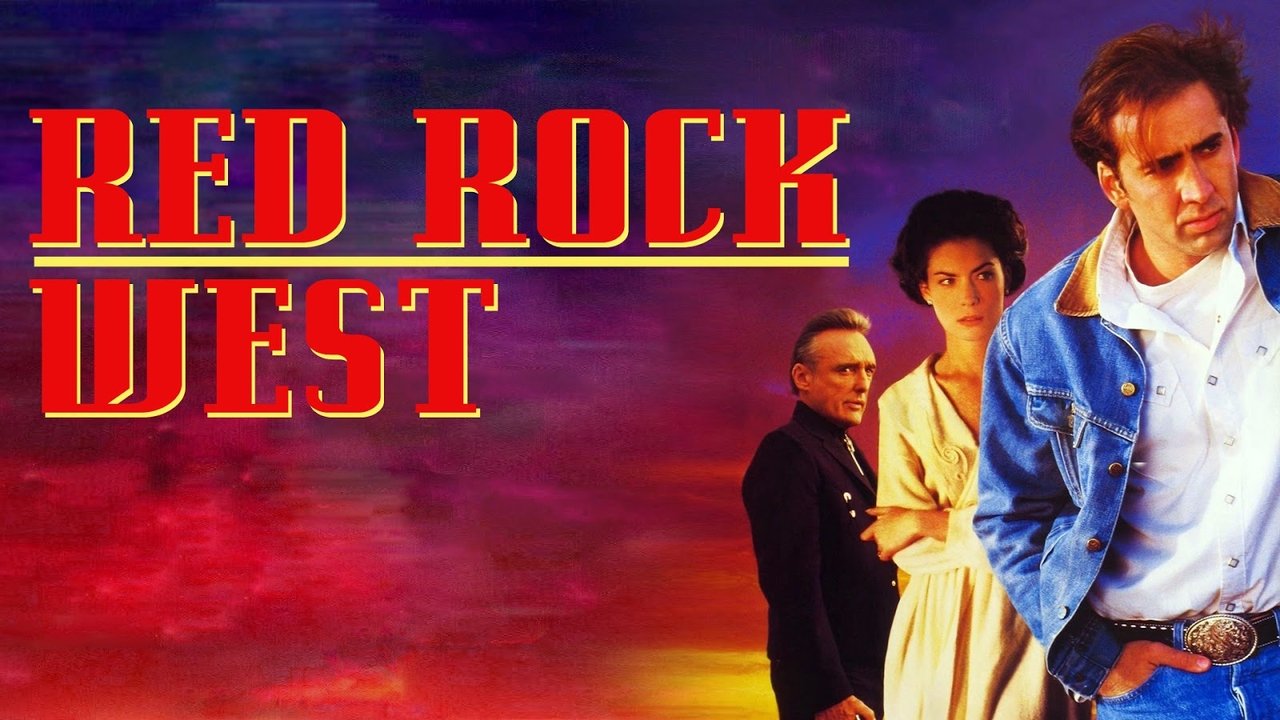
The casting here is just perfect. Cage, as mentioned, is fantastic, playing Michael not as a hero, but as an increasingly desperate man just trying to survive. You feel his exhaustion, his panic, his dawning realization that he's in way over his head. Then there’s Dennis Hopper as the real Lyle from Dallas. Arriving late but stealing every scene, Hopper delivers a performance that’s both terrifyingly unhinged and darkly funny. His Lyle isn't just a killer; he's a force of chaotic nature with a chillingly casual attitude towards violence. The scenes between Cage and Hopper crackle with tension. Lara Flynn Boyle navigates the tricky femme fatale role beautifully, keeping you guessing about Suzanne's true motives until the very end. Is she a victim or a manipulator, or somehow both? And J.T. Walsh, as always, brings a grounded, believable menace to the betrayed husband. Each actor understands the assignment, contributing to the film’s tightly wound structure. Hopper, apparently, even improvised some of his character’s more unsettling lines, adding to that feeling of unpredictable danger.
Retro Fun Facts: The Thriller That Almost Wasn't
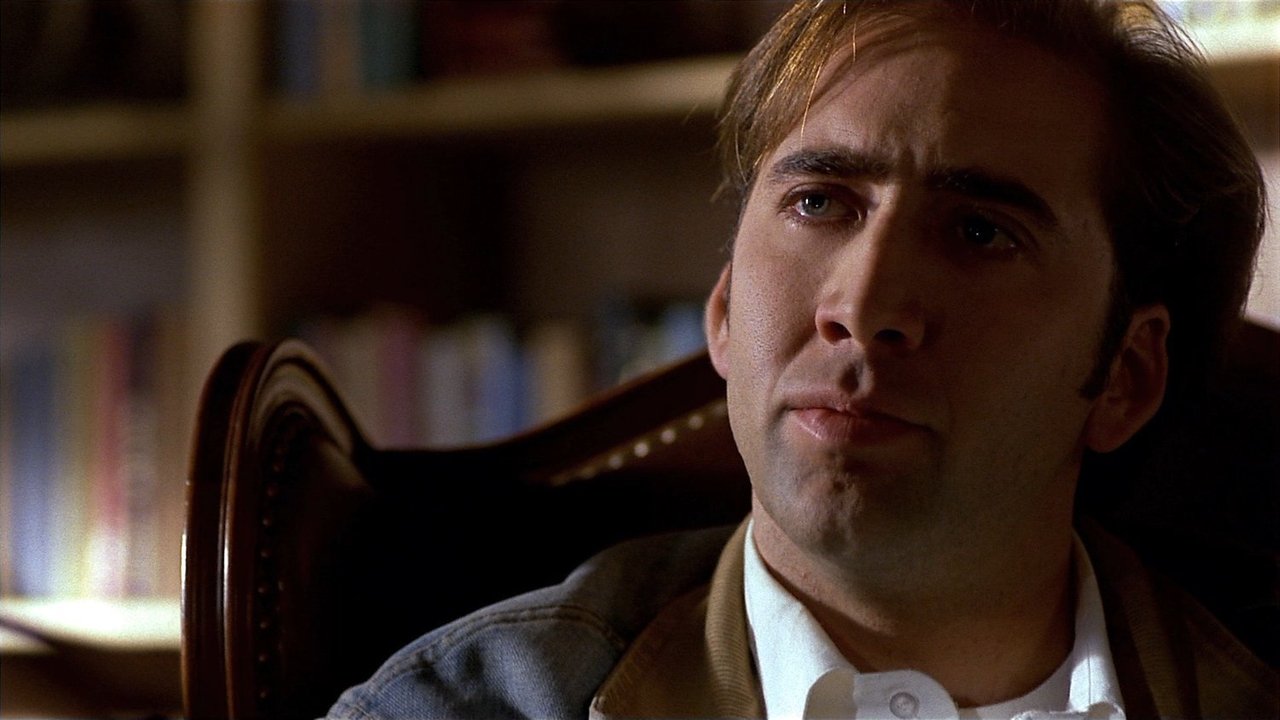
Here’s a fascinating bit of VHS-era history: Red Rock West almost never saw the inside of a movie theater. Produced for a modest $7-8 million (Cage reportedly took a pay cut to participate), the studio initially lost faith and planned to dump it straight onto cable and home video. It felt like another potentially solid thriller destined to be lost in the direct-to-video shuffle. However, glowing reviews and enthusiastic audience reactions at prestigious film festivals like Toronto and Sundance generated enough buzz to convince distributors to give it a limited theatrical release. It wasn't a box office smash initially, grossing only around $2.5 million in the US, but its reputation grew steadily through word-of-mouth and those crucial video rentals, eventually earning its place as a beloved cult classic of 90s neo-noir. It’s a testament to the power of strong filmmaking and a reminder that sometimes, the best discoveries were waiting in those unassuming VHS boxes. Dahl’s resourcefulness, born from the tight budget, arguably contributes to the film's lean, mean feel – there's no fat here, just pure, propulsive storytelling.
Why It Still Holds Up
Watching Red Rock West today, it strikes me how efficiently crafted it is. The plot twists feel earned, stemming naturally from character choices and desperate circumstances, rather than contrived shocks. It avoids unnecessary complexity, focusing instead on ratcheting up the pressure on Michael. The dialogue is sharp and functional, revealing character and advancing the plot without unnecessary exposition. It taps into timeless themes: the allure of easy money, the inescapability of consequence, and the terrifying randomness of fate. How quickly can an ordinary life derail when placed under extraordinary pressure? The film doesn't offer easy answers, preferring to leave you pondering the moral grey areas its characters inhabit.
Rating: 9/10
This score reflects the film's near-perfect execution as a tight, atmospheric neo-noir thriller. The script is clever and economical, John Dahl's direction is assured and moody, and the performances from Nicolas Cage, Dennis Hopper, Lara Flynn Boyle, and J.T. Walsh are uniformly excellent. It masterfully builds suspense and delivers satisfying twists without resorting to cheap tricks. It loses perhaps a single point only because, while expertly crafted within its genre, it doesn't radically reinvent the wheel, but rather perfects a familiar formula with style and intelligence.
Red Rock West remains a shining example of 90s independent filmmaking and a must-watch for any fan of smart thrillers or neo-noir. It’s a film that proves you don’t need a massive budget or explosive set pieces to create unbearable tension – sometimes, all it takes is a dusty road, a desperate man, and a town that refuses to let you leave. What lingers most is that feeling of being trapped, not just by circumstance, but by the weight of one wrong turn – doesn't that resonate even now?