It wasn't the explosions or the high-octane chases that first pulled you into Cop Land. It was the quiet weight carried by Sylvester Stallone, heavier than the extra pounds he famously packed on for the role. Here was Rocky, Rambo, transformed into Freddy Heflin, the partially deaf, seemingly passive sheriff of Garrison, New Jersey – a town built across the river as a haven for NYPD officers, a place meant to be safe, clean, separate. But watching it back then on a worn VHS tape, maybe late on a Saturday night, you felt the unsettling truth simmering beneath the suburban facade almost immediately. This wasn't just another cop movie; it felt different, heavier, more grounded in a kind of weary realism that stuck with you long after the VCR clicked off.
Across the River, Under the Surface
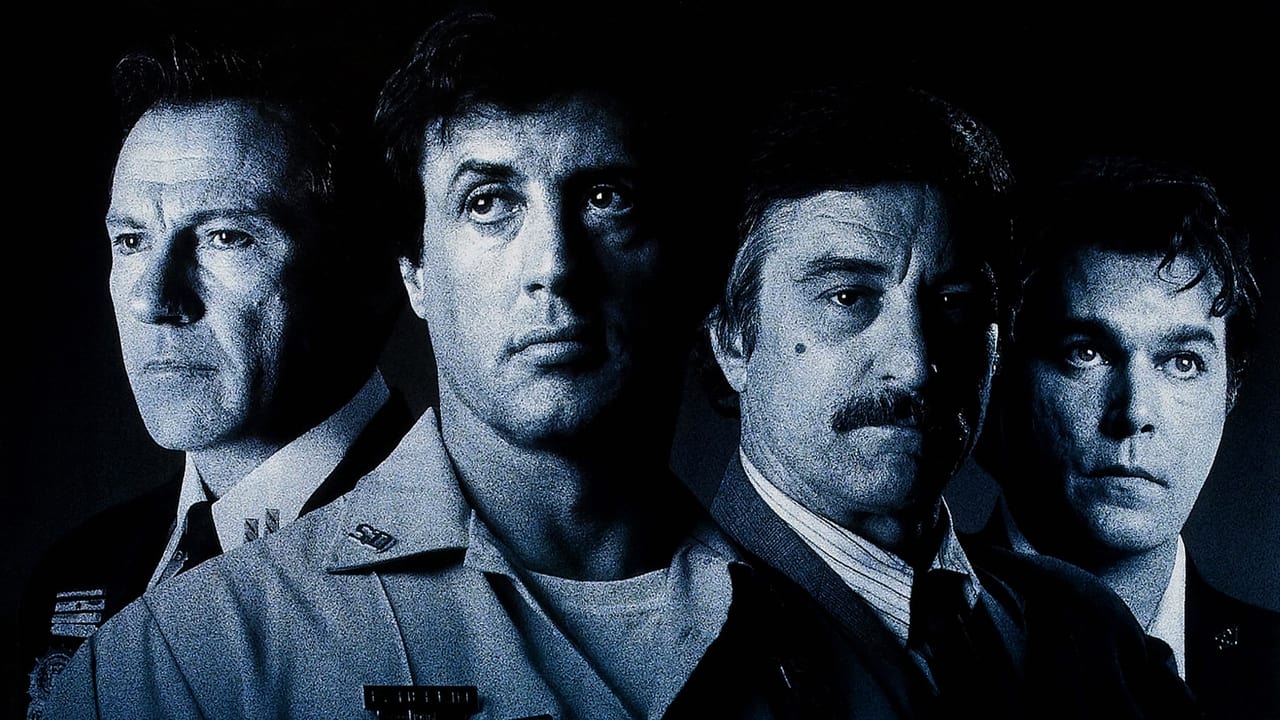
Writer-director James Mangold, who would later give us powerful character studies like Walk the Line (2005) and Logan (2017), crafted something special with Cop Land. Garrison, New Jersey – nicknamed "Cop Land" – isn't just a location; it's a pressure cooker. Populated almost exclusively by New York City cops led by the intimidating Ray Donlan (Harvey Keitel), it's presented as an idyllic escape from the city's grime. Yet, Mangold subtly peels back the layers, revealing a community bound not just by loyalty, but by complicity and secrets. The inciting incident – a young cop's questionable shooting and the subsequent cover-up orchestrated by Donlan and his inner circle – forces Garrison's simmering corruption to the surface, right into the lap of its overlooked sheriff. The film masterfully builds a sense of claustrophobia, not through tight spaces, but through the suffocating weight of unspoken agreements and compromised morality. You can almost feel the damp chill of the Jersey setting seeping through the screen.
Stallone's Quiet Storm
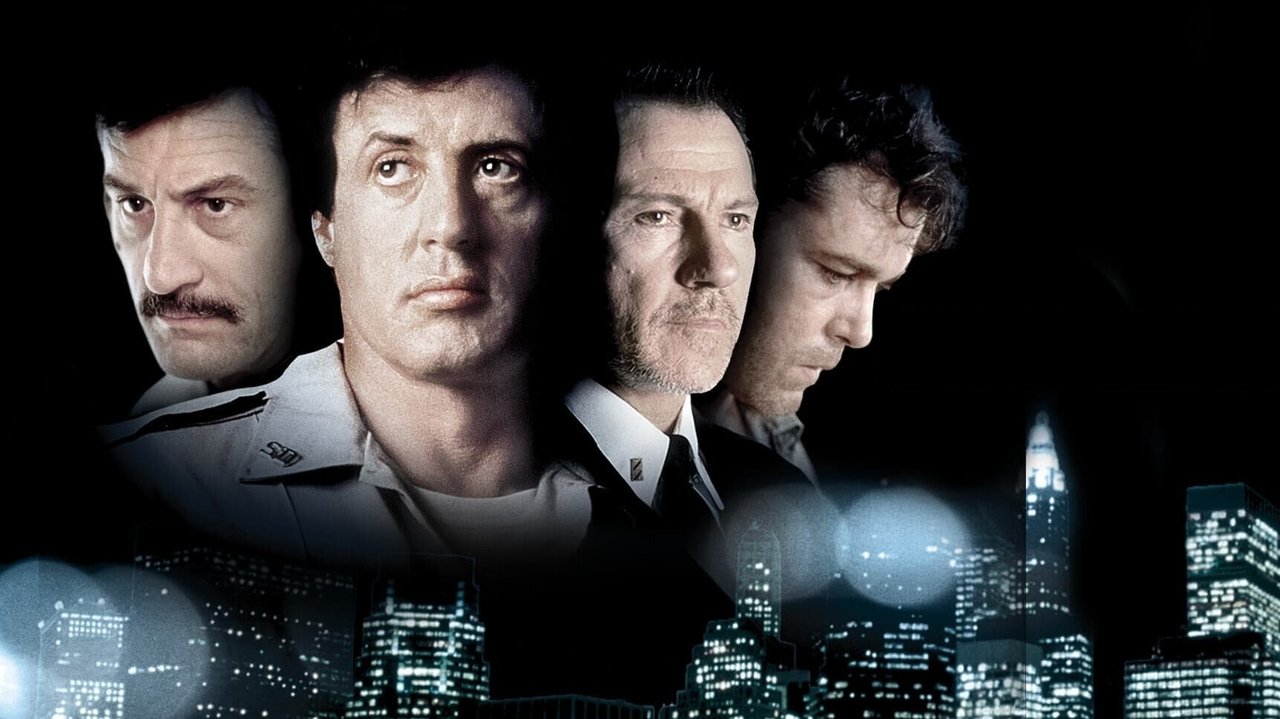
Let's talk about Stallone. This was a deliberate, significant departure. Shedding the muscle-bound physique that defined his 80s reign, he gained roughly 40 pounds to embody Freddy's perceived inertia and deferred dreams. It wasn't just a physical transformation; it informed his entire performance. Freddy is a man haunted by a past act of heroism that cost him his hearing and his chance to be an NYPD officer like the men he polices. He moves with a slump, his gaze often downcast, radiating a palpable sense of melancholy and resignation. Critics at the time rightly praised this nuanced turn – it felt less like acting and more like inhabiting a character weighed down by life. There’s a quiet dignity in his portrayal, a slow burn of conscience that makes his eventual stand so compelling. We see the internal struggle playing out in his eyes, the gradual shedding of deference as he confronts the men he once admired. Was this the performance Stallone needed to prove his dramatic range? Absolutely, and it remains one of the most authentic and affecting of his career.
A Murderer's Row of Talent
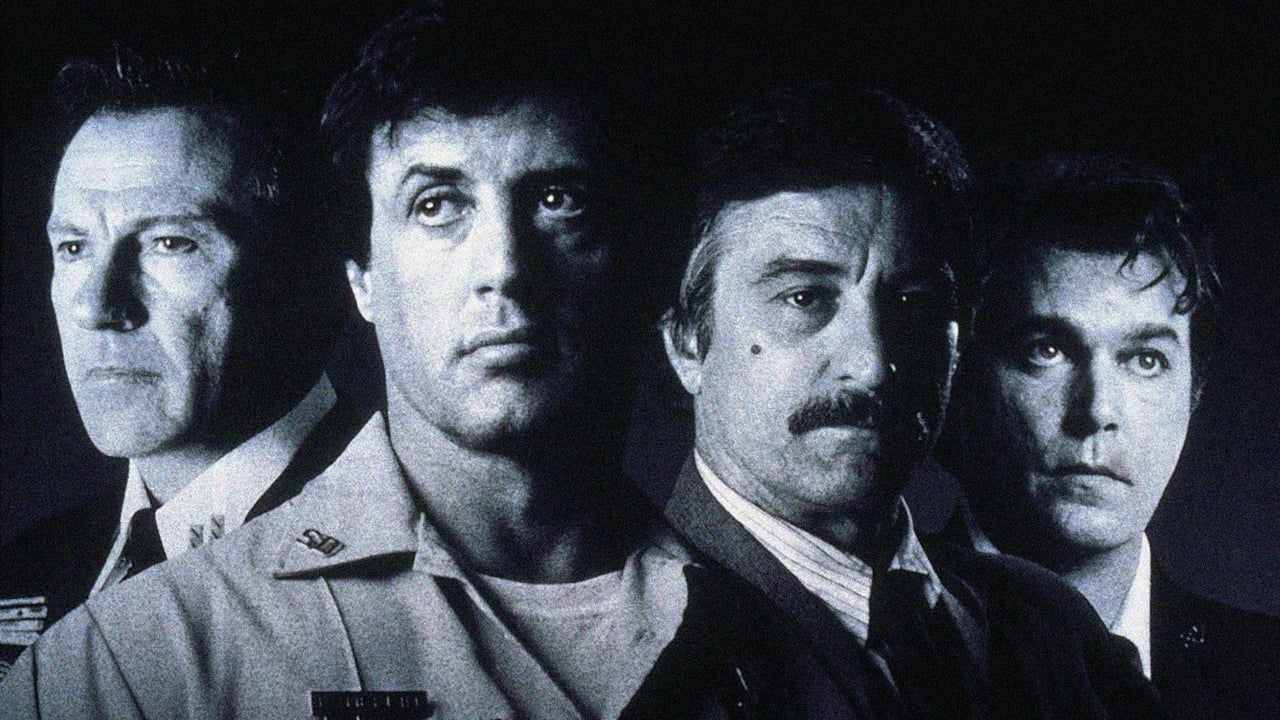
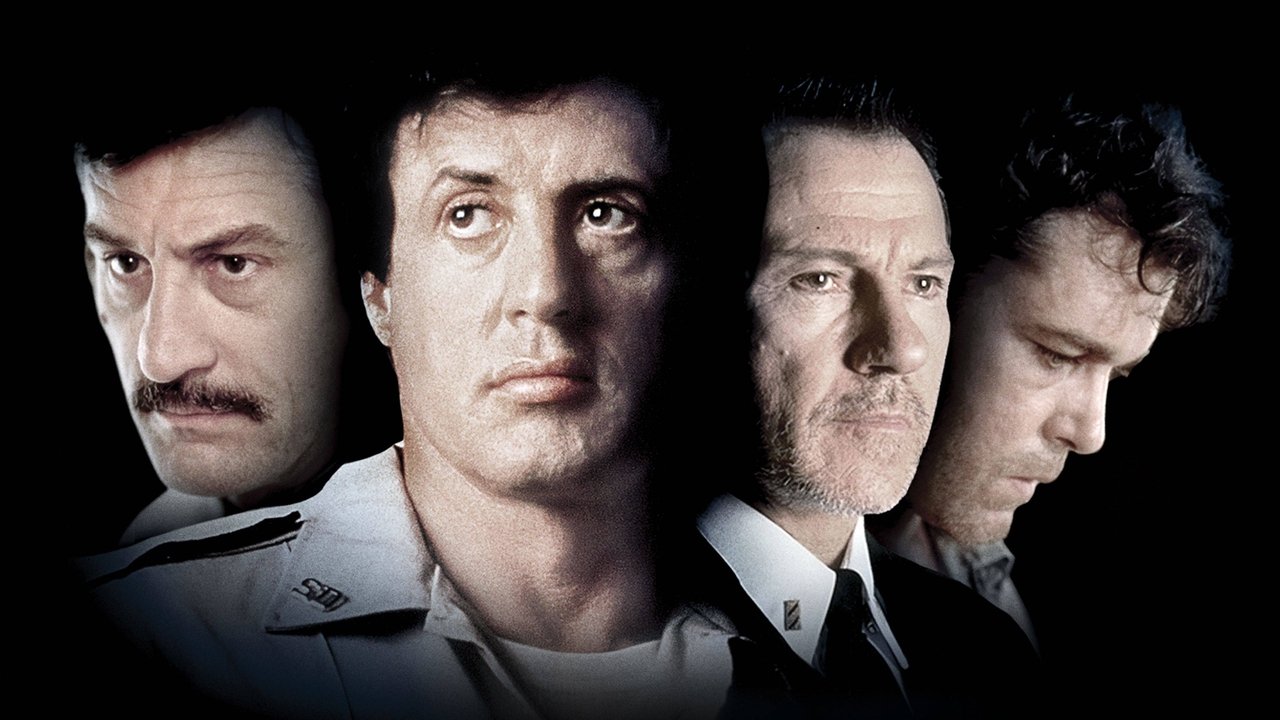
Surrounding Stallone is an ensemble cast that frankly still feels staggering today. Harvey Keitel is magnetic as Ray Donlan, the charismatic patriarch whose paternal charm masks a ruthless core. He embodies the arrogance of power, the belief that the badge places him above the law. Then there's Ray Liotta as Gary "Figgsy" Figgis, a volatile member of Donlan's crew wrestling with his own demons and addictions. Liotta brings his signature intensity, but laces it with a vulnerability that makes Figgsy one of the film's most complex figures. And who could forget Robert De Niro as Moe Tilden, the Internal Affairs investigator circling Garrison like a hawk? De Niro brings his gravitas, representing the outside force threatening to expose the town's rot. It’s a testament to Mangold’s script and direction that even amidst such heavyweights – including stellar supporting turns from Peter Berg, Janeane Garofalo, Robert Patrick, Michael Rapaport, and Annabella Sciorra – Stallone’s Freddy remains the undeniable anchor. Reportedly, many of these actors took significant pay cuts just to be part of this project, drawn by the strength of Mangold's script. It speaks volumes about the quality of the material they were working with.
Grounded Grit and Hidden Depths
Mangold consciously avoided the slick gloss often associated with 90s thrillers. The film has a deliberately paced, character-driven rhythm. He lets scenes breathe, focusing on the tense interactions and unspoken threats exchanged in quiet bars and living rooms. Even the climactic shootout feels different – less like stylized action, more like a messy, desperate, and tragically inevitable eruption of violence. It feels earned, rooted in the character arcs rather than just genre convention. This grounded approach extended behind the scenes too. Shot largely in actual New Jersey towns like Edgewater, the film captures an authentic sense of place. Mangold, inspired by real-world instances of police communities forming their own isolated enclaves, fought to maintain the film's challenging themes and morally gray areas against potential studio pressure for a more conventional thriller.
Why It Still Holds Up
Beyond the powerhouse performances and taut direction, Cop Land resonates because its themes feel disturbingly timeless. The allure of unaccountable power, the corrosive nature of institutional silence, the difficult choice between loyalty and morality – don't these dilemmas echo in headlines even today? Freddy Heflin's journey isn't about becoming a superhero; it's about finding the courage to do the right thing, even when it means confronting the very community he serves, the very people he might have once wished to be. It’s a story about disillusionment, yes, but ultimately about the flicker of integrity that can survive even in the most compromised environments. Pulling that tape off the shelf at the local video store, you might have expected a standard Stallone vehicle, but Cop Land delivered something far richer and more thought-provoking.
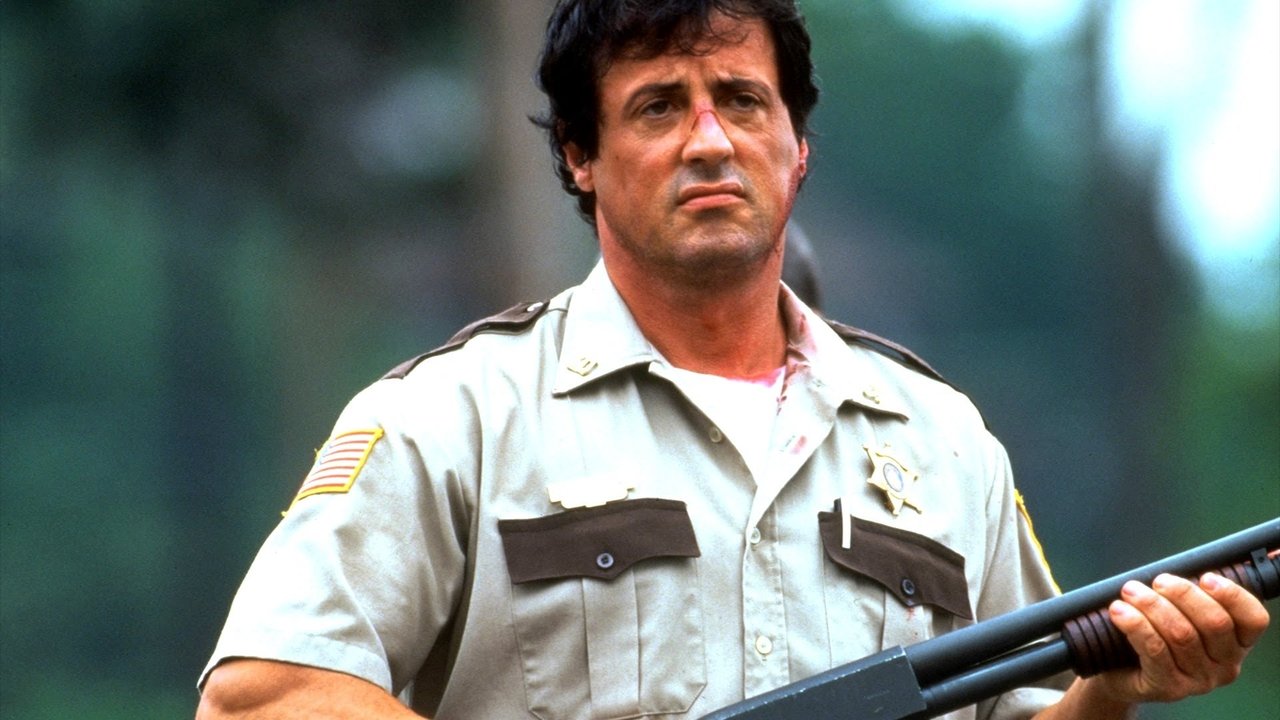
Rating: 8/10
This score reflects the film's powerhouse ensemble cast firing on all cylinders, Stallone's career-best dramatic turn, Mangold's assured direction, and a script that offers genuine substance beneath its crime thriller surface. It’s a tight, atmospheric, and morally complex piece that avoids easy answers. While perhaps the pacing might feel deliberate to modern audiences accustomed to faster cuts, its grounded realism and thematic weight more than compensate.
Cop Land remains a standout adult drama from the 90s, a potent reminder that sometimes the most compelling battles aren't fought with explosions, but within the quiet compromises of the human heart. It’s the kind of film that settles in your thoughts, leaving you pondering the thin line between protection and corruption long after the credits roll.