There's a particular kind of silence that settles after certain films end, isn't there? Not an awkward quiet, but a heavy, thoughtful one, the kind where the images and emotions are still swirling, demanding space. That’s the feeling Yavuz Turgul’s 1996 masterpiece, The Bandit (Original Title: Eşkıya), leaves you with. For many outside of Turkey, this film might have been a discovery tucked away in the 'World Cinema' aisle of the video store, a tape perhaps rented on a whim, promising something different from the usual Hollywood gloss. And different it certainly was – a profoundly moving story that felt both timeless and deeply rooted in the turbulent changes of its era.
### A Man Out of Time
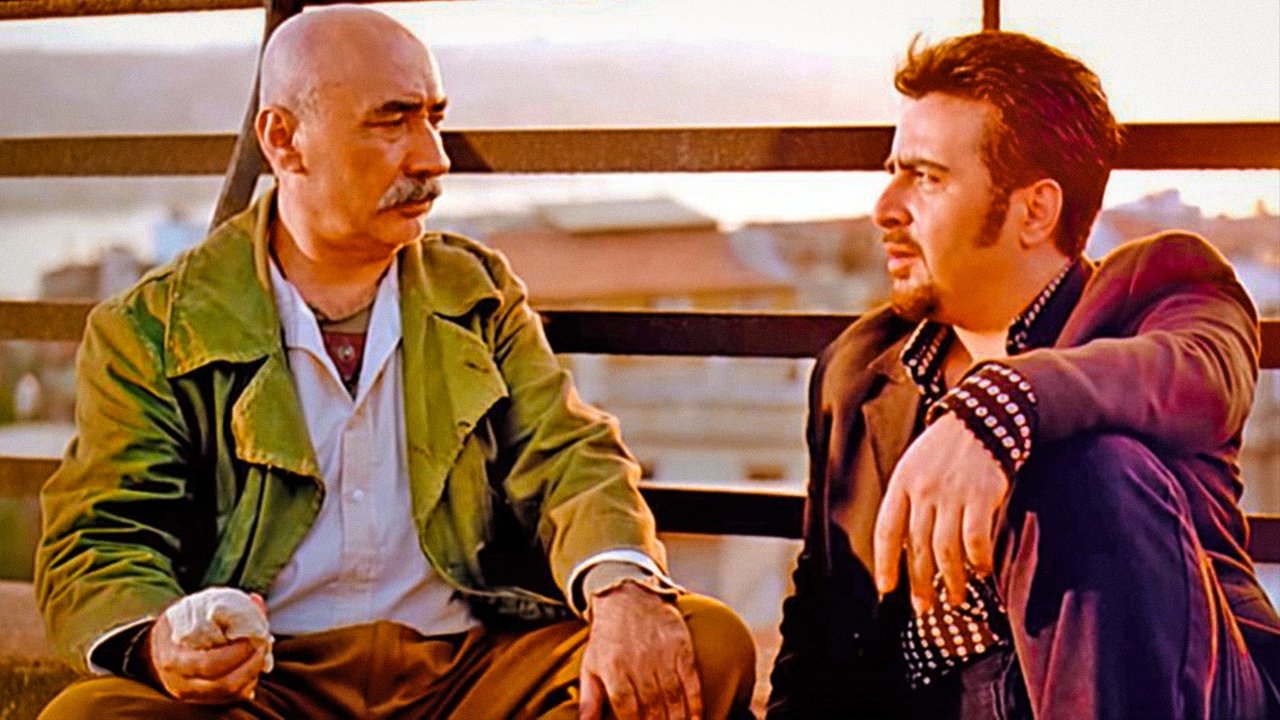
The film opens with a release – Baran (Şener Şen), a legendary bandit, emerges from prison after 35 long years, betrayed by a friend who coveted both his gold and his fiancée, Keje (Sermin Hürmeriç). He steps out not into the familiar, rugged mountains of his youth in Turkey's southeast, but eventually into the dizzying, sprawling chaos of 1990s Istanbul. This contrast is the film's narrative engine: the clash between Baran's archaic code of honour, his unwavering loyalty and sense of justice forged in a simpler, harsher world, and the morally ambiguous, fast-paced urban jungle where survival often means compromise.
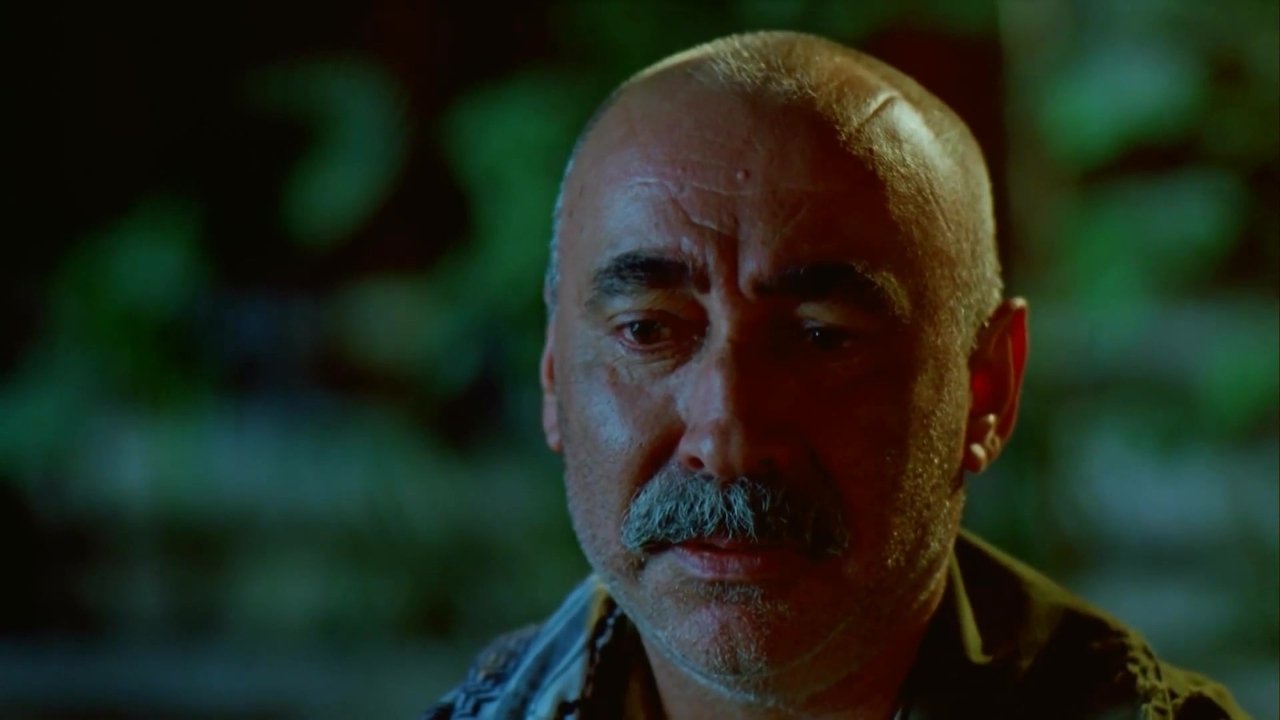
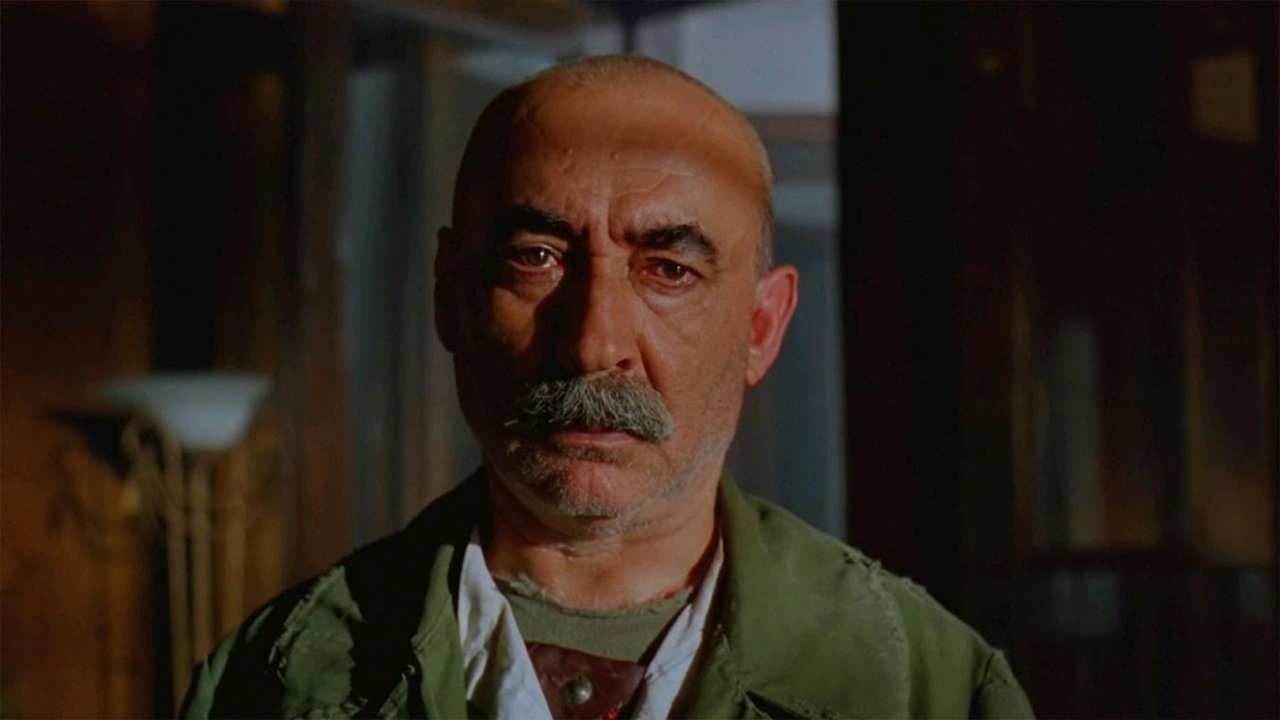
Şener Şen, an actor primarily known for his comedic roles in Turkish cinema up to that point, delivers a performance of staggering gravitas. His Baran is a figure of quiet dignity, his face a map of sorrows endured, his eyes holding the weight of decades lost. There’s a stillness about him, a sense of observing this alien world with a mixture of confusion, sadness, and unshakable resolve. It’s a performance built on subtlety – a slight downturn of the mouth, a flicker of pain in his gaze, the set of his shoulders carrying the burden of his past. Watching him navigate the overwhelming noise and indifference of the city is heartbreaking; he's a relic, a walking embodiment of values the modern world seems to have discarded.
### The Neon Wilderness and Shifting Loyalties
Istanbul itself becomes a character – vibrant, dangerous, seductive, and deeply lonely. Turgul captures the specific energy of the city in the mid-90s, a place caught between tradition and aggressive modernity. Into this labyrinth Baran searches for Keje, his lost love, and the man who betrayed him. His path crosses with Cumali (Uğur Yücel), a small-time hustler, drug dealer, and bar owner clinging desperately to the fringes of the underworld. Yücel, another powerhouse of Turkish acting, provides the perfect counterpoint to Şen. His Cumali is jittery, volatile, driven by desperation and a warped sense of street loyalty. He's a product of the very environment that mystifies Baran.
Their relationship forms the complex core of the film. Initially one of convenience and mutual suspicion, it slowly evolves into something deeper, a fragile bond between two men from vastly different worlds, both struggling against forces larger than themselves. Cumali sees in Baran a flicker of the legendary strength he lacks, while Baran, perhaps, sees in Cumali a reflection of the compromised world he must now navigate, and maybe even a potential for redemption. Their interactions are electric, fraught with tension but underscored by a growing, unspoken understanding.
### More Than Just a Crime Story
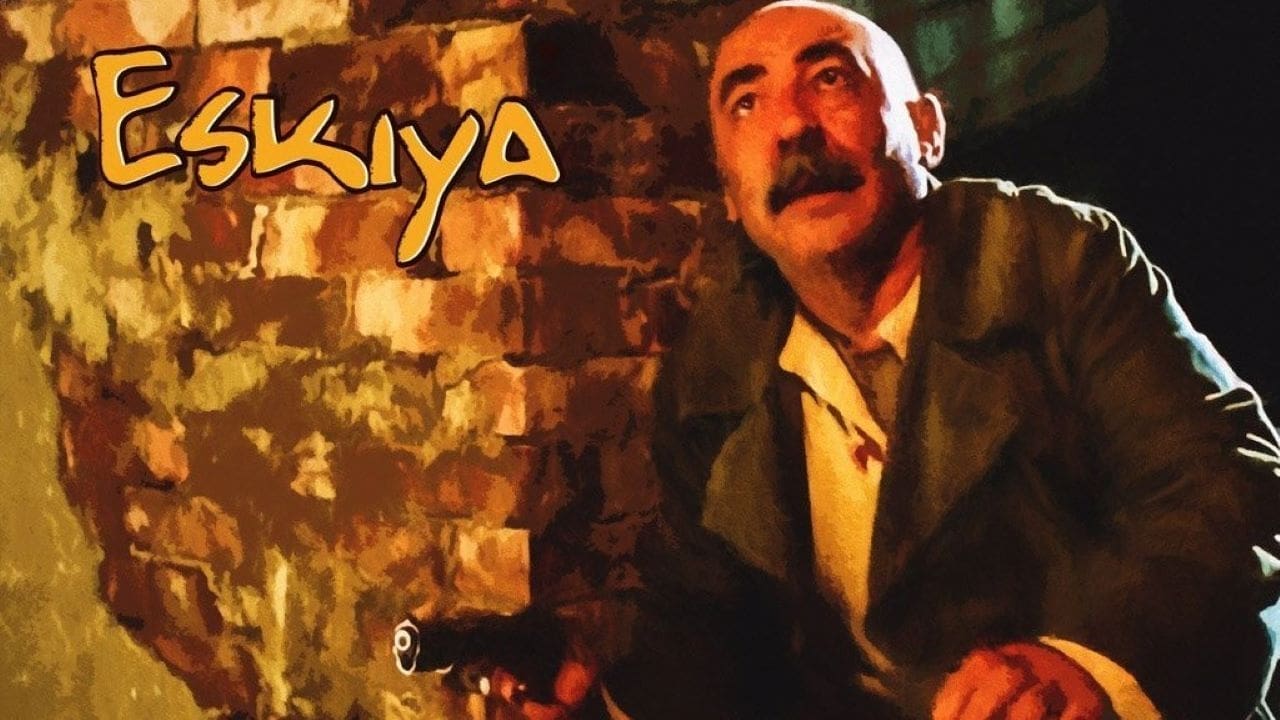
While The Bandit has elements of a crime thriller – pursuits, standoffs, moments of sudden violence – it transcends genre conventions. It's fundamentally an elegy for a lost way of life, an exploration of honour in a dishonourable age, and a poignant love story stretched across decades of separation and silence. The search for Keje isn't just about romantic reunion; it's about reclaiming a stolen past, finding an anchor in a world adrift.
It's fascinating to remember the impact this film had. Released in 1996, The Bandit wasn't just a movie; it was a cultural event in Turkey. It shattered box office records, drawing millions back to cinemas at a time when Turkish film attendance had dwindled. Its success was so significant that it's often credited with revitalizing the national film industry. It even became Turkey's official submission for the Best Foreign Language Film at the Academy Awards. Hearing stories like that now, about a film discovered on a dusty VHS tape perhaps, really underscores how cinema can connect across borders and touch universal chords. The estimated $1.5 million budget yielding such a colossal domestic return (reportedly over 2.5 million admissions) speaks volumes about how deeply it resonated.
The film isn’t flawless. Some might find the pacing occasionally deliberate, especially in the early stages as Baran acclimates. But this deliberation feels intentional, mirroring Baran's own measured, watchful nature. The film earns its emotional weight through patience and character depth, not cheap shortcuts.
Rating: 9/10
The Bandit fully earns this high score through its powerful, nuanced performances, particularly from Şener Şen and Uğur Yücel, its evocative atmosphere capturing a specific time and place, and its deeply resonant themes of honour, betrayal, and the painful passage of time. Yavuz Turgul crafted a film that is both a compelling narrative and a thoughtful meditation on cultural shifts and enduring human values. It might lack the explosive pyrotechnics of contemporary Hollywood action, but its emotional impact lingers far longer.
What stays with you most profoundly after watching The Bandit? For me, it’s the quiet dignity of Baran, a man holding onto his soul in a world trying relentlessly to strip it away. It leaves you pondering the nature of loyalty and what pieces of ourselves we lose, perhaps inevitably, as the world changes around us. A true gem from the 90s international cinema landscape, well worth seeking out.