It begins where it ends, doesn't it? That haunting image of Carlito Brigante (Al Pacino) on the gurney, the voiceover already lamenting the turn of events. Brian De Palma’s Carlito's Way (1993) doesn't offer the false hope of a clean break. From the outset, there’s a palpable sense of tragic inevitability, a street-level opera where the final, mournful aria is sung before the first act truly begins. Watching it again on a fuzzy tape, that feeling settles even deeper, like the dust motes dancing in the projected light of an old cinema.
A Different Kind of Homecoming
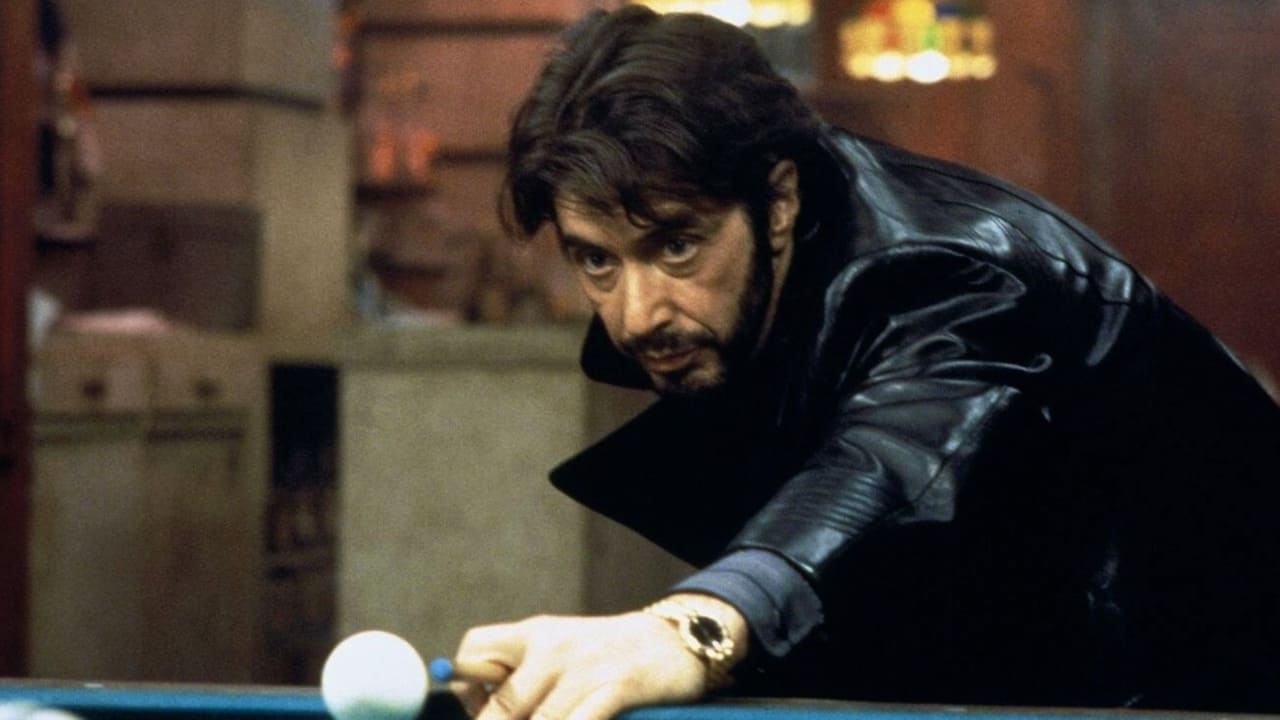
Unlike the volcanic rise and fall of Tony Montana in Scarface (1983), Pacino’s collaboration with De Palma a decade later presents a different kind of gangster. Carlito isn’t striving for the top; he’s clawing his way out. Released from prison on a technicality thanks to his coked-out, ethically crumbling lawyer Dave Kleinfeld (Sean Penn), Carlito wants nothing more than a quiet life, enough scratch to buy into a car rental place in the Bahamas with his love, Gail (Penelope Ann Miller). He sees the paradise just over the horizon, a shimmering mirage away from the grit and betrayal of the New York City underworld he once ruled.
But the streets have long memories, and loyalty, that supposed cornerstone of the criminal code, proves to be a fragile, decaying thing. Carlito’s journey isn’t about conquering rivals; it’s about navigating the treacherous currents of past allegiances and the magnetic pull of the life he desperately wants to leave behind. Pacino embodies this internal conflict perfectly. His Carlito is older, wiser, carrying the weight of his years and regrets in his posture and the weariness in his eyes. It's a performance less about explosive rage (though flashes certainly appear) and more about contained intensity, the constant calculation of risk, the quiet desperation of a man trying to outrun his own shadow. Can a man truly change his nature, or is the past an inescapable gravity?
The Serpent in the Garden
If Carlito is trying to reach paradise, then Sean Penn's Kleinfeld is the serpent tempting him back into the fallen world. Penn is almost unrecognizable here, burying his movie-star looks under a receding, frizzy perm and perpetually shaded eyes. It's a transformative performance, physically and emotionally. Kleinfeld is a creature of pure desperation and escalating paranoia, fueled by cocaine and the terror of his own transgressions. His dependence on Carlito, twisted into manipulative pleas for help disguised as friendship, becomes the anchor dragging Carlito back into the depths. Penn makes Kleinfeld both pathetic and terrifying; you understand why Carlito feels a reluctant obligation, even as you see the disaster unfolding. It’s a testament to Penn's choices that this character feels so dangerously unpredictable, a live wire sparking near gasoline. Funnily enough, Penn reportedly needed some convincing from Pacino and De Palma to take the role – thank goodness they persisted.
De Palma's Masterful Tension
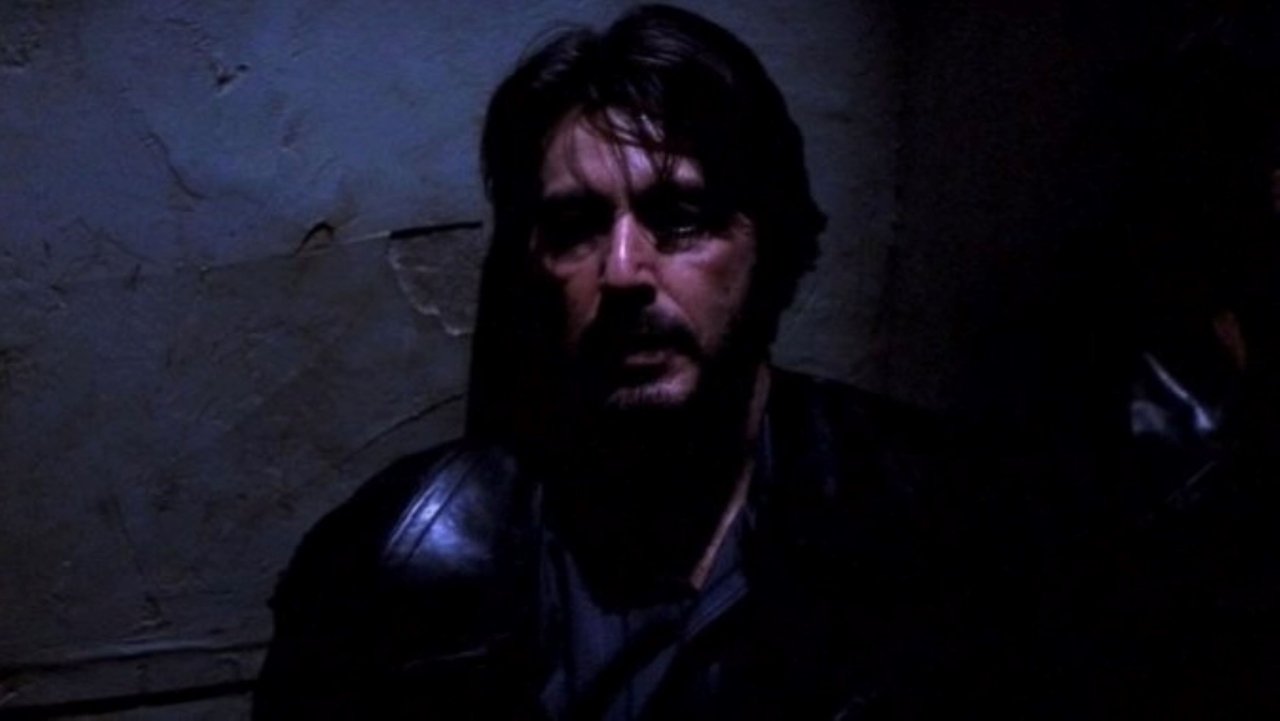
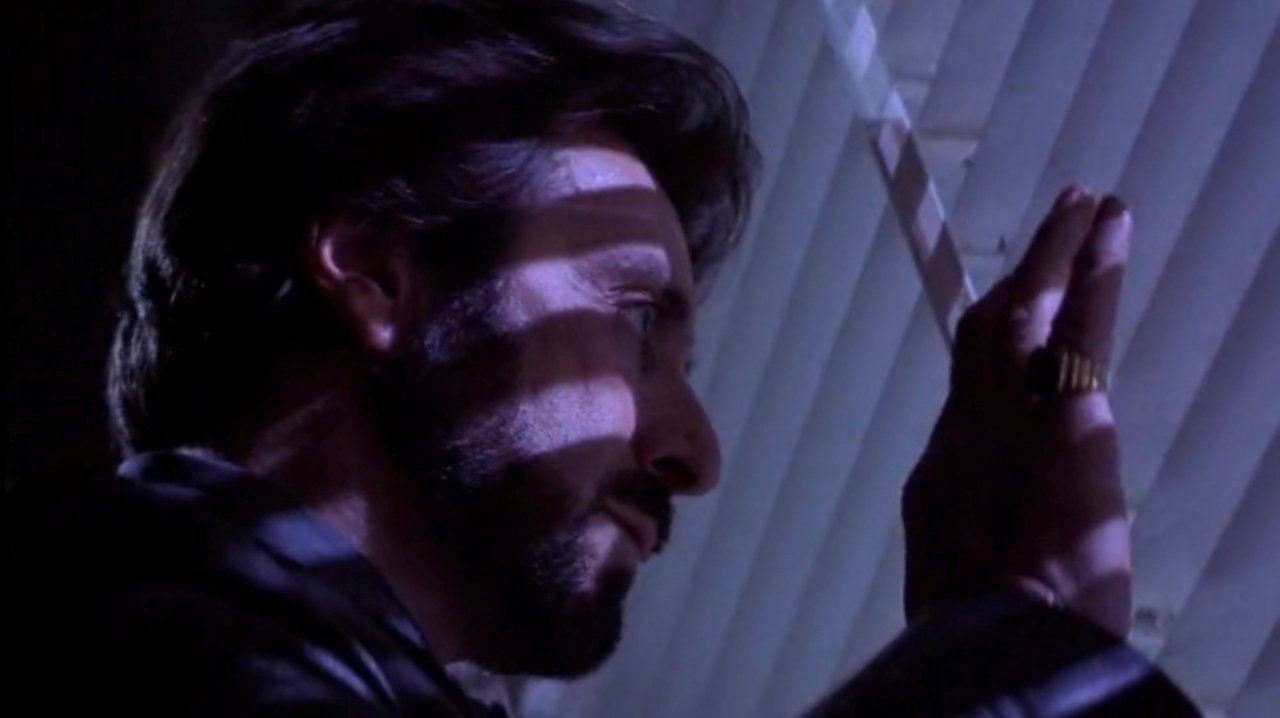
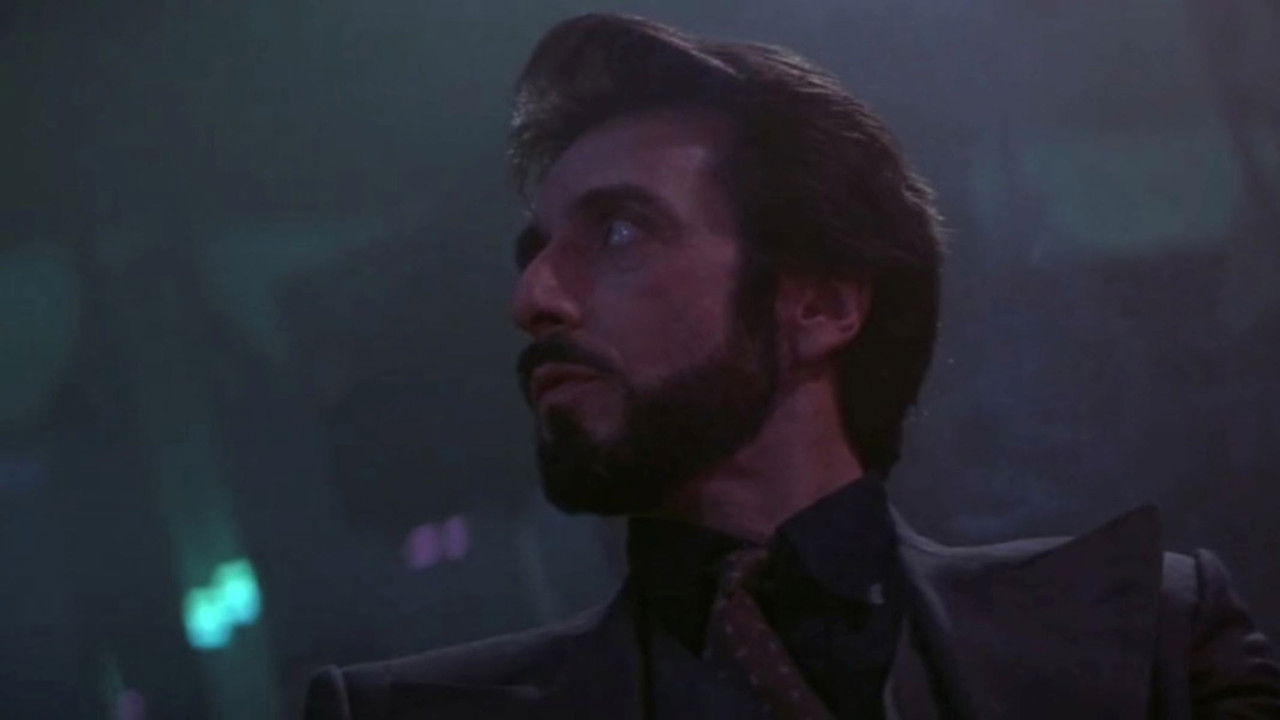
Brian De Palma, reuniting with Pacino after their iconic work on Scarface, brings his signature visual flair, but tempered with a surprising melancholy. The film looks gorgeous, capturing the specific mood of the mid-70s nightlife – the smoky clubs, the neon glow, the sense of lives lived under cover of darkness. De Palma, ever the Hitchcock devotee, stages sequences of almost unbearable suspense. The pool hall scene, a masterclass in building tension through glances, shifting power dynamics, and the sudden eruption of violence, is unforgettable.
Even more striking is the climactic chase through Grand Central Terminal. De Palma uses Steadicam shots, intricate choreography, and Patrick Doyle’s urgent score to create a ballet of pursuit and escape that remains breathtaking. Filming such a complex sequence in a functioning public space like Grand Central required immense planning and primarily night shoots, a logistical feat that pays off spectacularly on screen. It’s pure cinema, leveraging space, movement, and timing to maximum effect. While Scarface was operatic excess, Carlito's Way feels more like an elegiac thriller, steeped in a sense of loss and impending doom.
The Paradise Lost
It's interesting to note that the film is based on two novels by former New York Supreme Court Judge Edwin Torres, Carlito's Way and its follow-up, After Hours. Screenwriter David Koepp (who penned Jurassic Park the same year) masterfully blended elements, particularly taking the core redemption arc of the first book but grafting on the more tragic trajectory and later events featured in the second. This might explain why the film feels like a complete, albeit heartbreaking, narrative journey, despite drawing from separate source materials. It aimed for something deeper than just another gangster flick.
Does Gail represent a genuine escape, or is she merely the symbol of the paradise Carlito can see but never truly reach? Penelope Ann Miller brings a warmth and vulnerability to the role, grounding Carlito’s aspirations. She’s the reason he keeps striving, the embodiment of the normal life just outside his grasp. Their relationship feels genuine, a pocket of tenderness in a brutal world, making the film's conclusion all the more poignant.
Final Thoughts: Echoes on the Platform
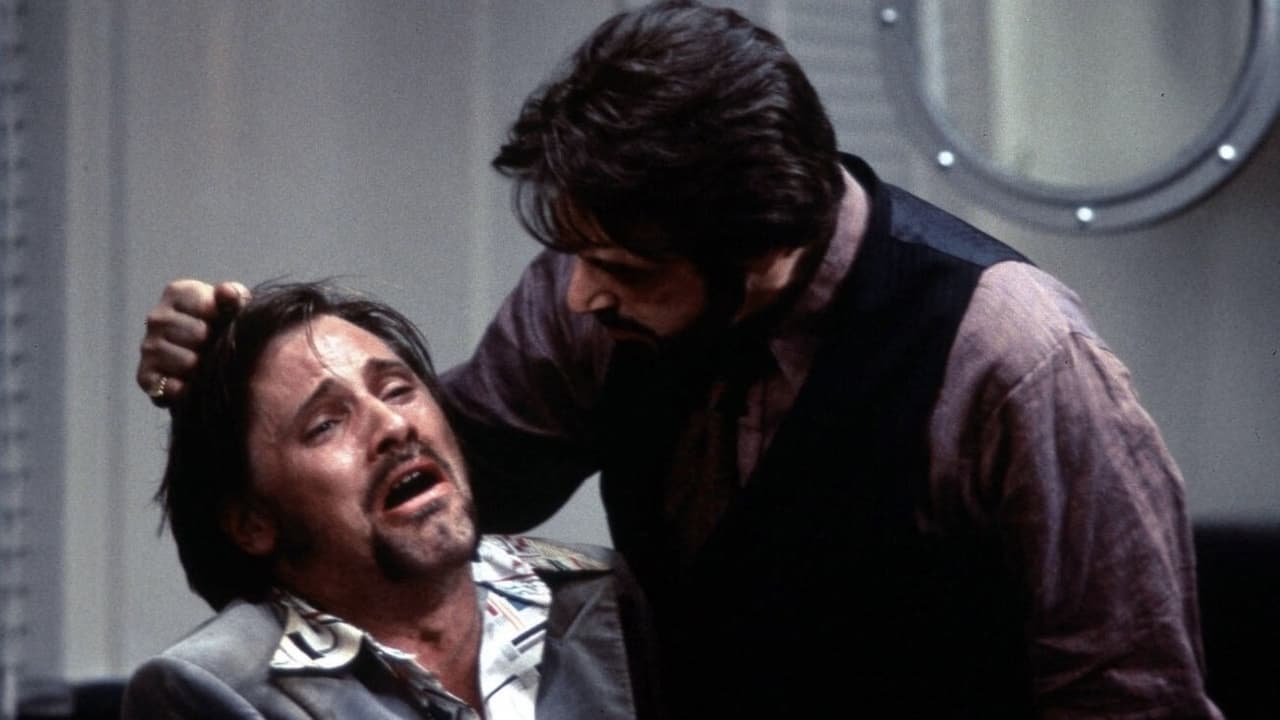
Carlito's Way didn't explode at the box office like Scarface (around $30 million budget, $64 million worldwide gross), but its reputation has deservedly grown over the years. It's a richer, more somber film than its predecessor, a meditation on choices, consequences, and the near impossibility of escaping one's past. Pacino delivers one of his most nuanced performances, Penn is electrifyingly repellent, and De Palma conducts the symphony of suspense with a master's hand. It’s a film that lingers, like the haunting refrain of Joe Cocker's "You Are So Beautiful" playing over a scene tinged with violence and regret. That feeling of watching Carlito navigate the treacherous path towards an exit he might never reach… it still resonates.
Rating: 9/10
This rating reflects the powerhouse performances from Pacino and Penn, De Palma’s masterful direction, particularly in the suspense sequences, and the film's resonant themes of redemption and fate. It's a beautifully crafted, poignant, and ultimately heartbreaking crime drama that stands as one of the best of the 90s, earning its place far beyond the shadow of Scarface. It leaves you pondering the 'what ifs' and the heavy price of loyalty in a world defined by betrayal. A true gem from the later days of the video store era.