It begins with the quiet crunch of snow underfoot, a stark white landscape holding a secret that feels both impossibly lucky and deeply ominous. Finding a crashed plane stuffed with over four million dollars should be the start of a dream, shouldn't it? But watching Sam Raimi's chilling 1998 neo-noir, A Simple Plan, you feel an immediate, creeping dread. It's the kind of film that burrows under your skin, asking a question that echoes long after the VCR whirs to a stop: What would you do, and what lines would you cross once that first, fatal compromise is made?
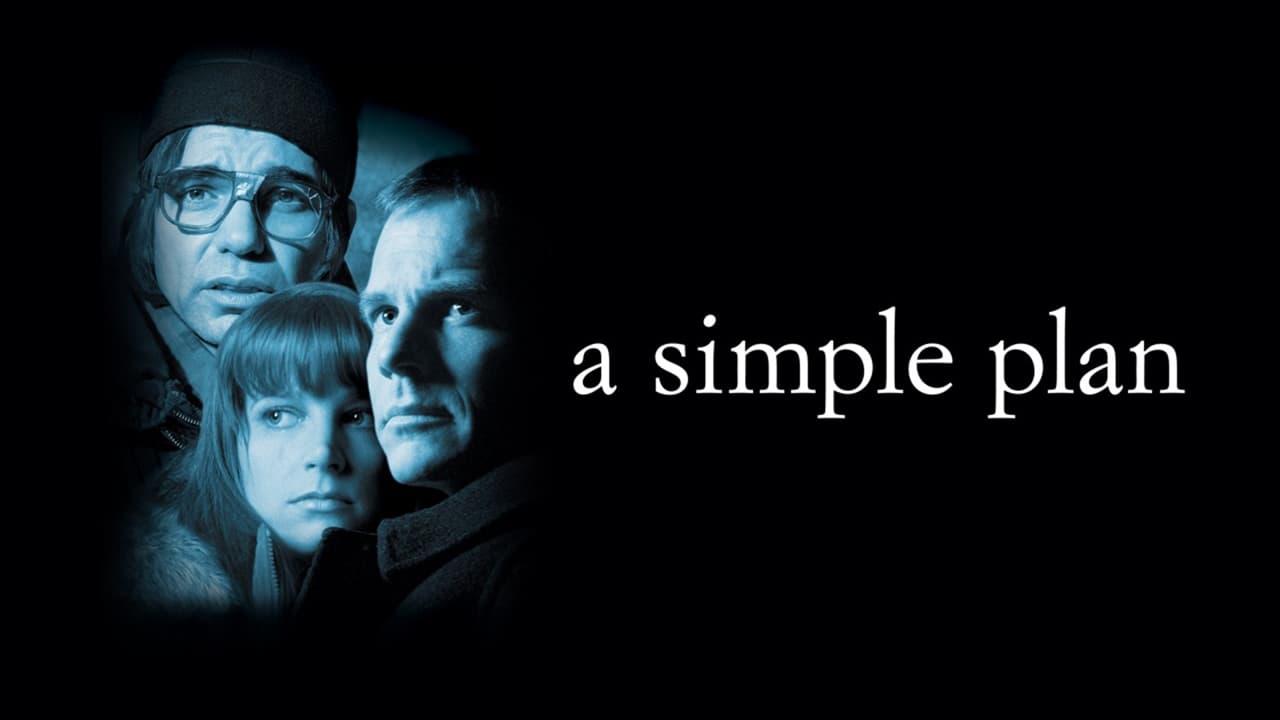
The Weight of Found Fortune
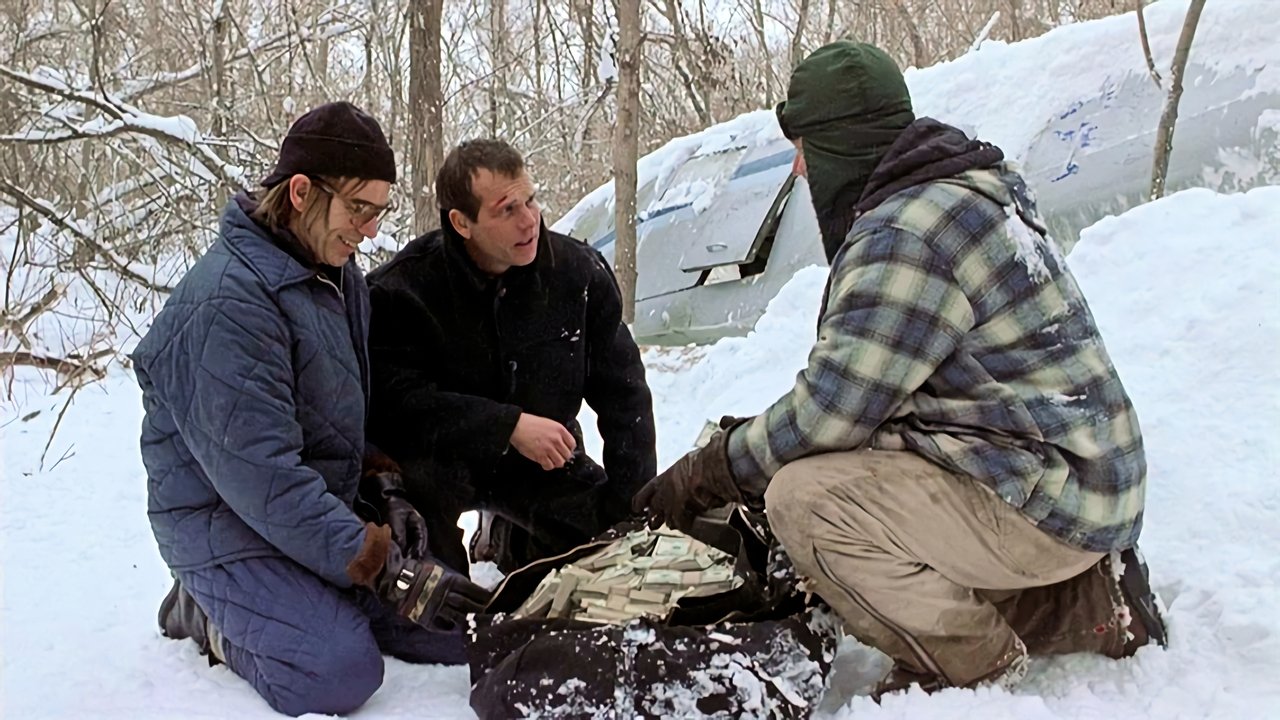
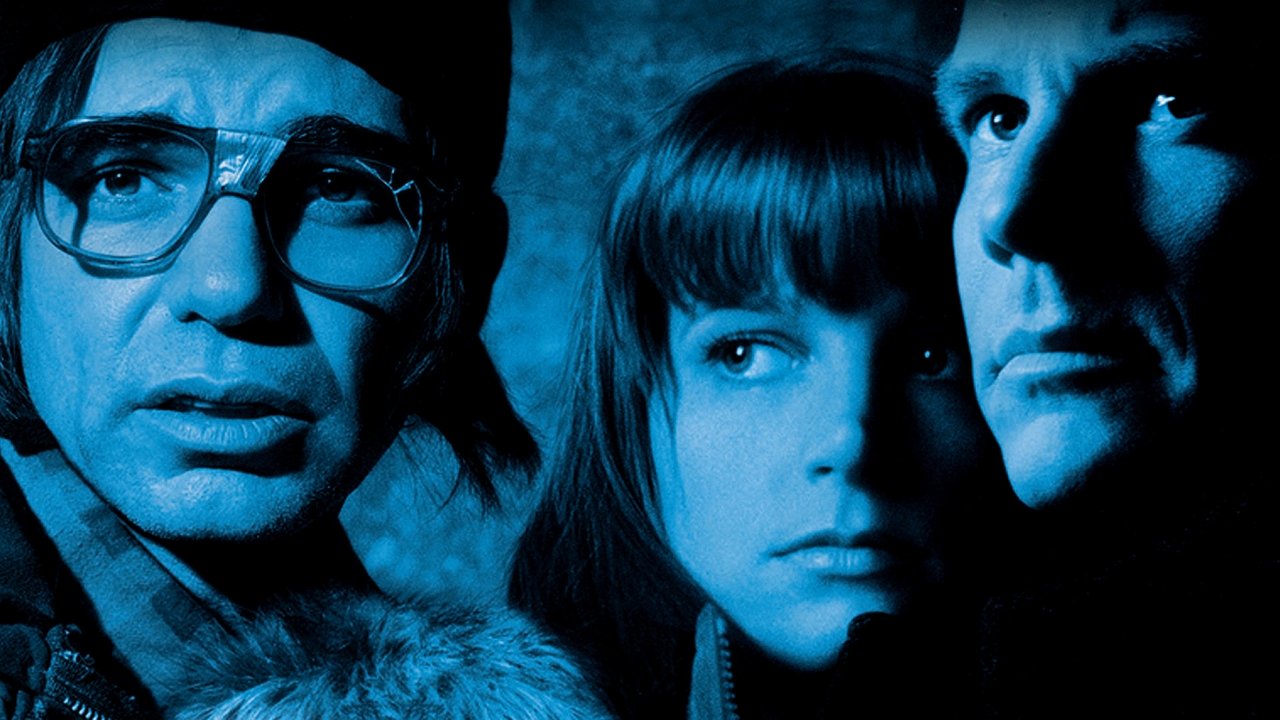
Based on the superb novel by Scott B. Smith (who also penned the Oscar-nominated screenplay – a rarity for an author to adapt their own work so successfully), the premise is deceptively straightforward. Brothers Hank (Bill Paxton) and Jacob Mitchell (Billy Bob Thornton), along with Jacob's abrasive friend Lou (Brent Briscoe), stumble upon the downed plane and its illicit cargo in the woods of rural Minnesota. Hank, the ostensibly sensible, college-educated one with a pregnant wife, Sarah (Bridget Fonda), at home, initially resists. But the lure of easy money, the promise of escaping their modest lives, proves too strong. Their plan seems simple: hide the money, wait for the plane to be discovered (surely someone is looking for it?), and if no one claims the cash after the wreck is found in the spring thaw, they split it. Simple, right?
Of course, nothing involving millions in unmarked bills and desperate people is ever simple. What unfolds is a masterclass in escalating tension, a slow-motion tragedy fueled by greed, paranoia, and the horrifying realization that the path back to normalcy is irrevocably blocked. Each decision, each lie, each act of violence builds upon the last, dragging these ordinary men – and Sarah, who becomes an increasingly pragmatic, even ruthless, strategist – deeper into a moral abyss. The snow-covered landscape, initially pristine, starts to feel suffocating, a blank canvas onto which their darkest impulses are projected.
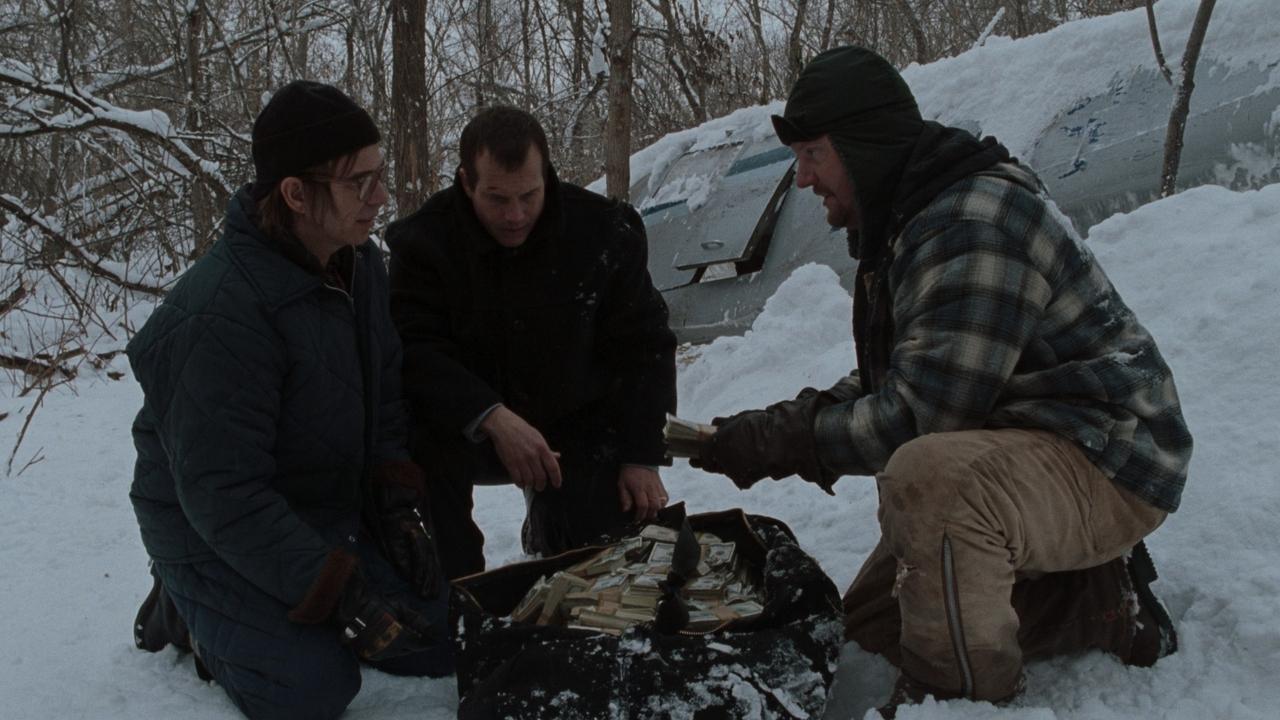
Faces Etched in Fear and Greed
The performances are simply extraordinary, grounding the film's spiraling descent into something terrifyingly believable. Bill Paxton, often the charismatic action hero or comedic relief in films like Aliens (1986) or Twister (1996), delivers arguably a career-best performance as Hank. He embodies the crumbling facade of the responsible man, his face a roadmap of anxiety, strained rationality, and dawning horror at what he's becoming. You see the internal battle, the good intentions dissolving under pressure. It’s a performance that could easily have been overshadowed, had it not been for his scene partner.
And then there's Billy Bob Thornton as Jacob. Earning a well-deserved Academy Award nomination for Best Supporting Actor, Thornton is heartbreakingly authentic. Jacob isn't just simple-minded; he’s lonely, yearning for connection and respect, carrying deep wells of insecurity beneath a sometimes awkward exterior. Thornton reportedly gained significant weight and altered his posture and speech patterns, disappearing completely into the role. His portrayal avoids caricature, finding the profound sadness and unexpected moments of clarity within Jacob. The scenes between Paxton and Thornton are the film's bruised heart, showcasing a complex fraternal bond strained to its breaking point. Bridget Fonda, too, is compelling as Sarah, subtly shifting from cautious participant to a colder, more calculating force, revealing the corrosive influence of the money even on the seemingly stable home front.
Raimi's Chilling Restraint
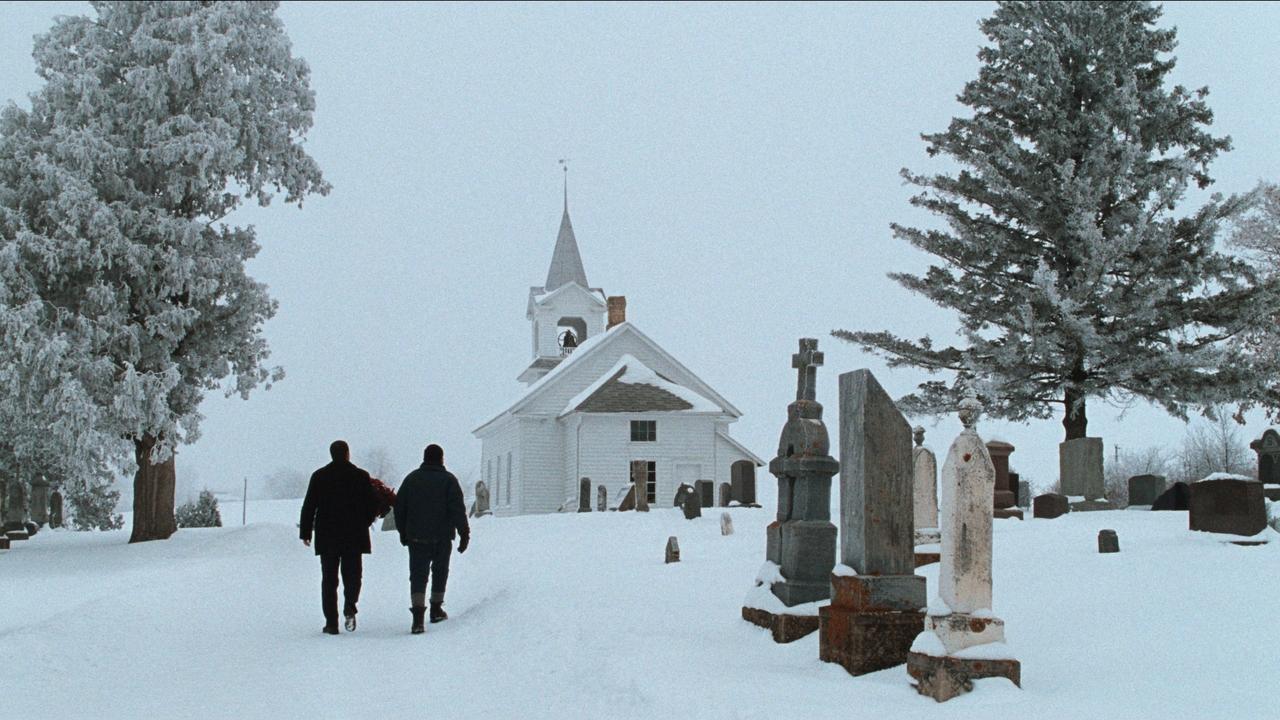
This wasn't the Sam Raimi many of us knew from the kinetic energy of The Evil Dead (1981) or the stylish comic-book flair of Darkman (1990). Here, Raimi demonstrates remarkable control and restraint. Taking over directing duties after John Boorman (Deliverance) departed the project (and after names like Nicolas Cage were once attached to play Hank), Raimi crafts a deliberately paced thriller that prioritizes atmosphere and character over flashy visuals. The stark, often bleak cinematography by Alar Kivilo emphasizes the isolation and the oppressive weight of the Minnesota winter, which becomes almost a character itself. Filming on location in Minnesota and Wisconsin during harsh winter conditions undoubtedly added to the film's palpable chill – you can almost feel the biting wind through the screen. Even Danny Elfman's score is uncharacteristically subdued, a mournful undercurrent rather than his usual boisterous themes.
From Page to Frozen Screen
The journey to screen wasn't entirely straightforward. Besides the directorial handover, the relatively modest $30 million budget meant careful planning was essential. While critically lauded upon release – scoring high with critics and earning those Oscar nods – A Simple Plan sadly underperformed at the box office, grossing only around $16.3 million worldwide. Perhaps its grim tone and refusal to offer easy answers made it a tougher sell for mainstream audiences expecting a more conventional thriller. Yet, its power hasn't diminished; if anything, its exploration of the dark side of the American Dream feels even more resonant today. There were discussions, apparently, about slightly different endings during production, potentially leaning even darker, but the chosen conclusion retains a devastating, quiet power. Some character-deepening scenes, particularly for Jacob, were also trimmed but the core performances remain incredibly impactful.
It’s the kind of film that sticks with you, less for jump scares or overt action (though there are moments of shocking violence) and more for the unsettling truths it lays bare about human nature when placed under extreme pressure. How quickly can decency erode? How easily can a 'simple plan' become a complex web of deceit and death? It doesn't offer comforting answers, instead leaving you with the haunting image of footprints in the snow, leading somewhere inescapable.
Rating: 9/10
This score reflects the film's near-perfect execution as a character-driven thriller. Superb performances, especially from Thornton and Paxton, a gripping script adapted brilliantly by its original author, masterful direction showcasing Raimi's versatility, and an oppressive, unforgettable atmosphere make this a standout of late 90s cinema. It might lack the immediate rewatchability of a lighter flick, but its depth and impact are undeniable.
A Simple Plan is a chilling reminder, captured perfectly on those fading VHS tapes, that sometimes the greatest treasures are the ones we leave buried in the snow. What truly lingers is the quiet devastation, the understanding that the path taken can never be untrodden.