Okay, fellow tape travelers, let’s dim the lights and settle in. Sometimes, a film arrives with a pedigree that immediately catches your eye on the video store shelf. Remember seeing a name usually found in front of the camera suddenly listed as director? That was the case with 1997's Albino Alligator, the directorial debut of none other than Kevin Spacey. Coming off the heat of his Oscar win for The Usual Suspects (1995), Spacey stepping behind the camera felt like an event, promising something intelligent, perhaps intricate. What we got was a tense, sweaty bottle rocket of a crime thriller, a film that feels distinctly nineties in its DNA – lean, mean, and more interested in character under pressure than explosive set pieces.
Trapped Down the Bayou
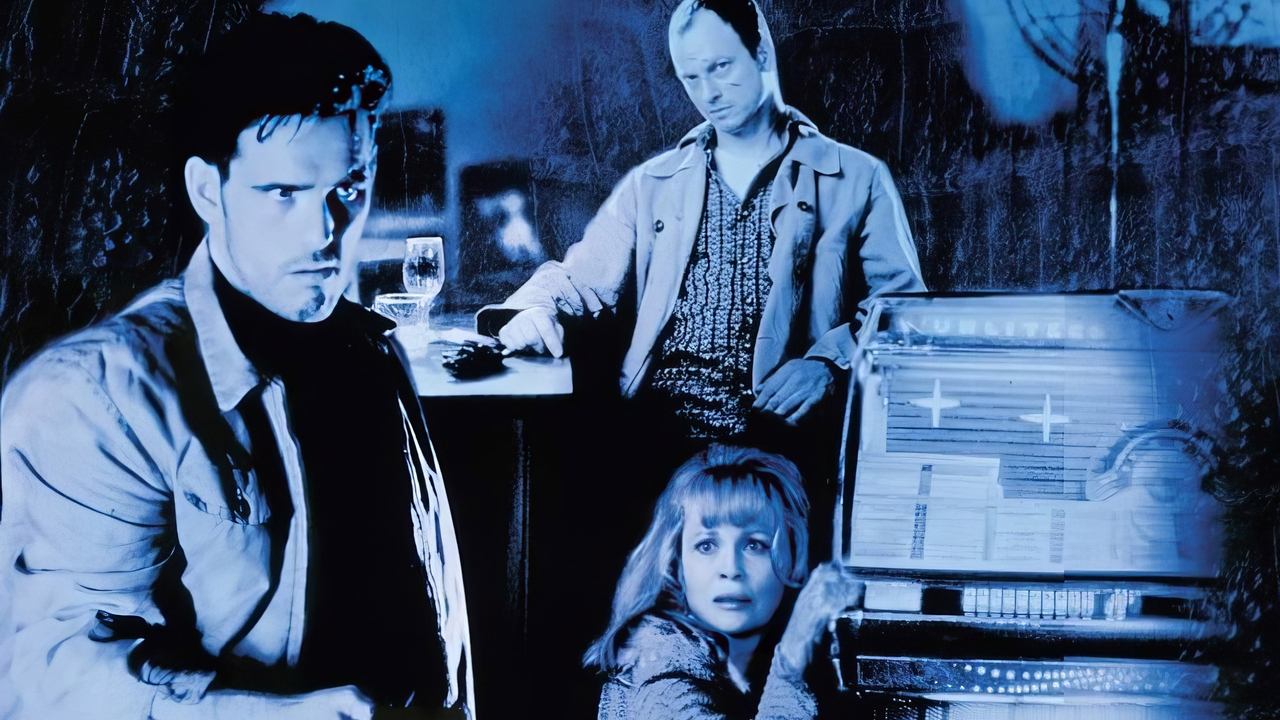
The setup, penned by Christian Forte in his first produced screenplay, is classic noir confinement: three small-time crooks – the volatile leader Dova (Matt Dillon), the chillingly unpredictable Milo (Gary Sinise), and the perpetually panicked Law (William Fichtner) – botch a robbery and end up taking refuge in Dino's Last Chance Bar, a dimly lit holdout somewhere near New Orleans. Inside, they find a handful of hostages: the weary owner Dino (M. Emmet Walsh, perfectly cast), the tough-as-nails barmaid Janet (Faye Dunaway), a quiet patron (John Spencer), and a young couple (Skeet Ulrich and Viggo Mortensen). As the police surround the building, the bar becomes a pressure cooker, forcing alliances and revealing true natures under duress. It’s a familiar stage, reminiscent of The Desperate Hours (1955) or even Dog Day Afternoon (1975), but Spacey focuses less on the external siege and more on the internal combustion.
Actors Unleashed
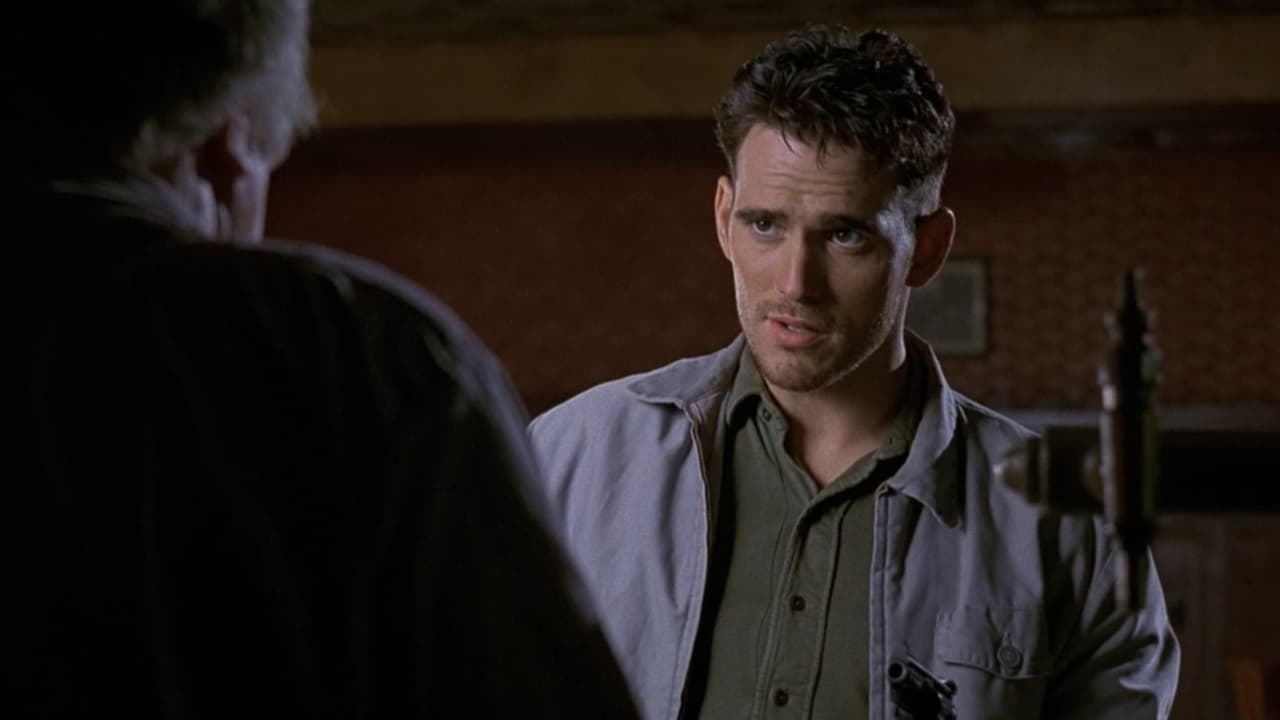
What truly elevates Albino Alligator beyond its familiar premise is the powerhouse cast firing on all cylinders. Matt Dillon, often playing cool rebels, channels a desperate, frayed authority here. You feel Dova's control slipping, his plans dissolving into sweat and panic. Opposite him, Gary Sinise, fresh off his own iconic roles in films like Forrest Gump (1994) and Apollo 13 (1995), is genuinely unnerving as Milo. There’s a coldness in his eyes, a switchblade unpredictability that keeps everyone, including the audience, on edge. And William Fichtner? He practically vibrates with anxiety, embodying the terror of the situation so completely it’s almost hard to watch. His performance is a masterclass in portraying fear.
Then there’s the legendary Faye Dunaway. As Janet, she’s not a screaming victim; she’s weathered, observant, and carries the weight of someone who’s seen too much go down in this very bar. It's a grounded, compelling performance that anchors the hostage side of the equation. The film smartly uses these established actors, letting their screen presence fill the confined space. Even smaller roles, like Viggo Mortensen's Guy (who gets one of the film's most memorable, darkly ironic moments), leave an impression. It's clear Kevin Spacey, an actor's actor, knew how to draw intense, focused work from his ensemble.
Directorial Confidence and Bayou Noir
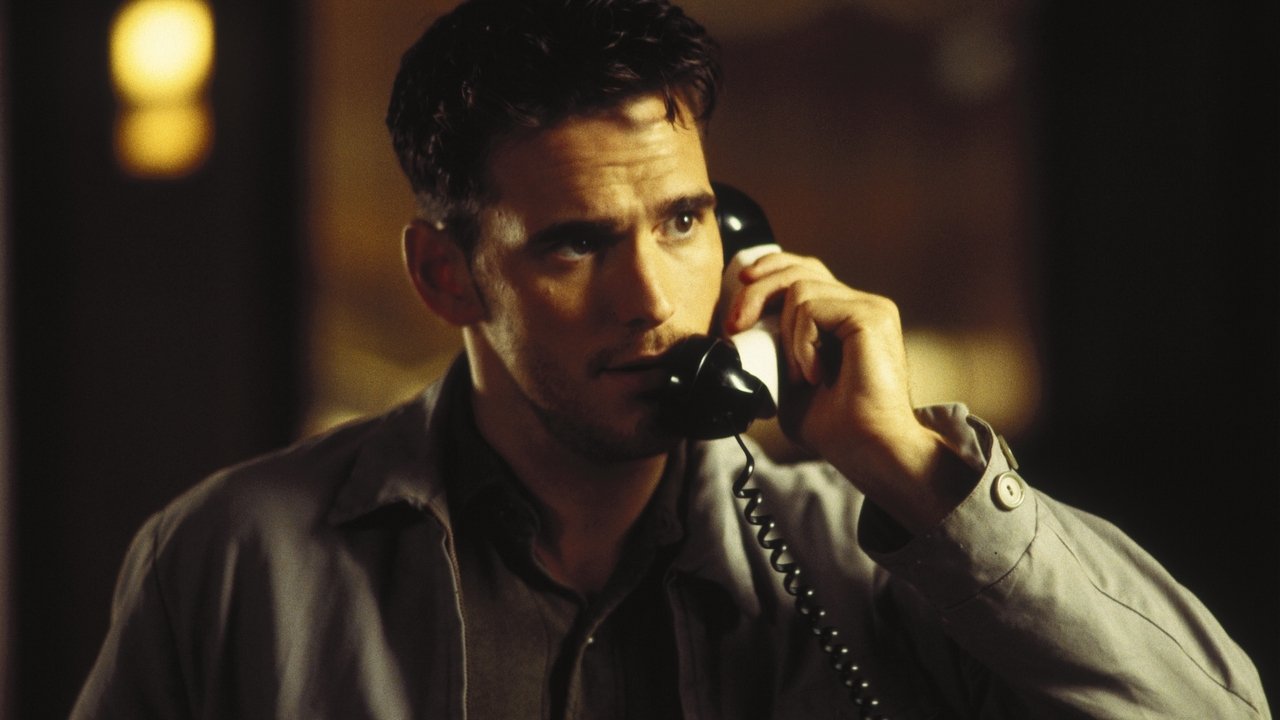
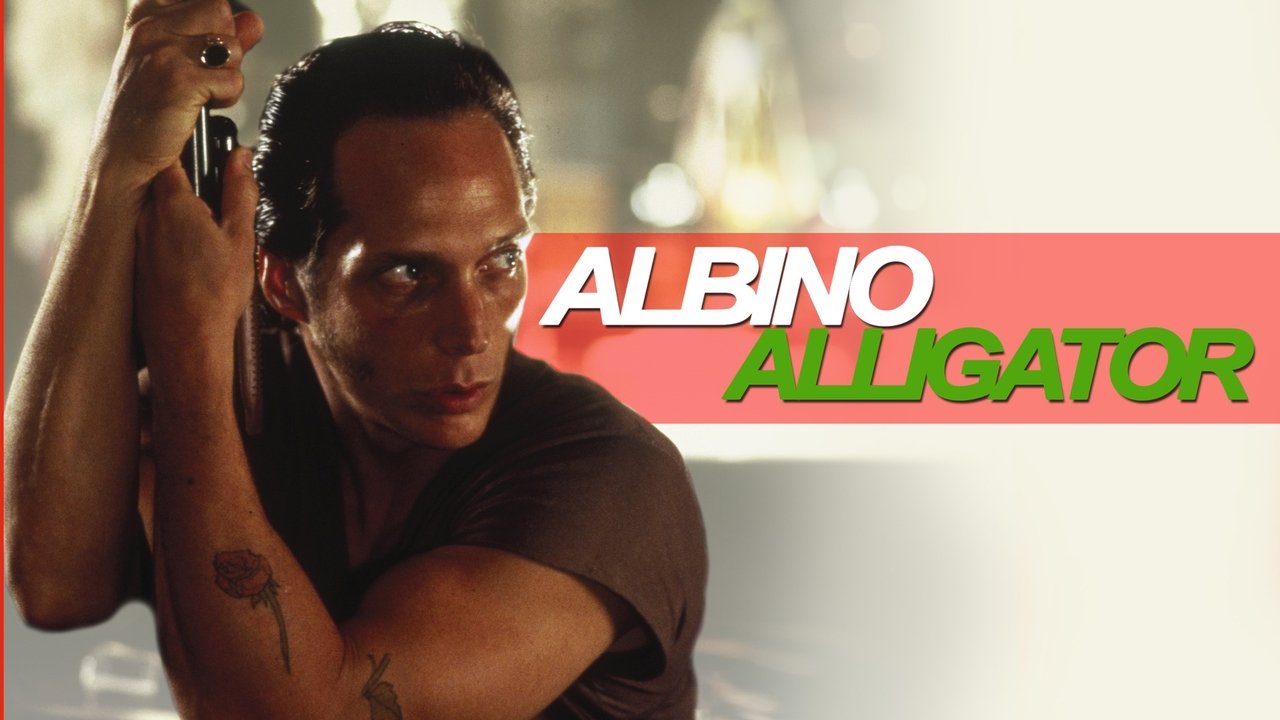
For a first-time director, Spacey shows remarkable confidence. He and cinematographer Mark Plummer create a palpable atmosphere – thick with humidity, desperation, and the stale smell of cheap beer and fear. The camera work is often tight, claustrophobic, emphasizing the lack of escape, both physical and psychological. There aren't many flashy directorial flourishes; the focus remains squarely on the performances and the escalating tension. It feels deliberate, controlled. The film reportedly came together from a spec script by Christian Forte that gained buzz, eventually landing in Spacey’s hands. Despite its relatively modest $6 million budget, the production values feel solid, capturing that specific Louisiana dive bar aesthetic authentically, thanks to filming in and around New Orleans itself.
Interestingly, while the film received some decent notices, particularly for the acting (Roger Ebert gave it 3 stars), it wasn’t a box office hit, grossing less than $400,000 domestically. Perhaps audiences in the post-Tarantino boom were looking for something quippier or more stylized? Albino Alligator is grimmer, more focused on the grim realities of bad choices piling up. It feels less like Reservoir Dogs (1992) and more like a tightly wound stage play brought to cinematic life.
The Tale Within the Tale
The film's title, of course, comes from a story told by M. Emmet Walsh's character, Dino, about how Cajuns supposedly used albino alligators as bait to lure other gators to their doom. It's a seemingly throwaway anecdote, but it hangs over the film. Who is the real bait? Who is being lured? Is it the criminals? The hostages? The police negotiator (Joe Mantegna)? The metaphor adds a layer of fatalistic irony to the proceedings, suggesting that perhaps everyone in this pressure cooker is both predator and prey, trapped by circumstance and their own flawed natures. It forces you to question assumptions – is anyone purely innocent or purely guilty when survival instincts kick in?
Final Thoughts on a Forgotten VHS Find
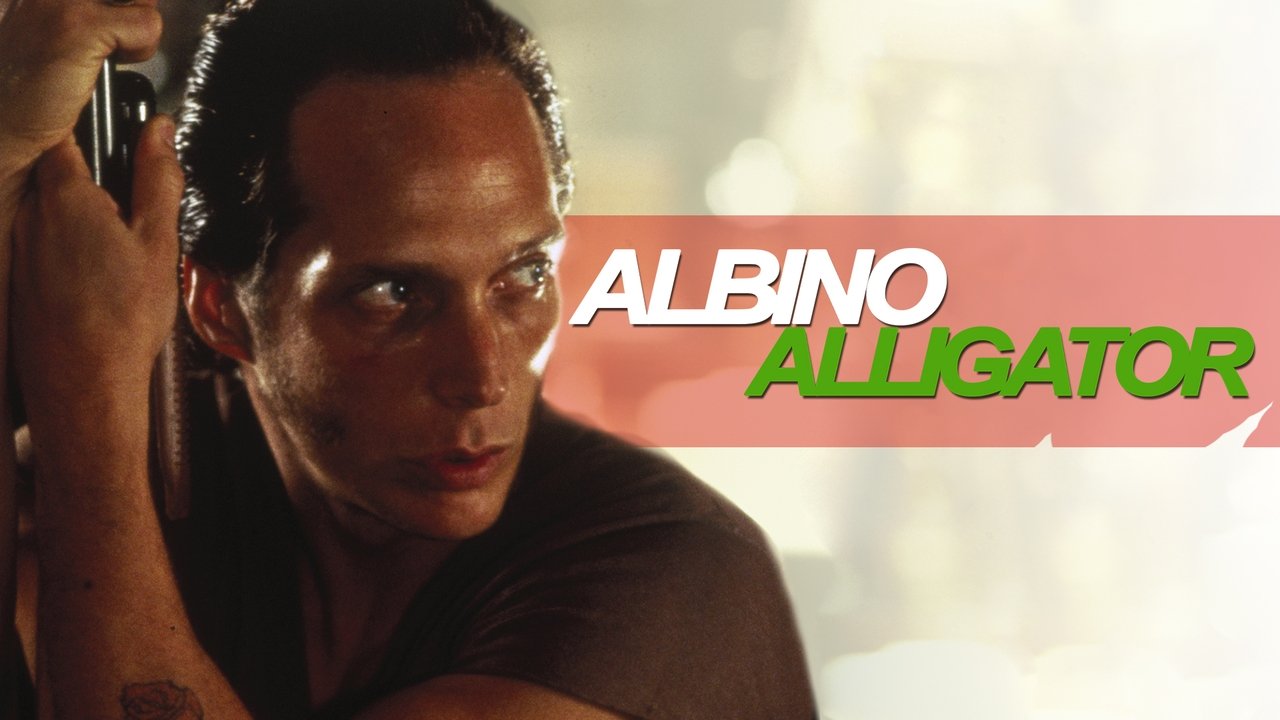
Albino Alligator is precisely the kind of film that makes exploring the back shelves of the video store era so rewarding. It wasn't a blockbuster, it didn't launch a franchise, but it's a solid, well-crafted thriller anchored by outstanding performances and a palpable sense of dread. It showcases Kevin Spacey's early directorial talent for creating tension and guiding actors, delivering a film that feels both familiar in its setup and distinct in its execution. It might not be the flashiest 90s crime flick, but its tight focus and simmering intensity leave a mark. It’s a film that respects its characters, even the desperate ones, and explores the grim calculus of impossible situations.
Rating: 7/10 - A tense, character-driven hostage thriller elevated by powerhouse performances and confident direction. Its familiar structure is overcome by a thick atmosphere and compelling psychological stakes, making it a strong directorial debut and a worthwhile watch for fans of 90s neo-noir.
What lingers after the credits roll isn't necessarily the plot mechanics, but the faces – the desperation in Dillon's eyes, the chilling emptiness in Sinise's, the raw terror in Fichtner's, and the weary resilience in Dunaway's. It's a potent reminder of how a contained space and high stakes can reveal the stark, unvarnished truth of human character. Definitely worth tracking down if you missed it back in the day.