Okay, settle in, maybe crack open a cold one if you’re so inclined. Tonight, we’re digging out a tape that might have sat slightly overshadowed on the rental store shelves back in '97, perhaps nestled between flashier imports or the soon-to-explode Brit-crime comedies. I'm talking about Antonia Bird's tough, tense, and deeply felt thriller, Face. This isn't your cheeky geezer caper; it's something far more raw and, ultimately, more resonant. It captures a certain late-90s weariness, a grimy realism that feels a world away from the stylised cool that was just around the corner.
### The Score Gone Sour
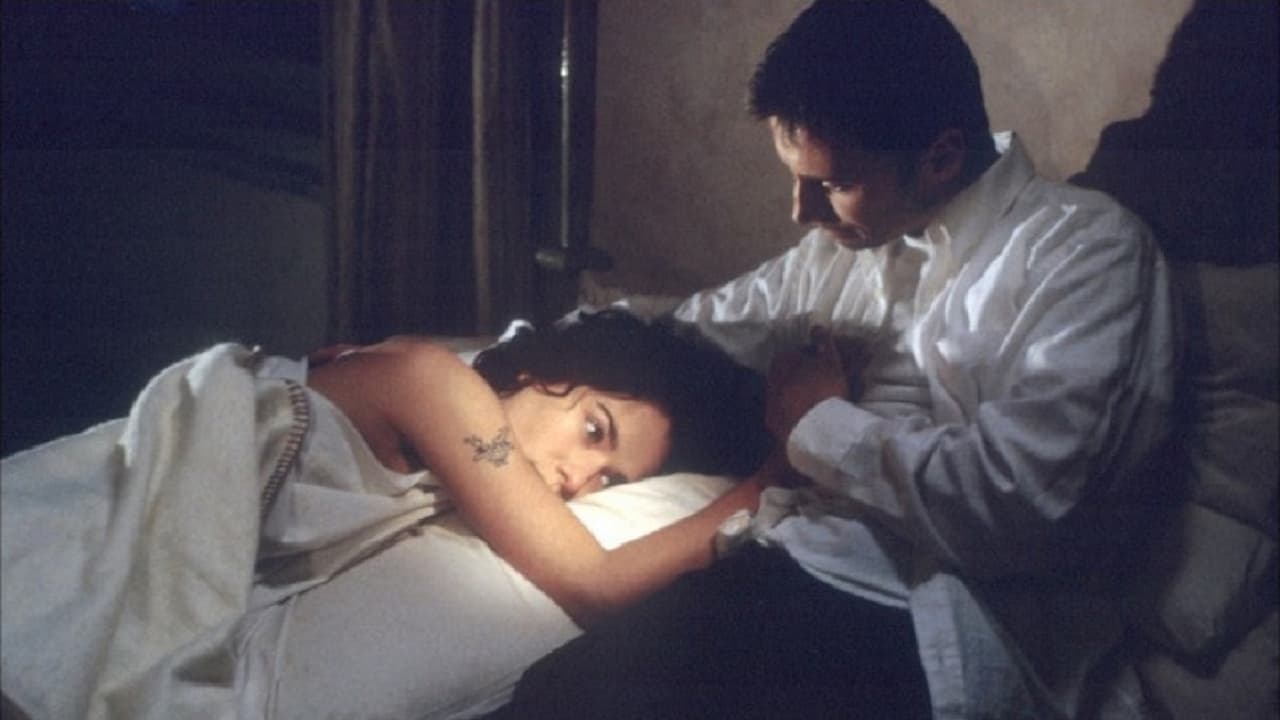
At its heart, Face is a heist-gone-wrong narrative, a familiar setup. Ray (Robert Carlyle) is a former political activist, now disillusioned and planning one last big score with his crew – a motley bunch including the volatile Stevie (Steven Waddington) and the older, seemingly more level-headed Dave (Ray Winstone). The job itself, robbing a security depot, is executed with a brutal efficiency that feels chillingly plausible. But, as these things often do, the aftermath unravels quickly. Double-crosses, paranoia, and simmering resentments tear the crew apart, sending Ray scrambling through a grey, unforgiving London landscape to recover the loot and figure out who he can trust. It’s a plot engine we’ve seen before, certainly, but what elevates Face is its commitment to character and consequence.
### Faces of Desperation
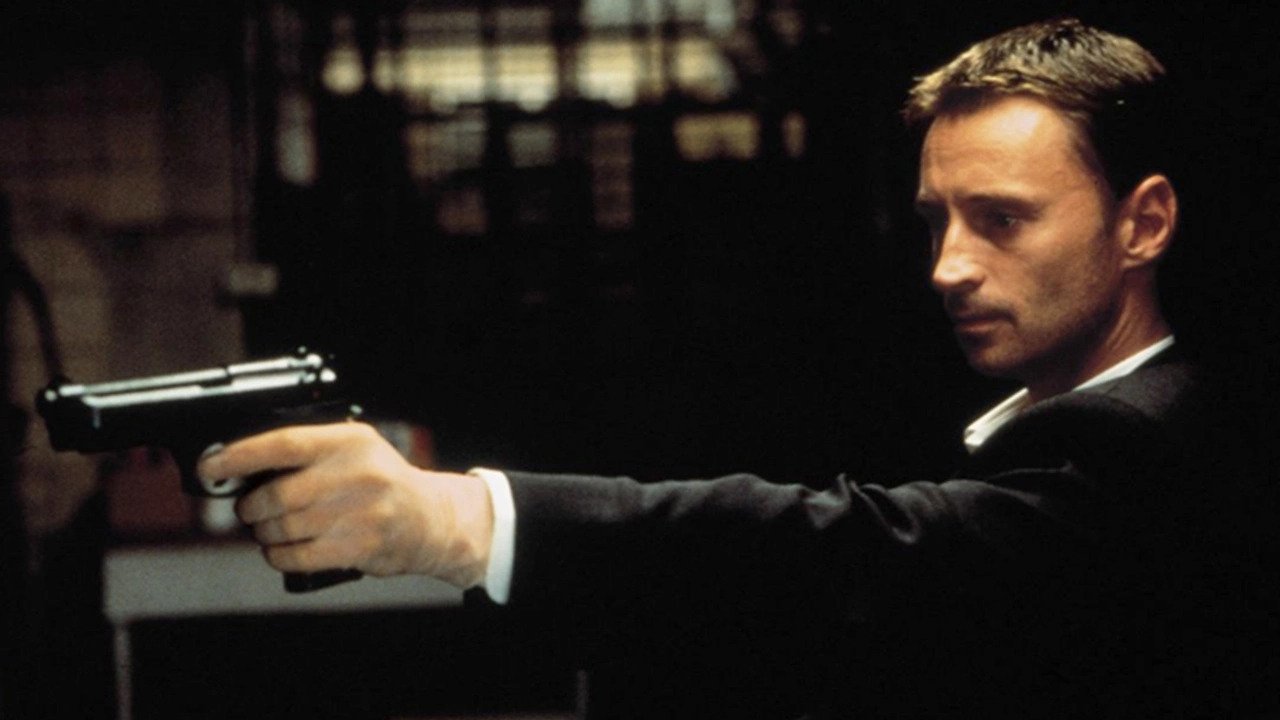
Let's talk about the performances, because they are the absolute bedrock of this film. Robert Carlyle, fresh off the seismic impact of Trainspotting (1996), is electrifying as Ray. He embodies a man caught between his past ideals and his present desperation. There's a coiled intensity in him, a frantic energy born of fear and betrayal, but also flashes of the principled man he once might have been. You see the weight of his choices etched onto his, well, face. It’s a performance that feels lived-in, fraught, and utterly compelling. He carries the film's moral ambiguity and rising panic brilliantly.
Then there's Ray Winstone. Even back in '97, before becoming the go-to screen hardman, Winstone possessed an undeniable presence. As Dave, he’s initially the calming influence, the experienced hand. But Winstone subtly layers Dave's character, hinting at depths and motivations that aren't immediately apparent. His interactions with Carlyle crackle with unspoken history and suspicion. And Steven Waddington perfectly captures the loose-cannon energy of Stevie, a man whose loyalty is as shaky as his temper. The chemistry, or perhaps more accurately, the friction between these three is phenomenal.
### Bird's Eye View of London's Grit
Director Antonia Bird, who sadly left us far too soon, directs with a palpable sense of place and mood. This isn't the tourist's London; it's a city of rain-slicked streets, drab pubs, and anonymous council estates. Bird, who frequently collaborated with Carlyle (think Priest (1994) or the later, wonderfully strange Ravenous (1999)), had a real talent for capturing working-class lives and anxieties without resorting to caricature. Her direction here is unfussy, almost documentary-like in its realism at times, favouring handheld shots that enhance the immediacy and tension. She lets the atmosphere seep into your bones. There’s a sequence involving a confrontation in a public toilet that is staged with unbearable, claustrophobic intensity – pure Bird.
It’s worth remembering this film landed just before Guy Ritchie’s Lock, Stock and Two Smoking Barrels (1998) changed the landscape of British crime cinema. Face feels like a hangover from a slightly older, less ironic tradition – closer perhaps to The Long Good Friday (1980) in its underlying seriousness, though distinctly 90s in its execution. The script, by Ronan Bennett (whose own past as an activist perhaps informs Ray's backstory), is lean and focused, exploring themes of loyalty, betrayal, and the corrosive nature of violence without hitting you over the head.
### Cracking the Case: Retro Fun Facts
Digging into the making of Face reveals a few interesting tidbits. The film's score notably featured contributions from Damon Albarn of Blur, lending a contemporary edge to the bleak visuals. Antonia Bird was known for fostering a collaborative atmosphere, allowing actors like Carlyle and Winstone room to bring their own lived experiences to their roles, which surely contributes to the film's authenticity. While not a massive box office smash, it garnered critical respect, particularly for its performances and direction, standing as a solid example of British genre filmmaking before the post-Lock, Stock wave dominated. One wonders, was its more somber, character-driven approach perhaps slightly out of step with the burgeoning 'Cool Britannia' vibe of the time? It feels less like a celebration of criminality and more like a lament for lost souls.
### The Lingering Image
What stays with you after watching Face isn't necessarily the plot twists, but the feeling. The damp chill of the London streets, the desperation in Ray's eyes, the simmering threat in every encounter. It’s a film that feels grounded, human, and surprisingly tense. It doesn't offer easy answers or glamorous anti-heroes. Instead, it presents flawed individuals caught in a downward spiral, grappling with the consequences of their actions in a world that feels palpably real.
Rating: 8/10
This score reflects the powerhouse performances, particularly from Carlyle and Winstone, Antonia Bird's assured and atmospheric direction, and the film's gritty, uncompromising realism. It's a tightly wound, character-driven thriller that might lack the stylistic flourishes of its successors but compensates with genuine tension and emotional weight. It earns its place as a standout British crime film of the 90s.
It’s a reminder that sometimes the most impactful stories aren’t the loudest, but the ones that quietly observe the cracks spreading across a man’s face, revealing the pressure building underneath. Definitely worth tracking down if you missed it back in the day.