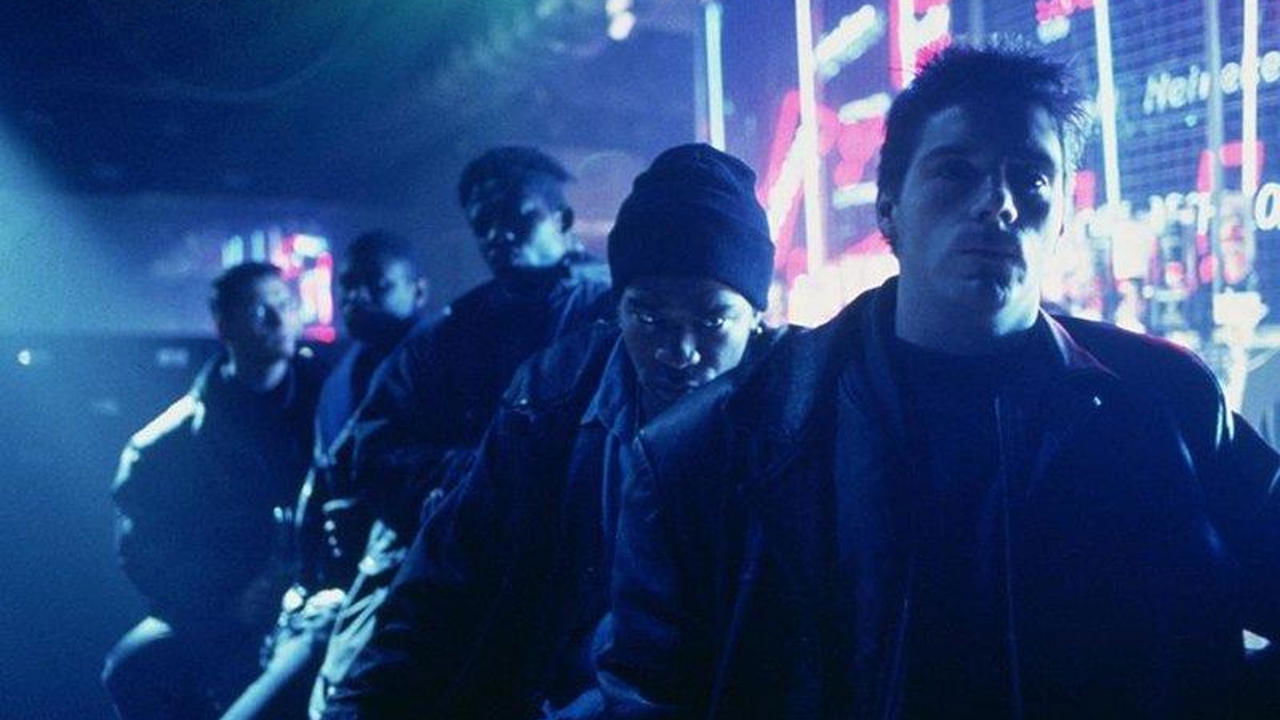
There's a certain kind of blue neon glow that seemed to saturate crime thrillers in the early 90s, wasn't there? It promised something slick, something dangerous, maybe even something profound lurking beneath the surface. Watching Danny Cannon's debut feature, The Young Americans (1993), again after all these years is like stepping back into that specific wavelength – a film brimming with youthful directorial confidence, palpable atmosphere, and the magnetic pull of actors hitting their stride. It wasn't a blockbuster that dominated the aisles of the video store, but finding that distinctive VHS box, often featuring Harvey Keitel's intense gaze, felt like uncovering a slightly hidden, potentially edgier piece of cinema.
An American Heavy in London Town
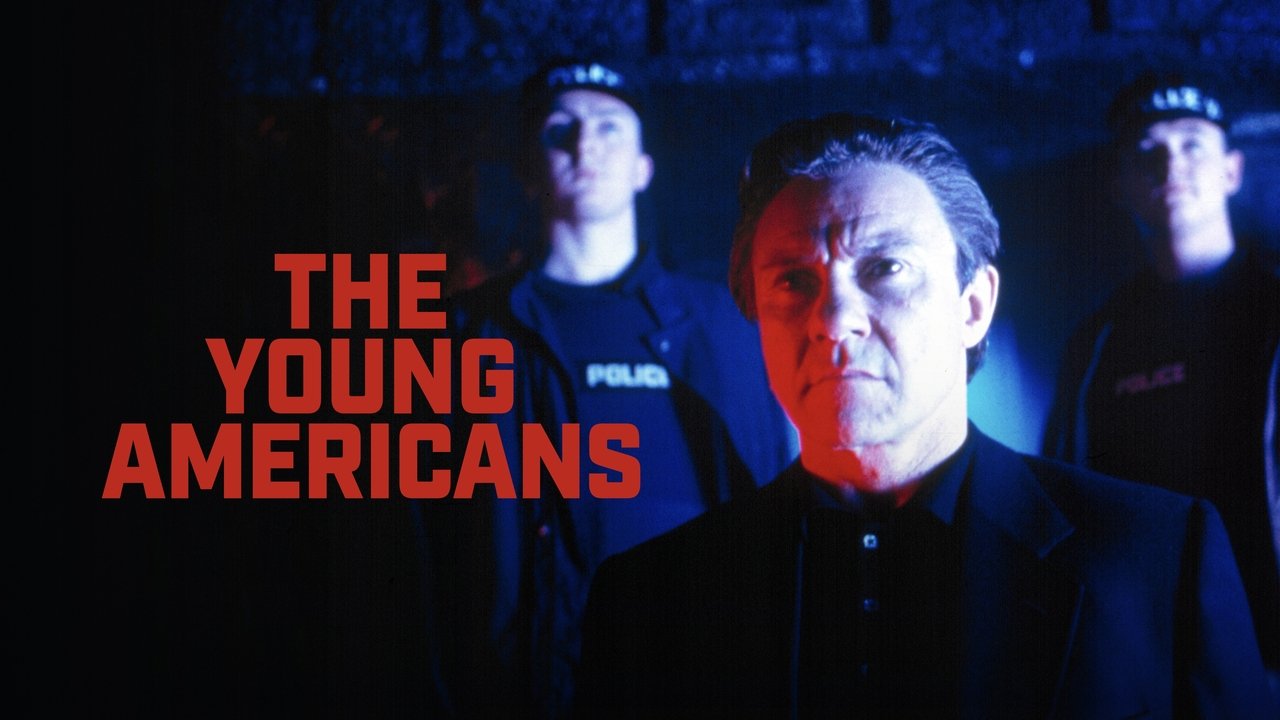
The premise itself offers an immediate hook: grizzled NYPD Lieutenant John Harris (Harvey Keitel) arrives in London, a city grappling with a new, lethal strain of organised crime filtering into its burgeoning club scene. He’s ostensibly there to advise Scotland Yard, but Harris carries the weight of his own past failures, hunting a ghost – the influence of the American gangsterism he thought he understood back home. It’s a classic fish-out-of-water setup, but Cannon uses it less for comedic effect and more to amplify the sense of cultural clash and Harris's own alienation. Keitel, riding high from blistering turns in Reservoir Dogs (1992) and Bad Lieutenant (1992), embodies this perfectly. He’s not just an investigator; he’s a force of weary, grounded realism dropped into a hyper-stylised world. His quiet intensity anchors the film, providing a necessary counterpoint to the often-operatic visuals. You feel the miles on him, the ghosts he’s chasing across the Atlantic.
Style Over Substance, or Style as Substance?
And what visuals they are. Danny Cannon, barely 25 when he made this, directs with the assuredness – or perhaps the bravado – of a seasoned pro, though maybe one heavily influenced by the burgeoning music video aesthetic and the shadow-drenched worlds of filmmakers like Ridley Scott. The London presented here isn't just gritty streets; it's a landscape of pulsating nightclubs bathed in those aforementioned blues and reds, slow-motion captures of ecstasy and violence, and a pervasive sense of nocturnal dread. The film looks fantastic, capturing a very specific early-90s vibe. It was a bold statement, a calling card that certainly got Cannon noticed, leading him quickly to Hollywood projects like Judge Dredd (1995). The question that lingers, however, is whether the undeniable style sometimes overshadows the narrative. Does the slickness occasionally obscure the deeper emotional currents?
The plot follows Christian O'Neill (Craig Kelly), a young man working at a club run by the increasingly desperate Edward Foster (Iain Glen), who gets drawn into the orbit of the film's chilling antagonist. It’s here the film finds another powerful anchor.
Enter Frazer: A Glimpse of Future Villainy
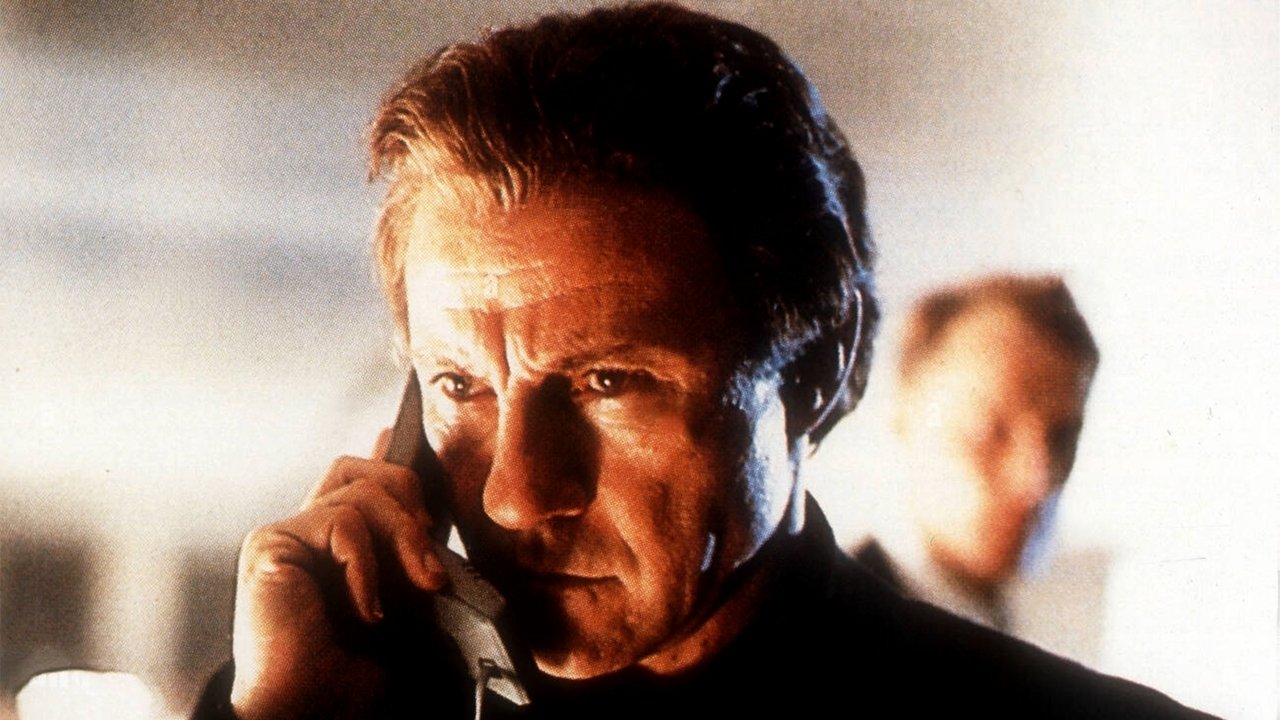
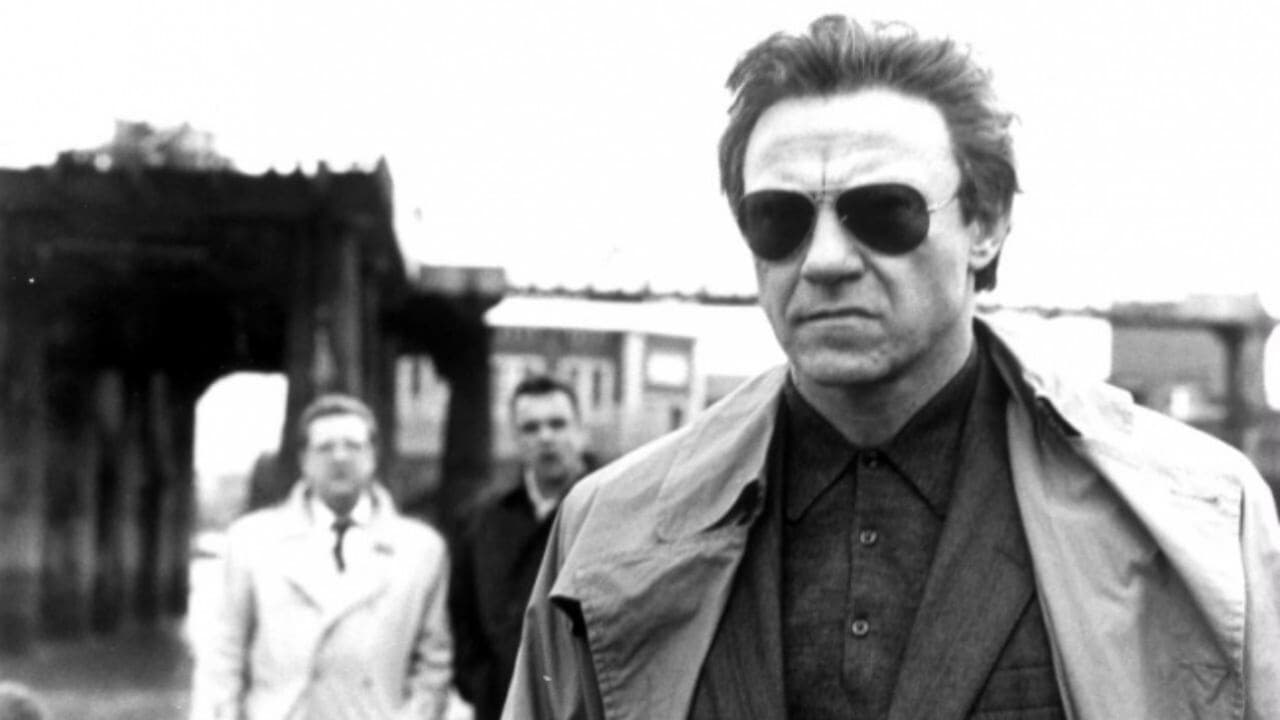
Before he was Aragorn, Viggo Mortensen delivered a truly unsettling performance as Carl Frazer, the suave, calculating American gangster importing violence and addiction. Mortensen possesses a quiet charisma that makes Frazer utterly terrifying. He doesn't need to shout; his soft-spoken threats and sudden bursts of brutality are far more effective. He moves through the London underworld like a virus, seductive and deadly. Watching Mortensen here, you see the seeds of the intensity and complex screen presence that would later make him a global star. It’s a genuinely memorable early-career turn, one that likely lodged itself in the minds of many who rented this tape back in the day. His Frazer isn't just a villain; he's the embodiment of the dangerous allure the film explores.
Retro Fun Facts: Crafting the Cool
- The Young Americans was indeed Danny Cannon's feature debut, a remarkably ambitious project for a young British filmmaker at the time. It definitely served its purpose as a showcase for his visual talents.
- The film’s memorable theme song, "Play Dead" by Björk (with David Arnold composing), became a significant hit, arguably achieving wider recognition than the film itself for a time. Its haunting melody perfectly complements the movie's melancholic, stylish mood, especially over those iconic end credits.
- Getting Harvey Keitel onboard was a major coup for a low-budget British debut. His presence lent immediate credibility and grit, attracting attention the film might not otherwise have received. One wonders what drew him specifically – perhaps the script's exploration of crime's corrosive influence, a theme prevalent in his work?
- Keep an eye out for a young Thandiwe Newton (credited as Thandie Newton here) as Rachael Stevens, Christian’s love interest, showing early sparks of the talent that would later blossom.
- While not a massive box office success, its life on VHS and cable solidified its status as a cult favorite for those seeking stylish 90s crime fare. It captured a moment, a particular aesthetic blend of British setting and American crime tropes.
Beneath the Neon
Does The Young Americans hold up perfectly? Perhaps not entirely. The plot can feel a little thin in places, occasionally relying on genre conventions. Some of the dialogue hasn't aged as well as the visuals. Yet, there's an undeniable power to it. It captures a specific mood – the anxieties and excesses of the early 90s club culture, the allure and danger of imported cool, the weary battle against corruption. Keitel's grounded presence and Mortensen's chilling charisma provide compelling focal points amidst the visual flair. It raises questions about influence, desperation, and the paths not taken. What happens when youthful energy clashes with hardened experience? What price is paid for chasing a certain kind of dream, whether it's criminal power or artistic escape?
Watching it now evokes that feeling of discovery from the video store shelf – the promise of something dark, stylish, and maybe a little different. It’s a film that aimed high, visually speaking, and largely succeeded, even if the narrative sometimes struggled to keep pace.
Rating: 7/10
This score reflects the film's undeniable strengths – its potent atmosphere, striking visual style that perfectly encapsulates its era, and standout performances from Keitel and especially a captivating pre-stardom Mortensen. It loses a few points for a somewhat conventional plot and moments where style slightly eclipses substance. However, its confident direction and memorable mood make it a significant marker in early 90s British crime cinema and a worthy rediscovery for fans of the genre and the era.
It remains a fascinating snapshot – a slick, moody piece of filmmaking that feels intrinsically tied to the hopes and anxieties of its time, bathed in that unforgettable neon glow.