Okay, settle in, grab your preferred beverage (maybe not a $5 shake, unless you're feeling flush), and let's talk about a tape that practically melted VCR heads back in '94. I distinctly remember the buzz around Pulp Fiction. It wasn't just another movie on the New Releases shelf; it felt like an event. It landed like a shot of adrenaline straight to the heart of mainstream cinema, and honestly, things haven't quite been the same since. Forget a linear plot; this was a tangled web of cool, crime, and conversation that demanded you keep up.
### More Than Just a Story
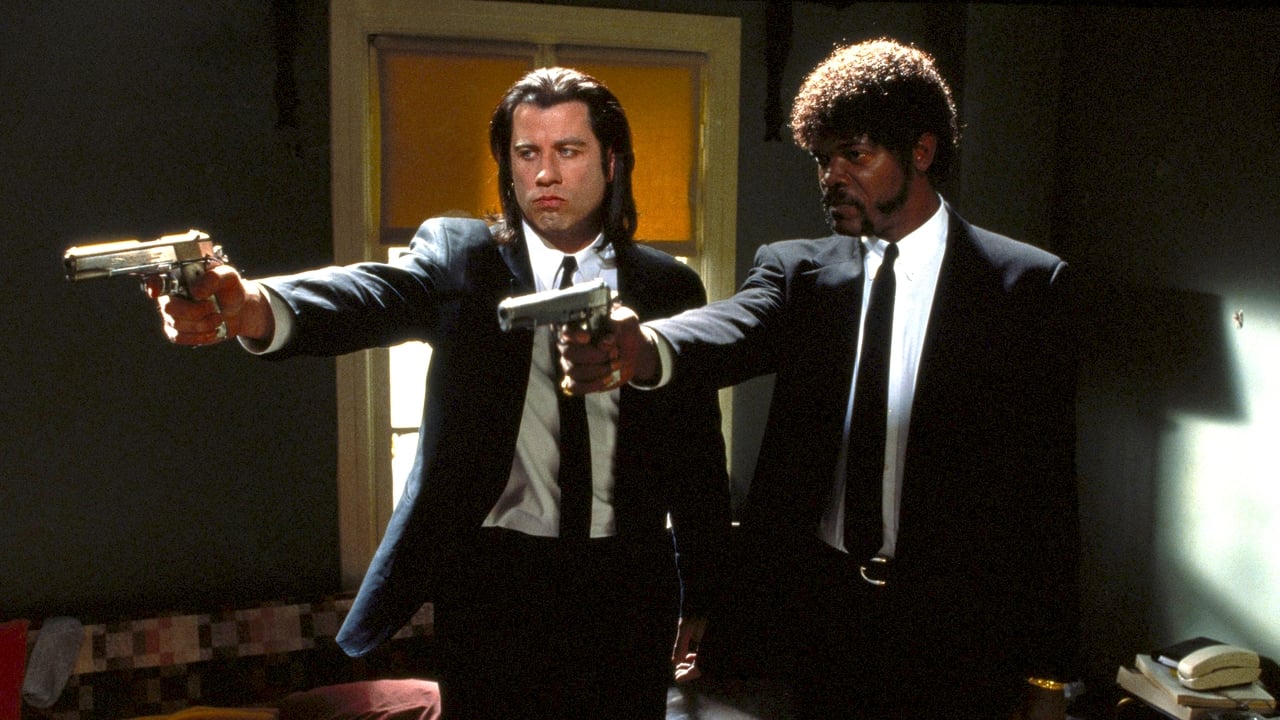
Right off the bat, Pulp Fiction announced itself as something different. Directed by the video store wunderkind himself, Quentin Tarantino, hot off the heels of his blistering debut Reservoir Dogs (1992), this wasn't your standard Hollywood fare. Co-written with Roger Avary, the script felt like a revelation – a collection of loosely connected stories about L.A. lowlifes, told out of order, focusing less on what happened and more on the sharp, pop-culture-drenched dialogue while it happened. Remember trying to piece the timeline together on that first watch? That rewind button got a workout! The film jumped around, introducing us to hitmen talking foot massages and the metric system, a gangster's moll demanding entertainment, and a boxer refusing to throw a fight. It felt audacious, smart, and dangerously funny.
### The Comeback Kid and The Star Ascendant
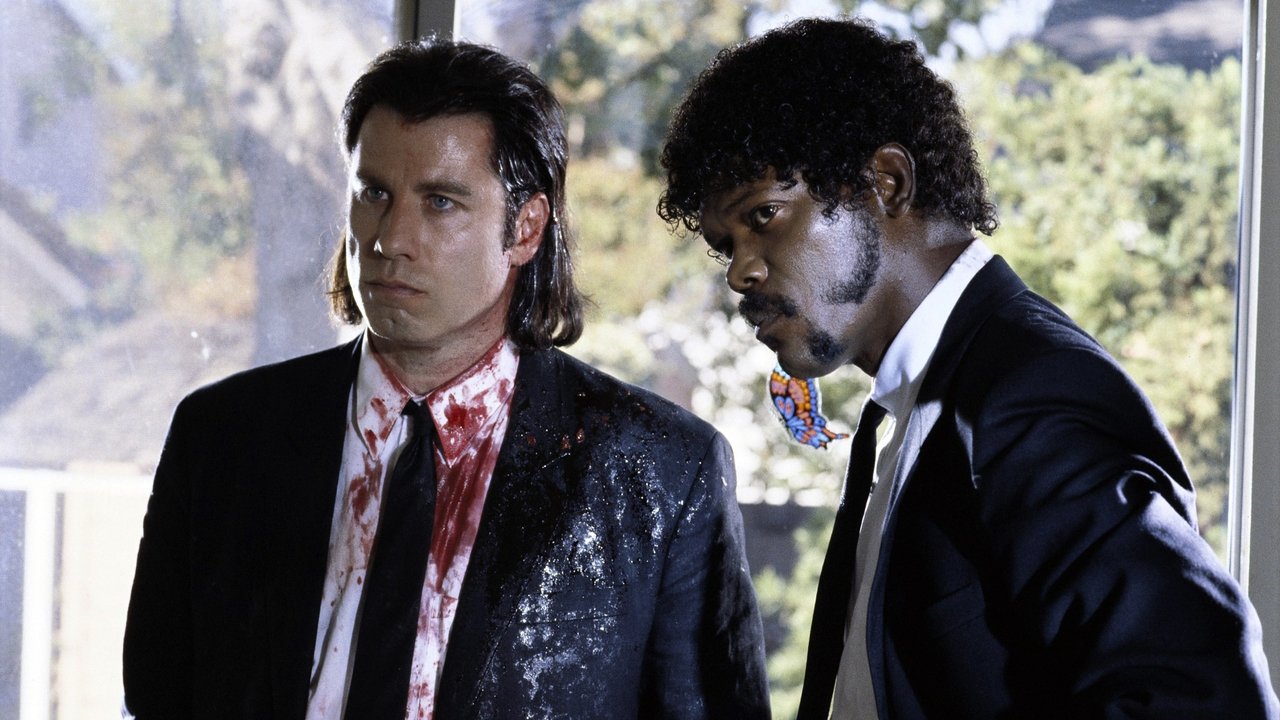
You simply cannot discuss Pulp Fiction without talking about the cast. This film famously resurrected John Travolta's career. As Vincent Vega, the laid-back, heroin-dabbling hitman, Travolta wasn't just playing a character; he was reminding everyone of the effortless charisma that made him a star in the first place. It's wild to think Michael Madsen, who played Vic Vega in Reservoir Dogs, was Tarantino's initial pick for Vincent, but scheduling conflicts with Wyatt Earp opened the door for Travolta's iconic return.
Paired with him was Samuel L. Jackson as Jules Winnfield, delivering a performance that practically vibrated with intensity and biblical fury (even if that Ezekiel 25:17 passage was mostly Tarantino's invention!). Jackson wasn't exactly unknown, but Jules made him a household name. His chemistry with Travolta is legendary – their conversations, whether about divine intervention or the nuances of European fast food, are pure gold. Reportedly, Tarantino wrote the part specifically for Laurence Fishburne, but Jackson's audition absolutely blew him away.
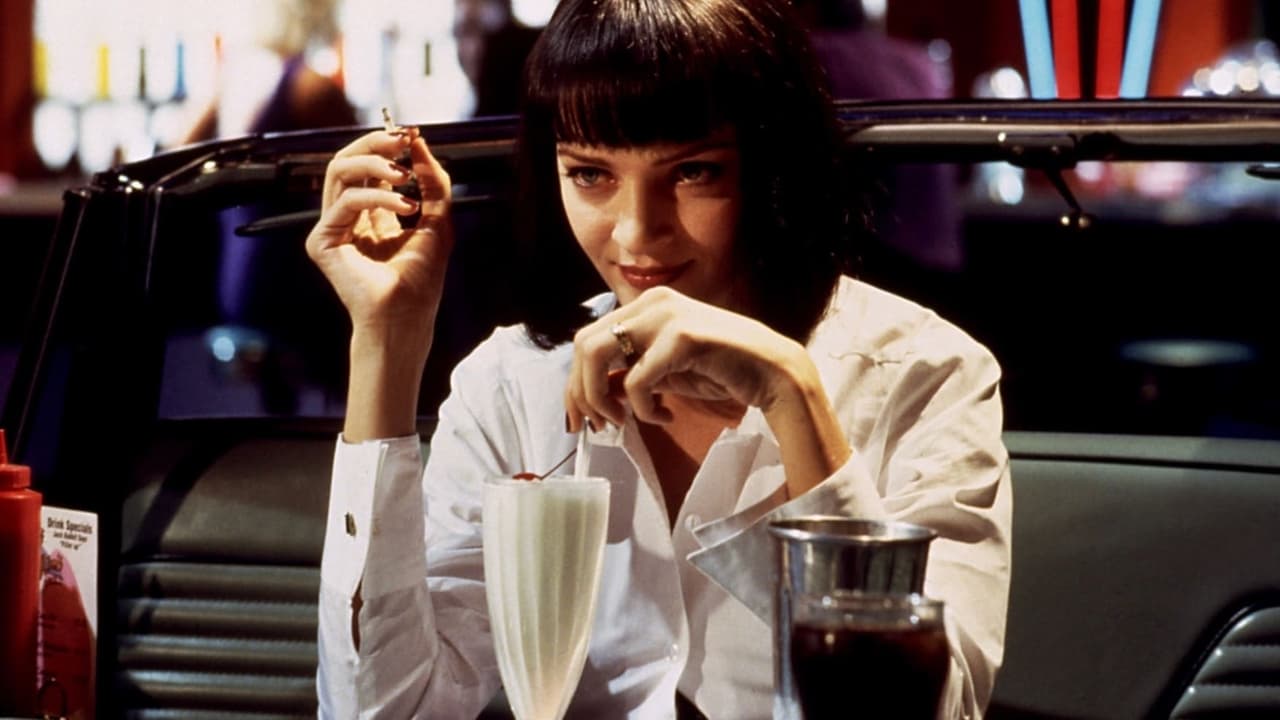
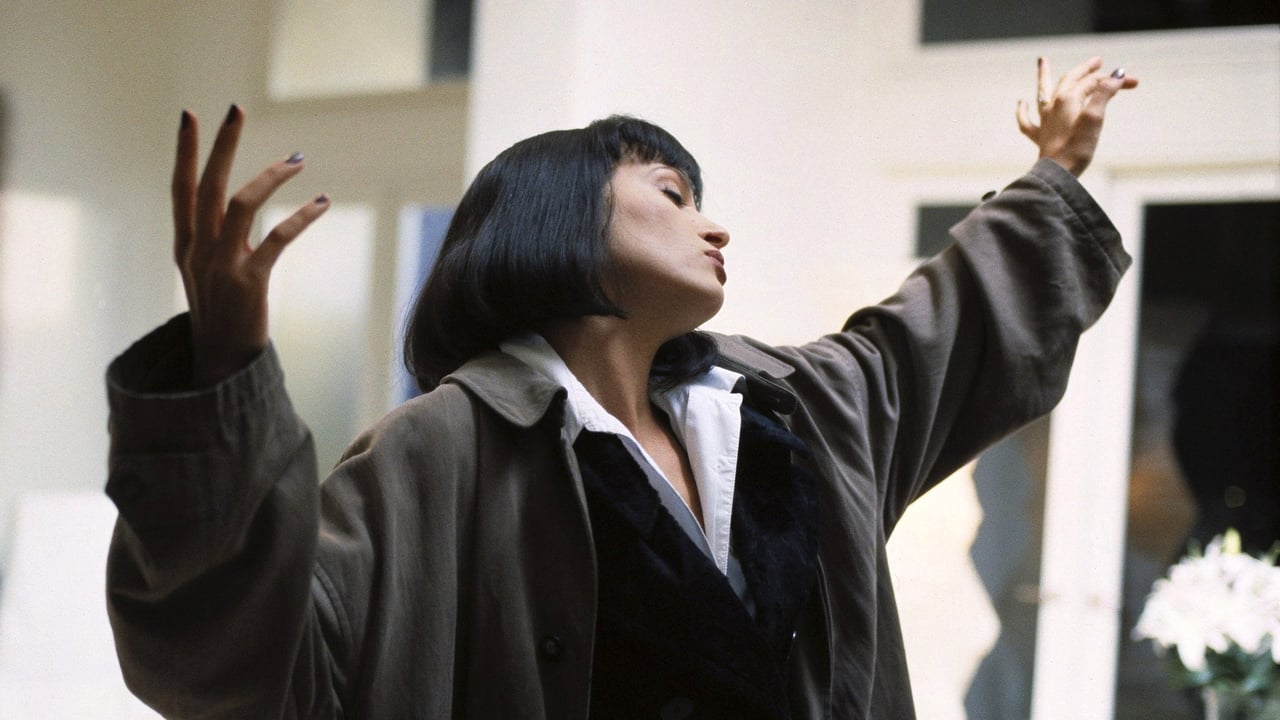
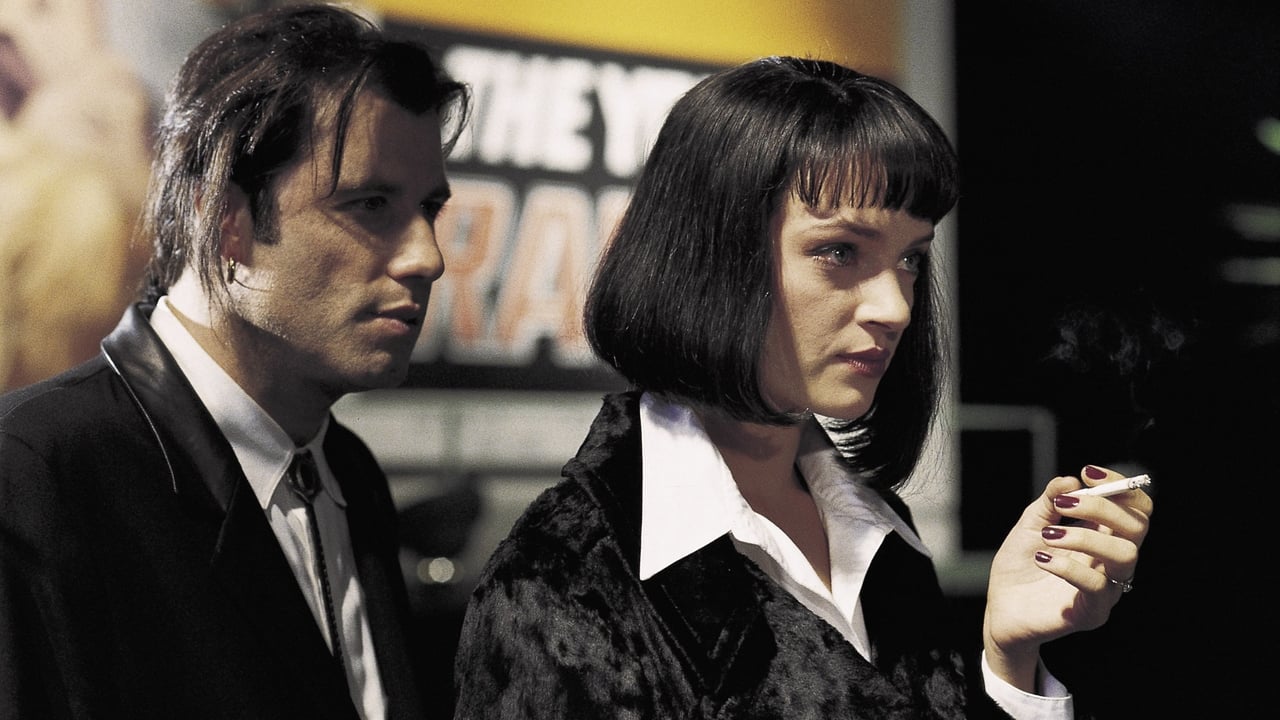
And then there's Uma Thurman as Mia Wallace, the boss's wife. The image of her with that sharp black bob, cigarette in hand, is forever etched in 90s iconography. The Jack Rabbit Slim's Twist Contest scene? Instantly legendary. But Thurman brought more than just cool looks; she navigated Mia's playful danger and vulnerability perfectly. The overdose scene remains incredibly tense viewing – that frantic scramble and the jab of the adrenaline needle felt shockingly real, a jolt of raw panic achieved through clever editing and performance, long before CGI could smooth over such visceral moments. It’s fascinating to know that stars like Michelle Pfeiffer and Meg Ryan were apparently considered before Thurman landed the role that defined a certain kind of 90s cool.
### Violence with Style, Words with Weight
Let's be honest, Pulp Fiction has its share of brutality. From accidental car headshots to medieval vengeance in a pawn shop basement (hello, Ving Rhames as Marsellus Wallace!), the violence is sudden and stark. But unlike the gratuitous gore fests sometimes found on the rental shelves, here it felt stylized, almost matter-of-fact within the film's universe. It wasn't just about the shock; it was about the consequences and the darkly comedic reactions of the characters caught in the mess. The dialogue remained king – witty, profane, philosophical, and endlessly quotable. It elevated genre pulp into something approaching art.
The production itself is a testament to indie spirit. Made for a relatively modest $8.5 million (roughly $17.5 million today) – about half of which went to actor salaries, including Bruce Willis taking a significant pay cut to play Butch the boxer – it grossed over $213 million worldwide. Its win of the Palme d'Or at the Cannes Film Festival announced its arrival on the world stage, proving independent film could be both critically adored and massively popular. Even the film's soundtrack, a killer mix of surf rock, soul, and funk curated by Tarantino, became a massive hit, introducing forgotten gems to a whole new generation.
### Still Got The Juice?
Watching Pulp Fiction today, even on a pristine Blu-ray or stream, it’s impossible not to feel that VHS-era energy. It’s the energy of discovery, of a filmmaker breaking rules and audiences eating it up. The non-linear structure, once revolutionary, is now commonplace, but Tarantino did it with such confidence and style that it still feels fresh. The dialogue hasn't aged a day; it's still sharp, funny, and infinitely cool. The performances remain magnetic. It captured a specific late-20th-century vibe – cynical yet romantic, violent yet articulate – that resonated deeply.
Rating: 9.5/10
Why not a perfect 10? Maybe because its overwhelming influence spawned countless imitators that rarely matched its wit or depth. But that's hardly the film's fault. This rating reflects its audacious structure, unforgettable characters, razor-sharp dialogue, cultural impact, and sheer rewatchability. It validated indie filmmaking, reshaped careers, and delivered a viewing experience that felt utterly unique back then and remains compelling now.
Pulp Fiction wasn’t just a movie you rented; it was a movie you talked about, quoted endlessly, and argued over. It proved that style could be substance, and its electrifying jolt is still felt long after the tape has been ejected.