What pushes ordinary people to extraordinary, sometimes desperate, acts? It's a question that hangs heavy in the humid Rio air of 1969, as depicted in the gripping political thriller Four Days in September (O Que É Isso, Companheiro?), directed by Bruno Barreto. Landing on shelves in 1997, this wasn't your typical late-90s blockbuster fare. Finding it tucked away in the drama or world cinema section of the video store felt like unearthing something weightier, a film demanding more than just passive viewing. It promised, and delivered, a tense, morally complex journey back to a turbulent period in Brazilian history.
Echoes of Revolution
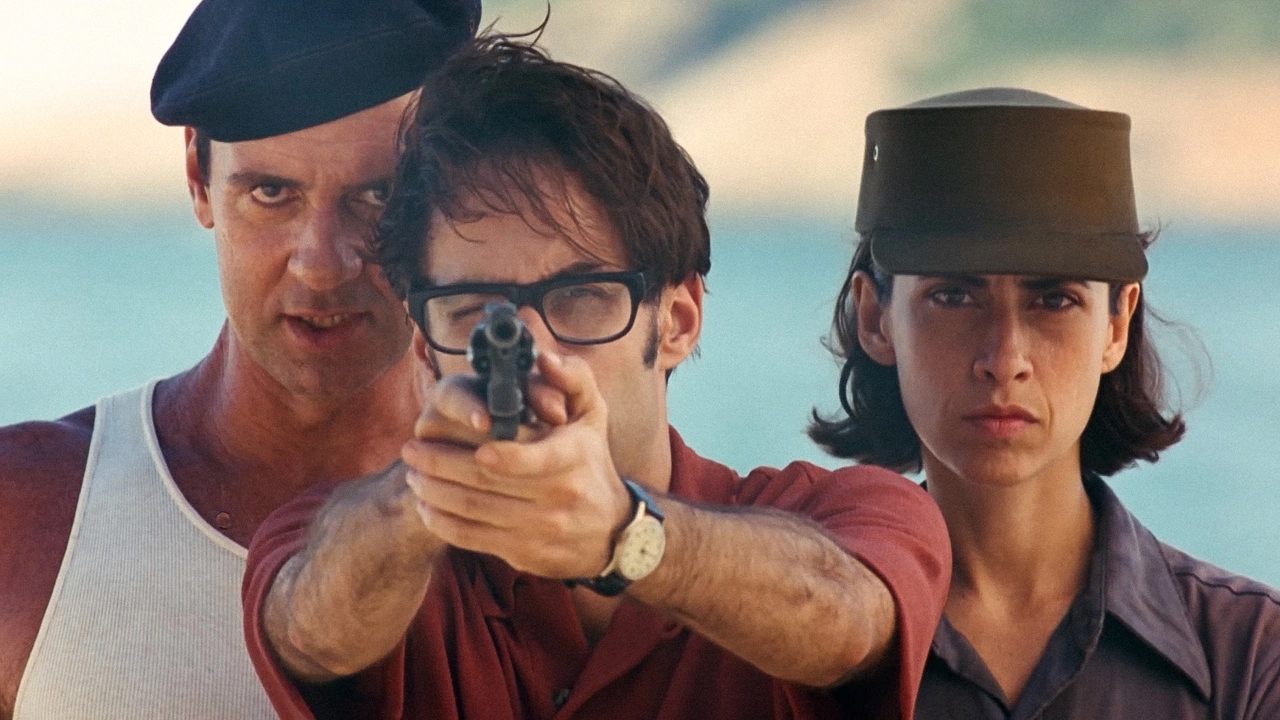
The film plunges us directly into the heart of Brazil's military dictatorship, a regime that held power from 1964 to 1985. Against this backdrop of repression, a small group of young, middle-class students, members of the MR-8 revolutionary group, hatch a daring plan: kidnap the American ambassador, Charles Burke Elbrick, to force the release of political prisoners. What unfolds over the titular four days is less a straightforward action piece and more a taut, claustrophobic study of idealism colliding with brutal reality.
Barreto, already a respected name in Brazilian cinema perhaps best known internationally for the sensuous Dona Flor and Her Two Husbands (1976), shifts gears dramatically here. He crafts an atmosphere thick with paranoia and uncertainty. The streets of Rio, often romanticized, feel charged with potential violence. The film doesn't shy away from the amateurishness and internal conflicts of the young revolutionaries, led by the conflicted Fernando (played with nervous energy by Pedro Cardoso). Their conviction is palpable, but so is their fear and creeping doubt as the situation escalates beyond their control.
A Captive Audience, A Captivating Performance
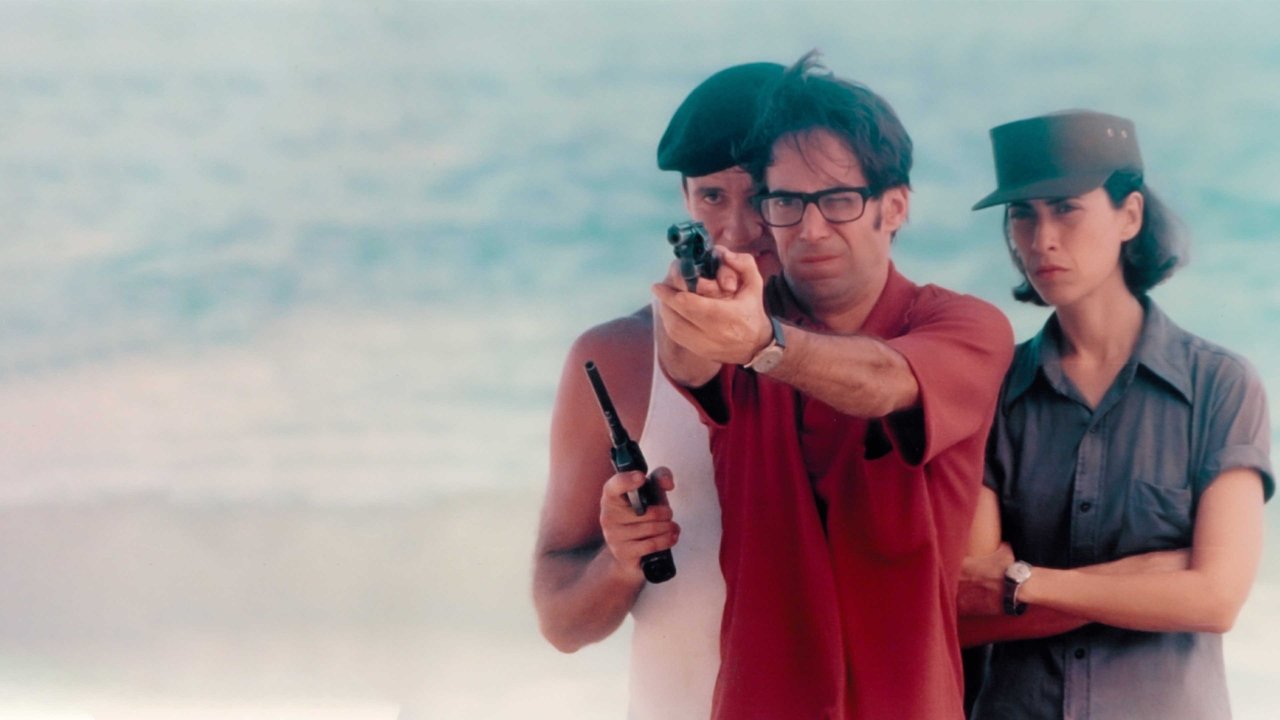
At the heart of the film lies the relationship, however strained, between the kidnappers and their captive. Alan Arkin, in a performance of remarkable subtlety and restraint, portrays Ambassador Elbrick. It’s a casting choice that pays dividends. Arkin, who reportedly replaced Donald Sutherland and learned some Portuguese for the role, brings an outsider's gravitas but also a profound humanity to the ambassador. He’s not just a symbol of American power; he’s a man caught in impossible circumstances, displaying fear, dignity, and moments of unexpected connection with his captors. There's a quiet power in his interactions, particularly with Fernando/Paulo (the character’s code name), that transcends the political chasm between them. You see the calculation, the fear, but also a flicker of something like understanding in his eyes. It’s a masterclass in understated acting.
Equally compelling are the Brazilian actors portraying the MR-8 members. Alongside Cardoso, Fernanda Torres (Barreto's wife and a formidable actress in her own right) shines as Andréa, bringing a fierce intelligence and unwavering commitment that gradually frays under the immense pressure. Their performances capture the potent cocktail of revolutionary fervor, youthful naiveté, and the dawning horror of the consequences of their actions.
Truth Stranger Than Fiction
One of the film's most fascinating aspects, something that truly elevates it beyond a standard thriller, is its source material. It’s based on the 1979 memoir O Que É Isso, Companheiro? written by Fernando Gabeira, who was himself one of the actual kidnappers depicted in the film (represented by Cardoso's character). This grounding in lived experience lends the narrative an undeniable authenticity. It’s not just a historical recreation; it’s filtered through the memory of someone who was there, grappling with the choices made and their repercussions. This connection adds layers of complexity – is it justification? Confession? A cautionary tale? The film wisely leaves room for interpretation.
Shooting on location in Rio adds another layer of verisimilitude, capturing the specific textures and mood of the city during that era. While lacking the explosive practical effects common in the action films dominating VHS shelves at the time, Barreto uses the setting and tight interior shots to build suspense effectively. The tension doesn’t come from chases and gunfire (though there are moments of sudden violence), but from the psychological strain, the waiting, the impossible choices faced by everyone involved. It reminds me of how some of the best political thrillers of the 70s, like The Day of the Jackal (1973) or Three Days of the Condor (1975), relied more on atmosphere and character than spectacle.
The Lingering Questions
Four Days in September doesn't offer easy answers or clear-cut heroes and villains. It presents the kidnappers' motivations – fighting a brutal dictatorship – without necessarily endorsing their methods. It shows the human cost on all sides, forcing us to consider the agonizing calculus of political violence. What is the price of freedom? When does idealism curdle into dangerous extremism? These aren't comfortable questions, but the film poses them with intelligence and sensitivity. Its critical success, including an Academy Award nomination for Best Foreign Language Film, speaks to its power to resonate beyond Brazil's specific historical context. It felt like a significant film then, a challenging piece that sparked conversation, and it retains that power today.
Rating: 8/10
This rating reflects the film's gripping tension, outstanding performances (especially Arkin's nuanced portrayal), and its thoughtful, complex handling of a difficult historical event. Bruno Barreto directs with a steady hand, creating a palpable atmosphere of fear and uncertainty. The film's basis in Fernando Gabeira's memoir adds a layer of authenticity that elevates it above typical political thrillers. While perhaps not a casual watch, its power lies in its refusal to simplify, leaving the viewer with lingering questions about morality, sacrifice, and the true cost of revolution.
It remains a potent reminder that sometimes the most compelling stories are found not in fantasy, but etched in the often-uncomfortable pages of history. A truly worthwhile discovery from the later days of the VHS era.