## The Walls Have Ears: Unpacking the Chilling Resonance of The Ear (1990)
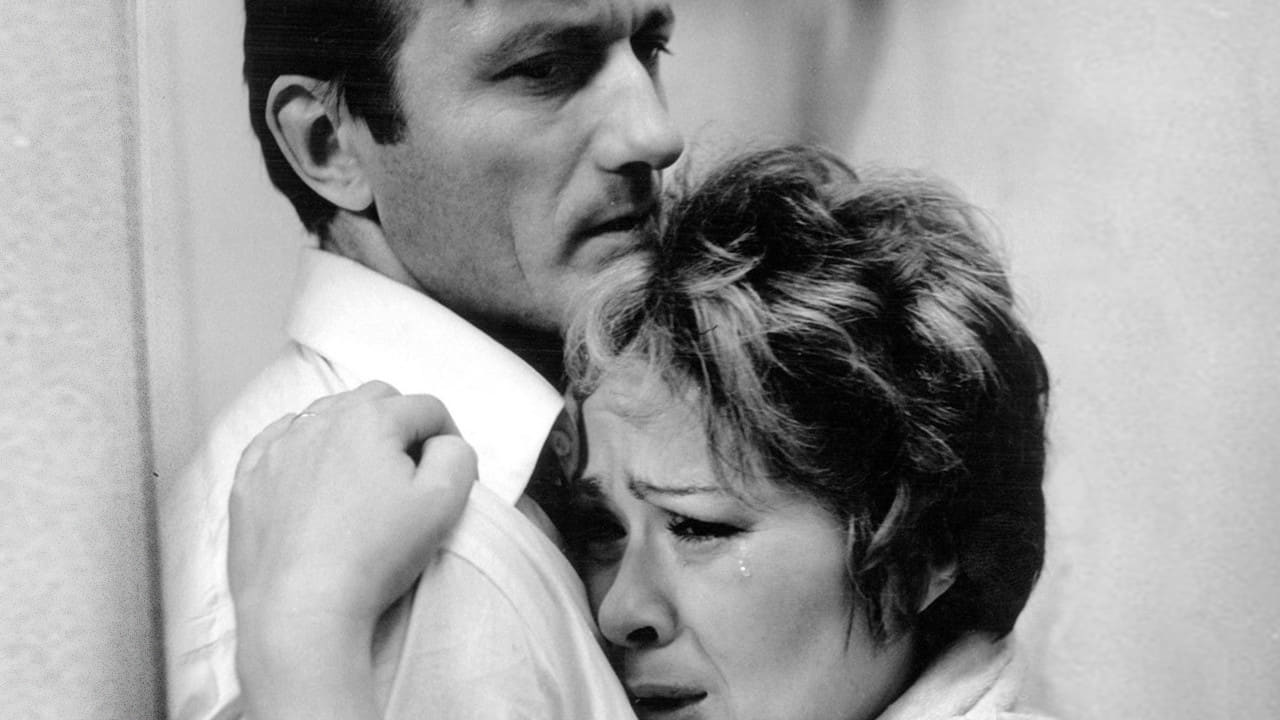
Some films arrive like whispers from a locked room, carrying the weight of history and secrets finally exposed. Karel Kachyňa's The Ear (Ucho) is precisely such a film. Though it eventually reached international audiences – and discerning video rental shelves – in 1990, its story begins much earlier, buried deep within the anxieties of Communist Czechoslovakia. Watching it today feels less like uncovering a time capsule and more like confronting a chillingly timeless portrayal of paranoia and power. What happens when the most intimate space, your home, becomes a stage for political surveillance?
A Night of Rising Dread
The premise is deceptively simple: Ludvík (Radoslav Brzobohatý), a senior ministry official, and his sharp-tongued wife Anna (Jiřina Bohdalová) return home late one night from a government party. Something feels wrong. The power is out, their spare keys are missing, and an unnerving silence hangs in the air. As the night unfolds, punctuated by cryptic phone calls, half-heard sounds, and the growing certainty that they are being listened to – that "the ear" of the state is tuned into their every word, every sigh, every bitter argument – their seemingly stable life begins to fracture under the pressure.
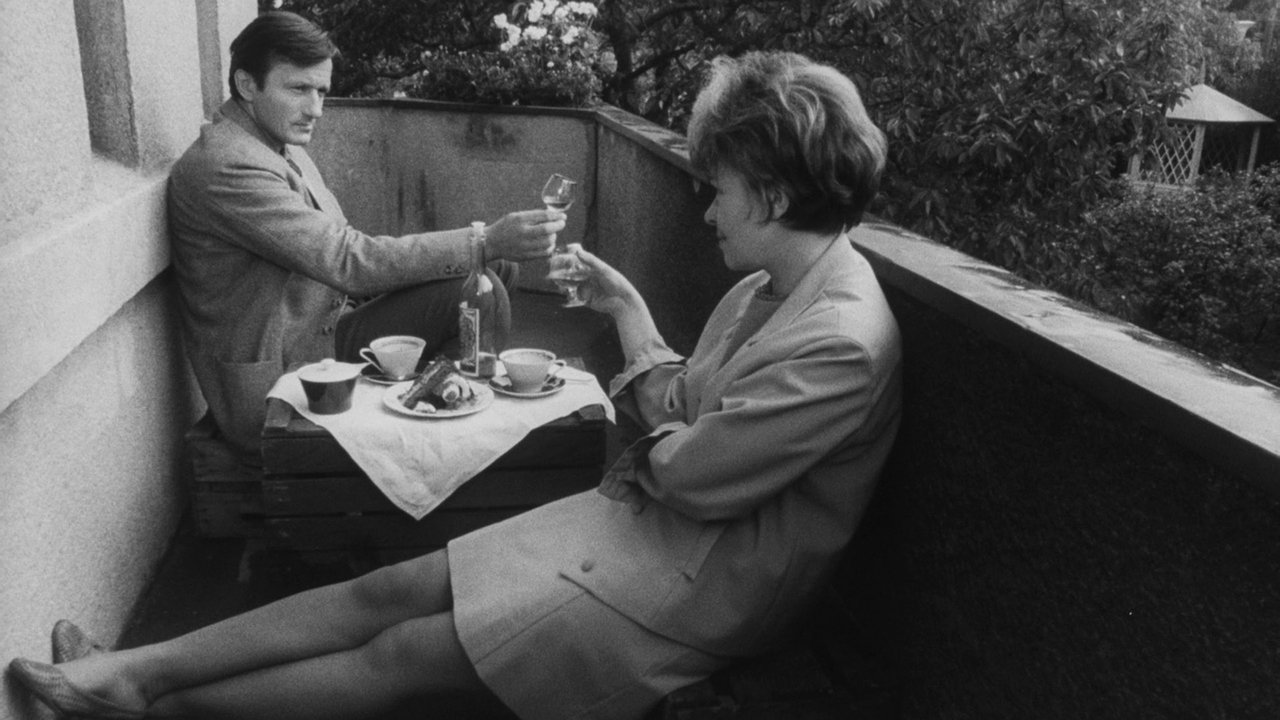
What makes The Ear so profoundly effective is its masterful control of atmosphere. Kachyňa, working from a script co-written with the soon-to-be-blacklisted Jan Procházka, crafts an almost unbearably claustrophobic environment. Filmed in stark, high-contrast black and white, the couple's apartment transforms from a refuge into a cage. Shadows lengthen, ordinary objects take on sinister significance, and the sound design – the creak of a floorboard, the distant ring of a phone – amplifies the tension to a fever pitch. You feel trapped with Ludvík and Anna, sharing their escalating fear and suspicion.
Truth Under Duress
At the heart of the film are the devastatingly authentic performances by Brzobohatý and Bohdalová. Their portrayal of a marriage buckling under external threat and internal resentment is nothing short of brilliant. Ludvík’s initial attempts at nonchalance crumble into sweaty desperation, while Anna’s fierce intelligence turns brittle with anxiety and long-simmering bitterness. Their arguments are raw, painful, and utterly believable – peeling back layers of compromise, ambition, and disillusionment. We witness not just political fear, but the erosion of trust and intimacy between two people who know each other perhaps too well. Does extreme pressure reveal our true selves, or force us into becoming someone else entirely? It's a question the film forces us to ponder long after the credits roll.
A Film Out of Time
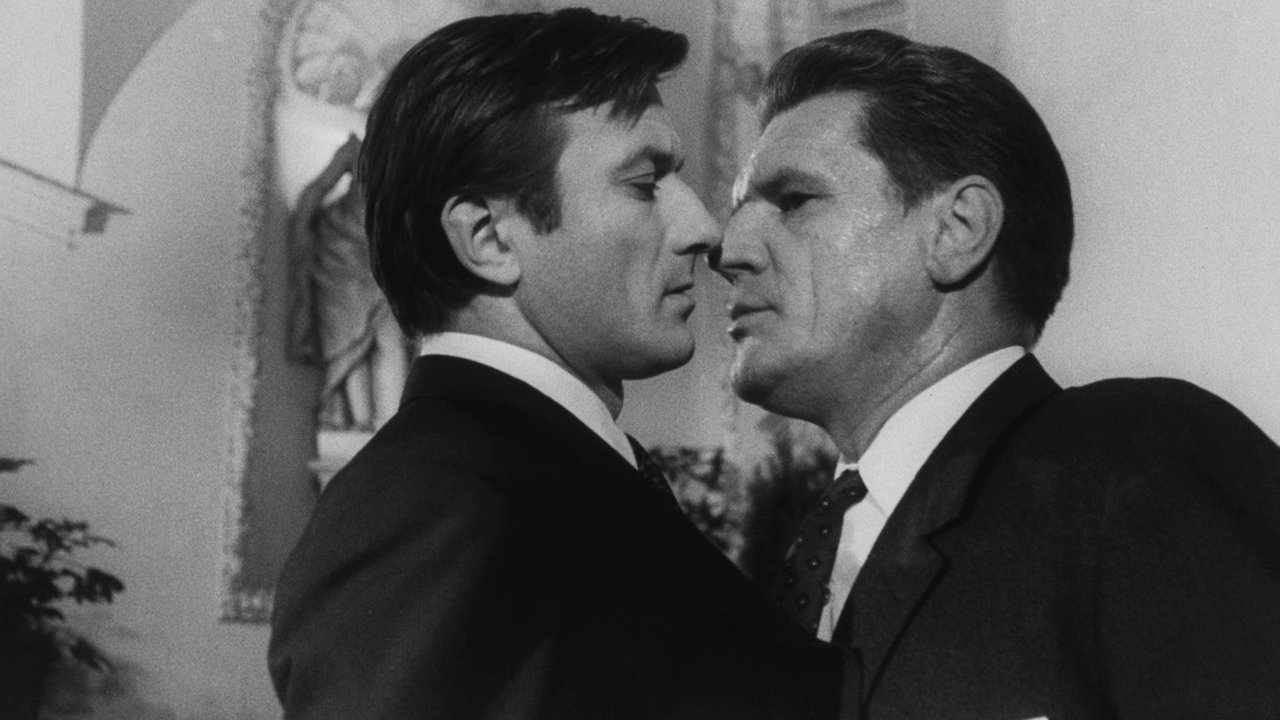
Here's where the story behind the film becomes almost as compelling as the film itself. The Ear was actually shot in 1970, during the brief cultural thaw known as the Prague Spring. Its unflinching critique of state surveillance and the psychological toll of totalitarianism, however, proved too potent. Following the Warsaw Pact invasion of Czechoslovakia later that year, the film was immediately banned by the authorities, deemed "anti-socialist." It remained unseen, locked away in a vault for two decades.
Think about that. A completed film, a powerful piece of political art, simply erased from public view. Its director, Kachyňa, managed to continue working, albeit under tighter scrutiny, but writer Jan Procházka faced harsher consequences, effectively silenced professionally until his death in 1971. When The Ear finally emerged in 1990, premiering at the Cannes Film Festival shortly after the Velvet Revolution swept away the regime that had suppressed it, it felt like a ghost returning – a potent reminder of the very system it depicted. For audiences discovering it on platforms like VHS in the early 90s, it wasn't just a thriller; it was a recently unearthed historical document, speaking truths that had been forcibly muted.
The film's journey highlights the power – and perceived danger – of art that dares to reflect uncomfortable realities. Its eventual release wasn't just a cinematic event; it was a symbol of newfound freedom, a testament to the resilience of voices that refuse to be permanently silenced.
Enduring Paranoia
Despite being rooted in a specific time and political system, the core themes of The Ear resonate disturbingly well today. In an age of digital surveillance, data breaches, and the quiet hum of smart devices potentially listening in, the film's depiction of privacy evaporating feels less like a historical relic and more like a cautionary tale. The technology may have changed, but the fundamental anxieties about who is watching, who is listening, and what power they hold remain potent.
The Ear isn't an easy watch. It's tense, unsettling, and deeply pessimistic about the corrupting influence of unchecked power. But its impeccable craftsmanship, the powerhouse performances, and its incredible backstory make it an essential piece of political cinema. It doesn't offer easy answers, but forces us to confront difficult questions about fear, complicity, and the fragility of truth in an environment saturated with suspicion.
Rating: 9/10
This score reflects the film's masterful direction, unforgettable performances, chillingly effective atmosphere, and its profound historical significance. It’s a near-perfect psychological thriller that uses its claustrophobic setting to dissect the mechanisms of fear and control. Its delayed release only adds to its power, making it a crucial watch for anyone interested in political cinema or the enduring human struggle against oppressive systems.
Final Thought: The Ear reminds us that sometimes the most terrifying monsters aren't lurking in the shadows, but listening intently from the other side of the wall.