There are certain films that, even glimpsed through the fuzzy tracking lines of a well-worn VHS tape, carry an undeniable weight. Neil Jordan's Michael Collins (1996) is one such film. It arrived in video stores not as escapist fantasy, but as a sprawling, complex slice of history – raw, turbulent, and deeply human. Watching it again recently, that feeling returned: the sense of witnessing pivotal, messy moments that shaped a nation, brought vividly to life with a passion that transcended the limitations of the small screen. It wasn't just a movie; it felt like an event, a history lesson wrapped in the visceral language of cinema.
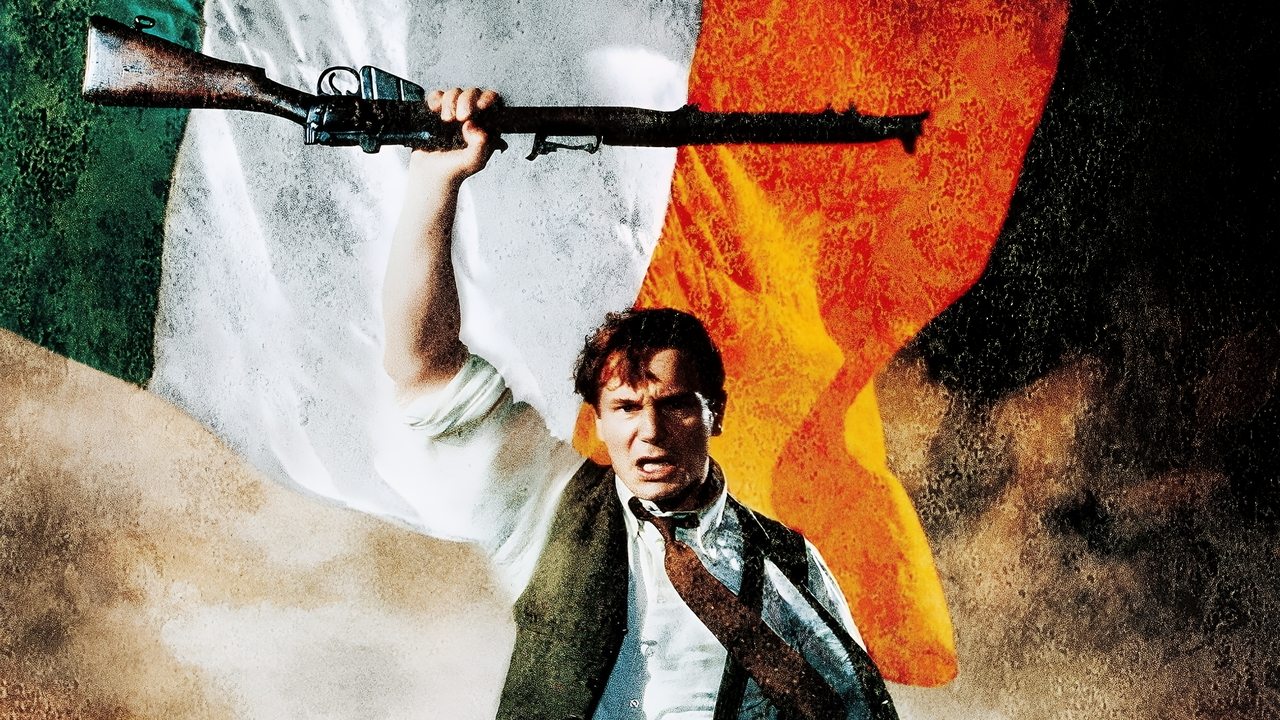
Forging a Nation in Fire and Shadow
Jordan, who also penned the screenplay after reportedly nursing the project for over a decade, throws us directly into the crucible of early 20th-century Ireland. We witness the aftermath of the 1916 Easter Rising and follow Michael Collins (Liam Neeson) as he rises from relative obscurity to become the architect of a potent, often brutal, guerrilla war against British rule. The film pulses with the energy of clandestine meetings, lightning-fast ambushes, and the constant, gnawing tension of living under occupation and surveillance. Jordan doesn't shy away from the moral ambiguities of Collins' methods – the "flying columns," the targeted assassinations – forcing us to confront the brutal necessities often demanded by revolution. What does it take, the film seems to ask, to break the chains of empire, and what is the cost to the soul?
A Towering Performance, A Complicated Legacy
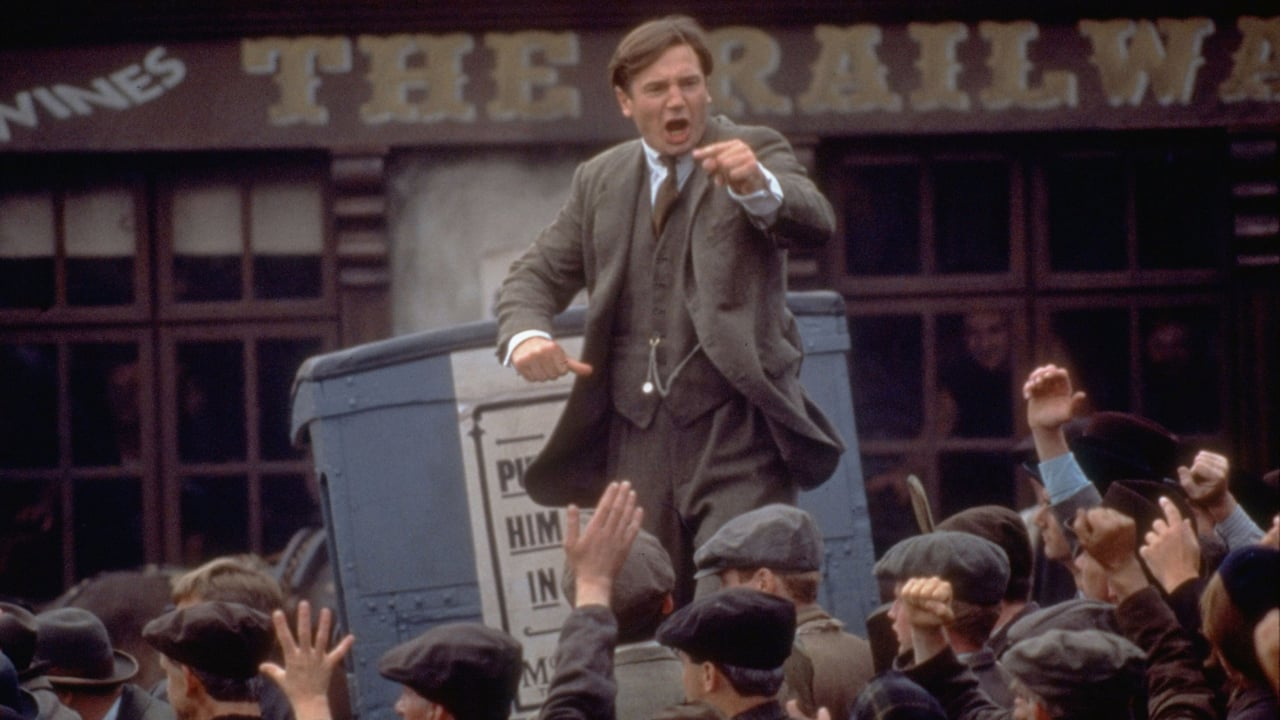
At the heart of it all is Liam Neeson, delivering what remains one of his defining performances. He embodies Collins not merely as a historical figure, but as a charismatic, pragmatic, and ultimately tragic leader. Neeson conveys the man's infectious energy, his strategic brilliance, and the profound burden he carries. There’s a fierce intelligence in his eyes, but also a weariness that grows as the conflict grinds on and the political landscape shifts beneath his feet. It's a performance of immense physical presence and surprising vulnerability. It’s hard now, knowing Neeson’s later career path forged in action thrillers like Taken (2008), not to see the echoes of Collins' determined intensity, but here it’s rooted in historical reality and a deeper emotional resonance. Jordan famously waited years to make the film, specifically wanting Neeson for the role after working with him on 1988's High Spirits – a wait that undeniably paid off.
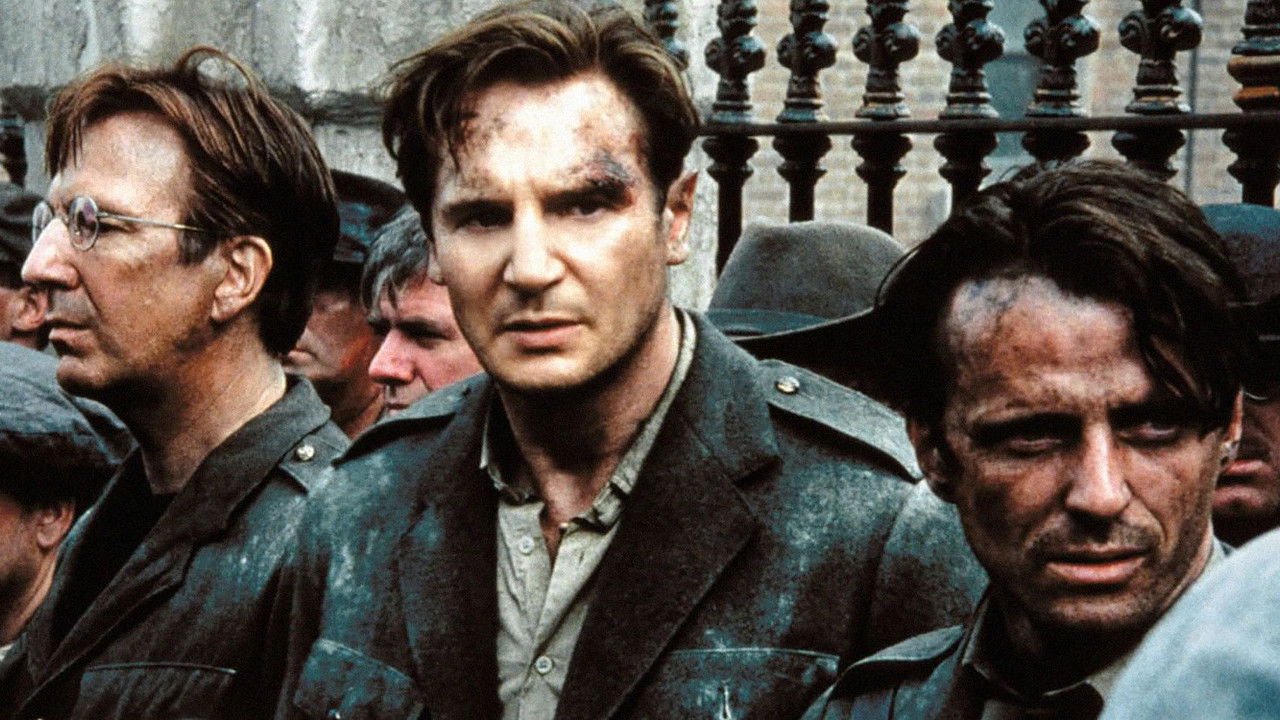
The supporting cast largely rises to the occasion. Aidan Quinn brings a compelling blend of loyalty and simmering resentment to Harry Boland, Collins' close friend turned rival. Their shifting dynamic forms one of the film's core emotional threads. Stephen Rea, a frequent Jordan collaborator (The Crying Game (1992)), provides quiet integrity as Ned Brophy, a composite character representing the intelligence network. And then there’s Alan Rickman as Éamon de Valera. Rickman masterfully portrays the calculating, enigmatic politician, a stark contrast to Collins' man-of-action persona. His deliberate, almost unnervingly calm delivery hints at the complex political maneuvering happening just off-screen.
Controversy and Craft

Of course, no discussion of Michael Collins is complete without mentioning the casting of Julia Roberts as Kitty Kiernan, Collins' love interest. While Roberts brings her undeniable star power, her presence occasionally feels slightly jarring against the otherwise grounded, predominantly Irish and British cast. Rumors persisted at the time about studio pressure influencing the casting choice for international appeal. While she gives a committed performance, it sometimes struggles to fully integrate into the film's gritty realism. It’s a minor stumble in an otherwise impeccably cast film.
Beyond the performances, the film is a testament to Neil Jordan's directorial skill and Chris Menges' stunning cinematography (which rightfully earned an Oscar nomination). They recreate the period with an evocative blend of grandeur and grit. Dublin feels alive, a character in itself – a mix of bustling streets, shadowy alleyways, and imposing Georgian architecture. Jordan handles the action sequences – particularly the Croke Park massacre during Bloody Sunday – with brutal efficiency, conveying the chaos and horror without lingering gratuitously. Interestingly, despite its scale, the film was made for a relatively modest $25 million (around $50 million today), requiring clever use of locations and crowd scenes to achieve its epic feel. Many key scenes were shot on location in Dublin, adding a layer of authenticity, though this also courted controversy, particularly filming the Bloody Sunday sequence near the actual site.
The Weight of Compromise
The film doesn't offer easy answers. Its depiction of the Anglo-Irish Treaty negotiations and the subsequent Irish Civil War is heartbreaking. Collins, the warrior, finds himself navigating the treacherous waters of politics, forced into a compromise he believes necessary but which tragically pits Irishman against Irishman. The film captures the profound sense of loss, the feeling that a hard-won victory has curdled into fratricidal conflict. This historical complexity sparked considerable debate upon its release, particularly in the UK and Ireland, over its portrayal of events and figures – a testament, perhaps, to the enduring power and sensitivity of this period in history. Jordan himself stated he wasn't aiming for strict documentary accuracy, but rather the emotional truth of Collins' journey.
***
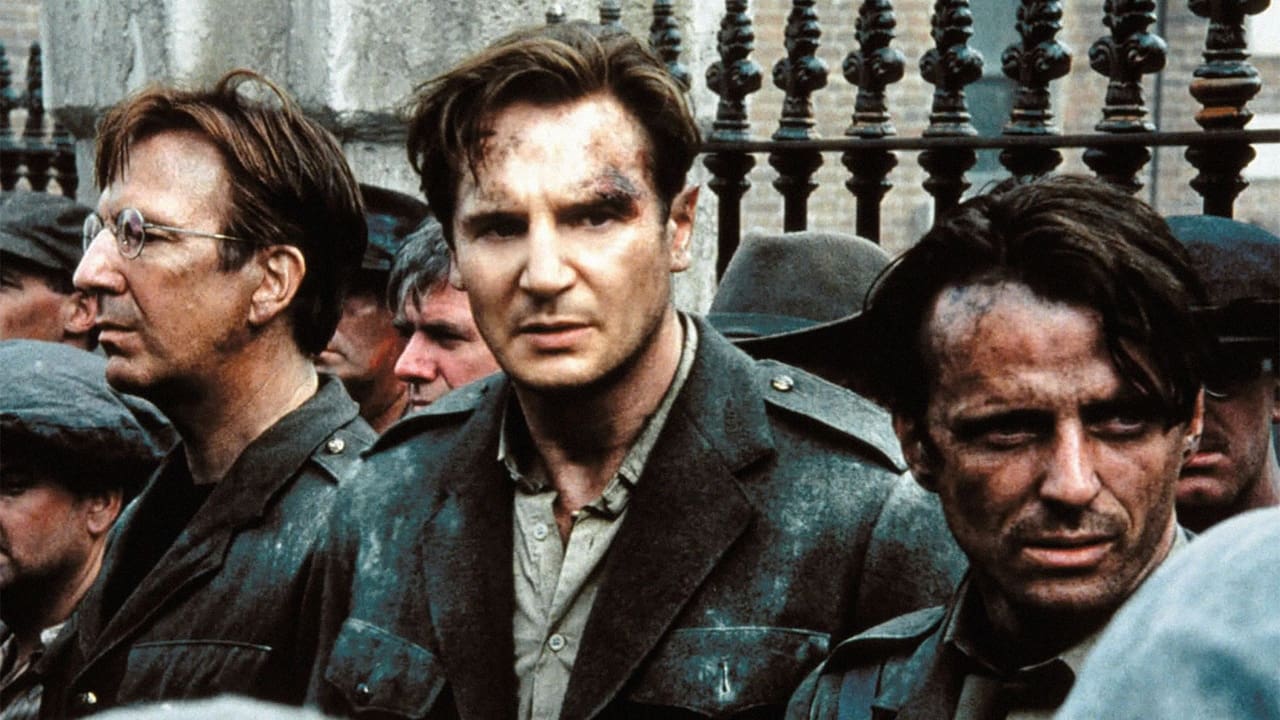
Michael Collins remains a powerful, passionate piece of filmmaking. It’s a film I remember seeking out on VHS, feeling its importance even then. It grapples with big themes – freedom, sacrifice, the nature of war, the bitter taste of compromise – anchored by a truly magnetic central performance. While historical debates will likely continue, its cinematic power is undeniable. It’s a film that stays with you, prompting reflection on the turbulent birth of nations and the complex legacies of those who shape them.
Rating: 9/10
This is epic historical filmmaking done with intelligence and heart. Liam Neeson's portrayal is unforgettable, and Neil Jordan crafts a visceral, thought-provoking experience that brings a crucial, painful chapter of history to life with compelling force. It’s more than just a biopic; it’s a potent reflection on the cost of freedom that resonates long after the tape stops rolling.