Okay, let's dim the lights, maybe pour something thoughtful, and settle in. Tonight, we're revisiting a film that likely wasn't a Friday night blockbuster rental for most of us stacking tapes beside the VCR. Instead, it’s a gut-wrenching piece of historical filmmaking that somehow found its way into the world, often through hushed recommendations or the dusty back shelves of more adventurous video stores. I'm talking about Jorge Fons's 1989 masterpiece, Rojo Amanecer – often translated as Red Dawn, but bearing absolutely no relation to the 1984 American action film of the same name. This isn't about teenagers fighting Soviets; it's about a terrifyingly real event trapped within the walls of a single apartment.
The Walls Have Ears, and Tears
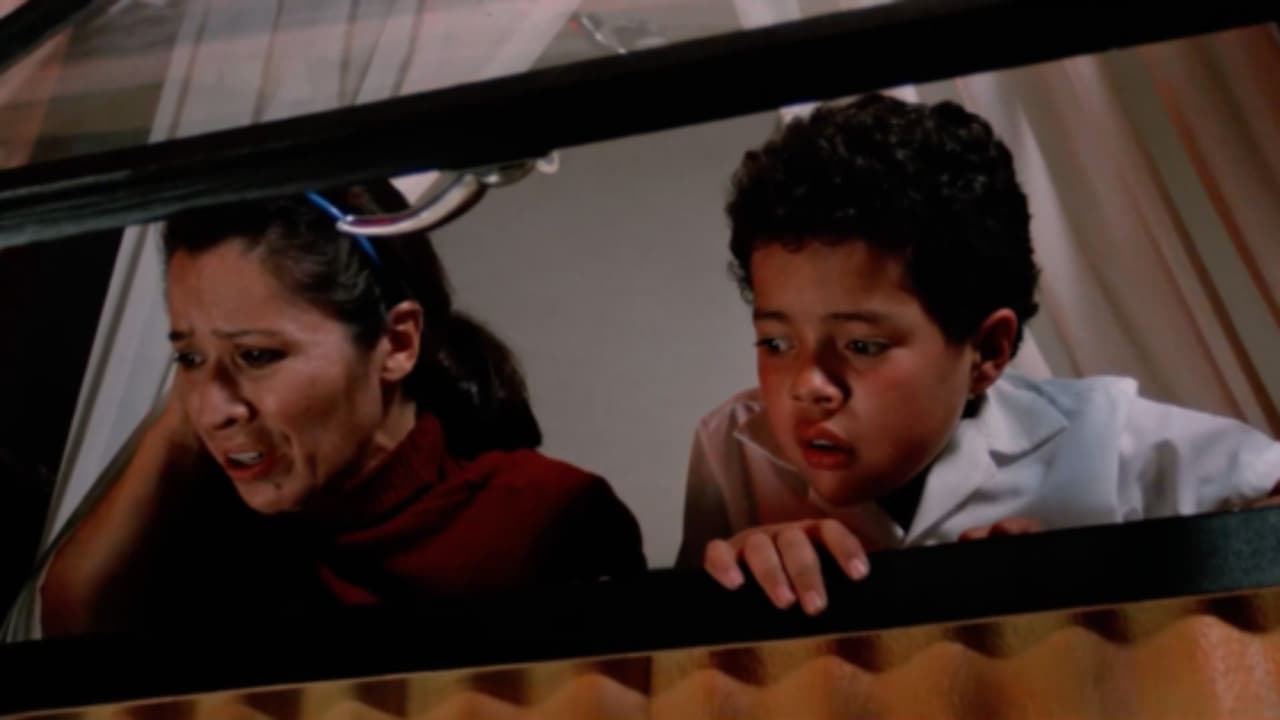
What strikes you immediately about Rojo Amanecer is its almost suffocating intimacy. The film confines us almost entirely within the apartment of a middle-class family living in the Tlatelolco housing complex in Mexico City. Outside, it’s October 2nd, 1968, the day of the infamous Tlatelolco Massacre, where government forces opened fire on unarmed student protestors just days before the Summer Olympics were set to begin. But Fons keeps the explicit violence largely off-screen, focusing instead on the rising tide of fear, confusion, and dawning horror experienced by the family trapped inside. We hear the chaos – the chanting, the helicopters, the sudden eruption of gunfire, the screams – but we see the human cost reflected in the faces of parents, grandparents, and children huddled together, their ordinary lives irrevocably shattered.
The narrative unfolds with agonizing realism. We meet the family: the concerned mother Alicia (María Rojo, in a performance of staggering authenticity), the more conservative, government-employed father Humberto (Héctor Bonilla, conveying conflicted loyalties brilliantly), their university-aged sons Jorge (Demián Bichir) and Sergio (Bruno Bichir), who are involved in the protests, their younger siblings, and the visiting grandfather (Jorge Fegan). Their morning starts with typical family squabbles – arguments about politics, chores, breakfast – grounding the extraordinary horror to come in the utterly mundane. This juxtaposition is devastating. As the day progresses and the sounds from the Plaza de las Tres Culturas outside grow more ominous, the apartment transforms from a home into a prison, then a fragile sanctuary, and ultimately, a tomb.
Courage Under Fire: Behind the Production
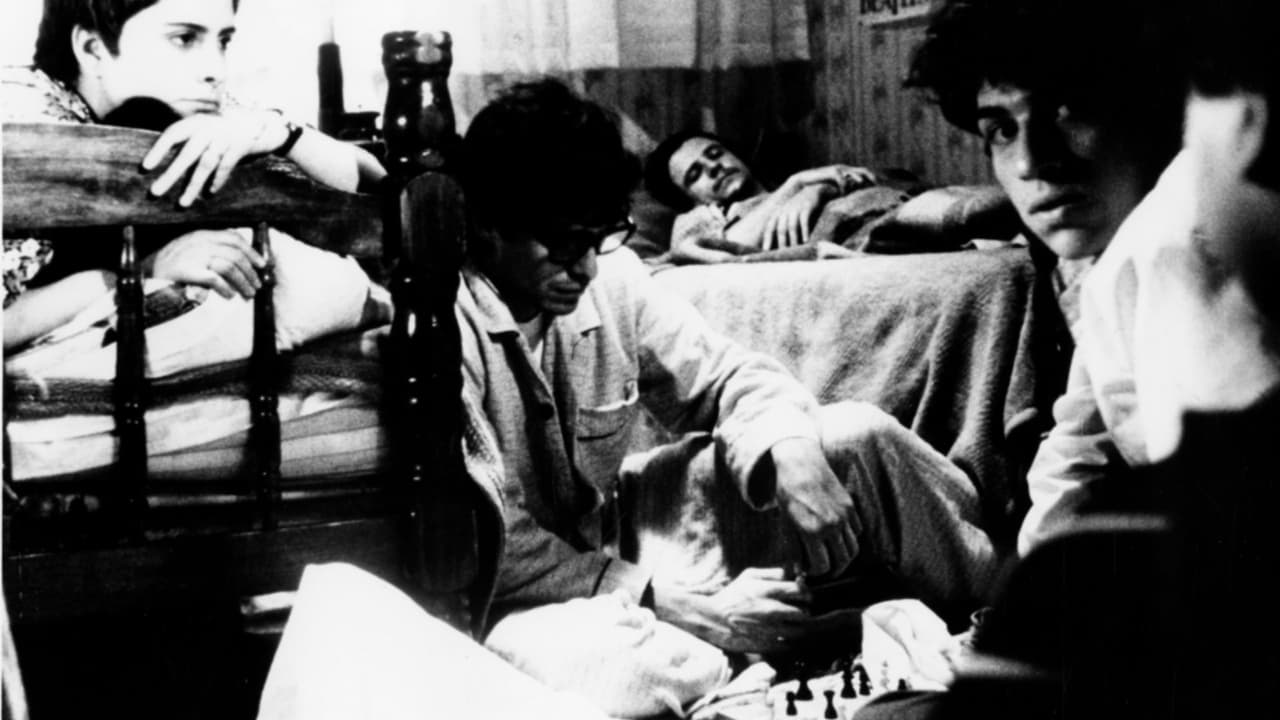
Understanding how Rojo Amanecer was made adds another layer to its power. Given the subject matter – a state-sanctioned massacre the Mexican government actively tried to suppress for decades – making this film was an act of profound courage. Director Jorge Fons and writers Xavier Robles and Guadalupe Ortega Vargas faced immense challenges. It was shot clandestinely, almost entirely on a single soundstage set recreating the apartment, with a shoestring budget reportedly scraped together by the cast and crew themselves. Héctor Bonilla, a major star, not only acted but also co-produced, lending his weight to get the project off the ground.
The initial government reaction was predictable: censorship. The film was initially banned, deemed too politically sensitive. It took considerable pressure, including international attention after screenings at festivals like Toronto, for it to finally secure a limited release in Mexico in 1990, albeit with some reported minor cuts (though Fons has stated the final version is essentially his intended cut). Thinking back to the VHS era, it's remarkable that a film like this, born from such adversity and tackling such a raw national wound, could eventually find a wider audience through those humble tapes. It’s a testament to the power of the medium to circulate stories that authorities might wish remained buried.
Performances That Resonate with Truth
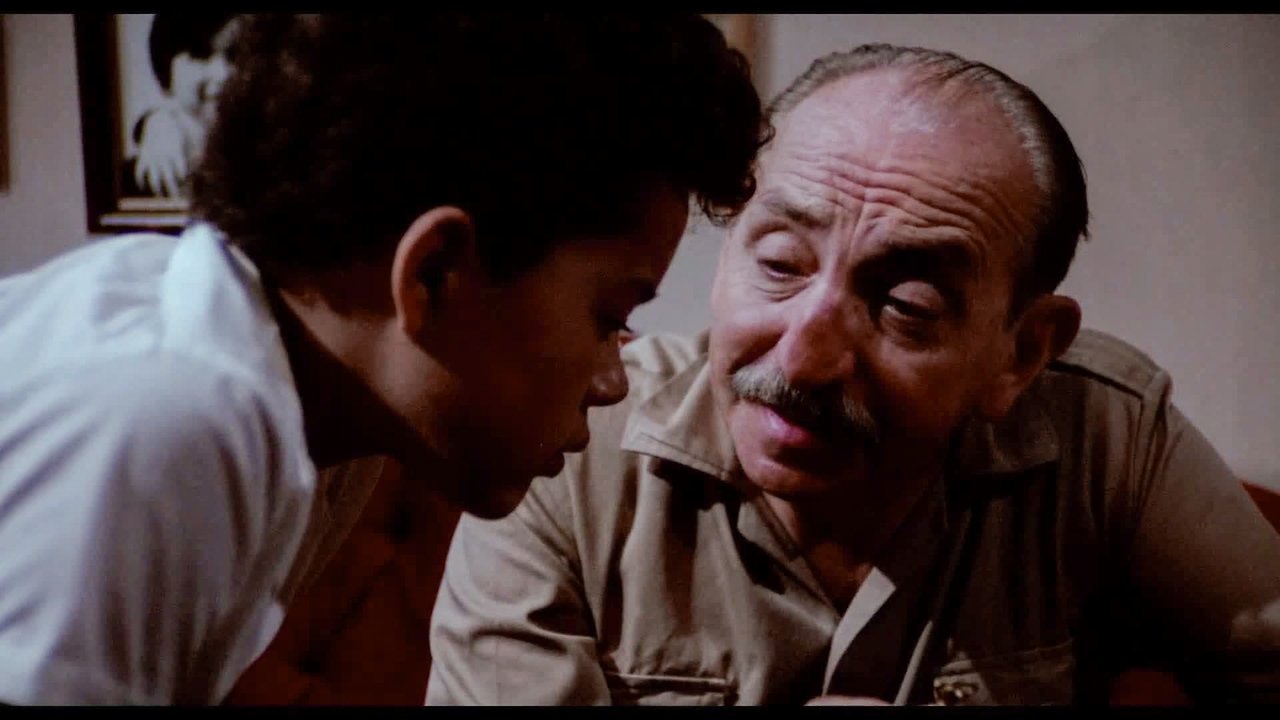
The ensemble cast is uniformly exceptional. María Rojo is the heart of the film, her portrayal of maternal anxiety escalating into primal terror feeling terrifyingly real. Héctor Bonilla masterfully navigates the difficult role of a man whose worldview crumbles as the state he serves reveals its brutality. The Bichir brothers, Demián and Bruno (part of a renowned acting dynasty in Mexico), bring youthful idealism and righteous anger, their fear palpable as the situation outside deteriorates. Even the actors playing the younger children convey the confusion and encroaching dread without resorting to melodrama. Their interactions feel lived-in, their fear utterly believable because it stems from the unseen, the overheard, the growing realization that the world outside their door has descended into madness. Fons uses the cramped space brilliantly, forcing us into intimate proximity with the family’s escalating panic.
A Legacy Etched in Memory
Rojo Amanecer isn't an easy watch. It doesn't offer catharsis in the traditional sense. It leaves you shaken, contemplating the fragility of normalcy and the terrifying capacity for state violence. What lingers most is the film's quiet dignity in the face of atrocity, its insistence on bearing witness. It forces us to confront the human cost of political events, reminding us that behind the headlines and historical accounts are ordinary families caught in the crossfire. Doesn't this focus on the personal impact of political violence feel just as relevant today?
The film became a landmark in Mexican cinema, breaking long-held taboos and paving the way for more open discussions about the Tlatelolco Massacre. It’s a powerful example of cinema as historical conscience.
Rating: 9/10
This near-perfect score reflects the film's profound impact, its courageous production history, masterful direction within constraints, and the devastating authenticity of its performances. It's a harrowing but essential piece of filmmaking, achieving monumental emotional weight through its focused, intimate portrayal of a family engulfed by historical tragedy. The single point deduction acknowledges only that its bleakness makes it a film you admire intensely, but perhaps revisit less frequently than lighter fare.
Rojo Amanecer is more than just a movie; it's a memorial captured on film, a vital reminder smuggled onto screens and tapes, ensuring that the dawn that broke red over Tlatelolco would not be forgotten.