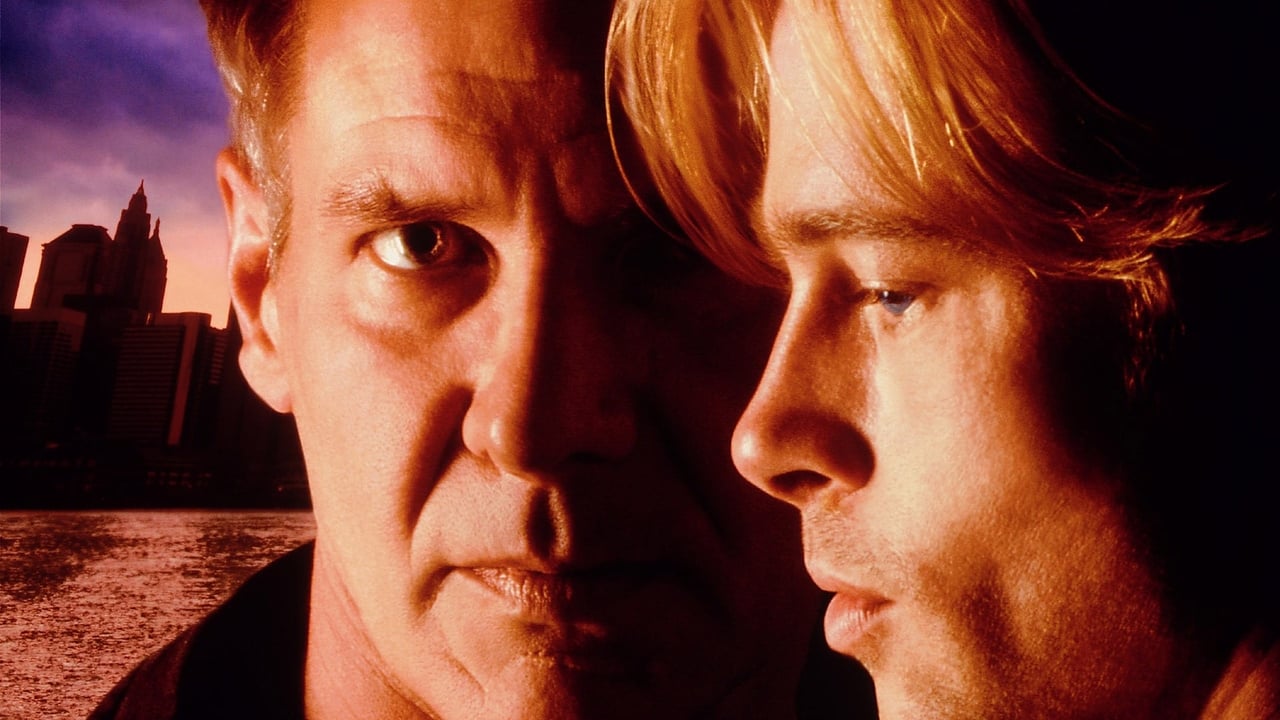
Okay, fellow tape travelers, let's rewind to 1997. Remember the buzz? Harrison Ford, the established titan, squaring off (or rather, unknowingly rooming) with Brad Pitt, arguably the hottest rising star on the planet. The premise alone for The Devil's Own felt electric, promising a collision of charisma and conflict. But what lingers long after the VCR whirs to a stop isn't just the star power, but the unsettling weight of the questions it forces upon us. What happens when decency offers shelter to violence?
### A Knock at the Door, A Secret Within
The film drops us into the life of Tom O'Meara (Harrison Ford), a salt-of-the-earth NYPD sergeant living a quiet life with his family on Staten Island. He’s the kind of fundamentally good man Ford embodies so well – steady, principled, perhaps a touch weary but unwavering in his core beliefs. Into this domesticity comes Rory Devaney (Brad Pitt), a young immigrant taken in by the O'Mearas. He's charming, helpful, and quickly forms a bond with Tom, who sees perhaps a reflection of a son. But Rory is actually Frankie McGuire, an IRA operative on a deadly mission in New York to procure Stinger missiles.
This central dynamic is the film's bruised heart. It’s less a standard cat-and-mouse thriller and more a slow-burn study in deception and dawning realization. The tension doesn't just come from Frankie's dangerous agenda, but from the genuine affection that develops between the two men, built entirely on a lie. How does one reconcile the friend they've come to care for with the killer hiding beneath the surface?
### Two Stars, One Troubled Production
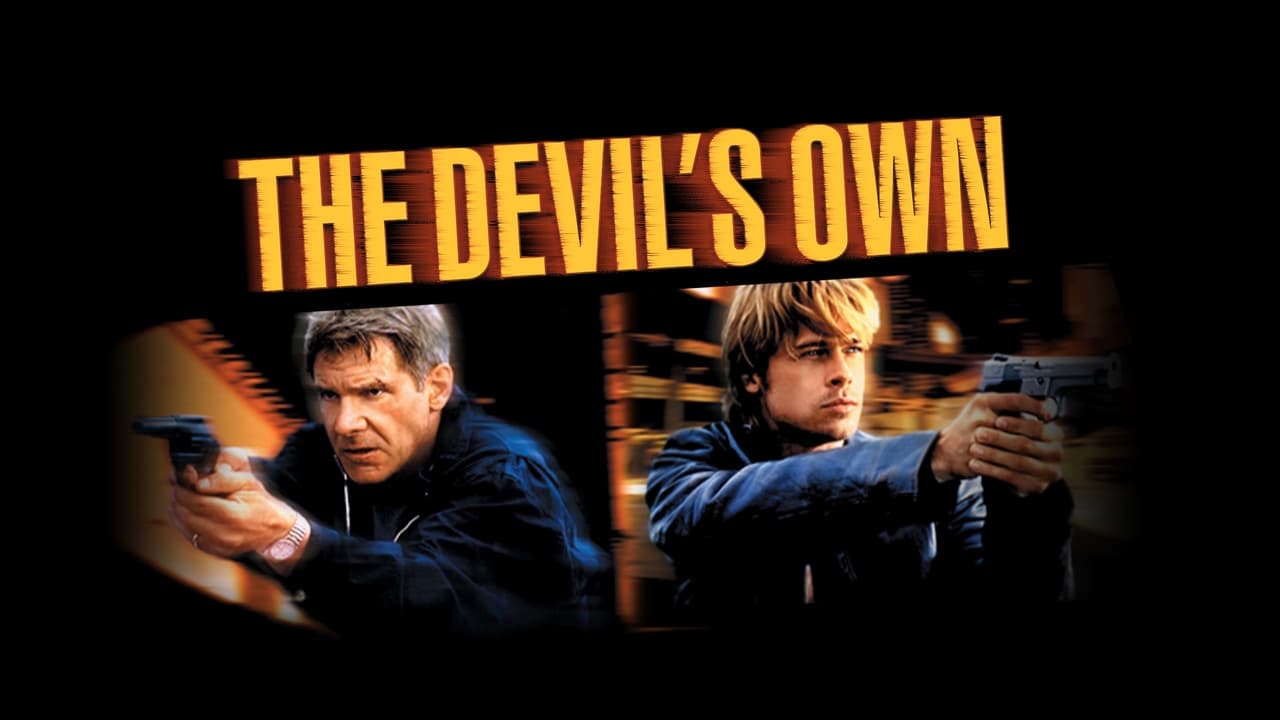
It’s impossible to talk about The Devil's Own without acknowledging its notoriously difficult production. Whispers and outright reports of script chaos and friction between the leads were rampant. The screenplay, originally penned by Kevin Jarre, underwent significant rewrites by David Aaron Cohen and Vincent Patrick, among others, reportedly even during filming. Brad Pitt famously criticized the lack of a finished script and threatened to walk, while Harrison Ford pushed to deepen his own character. Some stories suggest the two stars barely spoke off-camera towards the end.
Knowing this adds a layer to watching the film. Does the reported off-screen tension subtly fuel the on-screen dynamic? Perhaps. Ford delivers his trademark grounded authority, portraying Tom's dawning horror and moral conflict with understated power. Pitt, despite struggling with a notoriously wobbly Irish accent (a common point of critique even back then!), effectively conveys Frankie's buried intensity and the flicker of humanity warring with his hardened ideology. It's a performance that feels committed, even if the material itself felt unstable during creation. Considering the film reportedly ballooned to a hefty $90 million budget (around $170 million today!), the pressure on set must have been immense.
### Pakula's Final Frame
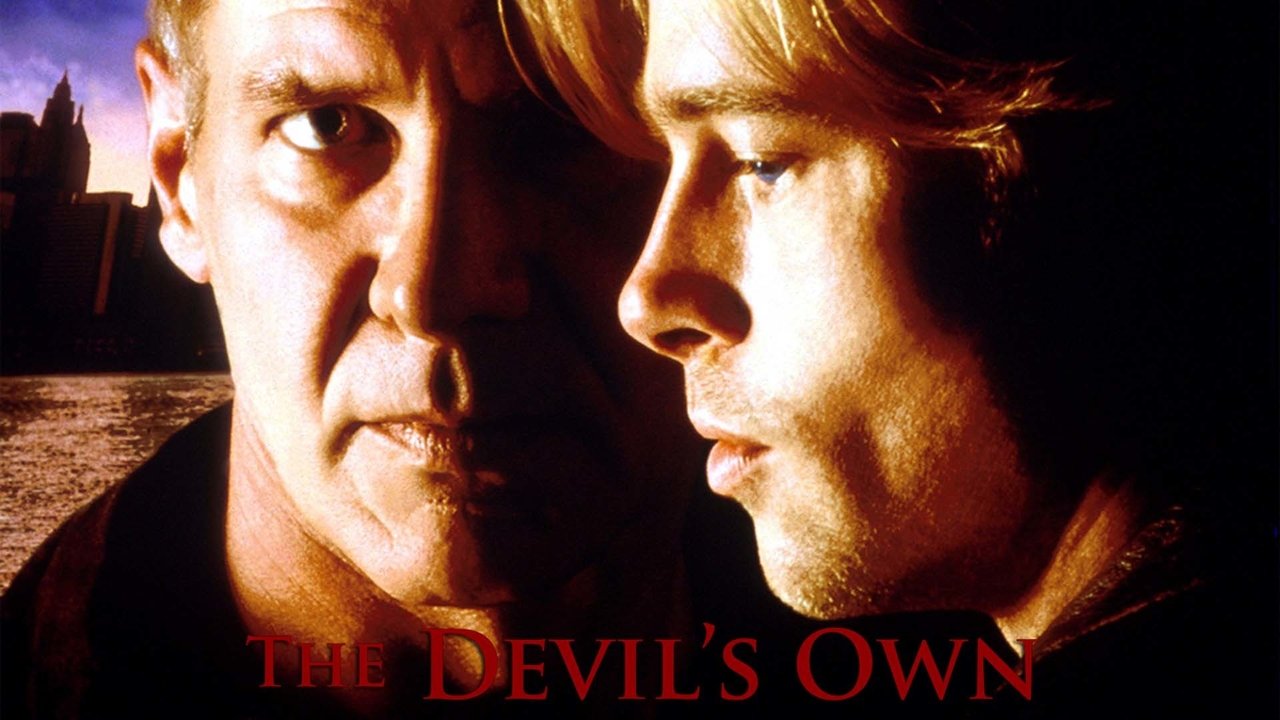
Overseeing this tumultuous production was the legendary Alan J. Pakula, a director known for his intelligent, atmospheric thrillers like Klute, All the President's Men, and Presumed Innocent. You can feel his steady hand trying to ground the drama, focusing on character moments and building a palpable sense of unease rather than relying solely on action beats. The film has a deliberate pace, allowing the relationship between Tom and Frankie/Rory to breathe, making the eventual confrontation feel earned and tragic. Tragically, The Devil's Own would be Pakula's final film; he died in a car accident the following year, lending a somber note to its legacy. His skill is evident in capturing the grittiness of New York and the contrasting brief, haunting glimpses of Belfast – grounding the political conflict in personal stakes.
### The Weight of Choice
Beyond the star power and production woes, The Devil's Own grapples with compelling themes. It explores the complex nature of loyalty – loyalty to country, cause, family, and even to a friendship built on false pretenses. Frankie’s motivations, rooted in the violence he witnessed and perpetrated during "The Troubles" in Northern Ireland, are presented without easy judgment. He's not a simple villain, but a product of conflict, driven by a fierce, perhaps misguided, sense of duty. Tom, confronted with the devastating truth, faces his own crisis of conscience: upholding the law versus protecting someone he's grown to care for.
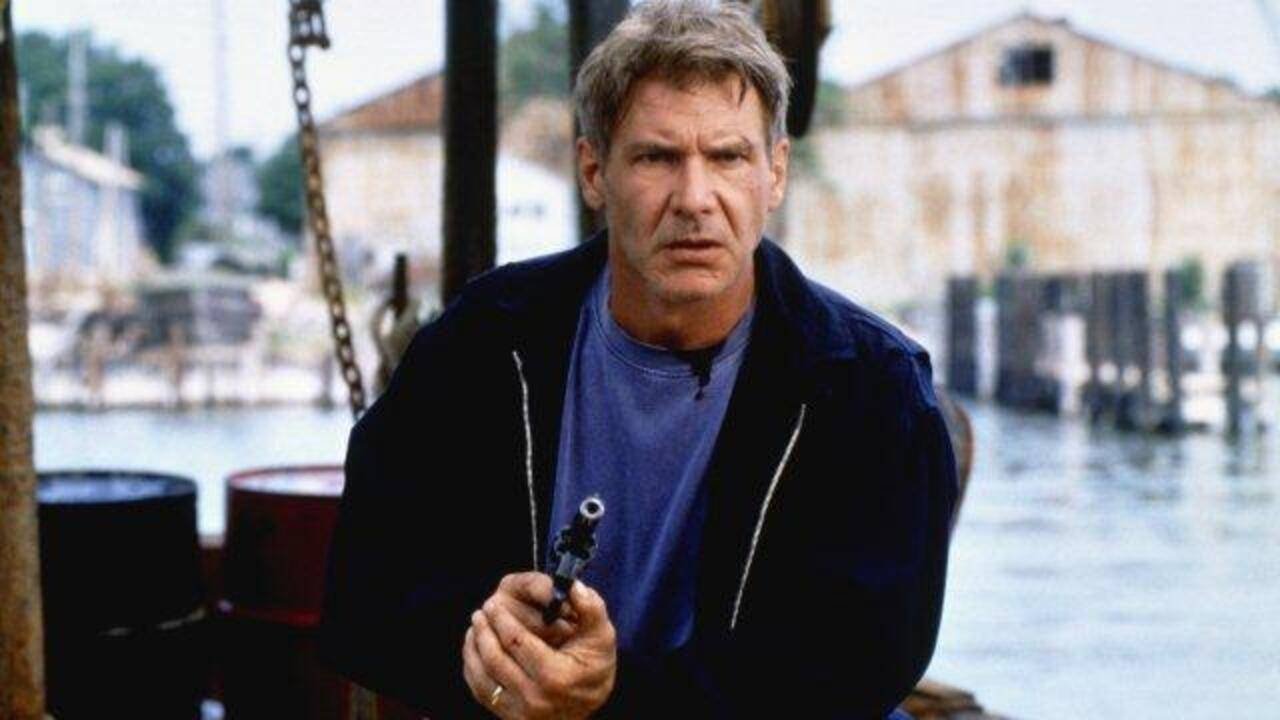
Does the film fully succeed in exploring these thorny issues? Perhaps not entirely. The political backdrop sometimes feels simplified, and the thriller elements occasionally clash with the more character-driven drama. Yet, it dares to ask uncomfortable questions about the compromises we make and the devastating consequences of violence, both political and personal. I remember renting this from the local video store, maybe expecting a more straightforward action flick given the stars, and being struck by its more somber, morally complex tone.
Rating: 6/10
The Devil's Own is a film undeniably hampered by its troubled birth. The seams of its patchwork script sometimes show, the pacing can feel uneven, and Pitt's accent remains a distraction for some. However, strong performances from Harrison Ford and Brad Pitt, the assured direction of Alan J. Pakula under difficult circumstances, and the resonant, uncomfortable questions it raises about loyalty and morality elevate it beyond a simple misfire. It’s a fascinating artifact of late-90s star power meeting serious themes, a film whose dramatic weight feels more significant than its plot mechanics. It leaves you pondering not just the action, but the impossible choices faced when good intentions collide with harsh realities – a lingering echo long after the tape ejects.