There are some films that don't just tell a story; they trap you within their world, tightening the air around you until you can barely breathe. Nancy Meckler's 1994 drama, Sister My Sister, is precisely such a film. It’s a viewing experience that doesn't easily fade, lingering like the scent of damp wool and simmering resentment long after the tape has clicked off. Forget the bombast often associated with 90s cinema; this is something far more intimate, unsettling, and ultimately, devastating.
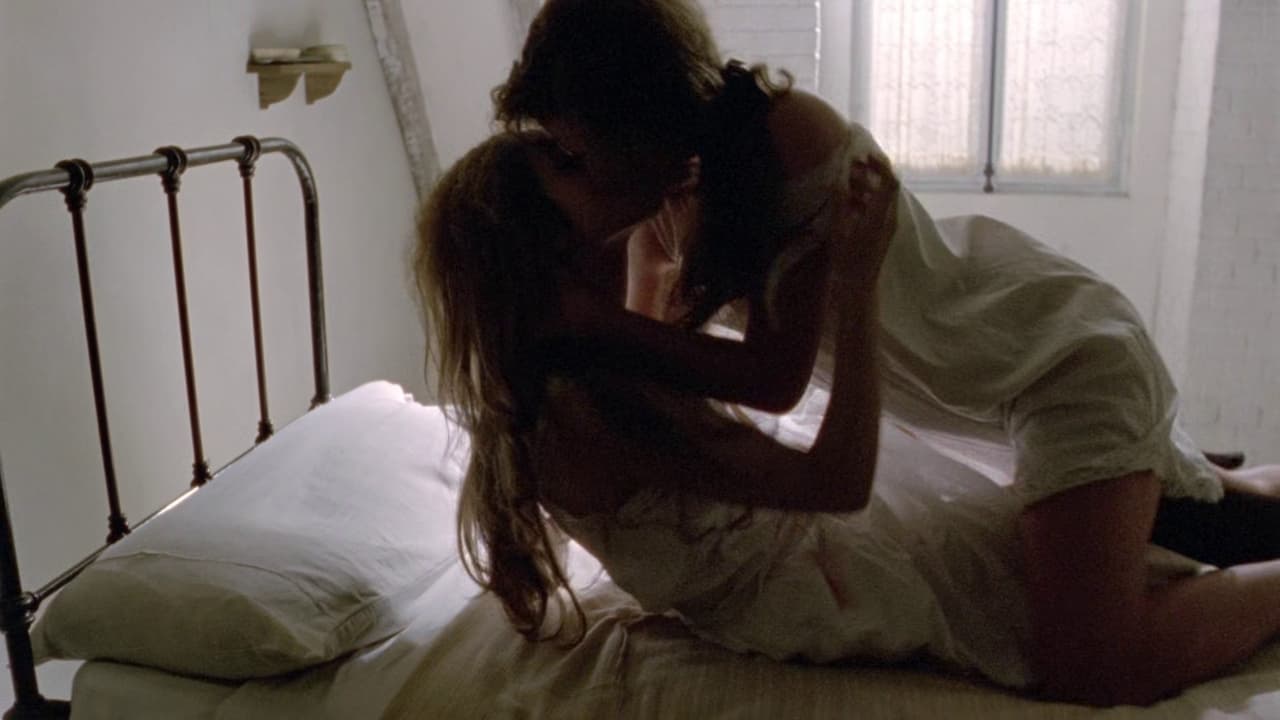
Finding this on a video store shelf back in the day might have felt like unearthing a secret. It wasn't the kind of film shouted about from the rooftops, lacking the easy hooks of action or comedy. Instead, its stark cover art hinted at something intense, perhaps filed away under ‘Drama’ or maybe even ‘Foreign’ despite its British production, simply because it felt different. Based on Wendy Kesselman's play "My Sister in This House" (who also adapted the screenplay), the film delves into the true, chilling story of the Papin sisters, Christine and Lea, two maids in 1930s Le Mans, France, whose intensely close relationship curdles into tragedy within the confines of their employers' bourgeois home.
A Suffocating Embrace
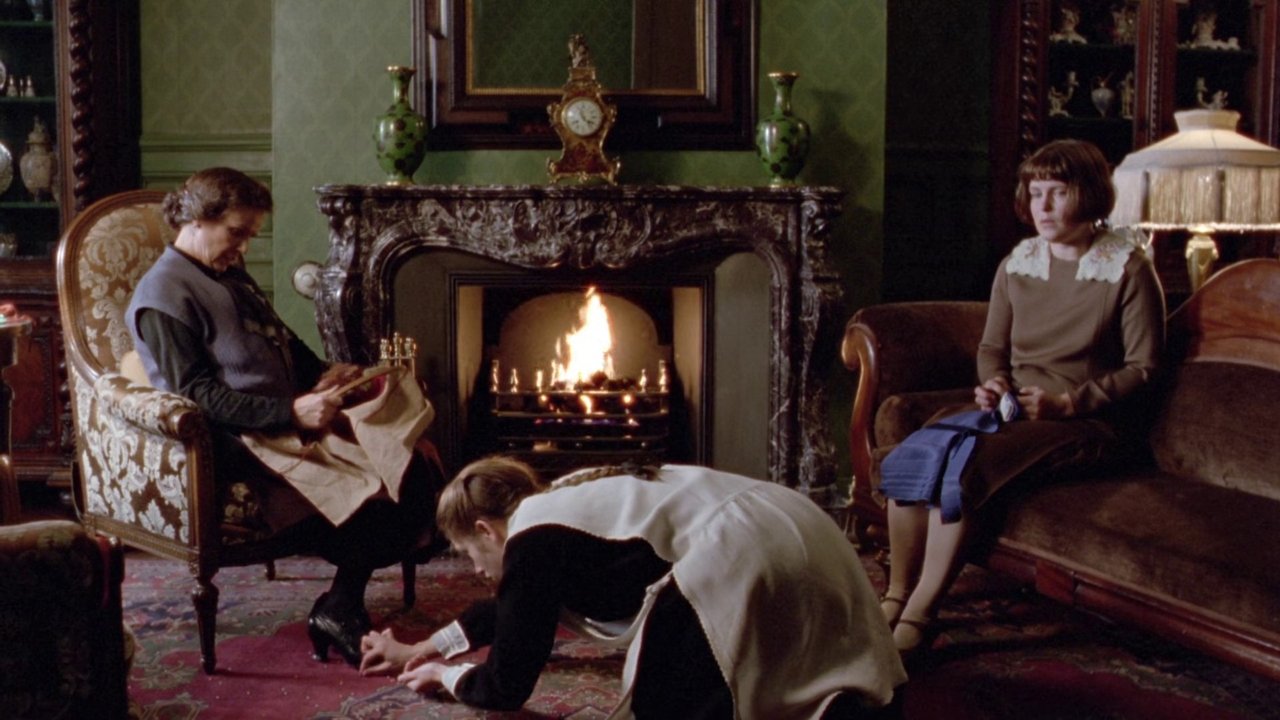
From the outset, Meckler crafts an atmosphere thick with unspoken tension. The Danzard house, where sisters Christine (Joely Richardson) and Lea (Jodhi May) serve Madame Danzard (Julie Walters) and her daughter Isabelle (Sophie Thursfield), is less a home and more a meticulously maintained pressure cooker. Every polished surface seems to reflect the sisters' isolation, every ticking clock marks the passage of their stifled lives. The cinematography emphasizes enclosure – tight shots, shadowed corners, the stark separation between the upstairs world of their employers and the downstairs/attic spaces the sisters inhabit. It’s a visual language that speaks volumes about class division and psychological imprisonment.
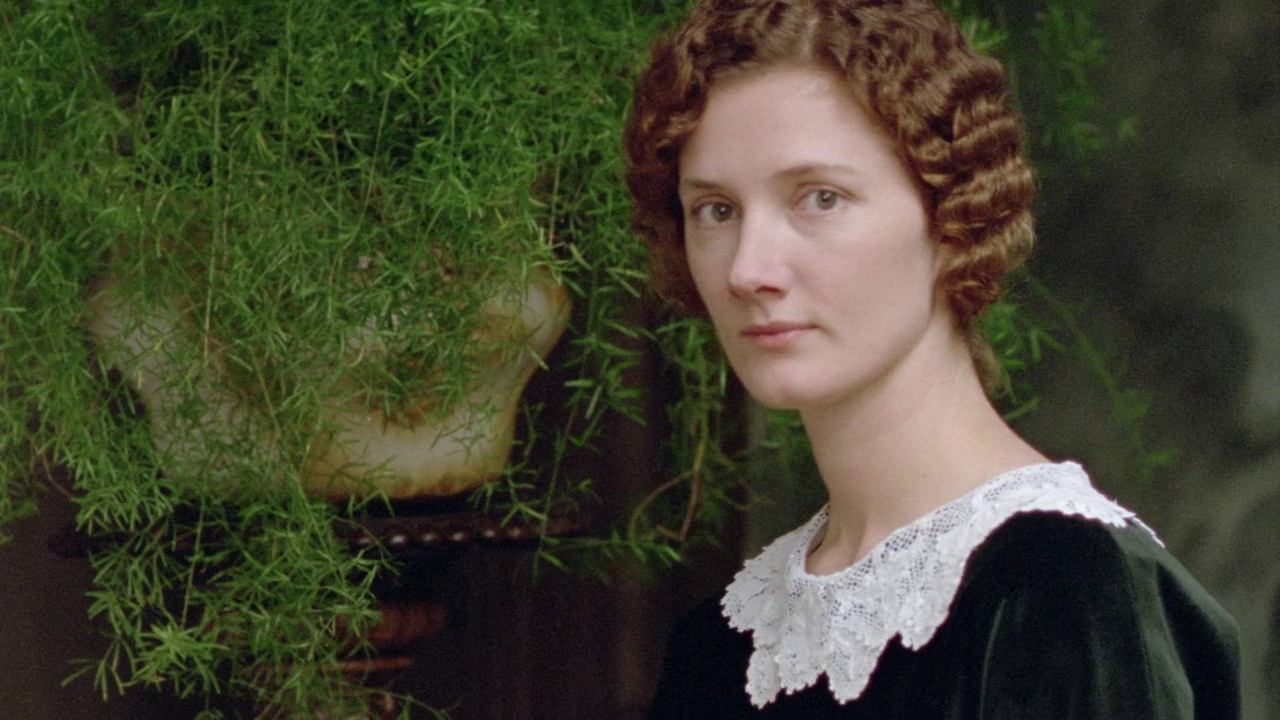
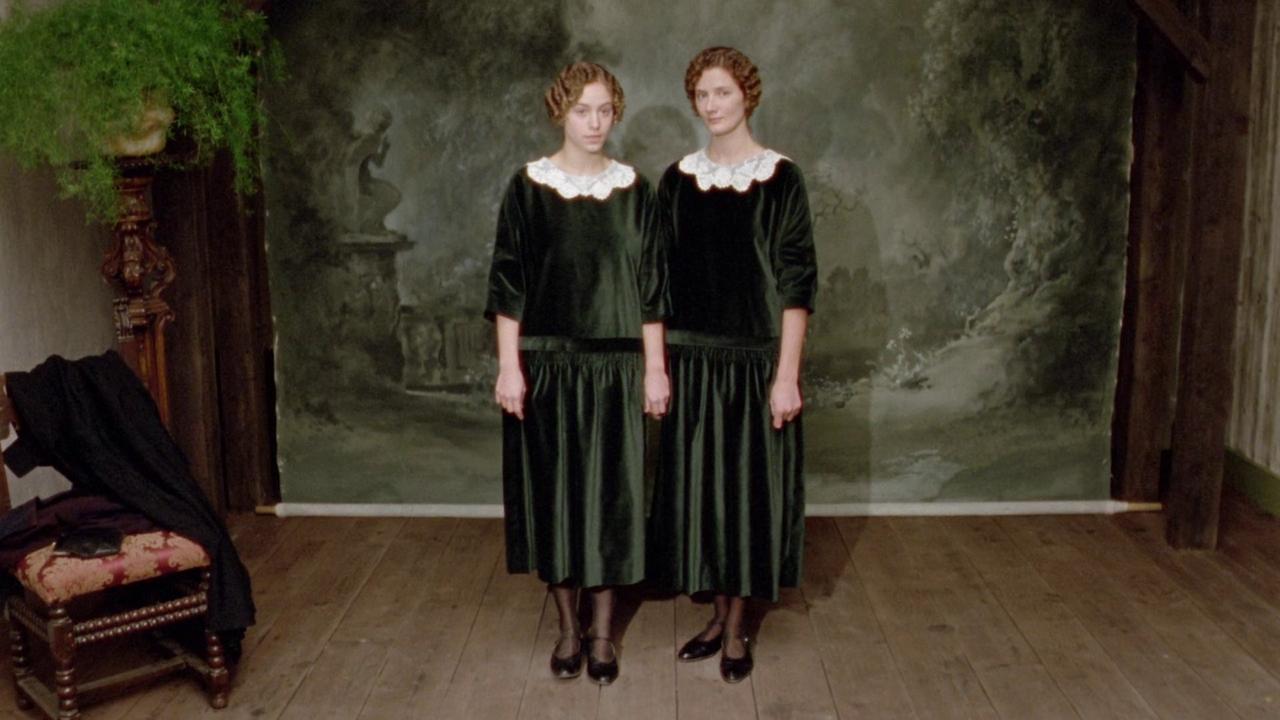
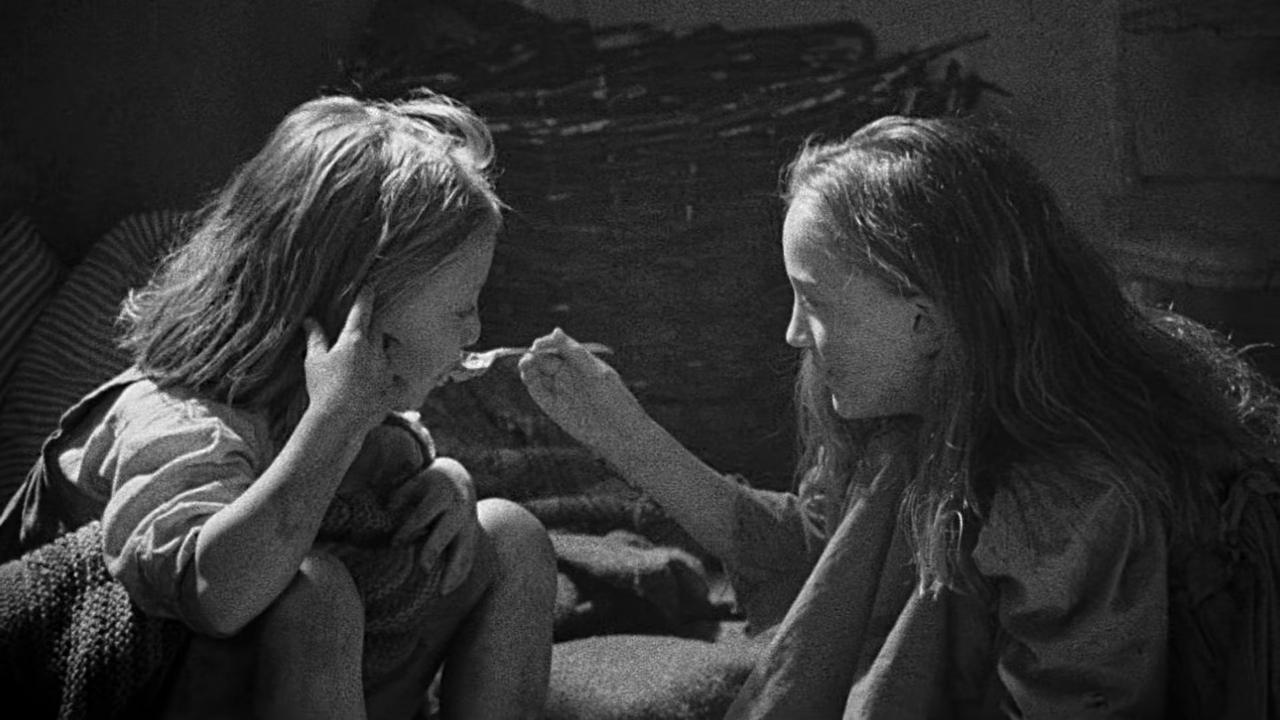
The film hinges entirely on the fiercely intimate, almost hermetically sealed world Christine and Lea build together. Richardson and May deliver performances of staggering power and vulnerability. Richardson's Christine is the elder, more dominant sister, simmering with a barely contained rage against their servitude and fiercely protective of Lea. Her intensity is magnetic, bordering on unnerving. May, who remarkably won Best Actress at Cannes years earlier for A World Apart (1988) while still a teenager, embodies Lea with a fragile, almost ethereal quality, utterly dependent on Christine yet possessing her own quiet depths. Their bond is the film's core – a complex mix of fierce loyalty, shared trauma, childlike regression, and an obsessive intimacy that feels both refuge and trap. It's portrayed with such conviction that their shared glances and whispered secrets carry more weight than pages of dialogue could.
The Cold Hand of Class
Against the sisters' feverish world stands Julie Walters as Madame Danzard. Known often for warmer, more comedic roles (like her star turn in Educating Rita a decade prior), Walters here is chillingly effective. Her Madame Danzard is a portrait of passive-aggressive tyranny, obsessed with propriety and cleanliness, utterly oblivious (or perhaps wilfully ignorant) of the psychological storm brewing under her own roof. Her interactions with the maids are fraught with petty cruelties disguised as instruction, highlighting the dehumanizing nature of their employment. It’s a masterclass in understated menace, providing the necessary external pressure that contributes to the sisters' implosion.
Echoes of Truth and Tragedy
Knowing the film is based on the infamous Papin sisters' case adds a layer of profound unease. The real Christine and Lea Papin brutally murdered their employer and her daughter in 1933, a crime that shocked France and has fascinated writers and artists ever since (Jean Genet's play The Maids is perhaps the most famous adaptation). Kesselman's script, honed from her own stage play, doesn't sensationalize the violence. Instead, it meticulously builds the psychological pressure, exploring the why rather than dwelling on the what. The film suggests that the sisters' final act, though horrific, was an almost inevitable eruption born from unbearable social and emotional confinement. One fascinating production tidbit is that the film was shot almost entirely within the confines of a single house set, deliberately reinforcing the sense of claustrophobia the characters endure. This wasn't just a budget constraint; it became a powerful directorial choice by Meckler, amplifying the film's central themes.
Sister My Sister isn't an 'easy' watch. It demands patience and attention, immersing the viewer in a world of quiet desperation. There are no cathartic releases until the devastating climax, which is handled with horrifying restraint rather than graphic detail, focusing on the psychological break. It’s a film that asks difficult questions about class, oppression, sanity, and the extreme forms love and dependency can take when pushed to their limits. What happens when human connection is denied, suppressed, or forced into unnatural confines?
Rating: 9/10
The near-perfect score reflects the sheer power of the central performances, the suffocatingly effective atmosphere created by Nancy Meckler, and the film's unflinching exploration of dark psychological territory. Richardson, May, and Walters are simply extraordinary, embodying their roles with a truthfulness that is both compelling and deeply unsettling. The direction and writing are focused and purposeful, creating a tightly wound narrative that earns its tragic conclusion. It might lose a point only for its demanding nature, which might not resonate with viewers seeking lighter fare, but as a piece of intense, character-driven drama, it’s exceptional.
Sister My Sister is a potent reminder from the VHS era that impactful cinema often whispered rather than shouted. It’s a challenging, thought-provoking film that stays with you, forcing a reflection on the unseen pressures that can shape, and ultimately shatter, human lives. What truly chills is the lingering sense that such desperate acts might bloom in the dark corners of any rigidly controlled environment.