Okay, pull up a chair, let’s talk about a film that practically radiates heat off the tape itself – Danny Cannon’s 1998 crime thriller, Phoenix. There’s a certain kind of late-90s grit this movie captures, a sun-baked desperation that feels as tangible now as it did flickering on a CRT screen back in the day. It might not have set the box office ablaze (grossing a mere $26,000 against a reported $10 million budget, making it a prime example of a film finding its audience later on home video), but for fans of neo-noir and character-driven tension, Phoenix holds a distinct, sweaty place in the VHS archives.

Under the Desert Sun
The film drops us right into the simmering pressure cooker of Phoenix, Arizona, introducing Harry Collins, portrayed by the inimitable Ray Liotta. Liotta, who forever etched himself into cinematic history with Goodfellas, brings a familiar yet specific energy here. Harry isn't just a cop; he's a compulsive gambler drowning in debt, his life a precarious balancing act on the edge of ruin. The desert heat seems less an environmental detail and more a metaphor for the closing-in walls of his addiction and the dangerous figures he owes. You can almost feel the sticky discomfort, the lack of easy escape, mirrored in Liotta's weary eyes and coiled posture. It’s a performance built on frayed nerves and the quiet panic of a man running out of track.
A Plan Born of Desperation
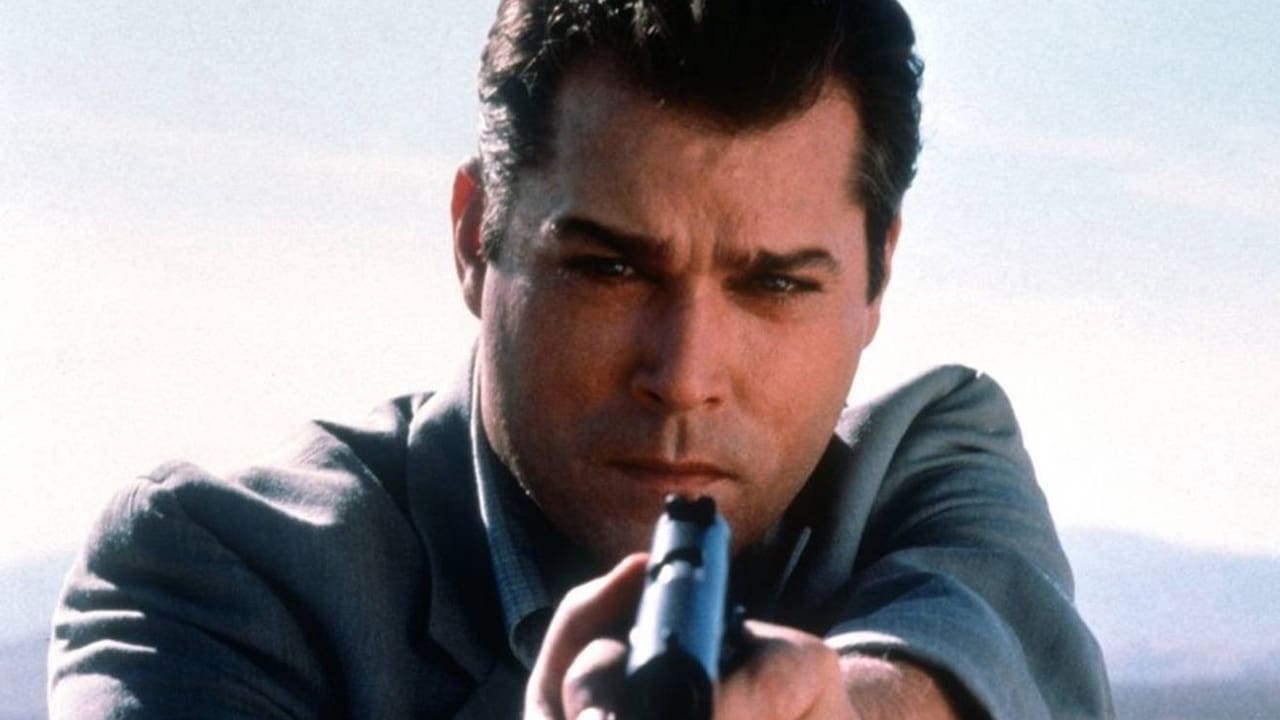
What happens when desperate men get together? Usually, nothing good. Harry’s colleagues – Mike (a reliably solid Anthony LaPaglia, bringing his grounded charisma), James (Daniel Baldwin, effectively menacing as the volatile loose cannon and the loan shark Harry owes), and Fred (Jeremy Piven, pre-Entourage slickness, showing early sparks) – are grappling with their own versions of the dead-end blues. Their solution? A seemingly straightforward armored car heist. We, as viewers seasoned by countless crime films, know this path rarely leads to easy street. The setup, penned by first-time (and seemingly only-time) feature writer Eddie Richey, leans into familiar genre tropes but finds its strength not in revolutionary plotting, but in the claustrophobic interplay between these flawed characters. It asks a question many noir films pose: how far will you bend your code when your back is against the wall?
Liotta's Weary Heart
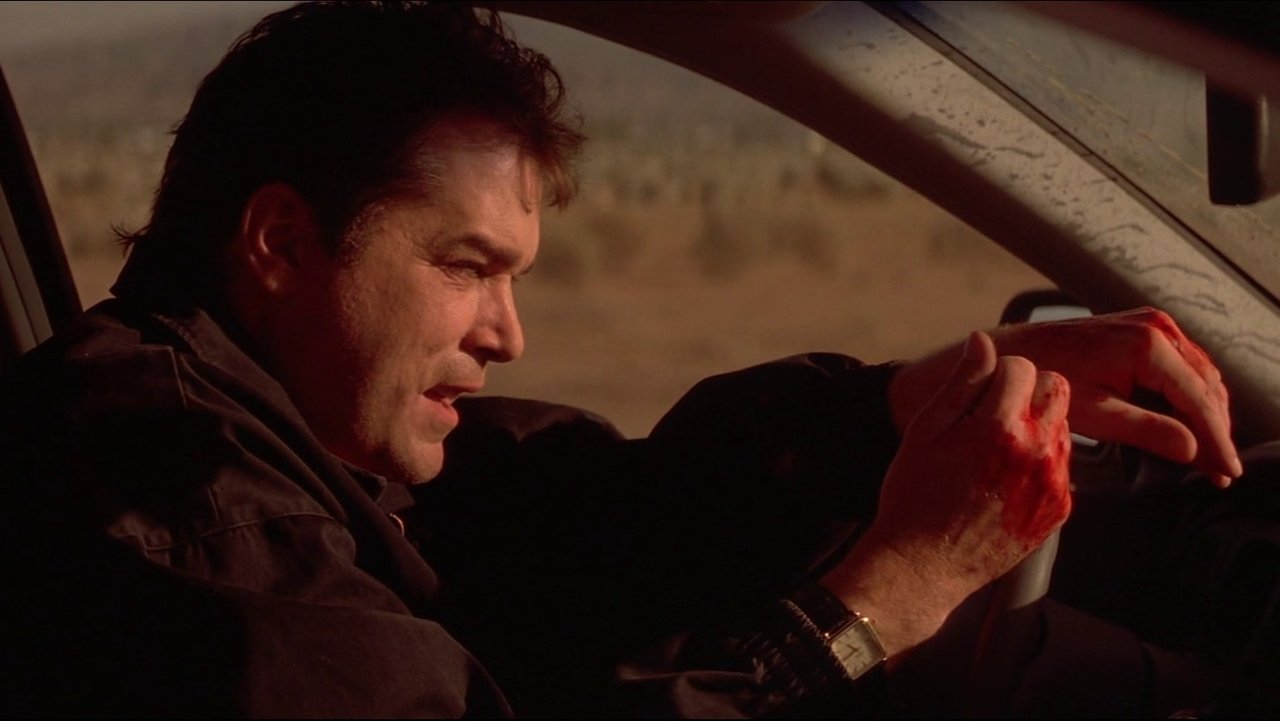
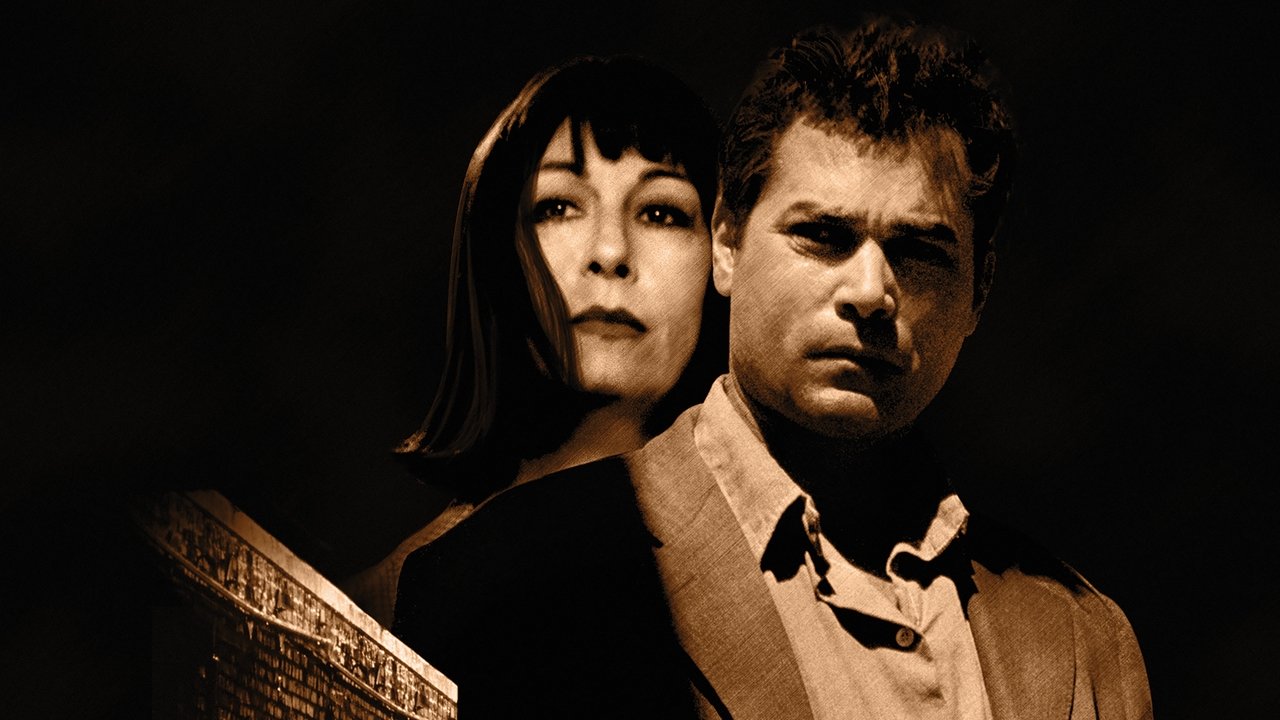
While the ensemble cast is strong, Phoenix truly rests on Ray Liotta's shoulders. His portrayal of Harry’s addiction is central. It’s not just a plot device; it informs his every decision, his relationships, his underlying vulnerability. There's a scene where he tries to resist the lure of the track, the internal struggle palpable on his face – it’s pure Liotta, that ability to convey immense internal turmoil with minimal external fireworks. He makes Harry sympathetic even as he makes increasingly compromised choices. Adding another layer of gravitas is Anjelica Huston as Captain Santilla, Harry’s boss. Huston, an Oscar winner for Prizzi's Honor, brings effortless authority and a subtle, watchful intelligence to the role. Her presence elevates the procedural aspects, grounding the escalating chaos with a sense of weary professionalism. You get the feeling she's seen it all, and Harry's troubles are just another sad story in a city full of them.
Sun-Bleached Style and VHS Soul
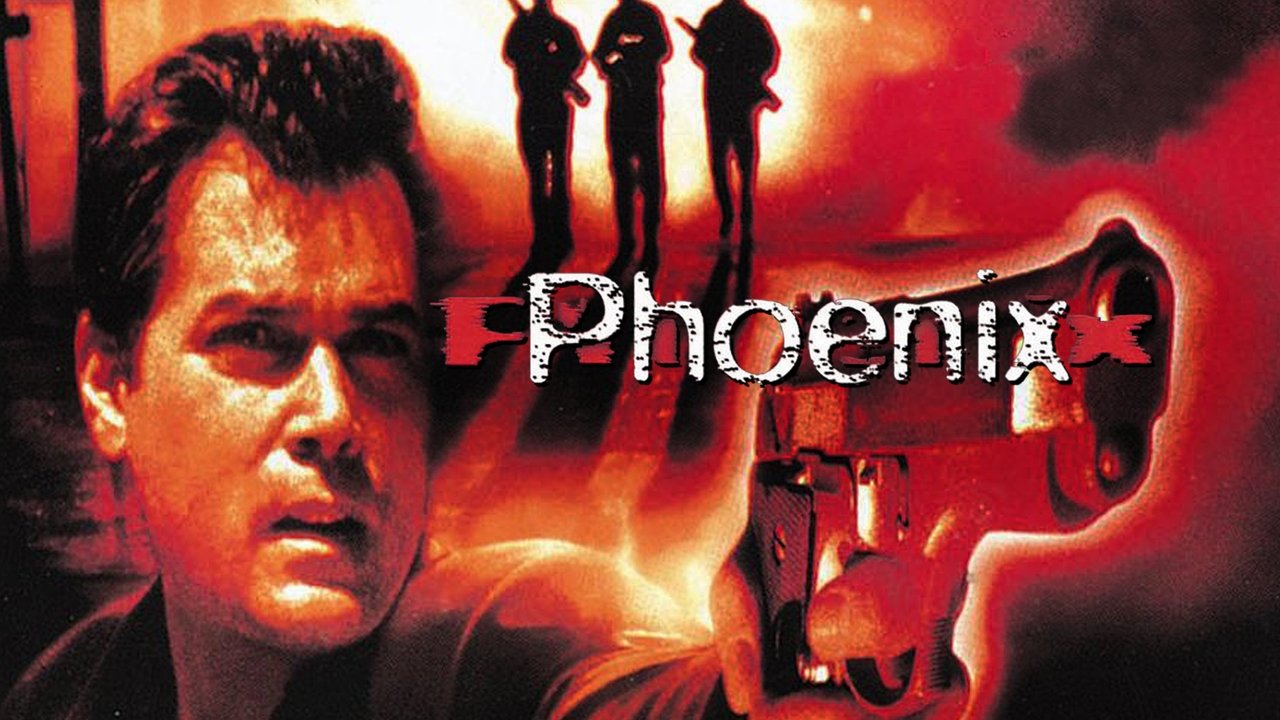
Director Danny Cannon, who was perhaps looking for a smaller scale project after the visual effects-heavy (and critically mauled) Judge Dredd (1995), demonstrates a knack for atmosphere. He uses the Phoenix locations effectively – the wide, unforgiving streets, the blinding sunlight, the shadowy interiors of bars and betting shops – creating a visual language that underscores the film's themes of exposure and hidden decay. It’s not overly flashy, favouring grit over gloss, which feels appropriate for the story and the era. This grounded approach is perhaps why Phoenix felt so at home on VHS. It wasn’t trying to be a summer blockbuster; it was a solid, character-focused thriller, the kind you’d discover on the shelf, intrigued by the cast, and find yourself unexpectedly drawn into. I distinctly remember spotting that evocative cover art – Liotta looking haunted – nestled in the Thriller section of my local rental spot, promising exactly the kind of intense, character-driven drama it delivered.
Legacy in the Dust
Phoenix didn't exactly reshape the crime genre, nor did it launch a franchise. Its impact is quieter, residing in the performances and its effective capture of a specific mood. It's a film that showcases Liotta's particular talent for playing men wrestling with their darker impulses, and it serves as an interesting snapshot of actors like LaPaglia, Piven, and Giancarlo Esposito (in a smaller but memorable role as Louie) at that point in their careers, before later defining roles would make them household names. Does the plot hold massive surprises? Perhaps not for seasoned genre fans. But the execution, particularly Liotta's raw vulnerability and the palpable sense of impending doom, makes it a worthwhile watch. It’s a reminder that sometimes the most compelling stories aren't about grand conspiracies, but about the small, desperate choices that lead ordinary people to extraordinary ruin.
Rating: 7/10
This rating reflects the film's undeniable strengths in performance (especially Liotta) and atmosphere, capturing that specific late-90s neo-noir feel effectively. While the plot follows some familiar beats of the genre, the execution is solid and engaging, making it a strong example of a character-driven thriller that found its true life on home video.
Phoenix remains a potent slice of sun-scorched noir, a film whose heat lingers long after the credits roll, leaving you pondering the weight of desperation and the ghosts that haunt the landscape of bad choices. A definite gem for those digging through the dusty crates of 90s thrillers.