Okay, settle back into that comfy armchair, maybe imagine the faint hum of a VCR powering up. Remember 1995? It was a time when a movie could become a legend before anyone even saw a frame, whispered about in hushed tones usually reserved for cinematic train wrecks or unexpected triumphs. And towering over all that pre-release buzz, drenched in saltwater and controversy, was Waterworld. Forget the whispers of "Fishtar" or "Kevin's Gate" for a moment; let's talk about the sheer, unadulterated ambition that splashed across the screen.
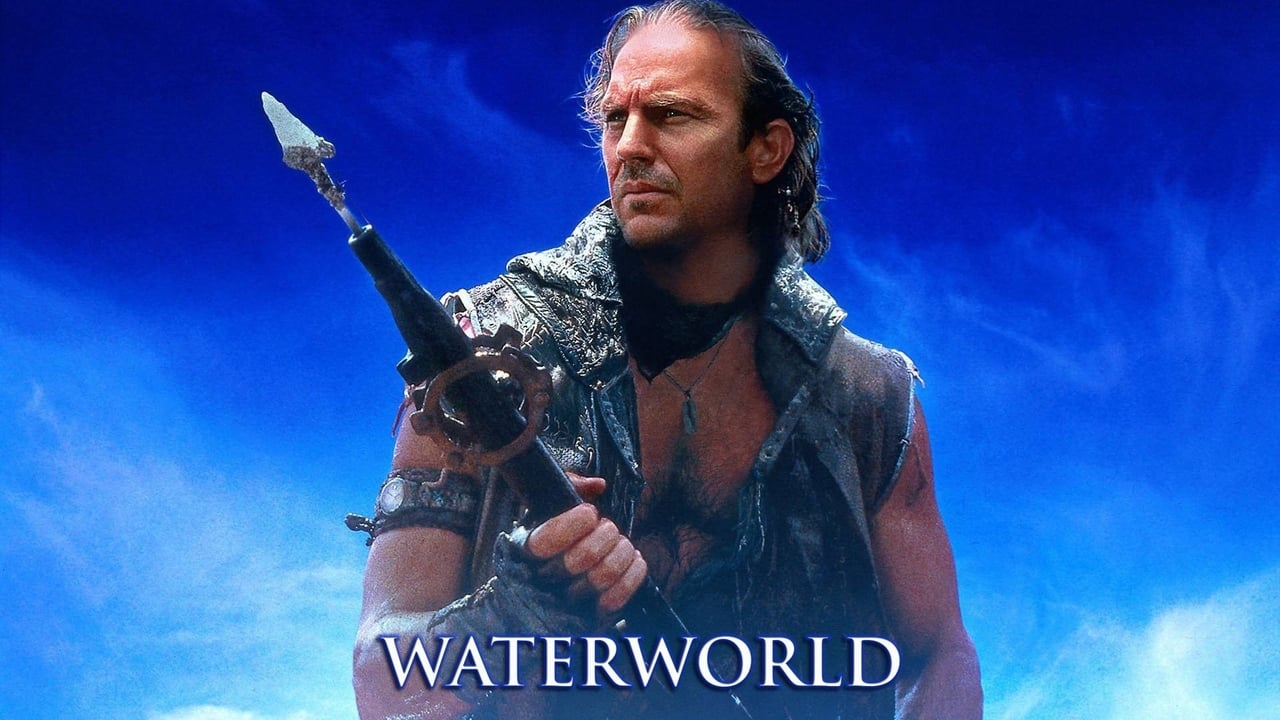
Directed, at least initially, by Kevin Reynolds (who'd previously guided Kevin Costner through Robin Hood: Prince of Thieves), Waterworld plunges us headfirst into a future where the polar ice caps have melted, drowning civilization beneath an endless ocean. Humanity clings to existence on ramshackle floating atolls, dreaming of a mythical "Dryland." Into this watery wasteland sails the Mariner (Costner), a solitary figure who has... evolved. Yes, complete with webbed feet and functional gills behind his ears (a detail that fueled endless schoolyard debates back in the day), he's part man, part fish, and all brooding 90s action hero.
A World Built on Water (and Money)
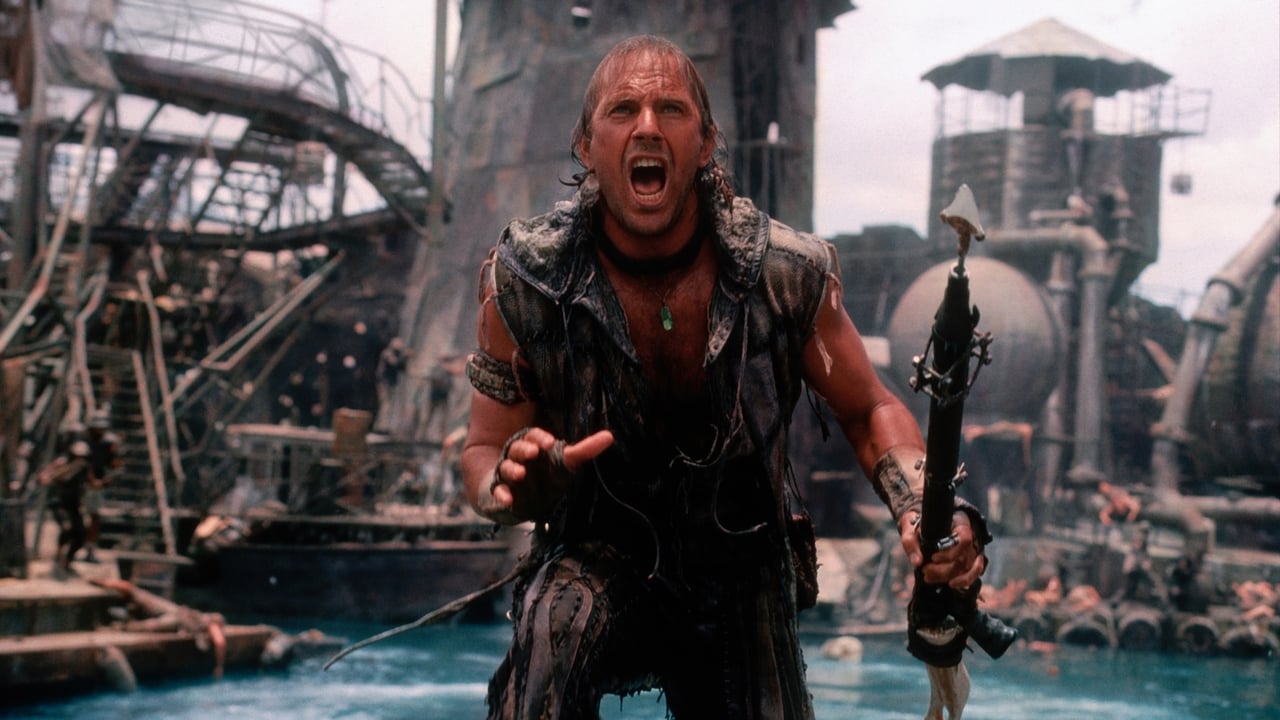
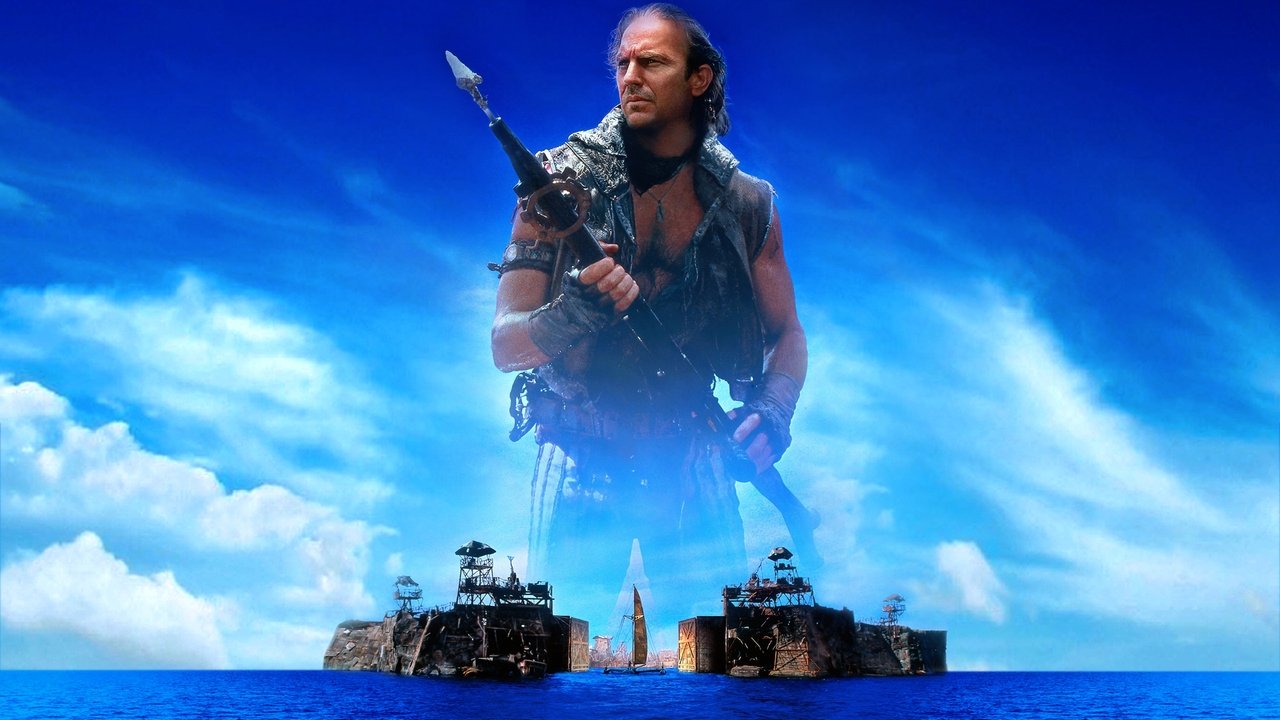
Let's be honest, the first thing that hits you about Waterworld is the sheer scale. Forget green screens; they actually built massive, functional sets in the choppy waters off the coast of Hawaii. The central Atoll set, a colossal structure weighing over 1,000 tons, was a marvel of engineering. The Mariner's vessel, the Trimaran, wasn't just a prop; it was a character – a tricked-out, sail-and-engine powered beast capable of incredible speed and transformation. Seeing that thing deploy its sails or reveal hidden compartments? Pure movie magic, the kind that made you instantly want the Micro Machines playset. The commitment to practical effects and real-world environments gives the film a tangible, gritty feel that much of today's CGI struggles to replicate. You feel the spray, the rust, the precariousness of it all.
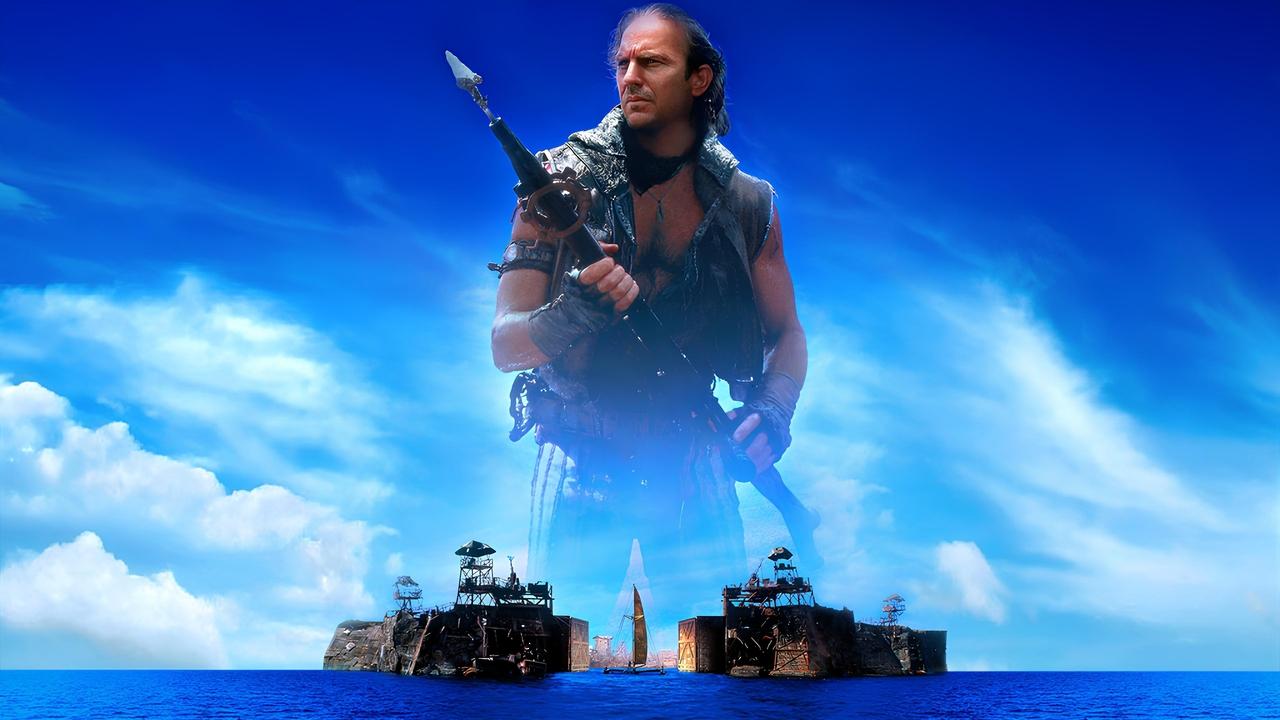
Of course, this dedication to realism came at a staggering price. The initial budget ballooned, eventually hitting a then-unheard-of $175 million (that's roughly $350 million in today's money!). Sets sank, storms ravaged the production, jellyfish stings were rampant, and the relationship between Reynolds and Costner famously deteriorated, leading to Reynolds leaving before filming concluded, with Costner stepping in to finish. It became the most expensive film ever made at the time, a cautionary tale whispered around Hollywood. Yet, somehow, amidst the chaos, they actually made the movie.
Smoking the Bad Guys
Every weathered hero needs a worthy adversary, and Waterworld delivers one for the ages in the form of the Deacon, played with scenery-chewing glee by the late, great Dennis Hopper. Fresh off his memorable villain turn in Speed (1994), Hopper dives headfirst into the role of the eye-patched, chain-smoking leader of the "Smokers," pirates who roam the seas on sputtering jet skis and salvaged vessels, desperately seeking oil (the irony!). Hopper is gloriously unhinged, delivering lines like "If I ever see him again, I'm going to cut open his head and eat his brain!" with a manic energy that borders on pure camp. He elevates the film every time he's on screen, a perfect counterpoint to Costner's stoic Mariner.
Caught between these forces are Helen (Jeanne Tripplehorn, who brought grit and determination to the role) and the young Enola (Tina Majorino), who holds the key to Dryland tattooed on her back. Their journey with the initially reluctant Mariner forms the heart of the story, a quest narrative layered onto a survival epic.
More Than Just a Punchline?
For years, Waterworld was primarily remembered for its troubled production and financial woes (though it eventually did turn a profit thanks to international box office and home video sales – that VHS market was powerful!). But watching it now, stripped of the media circus, reveals a film with undeniable strengths. The action sequences, particularly the Smokers' attack on the Atoll and the climactic battle aboard the tanker Dez, are genuinely thrilling, packed with incredible stunt work and practical explosions. Remember those jet ski riders launching themselves onto the Atoll walls? Pure adrenaline.
Yes, the script (credited to Peter Rader and David Twohy, though heavily rewritten) can feel a bit waterlogged at times, and the Mariner's character arc from loner to protector is predictable. Some moments stretch plausibility even for a post-apocalyptic fantasy. But the world-building is immersive, the visuals often stunning, and the core adventure remains compelling. There's a raw, tangible quality to its vision of a drowned future that sticks with you. It might not be high art, but it's high-octane, high-concept 90s blockbuster filmmaking in its purest, most excessive form. I even recall renting the extended "Ulysses Cut" later on video, which added significant footage, fleshing out the world and characters a bit more, proving there was more depth beneath the surface.
The Verdict:
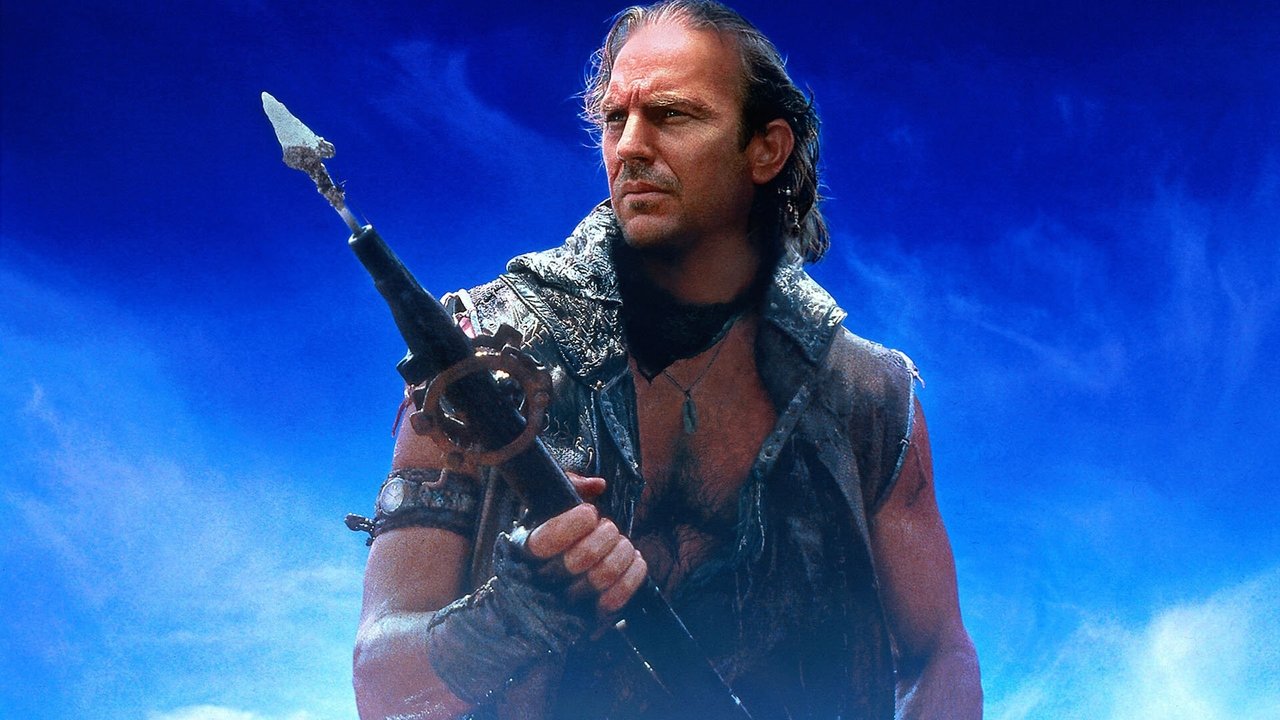
Waterworld is the ultimate survivor. It battled nature, budget overruns, and brutal press coverage to deliver a spectacular, if flawed, aquatic adventure. It's a testament to practical filmmaking ambition, featuring iconic design, thrilling action, and a delightfully over-the-top villain. While its narrative occasionally springs leaks, the sheer audacity of the production and the enduring power of its core concept make it a fascinating and often genuinely exciting watch, especially viewed through the lens of 90s blockbuster history. It might have been soaked in bad press, but it never truly sank.
Rating: 7/10 - Flawed but undeniably ambitious and packed with memorable practical spectacle, Waterworld weathered the storm of its own creation to become a unique artifact of 90s blockbuster excess, far more entertaining than its notorious reputation suggests.
It remains a grand, splashy adventure that reminds us of a time when Hollywood wasn't afraid to dream big, even if it meant nearly drowning in the process. Now, who fancies a glass of filtered… well, you know?