The air hangs thick and electric, the way it only does when you slide a well-worn tape into the VCR late at night. This time, the hiss and roll give way not to New York’s shadowed decay, but to the sun-baked, neon-drenched absurdity of a Los Angeles ripped from the map. Sixteen years after Snake Plissken stalked the ruins of Manhattan, John Carpenter, alongside his iconic star Kurt Russell, dragged us back into the darkness, albeit one shimmering with California weirdness, for Escape from L.A. (1996). The familiar growl of Carpenter's synth score kicks in, co-composed this time with the talented Shirley Walker, instantly reminding you: welcome back to hell, Snake.
An Island Called California
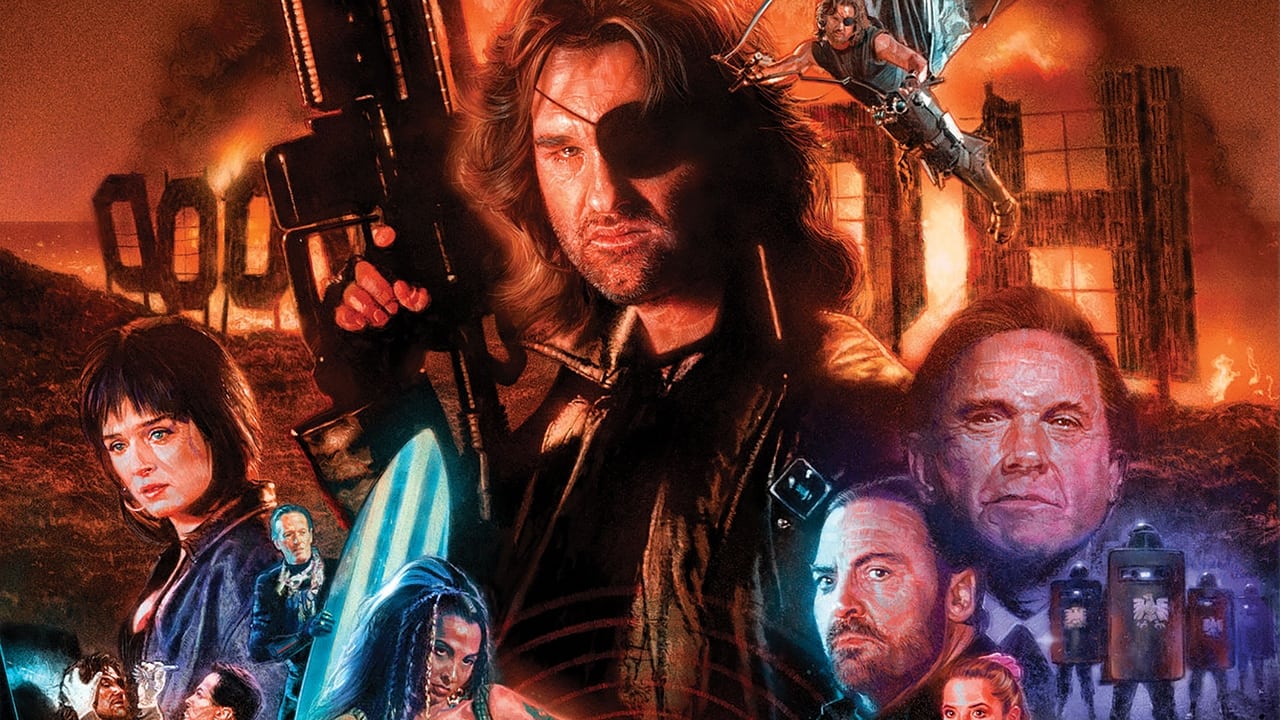
The premise is pure pulp, cranked up to eleven. A massive earthquake ("The Big One") has turned Los Angeles into an island penal colony for America's undesirables, ruled over by a theocratic President (Cliff Robertson). When the President's daughter, Utopia (A.J. Langer), defects to the island with a doomsday device, who else are they gonna call? Kurt Russell slips back into the eyepatch and the cynicism like a comfortable leather jacket, though perhaps a little tighter around the shoulders this time. His mission: retrieve the device, execute Utopia, and do it before a designer virus cooks his insides. It's a setup that mirrors the original Escape from New York (1981) almost beat-for-beat, a decision that drew criticism but also feels like part of Carpenter's larger, perhaps more world-weary, point. This wasn't just a sequel; it felt like a grimly funny, almost self-aware retread through familiar territory, reflecting a certain stagnation Carpenter likely saw in both Hollywood and society.
Snake Rides the Concrete Wave
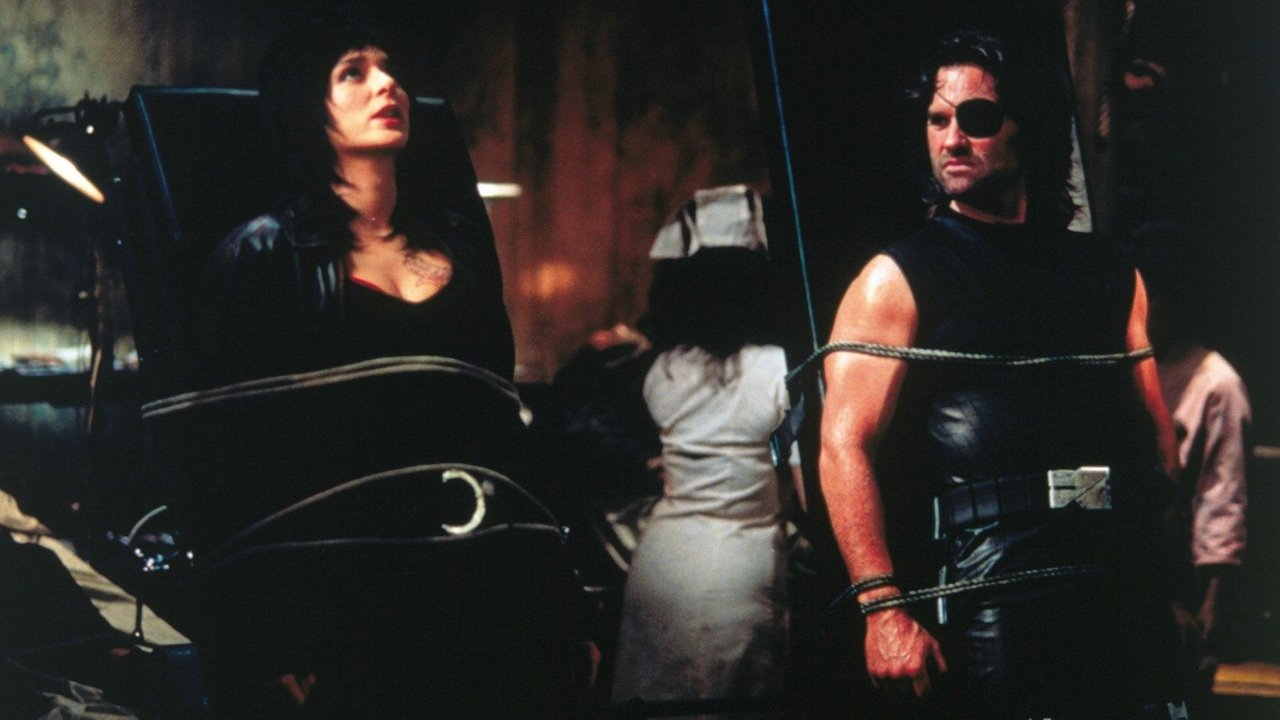
What sets L.A. apart immediately is its visual palette and tone. Where New York was steeped in gritty, low-light urban decay, L.A. embraces a kind of sun-bleached, bizarre wasteland aesthetic. We get theme parks turned into execution grounds, Beverly Hills patrolled by flamboyant gangs, and surgical freaks led by the Surgeon General of Beverly Hills (Bruce Campbell in a glorious cameo). It leans harder into satire, skewering plastic surgery culture, religious extremism, and revolutionary chic with a cynical grin. Steve Buscemi, perfectly cast as the fast-talking hustler "Map to the Stars" Eddie, embodies this vibe – sleazy, opportunistic, yet somehow essential to navigating this warped landscape. Stacy Keach brings his usual gravitas as Commander Malloy, the hard-nosed military man forcing Snake back into the fray, serving as a necessary anchor to the escalating weirdness.
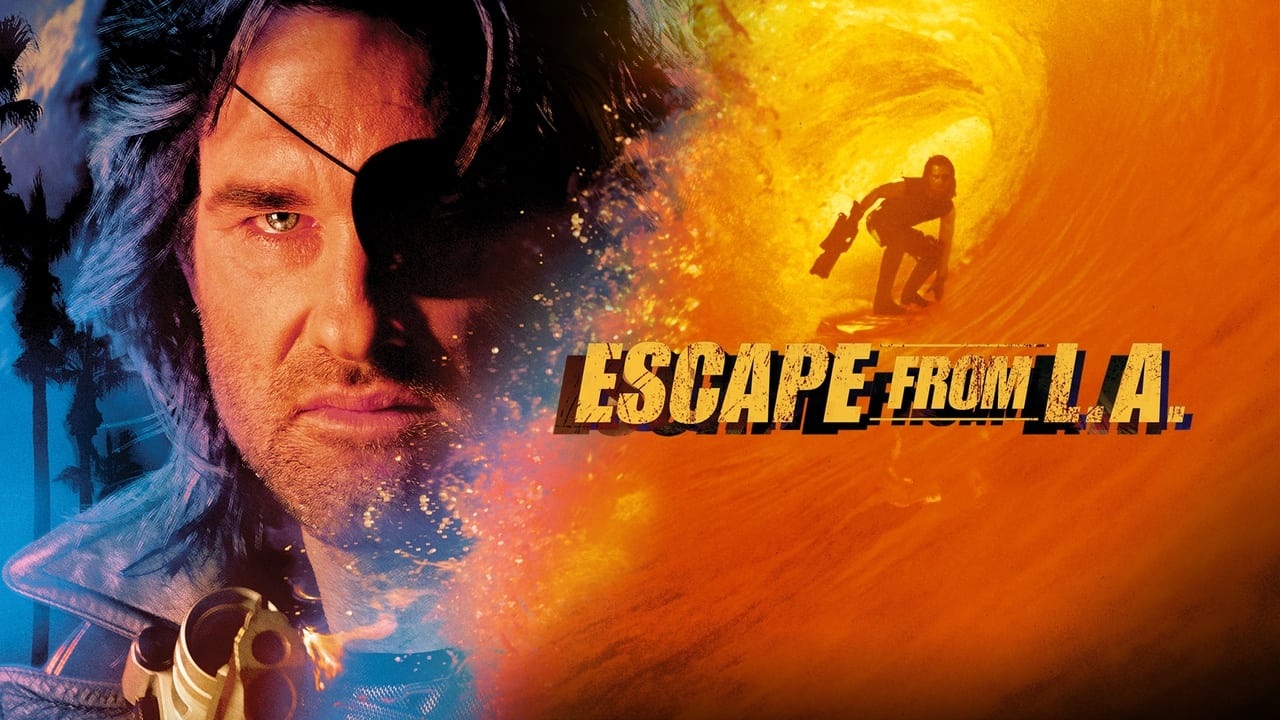
The action sequences are pure 90s Carpenter, often pushing the boundaries of what practical effects and burgeoning CGI could achieve at the time. Remember that submarine sequence? Or the hang-glider attack on the "Happy Kingdom"? These moments felt ambitious, even if the seams showed a bit more than in the grittier original. Perhaps the most infamous scene, though, is Snake surfing a tsunami wave down a flooded Wilshire Boulevard. It's patently ridiculous, a moment of pure, unadulterated B-movie abandon rendered with CGI that, let's be honest, looked a bit rubbery even back then on our trusty CRT screens. Yet, there's a strange charm to its audacity. Legend has it that Kurt Russell, who also co-wrote the script alongside Carpenter and Debra Hill (his first feature writing credit!), pushed hard for this sequence, wanting to lean into the more outlandish possibilities of the L.A. setting. Shot largely in a water tank against bluescreen, it required extensive digital work that pushed the film's $50 million budget – a hefty sum compared to the original's lean $6 million – and ultimately contributed to the film's somewhat underwhelming box office return of just over $25 million domestically.
Carpenter's Cynical Return

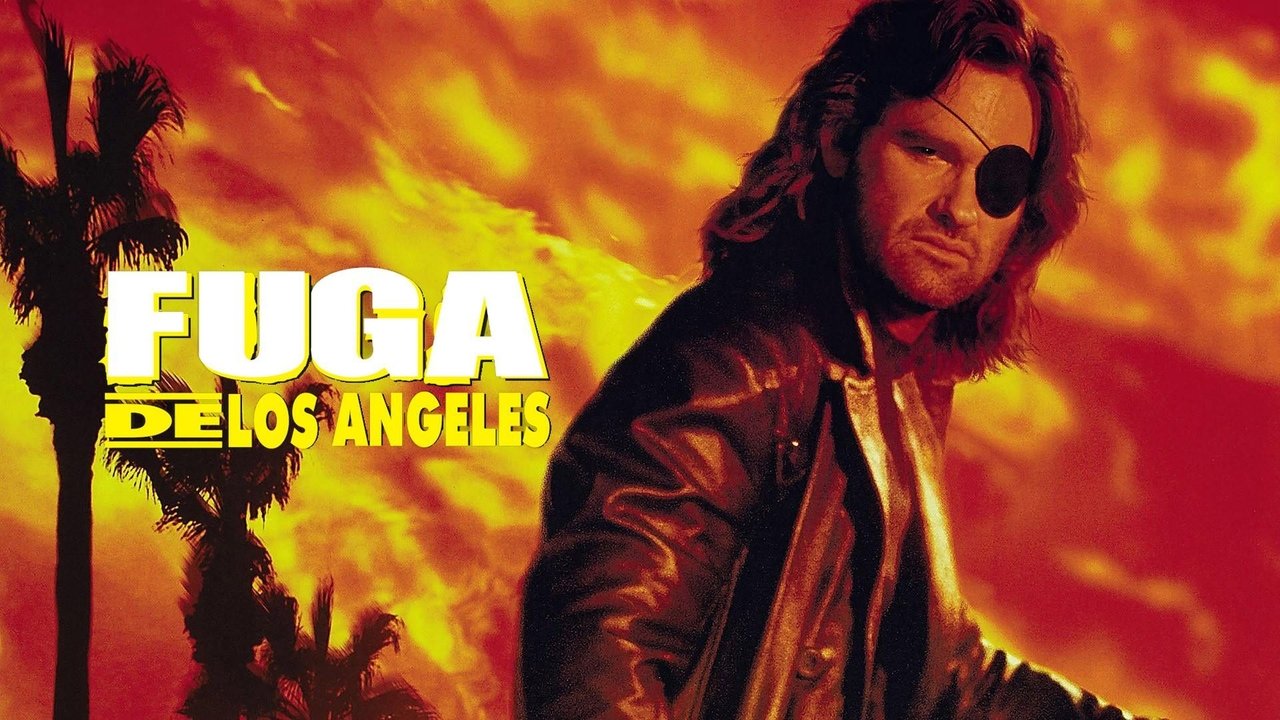
It's impossible to talk about Escape from L.A. without acknowledging John Carpenter's presence. Returning to direct a sequel wasn't his usual M.O., and reports suggested he felt somewhat disillusioned with the studio system by this point. This film feels, in many ways, like him venting some of that frustration. The satirical targets are broader, the violence occasionally more cartoonish, and the overall mood feels less like desperate survival and more like a weary shrug at the absurdity of it all. Even Snake seems less driven by pure instinct and more by a profound sense of "not this crap again." There's a palpable sense of Carpenter revisiting his past glories but finding the landscape significantly altered, both on screen and off. Casting cult icon Pam Grier (star of Foxy Brown and later Tarantino's Jackie Brown) as the formidable Hershe Las Palmas, a former associate of Snake's now running her own crew, felt like a nod to the kind of genre filmmaking Carpenter clearly still loved, even amidst the bigger budget and studio pressures.
The film’s ending, (Spoiler Alert!) featuring Snake making a typically nihilistic choice with global consequences, feels pure Carpenter – a middle finger to authority and easy answers. It lacked the iconic, chilling ambiguity of New York's final moments, perhaps, but it doubled down on Snake's core identity as the ultimate outsider, forever unwilling to play the hero the system demands.
The Verdict from the Video Store Shelf
Escape from L.A. occupies a strange, sometimes uncomfortable space in the Carpenter canon and the wider world of 90s action sci-fi. It's undeniably messy, often silly, and visually dated in ways that its predecessor masterfully avoids. The CGI, particularly that surfing sequence, hasn't aged gracefully. Yet... there's an undeniable energy here. Russell is Snake Plissken, embodying that weary cool effortlessly. The satirical jabs, while blunt, often land with surprising accuracy even today. And beneath the gloss and absurdity, Carpenter's distinct directorial voice – the widescreen compositions, the pacing, the anti-authoritarian streak – still shines through. It's a film that feels like a product of its specific mid-90s moment: grappling with new technology, awash in cultural cynicism, and trying to recapture lightning in a bottle. I distinctly remember renting this tape, eager for more Snake, and while it wasn't New York, it delivered a certain kind of chaotic, B-movie fun that stuck with me. Doesn't that shot of Snake lighting a cigarette against the burning ruins still feel iconic?
Rating: 6/10
Justification: While hampered by a repetitive plot structure compared to the original, some jarringly dated CGI, and a tone that occasionally veers into outright silliness, Escape from L.A. earns points for Kurt Russell's magnetic return, John Carpenter's signature style bleeding through, its ambitious (if flawed) action set pieces, pointed satire that still resonates, and a supporting cast clearly having fun (Buscemi, Grier, Campbell cameos). It's not the lean, mean classic Escape from New York is, but it offers a unique, hyper-stylized, and undeniably entertaining slice of 90s dystopian action that holds a certain nostalgic charm, warts and all.
It might not be the masterpiece its predecessor was, but Escape from L.A. remains a fascinating, flawed, and frequently fun artifact of its time – a cynical California dream turned cinematic nightmare, best viewed with the lights low and maybe a knowing smirk.