Okay, settle in, grab your beverage of choice, and imagine popping that tape into the VCR. The tracking might be a bit wonky, the colours slightly bled, but what unfolds on that CRT screen is something truly special, something that defies easy description but demands to be witnessed. I'm talking about the one, the only, Dünyayı Kurtaran Adam (1982) – better known to intrepid video explorers as The Man Who Saved the World, or, more infamously, Turkish Star Wars. Forget slick Hollywood productions for a moment; this is pure, unfiltered, glorious low-budget madness beamed directly from the heart of 80s Turkish exploitation cinema.

### Houston, We Have a Copyright Problem
Let's get the giant, space-faring elephant in the room out of the way first. Yes, The Man Who Saved the World liberally, shall we say, borrows footage. Not just inspired by, mind you, but directly lifts entire sequences from George Lucas's original Star Wars (1977). One minute you're watching grainy cockpit shots of our heroes, Murat and Ali, and the next – boom! – you're seeing pristine footage of X-Wings and the Death Star, often tinted weird colours or flipped horizontally in a valiant, if futile, attempt at disguise. Legend has it that director Çetin İnanç (a legend himself in Turkish pulp cinema, known for his lightning-fast shooting schedules) managed to acquire reels of Star Wars under the guise of needing them for... something else entirely. The result is a jarring, yet strangely hypnotic, collage that sets the stage for the utter weirdness to follow. And it doesn't stop there – the soundtrack gleefully pilfers cues from Raiders of the Lost Ark, Flash Gordon, Moonraker, and probably half a dozen other blockbusters the filmmakers happened to have on tape.
### Enter the Turkish Chuck Norris
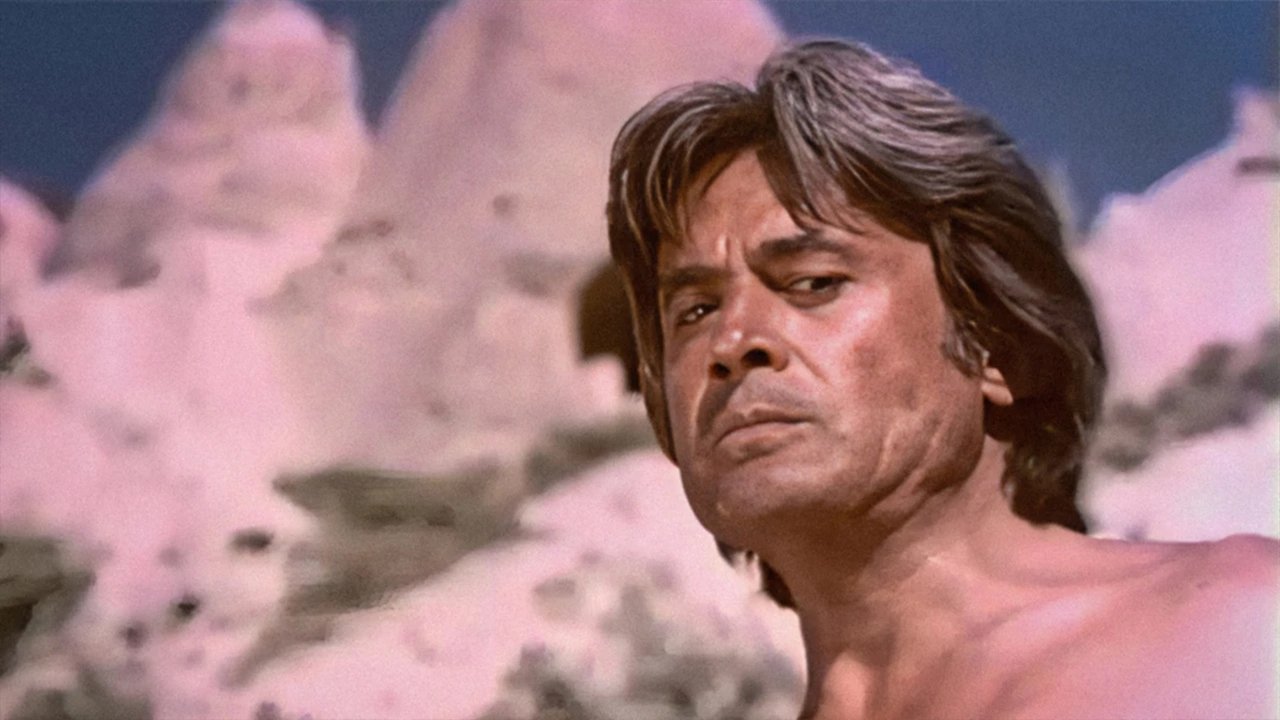
But this film is far more than just its pilfered parts. At its core beats the heart of a true Turkish action phenomenon: Cüneyt Arkın. Playing the heroic Murat (and also credited as the writer!), Arkın was already a massive star in his homeland, famous for performing incredible stunts himself. And folks, he does not disappoint here. Forget carefully choreographed fights; Arkın moves with a manic energy that's utterly captivating. We see him punching boulders until they explode (yes, really), doing insane trampoline-assisted leaps over enemies, and engaging in frantic, flailing combat against creatures that look like they were assembled from leftover Halloween costumes and shag carpets. Retro Fun Fact: Arkın reportedly trained rigorously for his roles, incorporating martial arts and acrobatics, and his dedication to performing dangerous physical feats himself was legendary in Turkish cinema, often done with minimal safety precautions that would make modern stunt coordinators weep.
The plot? Oh, it’s… something. Murat and Ali crash-land their ship (cue Star Wars explosion) on a desert planet ruled by a thousand-year-old evil wizard (who looks suspiciously like a budget Ming the Merciless). This wizard wants to conquer Earth using... well, it involves a golden brain and human brains, maybe? Honestly, the plot is less a narrative thread and more a loose collection of excuses for Arkın to fight things. He battles robots that look like they're made of painted cardboard boxes, fuzzy red monsters, skeletons, mummies wrapped in toilet paper (or maybe bandages?), and zombie-like hordes. His co-pilot Ali (Aytekin Akkaya) is mostly there to look bewildered, get captured, and occasionally join in the low-fi mayhem.
### Practical Effects from Another Dimension
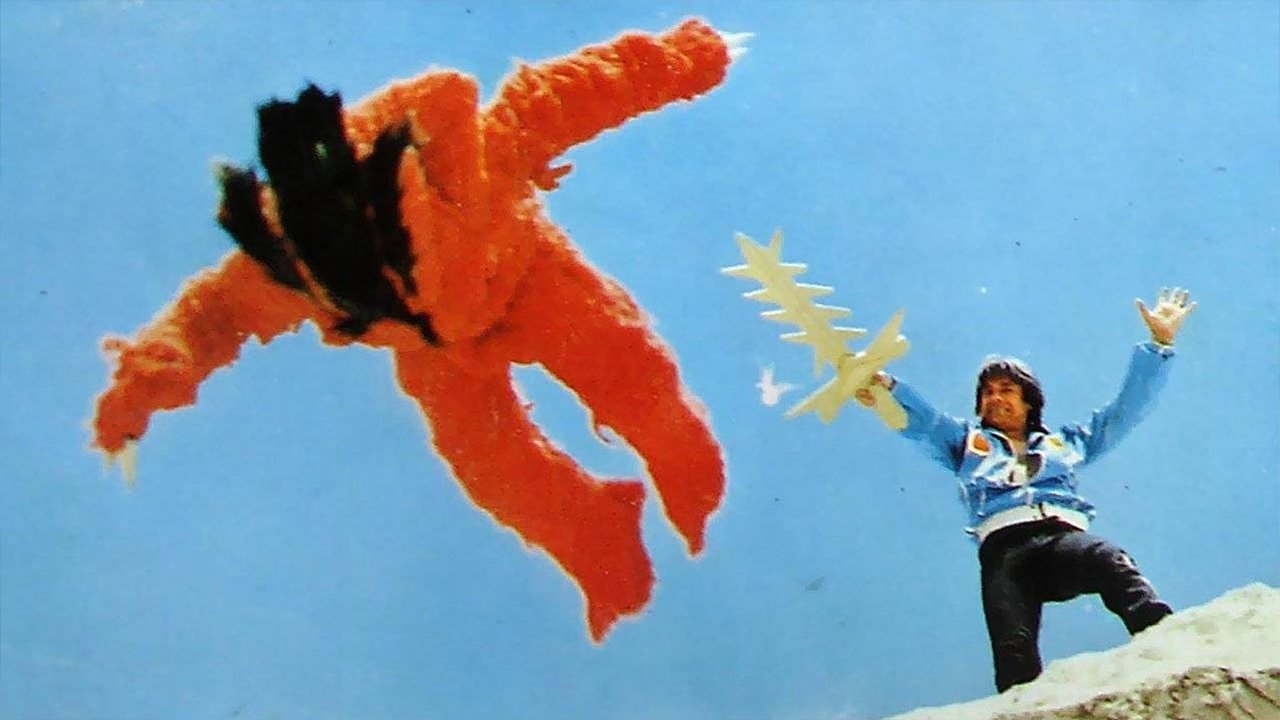
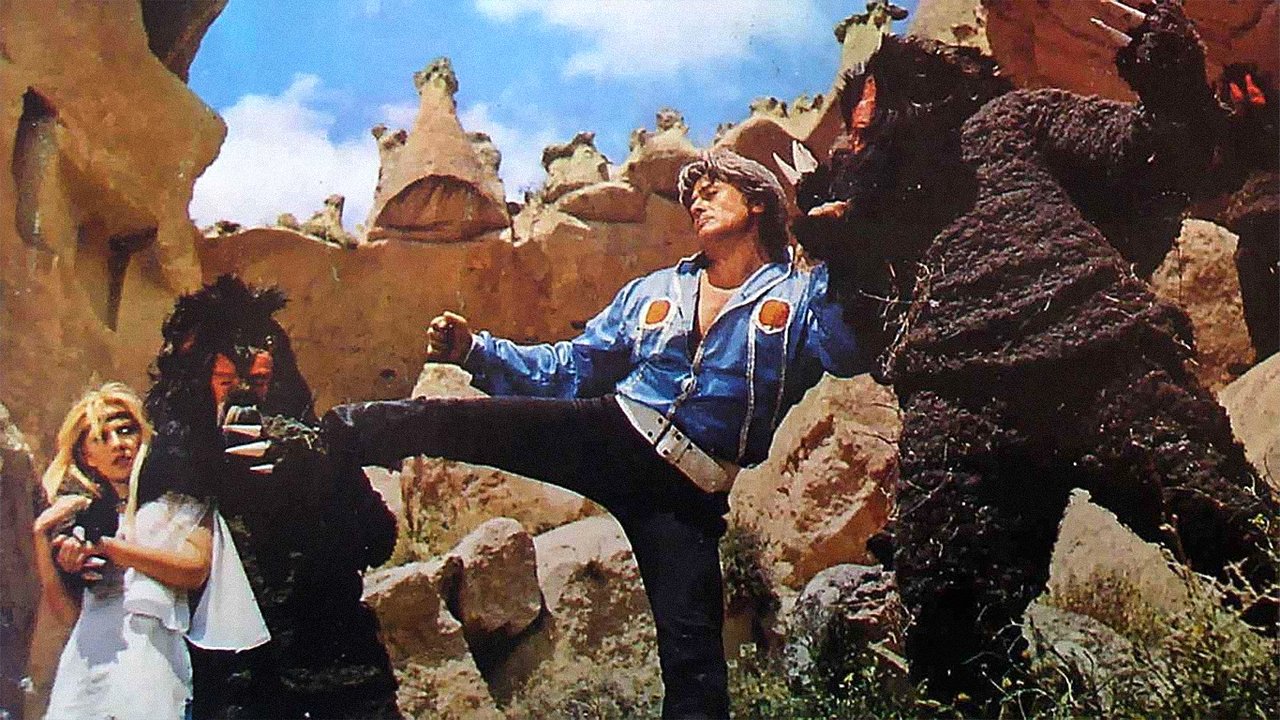
This is where The Man Who Saved the World truly enters the VHS Heaven hall of fame. The practical effects are a masterclass in doing the absolute most with the absolute least. Forget ILM; think papier-mâché, fuzzy felt, and sheer, unadulterated nerve. Remember those intense training montages where Arkın punches rocks and splits logs with karate chops? They feel strangely visceral precisely because they look so punishingly real for the actor, even if the rocks are clearly plaster. The creature costumes are endearingly awful – Muppets gone wrong, cobbled together with whatever was lying around the studio. The wizard’s lair looks like a dimly lit nightclub decorated for a fantasy-themed party. There's a raw, tangible quality to it all. You know that's a guy in a furry suit, you know those explosions are small, contained pyrotechnics, but the sheer audacity of putting it on screen is part of the charm. It's the polar opposite of today's seamless CGI; it's filmmaking by the seat of its pants, and frankly, it's exhilarating in its own bizarre way.
### So Bad It's... Transcendent?
The Man Who Saved the World wasn't some obscure bomb ignored upon release; Cüneyt Arkın was a huge star, and his films, even the quick-and-dirty ones by Çetin İnanç, often found an audience in Turkey. Its international cult status, however, grew slowly over decades, passed around on bootleg VHS tapes among bewildered Western audiences who couldn't believe what they were seeing. Was it terrible? By conventional standards, absolutely. The editing is chaotic, the story nonsensical, the effects laughable. But is it entertaining? Oh, heck yes. It possesses a unique, almost surreal energy born from its limitations. It’s a testament to sheer filmmaking will, a bizarre collision of cultural interpretation, copyright disregard, and one man's incredible ability to punch things very, very hard. I distinctly remember the first time a friend showed me a grainy VHS copy late one night – the sheer disbelief turning into uncontrollable laughter and, eventually, a strange kind of admiration.
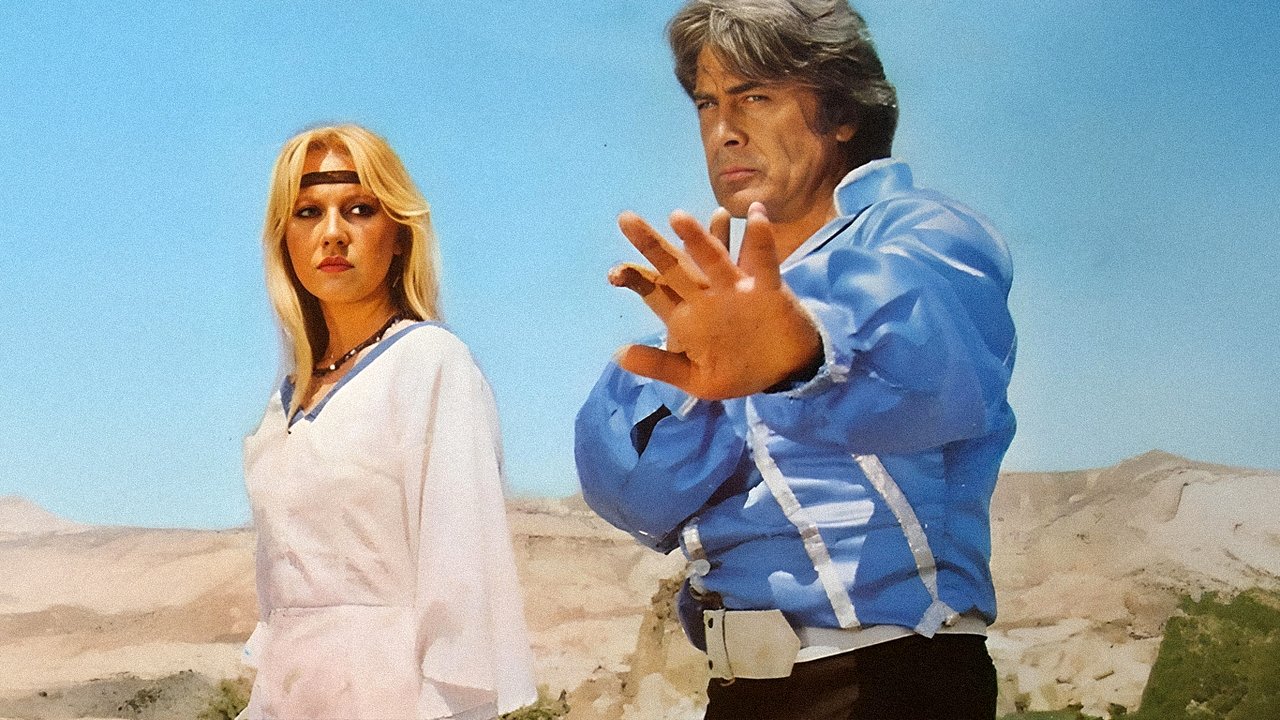
Rating: 3/10 (for technical merit) / 9/10 (for sheer WTF entertainment value & cult importance)
Justification: Let's be brutally honest: judged as a piece of coherent filmmaking, The Man Who Saved the World is objectively terrible. The narrative is a mess, the effects are hilariously cheap, and the editing feels like it was done with a blender. However, judged as a piece of pure, unadulterated cult cinema and a monument to low-budget ambition (and IP theft), it's an absolute masterpiece of unintentional comedy and boundless energy. Cüneyt Arkın's physical performance alone is worth the price of admission (or the effort of tracking down a copy). The 3 reflects its technical reality, but the 9 reflects the sheer joy, disbelief, and enduring legend it provides for fans of cinematic oddities. It’s earned its place in the cult film canon.
Final Thought: Forget perfectly rendered space battles; sometimes you just need to see a man in a spacesuit punch a yeti while a stolen Indiana Jones theme blares. This film isn't just watched; it's experienced, a true relic from the wild west of VHS wonder.