Alright VCR veterans, let’s rewind to a time when sci-fi wasn't afraid to be utterly, gloriously weird. Pop the tape in, adjust the tracking if you need to, because we're diving into Luc Besson's vibrant, chaotic, and utterly unique vision of the future: The Fifth Element (1997). Forget sleek, minimalist starships and existential dread for a moment. This movie splashed onto screens like a can of neon paint thrown at a gritty cityscape, and honestly? We kinda needed it. It wasn't just another sci-fi flick; it felt like flipping through a hyper-stylized European comic book brought to life, a stark contrast to some of the darker, more serious sci-fi fare of the era.

### More Than Just Orange Hair and a White T-Shirt
From the opening scenes in that dusty Egyptian tomb (actually filmed in Mauritania!), you knew this wasn't playing by the usual rules. Luc Besson, who famously started dreaming up this universe as a teenager bored in class, poured decades of imagination onto the screen. And it shows. The world-building is dense, visually overwhelming, and feels lived-in, albeit in the most outlandish way possible. Remember those flying cars weaving through towering NYC skyscrapers? A lot of that was achieved through groundbreaking (at the time) miniature work mixed with nascent CGI, giving it a tangible weight that pure digital effects sometimes lack today. This blend gave the city both scale and a slightly imperfect, almost model-kit charm that felt right at home on our fuzzy CRT screens.
And holding this vibrant chaos together, surprisingly, is Bruce Willis as Korben Dallas. Fresh off years of defining the action hero archetype in films like Die Hard (1988), Willis brings a perfect blend of weary cynicism and reluctant heroism. He's not the gung-ho savior; he's just a cab driver having a really bad day. Interestingly, Besson initially wanted Mel Gibson for the role, and even considered casting Willis as Zorg before settling on him for Dallas! It’s hard now to imagine anyone else grounding the film with that specific brand of "I'm too old for this cosmic stuff" energy.
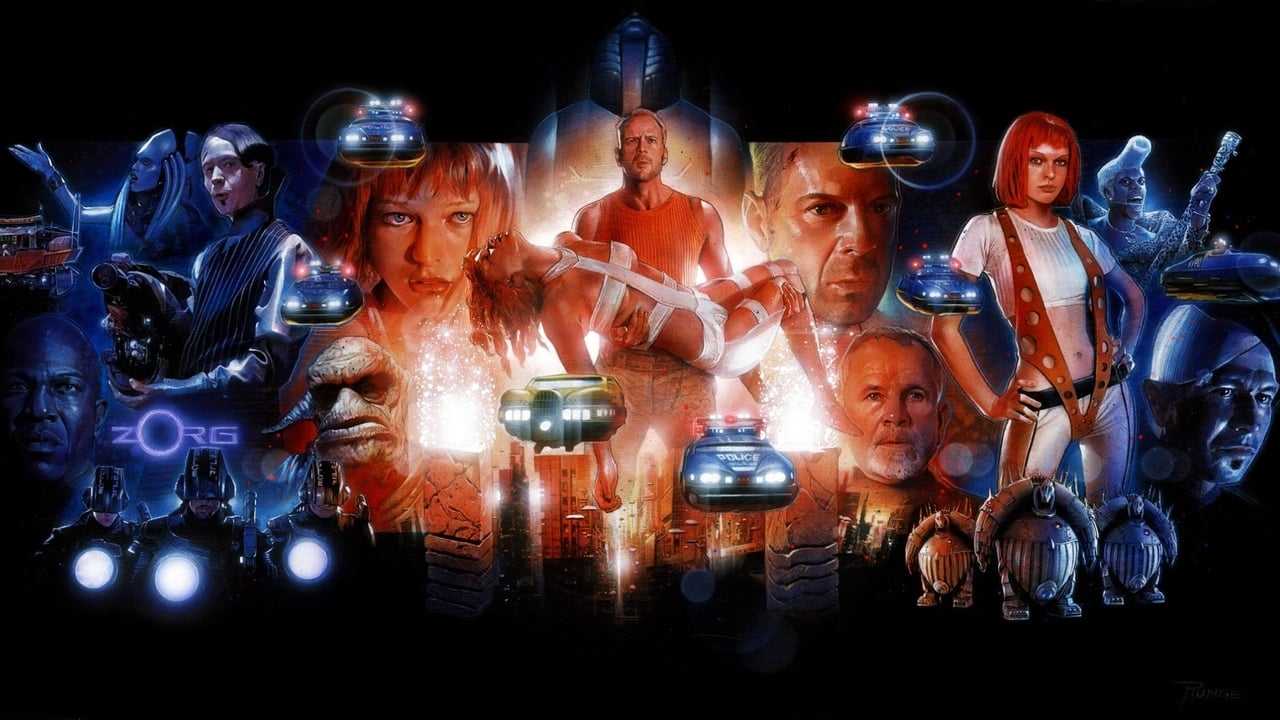
### Leeloo Dallas Multipass!
Of course, you can't talk Fifth Element without talking Leeloo. Milla Jovovich, in a career-defining role, is the Supreme Being. She bursts into Korben's cab and into cinematic history with a mix of bewildered innocence and startling physical prowess. That "Divine Language" she speaks? It wasn't just gibberish; Besson and Jovovich developed a functional vocabulary of around 400 words for it, adding another layer to the film's unique texture. Her fight scenes, choreographed with a fluid, almost dance-like quality, felt fresh – less about brute force and more about lethal grace. Watching her dispatch Mangalores in that cramped apartment still holds up as a masterclass in contained action.
Let's not forget the villain. Gary Oldman chews the scenery with delightful menace as Jean-Baptiste Emanuel Zorg. That bizarre accent, the limp, the plastic headpiece... it's pure comic book villainy cranked up to eleven. Oldman, already known for intense roles like Dracula in Francis Ford Coppola's Bram Stoker's Dracula (1992), seemed to relish the sheer theatricality of Zorg. It’s a testament to his performance that, despite limited screen time, Zorg remains one of the most memorable screen villains of the 90s. Rumor has it Oldman took the role partly as a favour to Besson who helped finance his directorial debut, Nil by Mouth (1997), but later expressed some dissatisfaction with the final film – a classic case of an actor perhaps not fully embracing the camp appeal audiences loved.


### Sensory Overload in the Best Way
Visually, The Fifth Element is a feast, and much of that is down to the legendary fashion designer Jean Paul Gaultier. He didn't just design a few key outfits; he reportedly created over 1,000 costumes for the film, from Leeloo's iconic bandage outfit (a surprisingly practical choice born from needing something simple yet striking) to the flight attendants' revealing blue uniforms and Ruby Rhod's flamboyant leopard print. Gaultier's designs weren't just clothes; they were world-building, reinforcing the film's unique, high-fashion-meets-sci-fi aesthetic. This dedication to a singular visual style permeates every frame.
And the action? Besson crafts set pieces that are both thrilling and slightly absurd. The famous flying taxi chase through future New York is a highlight, a symphony of near misses and colourful explosions blending practical model work with those early digital effects. Remember how intense that felt? The way the vehicles seemed to have actual weight and momentum, even amidst the cartoonish physics? Then there's the chaos aboard the Fhloston Paradise luxury liner – gunfights, opera (Eric Serra's incredible Diva Dance blending operatic vocals with synth-pop remains stunning), and the arrival of the Mangalores. It’s a lot, maybe even too much for some, but it’s delivered with such energy and visual flair that you can't help but get swept along.
Let's be honest, though, the film isn't perfect. The plot is essentially a high-stakes fetch quest ("Get the stones!"), and the tonal shifts can be jarring. And then there's Chris Tucker as Ruby Rhod. Loud, flamboyant, and utterly unforgettable, Ruby Rhod is perhaps the ultimate "love him or hate him" character. Tucker's hyperactive performance is dialed way past 11, providing manic comic relief that either perfectly complements the film's absurdity or completely derails it, depending on your tolerance. It's a bold choice, emblematic of the film's go-for-broke attitude.
### The Verdict on This Cosmic Cab Ride
When The Fifth Element landed in 1997, it was a gamble. As the most expensive European film ever produced at the time (around $90 million – that's over $170 million today!), its success wasn't guaranteed. US critics were somewhat divided, often praising the visuals but finding the story thin or the tone too bizarre. Audiences, however, especially internationally, embraced its sheer audacity. It became a massive hit and, more importantly, a certified cult classic – the kind of tape you’d excitedly recommend to friends after renting it on a whim from Blockbuster.
It captured a specific late-90s optimism mixed with a European sensibility, creating something truly unique in the sci-fi landscape. The blend of practical effects, miniatures, early CGI, and those incredible Gaultier costumes gave it a look and feel that remains distinctive. It’s a movie that wears its heart, its influences, and its weirdness proudly on its sleeve.
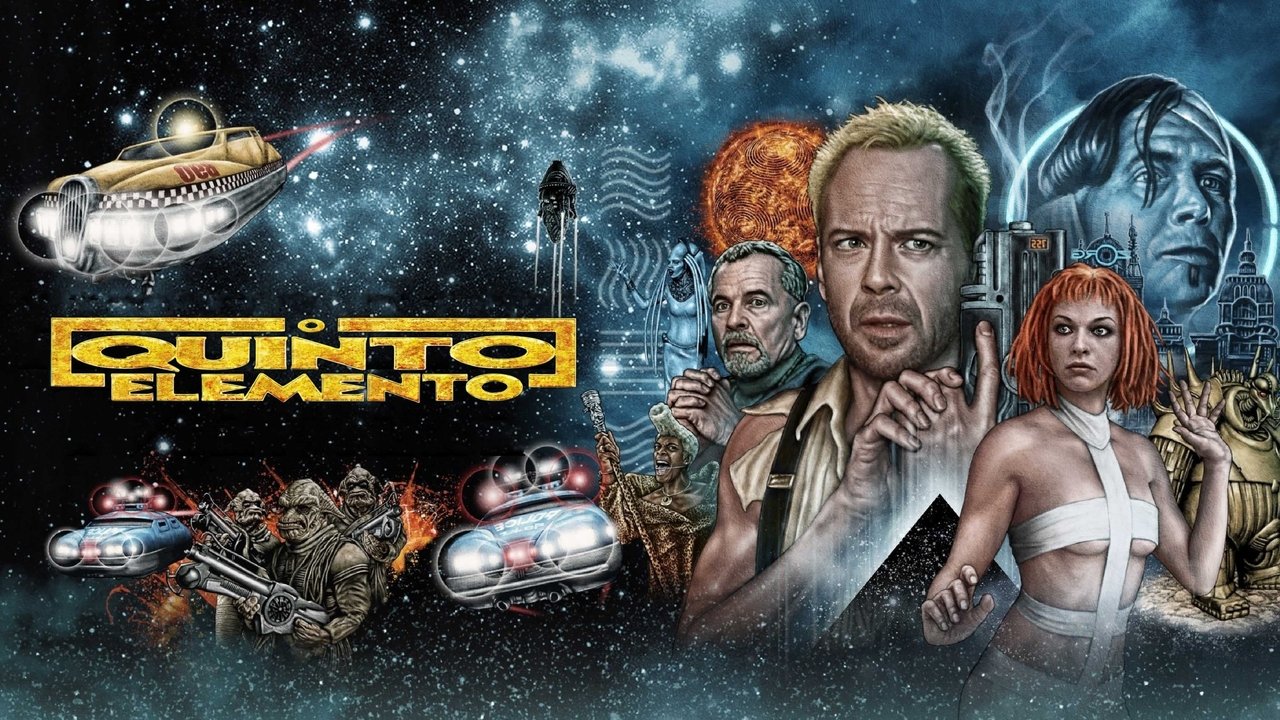
Rating: 9/10
Justification: The Fifth Element earns this high score for its sheer, unadulterated visual imagination, groundbreaking design, memorable characters (love 'em or hate 'em), and energetic action sequences. While the plot is straightforward and some elements might test patience, its status as a uniquely vibrant and influential cult classic is undeniable. It's a testament to Luc Besson's singular vision and a standout piece of 90s sci-fi filmmaking that dared to be different.
Final Thought: In an era before CGI smoothed over every edge, The Fifth Element's glorious, slightly chaotic, practically-infused spectacle felt tangible and exciting. It's a film that reminds you how much fun sheer, unbridled creativity can be, and yes, it's absolutely still worth popping in the VCR (or, you know, hitting play on whatever format you have now). Multipass!