The screen flickers to life, static crackling like desert sand skittering across bleached bone. Then, the image resolves: a lone figure, silhouetted against an unforgiving sun bleeding into a vast, ochre emptiness. This isn't just any wasteland; it's the kind etched into the magnetic tape of countless late-80s rentals, a future imagined through the dusty lens of Reagan-era anxieties and the lingering shadow of Mad Max. This is the world of Steel Dawn (1987), a film that drifts into view like its enigmatic protagonist – quiet, intense, and carrying the unmistakable aura of the VHS era.
### A Drifter in the Dust
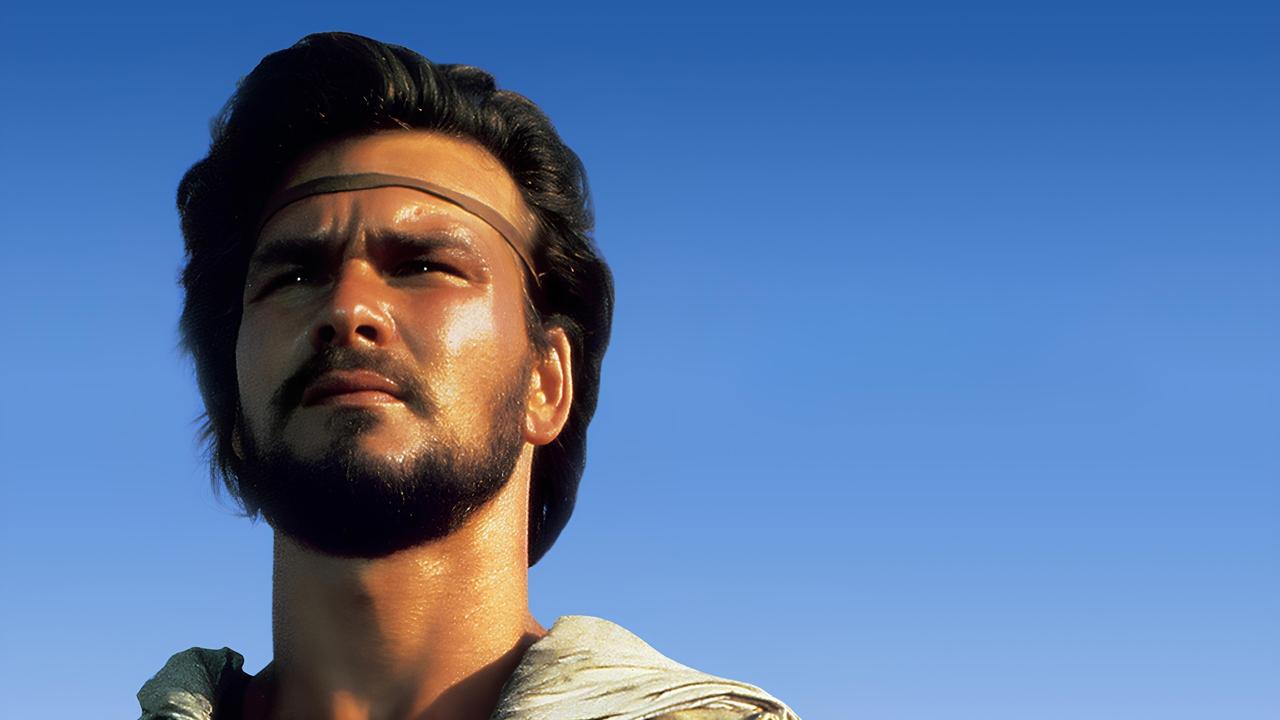
We meet Nomad (Patrick Swayze), a warrior trained in the ways of a vaguely defined, sword-centric martial art, wandering the desolate plains decades after some unspecified cataclysm. Swayze, fresh off the phenomenal success of Dirty Dancing the very same year, cuts a striking figure. He’s lean, weathered, and moves with a dancer’s grace unexpectedly translated into lethal combat. It’s a performance built on presence rather than dialogue; Nomad is a man of few words, his past hinted at, his future uncertain. The film leans heavily on Swayze’s physicality, and knowing he performed many of his own demanding stunts, often wielding that distinctive sword-staff, adds a layer of gritty authenticity to the action. There’s a quiet intensity here, a simmering potential for violence beneath the stoic exterior, that Swayze sells effectively.
His path leads him to a small, struggling settlement centered around a precious water source, run by the resilient Kasha (Lisa Niemi) and her young son. If their chemistry feels grounded and genuine, it's hardly surprising – Patrick Swayze and Lisa Niemi were married in real life, lending their scenes together an understated warmth that anchors the film's more fantastical elements. Kasha’s farm becomes the crucible, the inevitable point of conflict when the local land baron, the ruthless Damnil (Anthony Zerbe), decides he wants their water. Zerbe, a reliable character actor often cast as villains (License to Kill), brings a sneering menace to the role, chewing the scenery just enough to be entertaining without tipping into parody.
### Where the Horizon Bleeds Forever
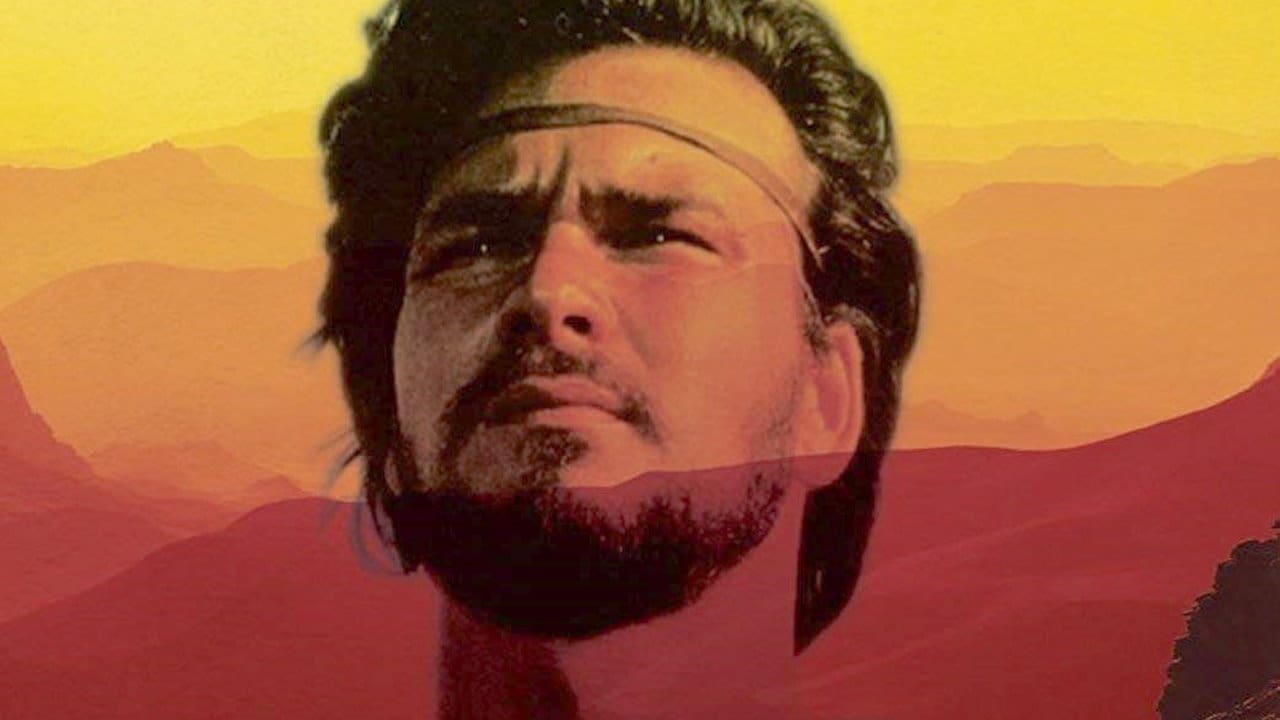
What truly elevates Steel Dawn beyond a mere Road Warrior knock-off is its staggering sense of place. Forget dusty Californian backlots; director Lance Hool (perhaps better known for producing action fare like Missing in Action) took his production deep into the Namib Desert in southwestern Africa. The resulting landscapes – particularly the haunting visuals of Deadvlei, with its cracked white earth and skeletal trees – are utterly breathtaking and profoundly alien. This wasn't just set dressing; it was a genuine, unforgiving environment that reportedly presented significant filming challenges. Yet, this choice imprints itself onto the film's soul, creating an atmosphere of profound isolation and desolation that lingers long after the credits roll. The stark beauty of the Namibian dunes becomes a character in itself, emphasizing the fragility of the human settlements clinging to life within it. The synth-heavy score by Brian May (no, not that Brian May, but the prolific Australian film composer) further enhances this mood, oscillating between eerie soundscapes and driving action cues typical of the era.
### Echoes of Shane in a Shattered World
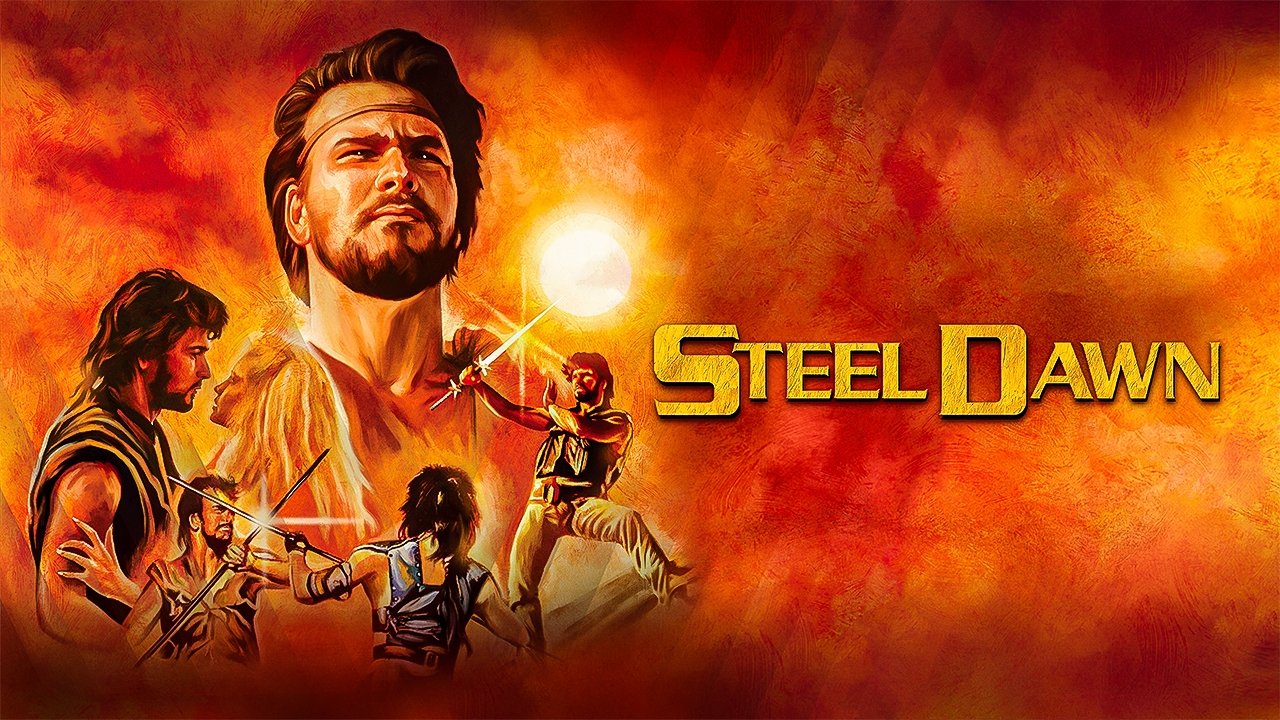
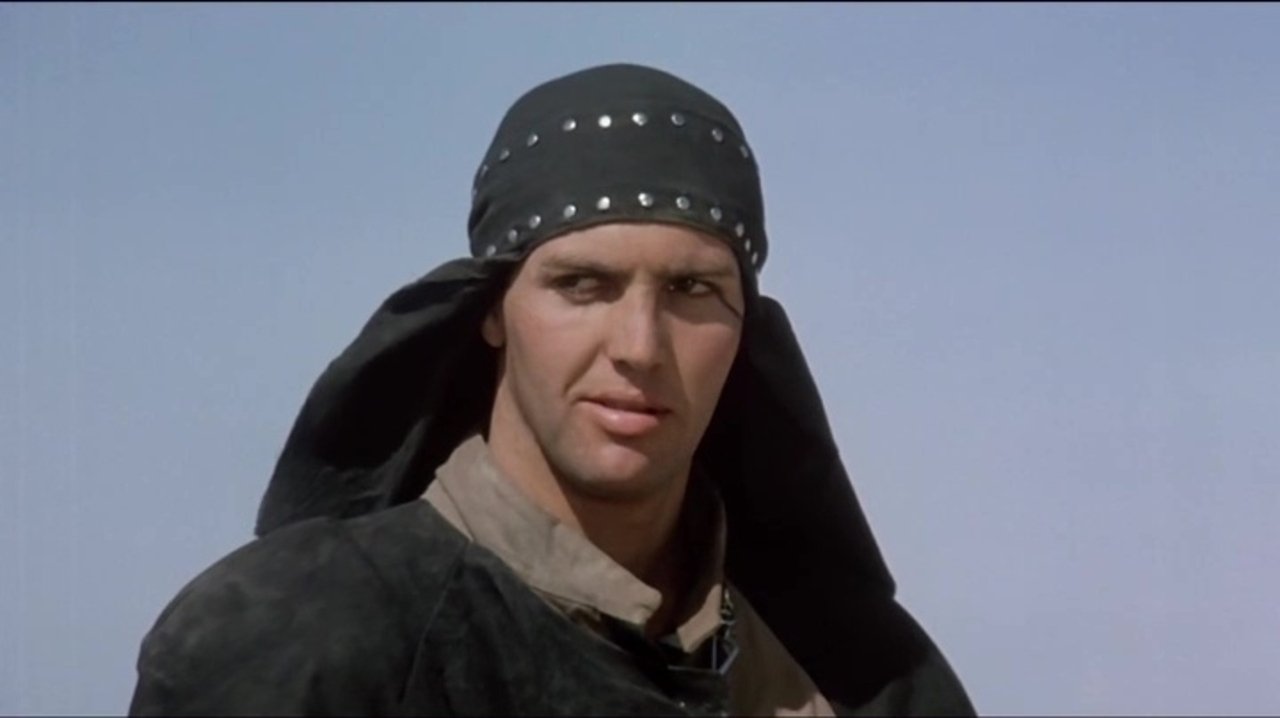
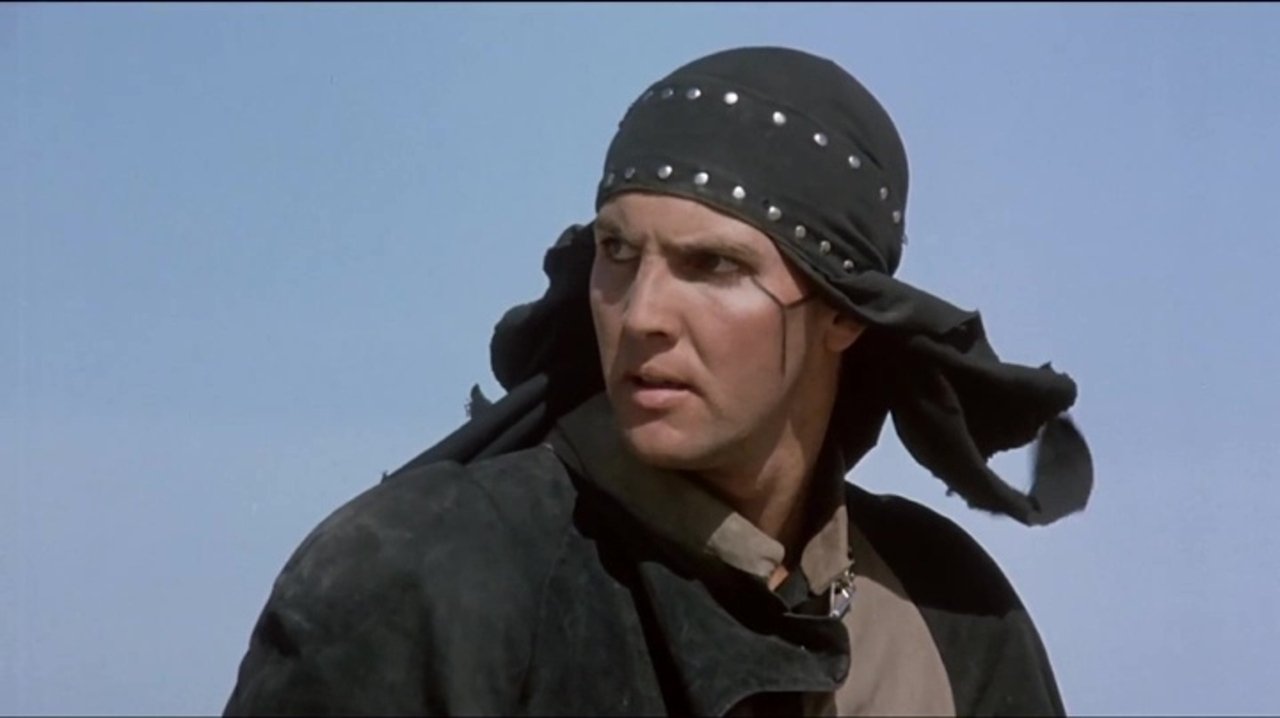
Strip away the sci-fi trappings, and the narrative skeleton of Steel Dawn is pure Western. It’s essentially Shane transplanted to a post-apocalyptic setting: the mysterious stranger rides into town, defends the innocent homesteaders from the greedy cattle baron (or water baron, in this case), and ultimately confronts the hired gun. The film doesn't shy away from these parallels; it embraces them. This familiarity is both a strength and a weakness. It provides a solid, recognizable structure, but it also means the plot holds few genuine surprises. Did that climactic showdown feel inevitable from the moment Nomad arrived? Absolutely. But the execution, particularly the final confrontation between Nomad and Damnil's brutal foreman Sho (Christopher Neame), is handled with a satisfying, if predictable, intensity.
The action itself is grounded and impactful for its time. Forget elaborate wire-fu; this is about practical stunts, dusty brawls, and the satisfying clang of steel (or whatever Nomad's staff is made of). The choreography is straightforward but effective, emphasizing Swayze's skills. One memorable sequence involves Nomad taking on multiple opponents in the confines of a bar, showcasing his efficiency and control. It's the kind of tangible, weighty action that felt visceral on a flickering CRT screen, even if it lacks the hyper-kinetic editing of modern blockbusters. Reportedly, crafting Nomad’s signature weapon involved several iterations to get the balance right for Swayze’s fighting style, a detail reflecting the practical, hands-on approach of 80s action filmmaking.
### Fading Light on a Forgotten Future
Steel Dawn wasn't a box office hit. Released in the shadow of Swayze's Dirty Dancing juggernaut, this quieter, grimmer film struggled to find its audience, grossing only around $3 million. It quickly faded, destined to become one of those intriguing covers glimpsed on the shelves of the local video store – the kind you rented on a whim, drawn by the promise of Swayze and desert sword fights. Yet, viewed today, it holds a certain charm. It’s an earnest, atmospheric piece of genre filmmaking that uses its stunning location to maximum effect. It might be derivative, its world-building thin, but it possesses a sincerity often lacking in more cynical fare. I distinctly remember renting this tape, expecting Mad Max thrills, and finding something slower, stranger, and more melancholic.
It stands as a fascinating curio in Patrick Swayze's filmography, showcasing his versatility and physical prowess in a role far removed from Johnny Castle. It’s a testament to a specific brand of 80s post-apocalyptic vision – less punk-infused chaos, more stoic survival against a backdrop of breathtaking ruin.
VHS Heaven Rating: 6/10
Justification: The rating reflects the film's undeniable atmospheric strengths derived from its incredible Namibian locations (a solid 2 points right there) and Patrick Swayze's committed, physical performance (another 2 points). The competent, if familiar, Western-infused plot and decent practical action earn it a couple more points. However, it's held back by a somewhat slow pace, thin world-building, and a narrative that feels overly derivative of established classics, preventing it from reaching true classic status.
Final Thought: Steel Dawn might be a lesser-known star in the 80s action firmament, but its haunting landscapes and Swayze's quiet intensity make it a worthwhile trip back to the dusty futures imagined on VHS. It’s a film that feels like a half-remembered dream of a world after the end, best watched late at night when the silence outside mirrors the desolation on screen.