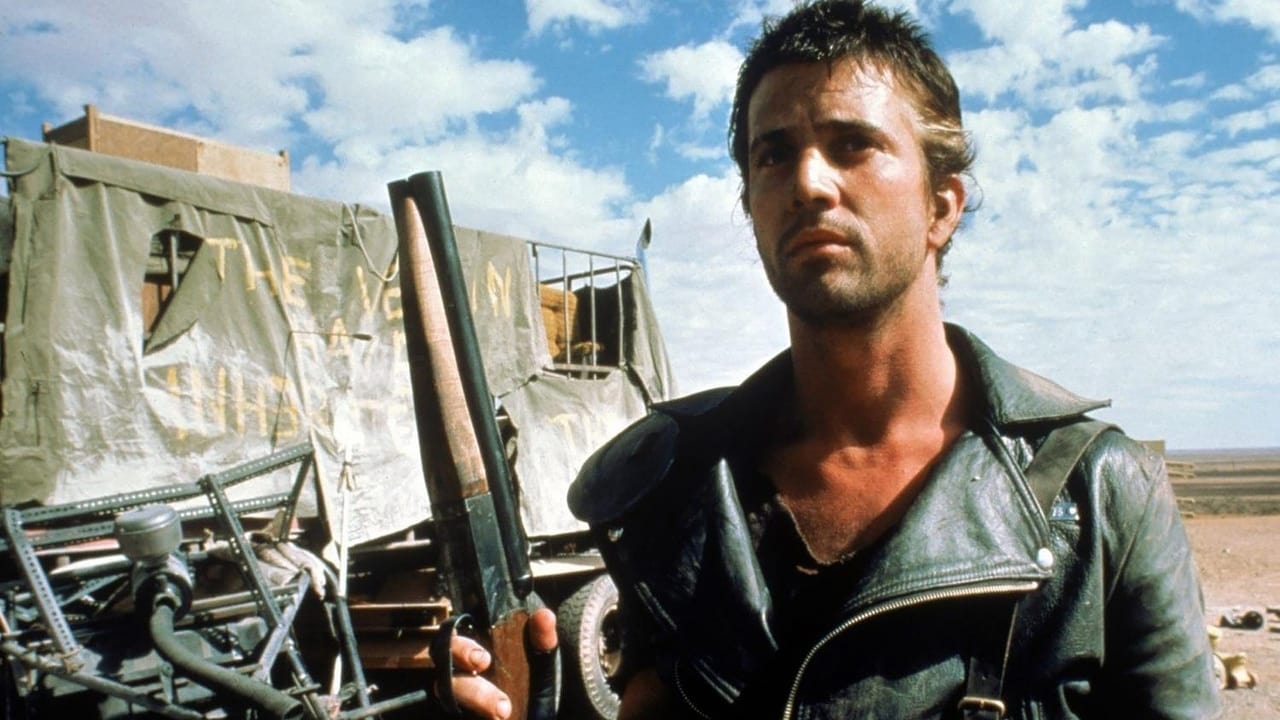
"My life fades... the vision dims... All that remains are memories." That desolate opening narration, gravelly and echoing across a scorched landscape, doesn't just set the scene for Mad Max 2 (released internationally, and perhaps more famously to some North American renters, as The Road Warrior); it throws you headfirst into the dust and desperation. Forget the slow burn societal collapse of the first film; this is the aftermath, stark and brutal, a world stripped bare where gasoline – "guzzoline" – is the only currency worth killing for. Seeing this raw vision unfold on a flickering CRT back in the day felt less like watching a movie and more like witnessing a transmission from a horrifyingly plausible future.
Wasteland Symphony
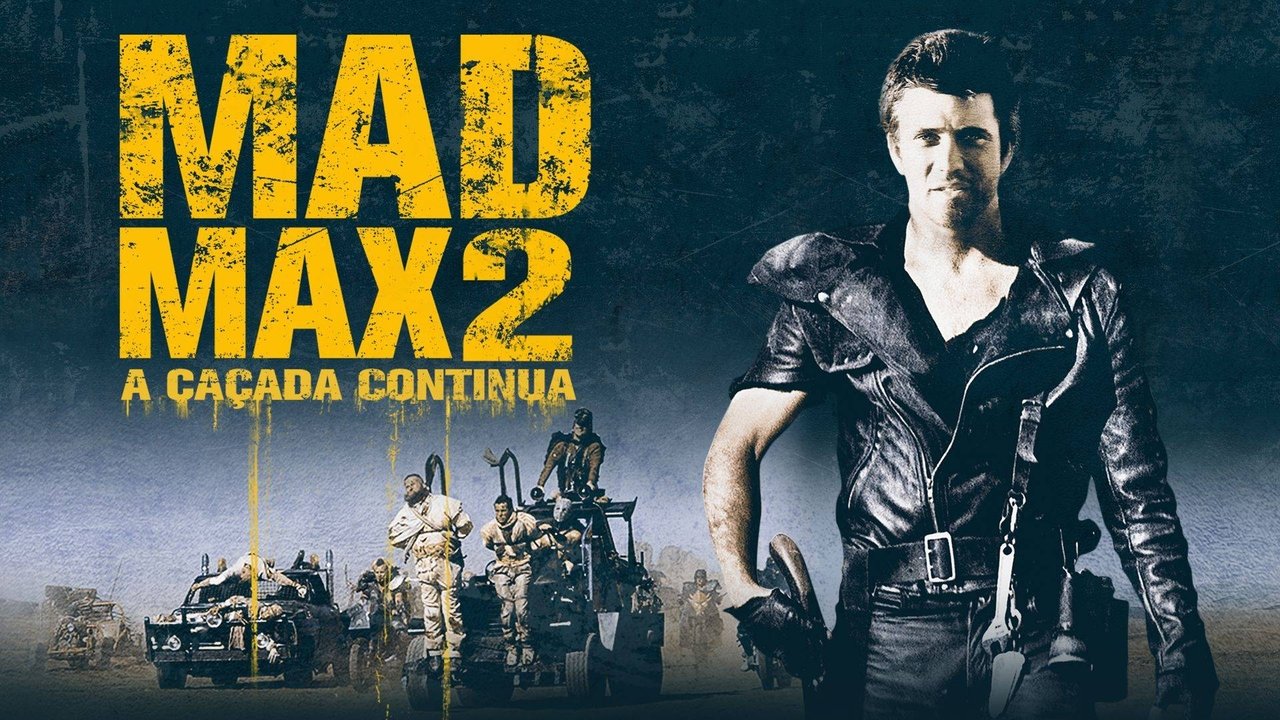
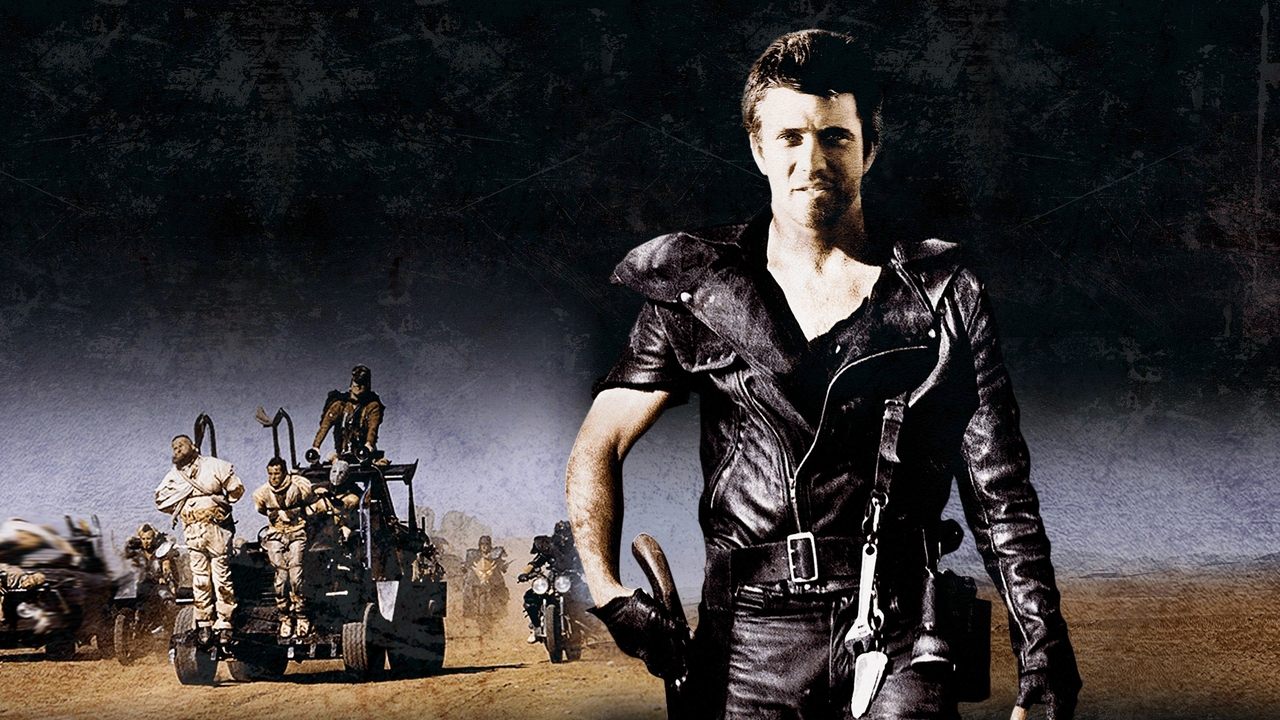
Director George Miller, returning after the raw, low-budget punch of Mad Max (1979), doesn't just revisit his wasteland; he expands it into a terrifyingly coherent ecosystem of survival. The Australian outback, filmed near Broken Hill, New South Wales, becomes a character itself – vast, unforgiving, beautiful in its hostility. Every frame feels sun-baked and gritty. Miller, famously a medical doctor before turning filmmaker, brings an almost clinical eye to the savagery, making the violence feel impactful and consequential, never gratuitous simply for shock value. The production design is legendary; salvaged vehicles bolted together into menacing war machines, leather S&M gear repurposed as armour – it cemented the visual language of the post-apocalypse for decades to come. Remember the sheer audacity of Lord Humungus's crew? Pure nightmare fuel rendered tangible.
The Man Called Max
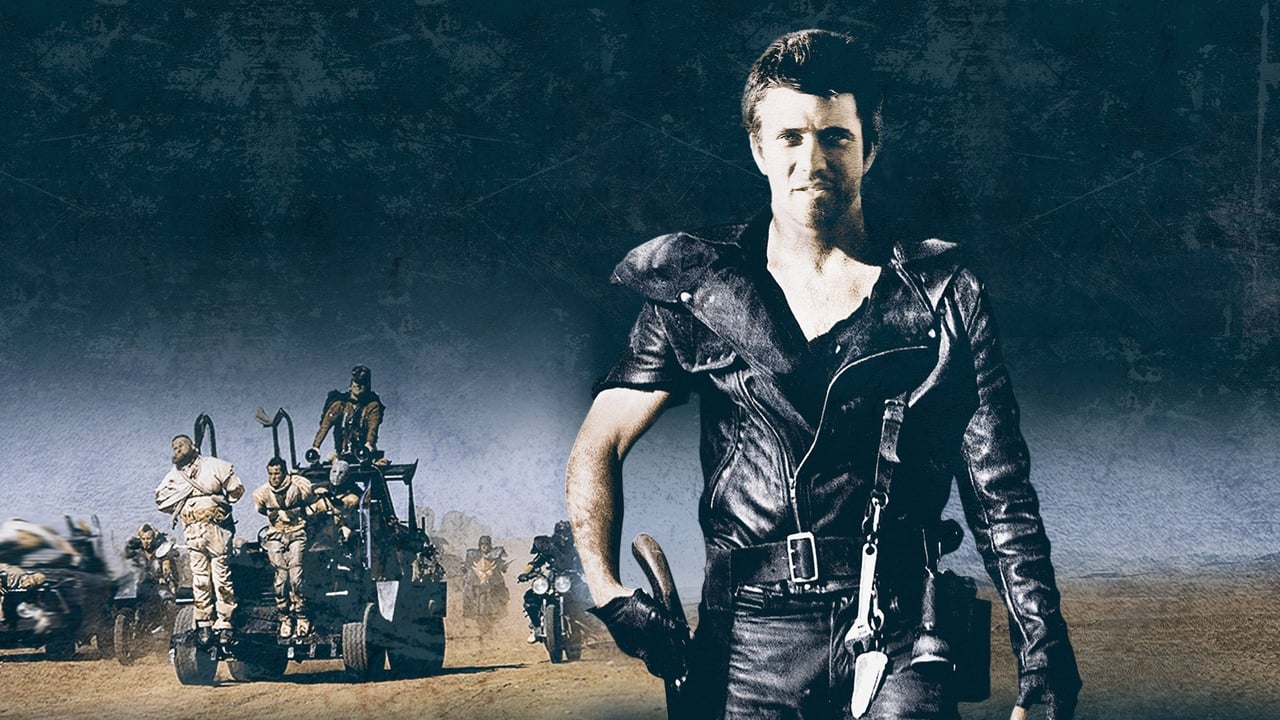
Mel Gibson, reprising his role as Max Rockatansky, delivers a masterclass in minimalist intensity. He’s less a character driven by dialogue – he barely speaks – and more a force of nature, haunted and weary but capable of explosive action. His trauma from the first film hangs heavy, informing his reluctance to connect, his purely transactional approach to survival. It’s a performance etched in weary glances and sudden bursts of violence. It’s fascinating that Miller initially considered casting an American actor to broaden appeal before sticking with Gibson, whose star was rapidly ascending. This film truly cemented his international action hero status. Opposite him, Bruce Spence as the Gyro Captain provides crucial, quirky comic relief without ever undermining the grim reality, a scavenger whose opportunism masks a shred of humanity. And Michael Preston as Pappagallo, the leader of the besieged settlers, brings a grounded dignity to the chaos.
Orchestrated Mayhem
Let's talk about the action. Oh, that glorious, terrifying action. In an era before CGI dominance, Mad Max 2 delivered vehicular carnage on a scale that still drops jaws. The climactic tanker chase sequence isn't just a scene; it's a benchmark. Miller and his stunt team, including the legendary Guy Norris (who unfortunately suffered a broken femur filming a different sequence, highlighting the real danger involved), orchestrated balletic chaos with real cars, real drivers, and real explosions. The ingenuity born from its roughly AUD $4.5 million budget is palpable – every crash feels visceral because it was visceral. There’s a weight and kinetic energy here that digital effects often struggle to replicate. Reportedly, over 80 vehicles were modified and ultimately destroyed during production. That final tanker flip? An iconic piece of practical stunt work that likely had VHS tapes paused and rewound countless times. Doesn't that sheer physicality still feel breathtaking?
Beyond the Dust and Explosions
While the spectacle is undeniable, Mad Max 2 isn't just empty calories. It’s a lean, mean piece of mythological storytelling. Max is the reluctant archetype – the wandering warrior drawn into a conflict not his own, finding a sliver of his lost purpose in protecting the vulnerable. The settlers' desperate hope for a coastal paradise provides the narrative engine, a fragile dream in a world consumed by immediate needs. The film’s pacing is relentless, building tension masterfully towards its explosive set pieces. Even Brian May's (no, not the Queen guitarist, the Australian composer) powerful, often unsettling score contributes significantly to the oppressive atmosphere, switching from mournful themes to pounding, percussive action cues.
The film wasn't just a box office smash (grossing well over ten times its budget worldwide); it became a cultural touchstone. Its influence on post-apocalyptic fiction, video games, and even fashion is undeniable. It demonstrated that sequels could drastically escalate scale and ambition while retaining the core spirit of the original. It proved Australian cinema could compete on the world stage, delivering high-octane entertainment with a unique, gritty voice.
Verdict: Still Running Pure
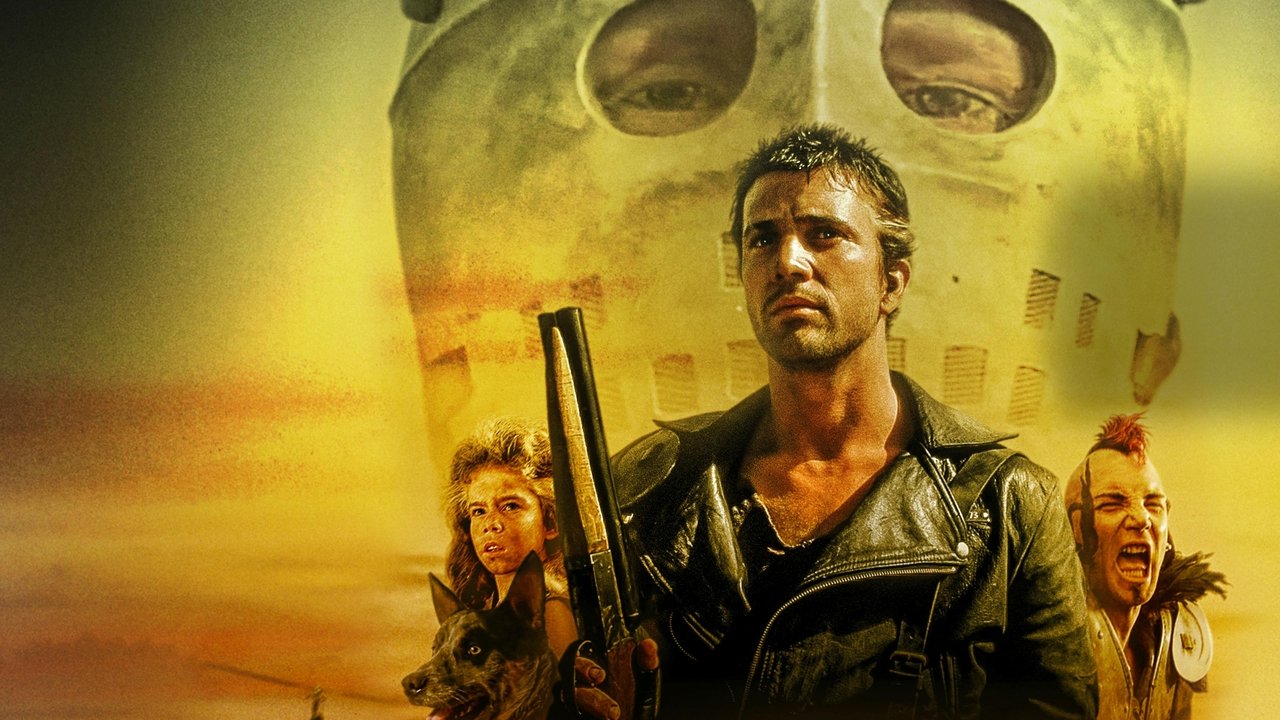
Mad Max 2 is more than just an 80s action classic; it's a masterwork of visual storytelling and practical filmmaking. Its world-building is immersive, its action sequences remain landmarks of the genre, and its lean narrative carries surprising mythic weight. Gibson’s silent intensity anchors the film, while Miller’s direction transforms the desolate landscape and vehicular mayhem into brutal poetry. The sheer danger inherent in the stunt work lends an authenticity that digital effects can't touch. It refined the post-apocalyptic aesthetic and delivered thrills that felt genuinely dangerous.
Rating: 9.5/10
The score reflects its near-perfect execution of visceral action, its groundbreaking practical effects and stunt work, its iconic world-building, and its enduring influence. It's a raw, relentless ride that defined a genre and still feels astonishingly potent today. Pop this one in the VCR (or your modern equivalent), turn down the lights, and feel the guzzoline fumes rise again – it remains an unparalleled trip into the wasteland.