Step inside the arcade, drop a quarter in the slot, and prepare to be digitized. While that might sound like the setup for a fever dream fueled by too much soda and neon glare, it was the electrifying premise that greeted audiences in 1982 with Steven Lisberger's Tron. Forget just playing the game; this movie plunged viewers inside the machine, offering a glimpse into a future rendered in glowing lines and geometric landscapes that felt utterly alien and exhilaratingly new. It wasn't just a film; it felt like a transmission from another dimension, beamed directly onto the flickering screen of your trusty CRT.
### Entering the Grid
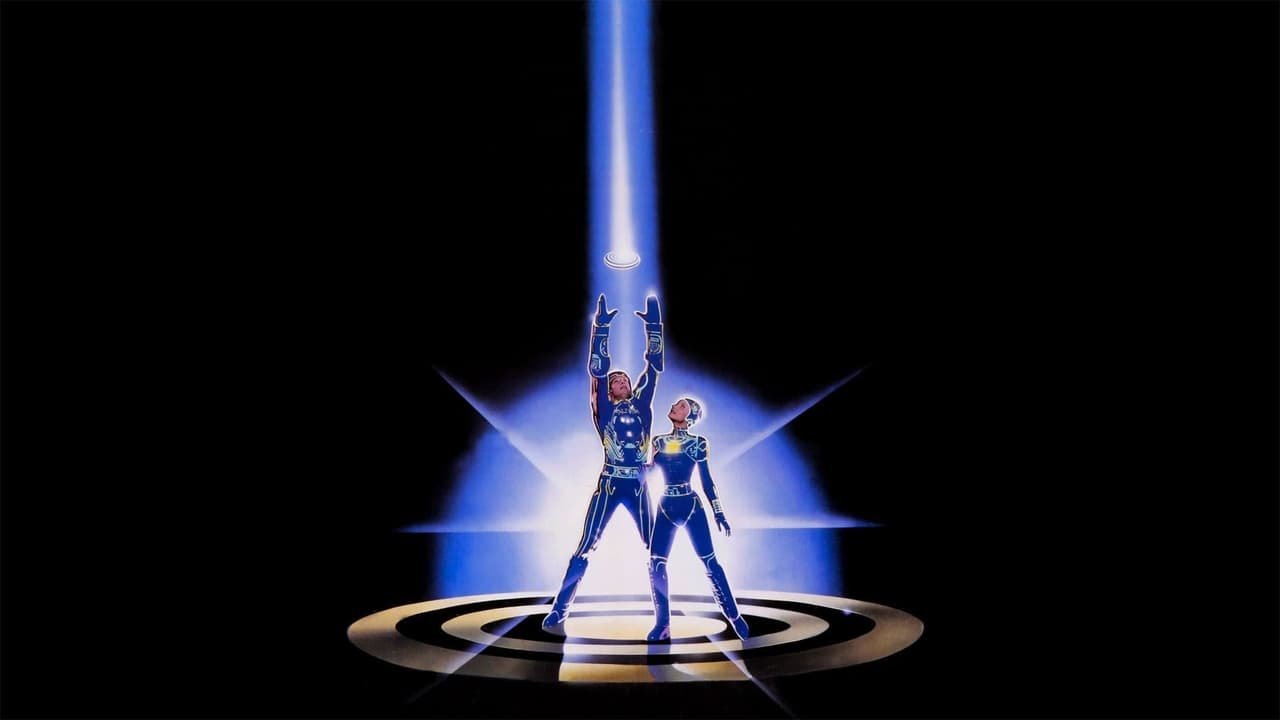
The story, penned by Lisberger and Bonnie MacBird, follows Kevin Flynn (Jeff Bridges), a brilliant but disgruntled software engineer and arcade owner convinced his former employer, ENCOM, stole his video game creations. His attempts to hack into ENCOM's mainframe to find proof run afoul of the Master Control Program (MCP), a power-hungry AI voiced with chilling authority by David Warner. In a moment of sci-fi wizardry that still sparks the imagination, Flynn is zapped by an experimental laser and physically transported into the digital world within the ENCOM mainframe – the Grid. Here, programs are anthropomorphic beings forced to fight in deadly gladiatorial games under the tyrannical rule of the MCP and its chief lieutenant, Sark (also played by the perfectly villainous Warner). Flynn must team up with Tron (Bruce Boxleitner), a security program written by his friend Alan Bradley (also Boxleitner), and Yori (Cindy Morgan), an input/output program, to survive the games and ultimately destroy the MCP, freeing the digital world and recovering his stolen data.
### A Visual Revolution (With Elbow Grease)

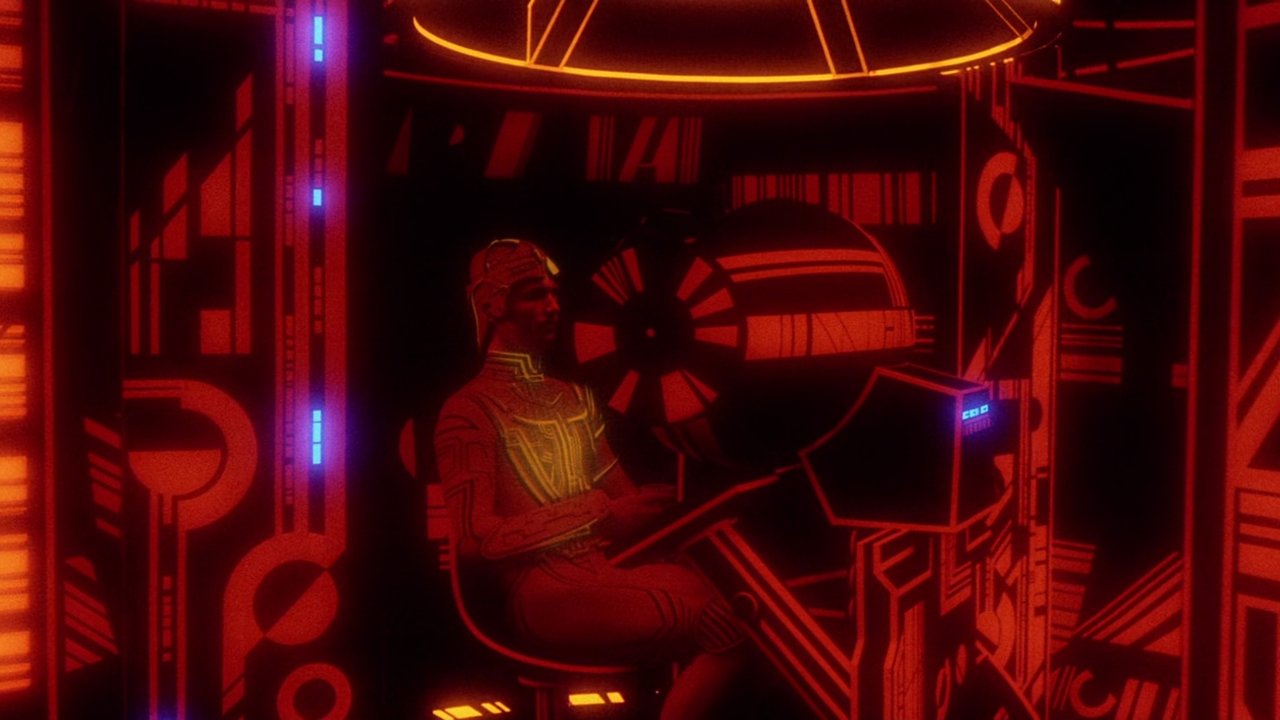
Let's be honest: the reason Tron burned itself onto our collective retinas wasn't necessarily its Shakespearean plot. It was the look. Oh, that glorious, groundbreaking look! Lisberger, inspired by early computer animation tests and the simple beauty of Pong, envisioned a world unlike anything seen before. What resulted was a staggering fusion of live-action footage, intricate backlit animation, and some of the earliest significant use of computer-generated imagery (CGI) in a major motion picture. Those sleek light cycles leaving shimmering energy trails? The imposing Recognizers stomping across the digital plains? The soaring Solar Sailer? They were pure visual astonishment in '82.
It's fascinating to look back now, knowing how much manual labor went into this "computer" world. Much of the film's distinctive aesthetic wasn't CGI but a painstaking process called backlit animation. Actors performed on black sets, and their footage was composited with intricate, hand-painted cel animation that was then backlit to create that signature neon glow. According to interviews, the level of detail required was immense, with thousands of cels meticulously crafted. The legendary artists Syd Mead (Blade Runner, Aliens) and Jean Giraud (Moebius) contributed heavily to the film's iconic designs, lending it a pedigree that still feels sophisticated today. While MAGI/Synthavision provided the actual CGI sequences (around 15-20 minutes worth), it was this clever blend of techniques that gave Tron its unique identity. Hilariously, and perhaps shortsightedly, the Academy of Motion Picture Arts and Sciences refused to nominate Tron for a Best Visual Effects Oscar that year, reportedly reasoning that using computers was "cheating." Oh, how times change!
### Programs with Personality
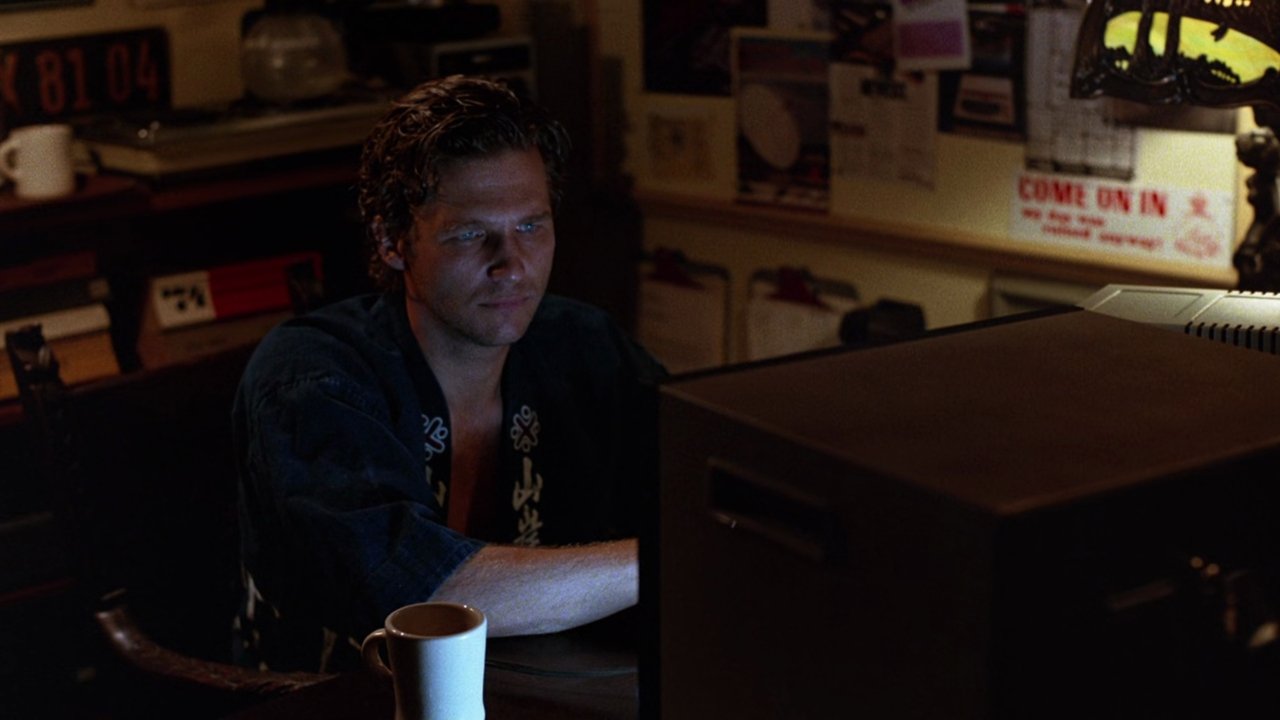
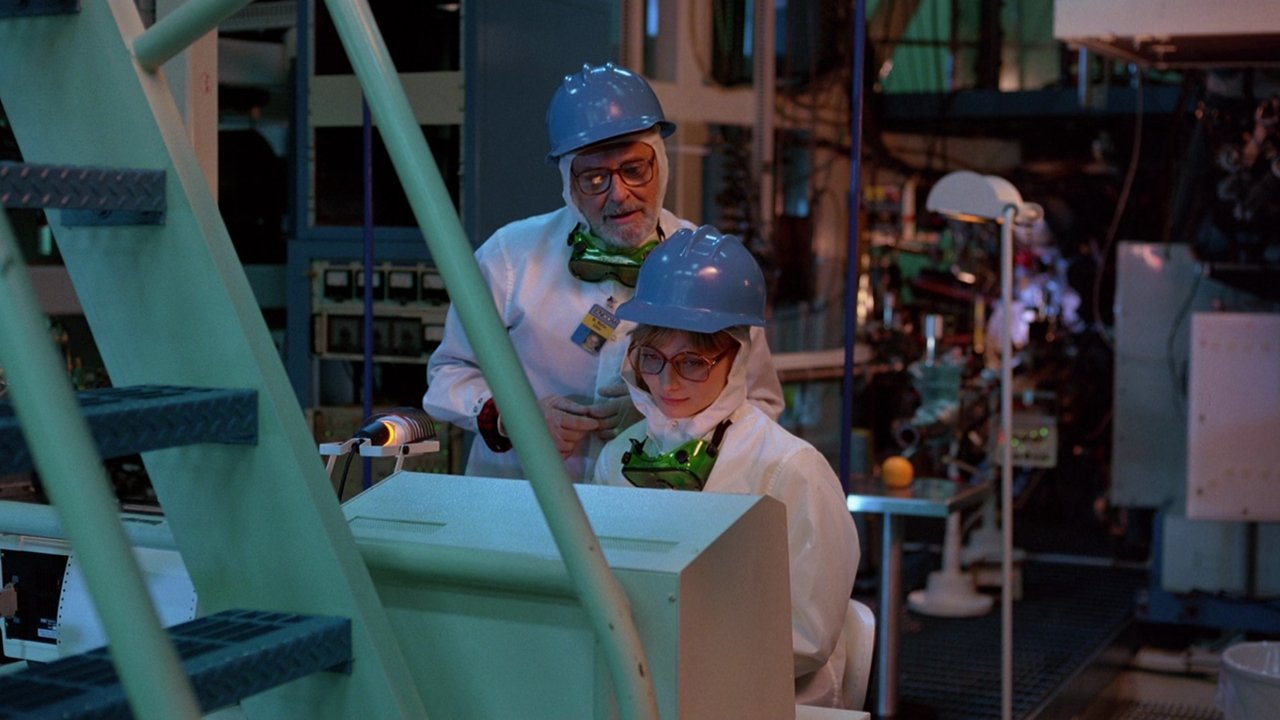
Anchoring this visual spectacle are the human (and programmatic) performances. A young Jeff Bridges, brimming with the laid-back charisma that would define his career (years before The Big Lebowski made him The Dude), is perfect as the slightly rebellious, quick-thinking Flynn. He brings a necessary human warmth to the cold digital landscape. Bruce Boxleitner, pulling double duty as the earnest Alan and the heroic program Tron, embodies the film's spirit of digital resistance. And David Warner, already a genre favorite from films like Time Bandits (1981), delivers a masterclass in contained menace as both the corporate shark Dillinger and the ruthless program Sark. His voice work as the MCP is genuinely unsettling, a perfect counterpoint to the film's visual wonders. Cindy Morgan also provides a vital presence as Yori, adding a touch of romance and resilience.
### Retro Fun Facts: Inside the Mainframe
- Tron's initial budget was a hefty $17 million – a significant gamble for Disney at the time, especially on such an experimental project. While it pulled in around $33 million domestically, it wasn't the blockbuster smash the studio hoped for initially, only truly finding its audience and appreciation on home video and through repeated TV airings. That VHS tape definitely got worn out in a few households I knew!
- The soundscape is just as unique as the visuals, thanks to composer Wendy Carlos (A Clockwork Orange, The Shining). Her pioneering electronic score, mixed with orchestral elements, perfectly complements the film's futuristic, sometimes eerie atmosphere.
- Shooting the live-action components was reportedly complex. The actors wore stark white costumes overlaid with black circuitry patterns, which were then used in the intricate post-production process. Imagine trying to hit your marks on a completely black set!
- The iconic light cycle sequence? It was one of the first major showcases for the CGI created by MAGI, and it remains arguably the film's most enduring image. Who didn't want to race one of those after seeing the movie?
- The film's success spawned a legendary arcade game, which, for many kids of the era, was just as iconic as the movie itself.
### Legacy of the Grid
Despite its initially lukewarm reception, Tron's influence grew exponentially over the years. It became a cornerstone of cyberpunk aesthetics and a touchstone for filmmakers exploring virtual reality and digital worlds. Its visual language echoed through music videos, commercials, and countless other sci-fi endeavors. It may not have the most complex narrative by today's standards, and some of the dialogue feels distinctly early-80s, but its sheer audacity and visual innovation remain undeniable. It paved the way for the CGI revolution, even if it didn't immediately reap the box office rewards. The eventual arrival of Tron: Legacy (2010) and the animated series Tron: Uprising (2012-2013) cemented its status as a cult phenomenon with a surprisingly long tail. Watching it now evokes a powerful wave of nostalgia – not just for the film itself, but for a time when the digital frontier felt vast, mysterious, and full of dazzling, dangerous possibility.
Rating: 8/10
Tron earns this score for its revolutionary visual style, iconic design work, and sheer, unadulterated ambition. While the plot is straightforward and some elements feel dated, its historical significance in pioneering digital effects and establishing a unique cinematic world is immense. It’s a visual feast that captured the imagination like few films before it, overcoming narrative simplicity with groundbreaking spectacle and enduring cult appeal.