The bleached white dog skull impaled on a spike – that’s the first offering, the grim standard raised against a relentlessly hostile sky. It’s the emblem of the Juggers, and the first stark image that burns itself onto your brain when you dredge up memories of The Blood of Heroes (released in some territories, including the US, under the slightly less evocative title The Salute of the Jugger). This isn't the gleaming chrome future of Blade Runner or the high-tech anxieties of Terminator. This 1989 vision of tomorrow is caked in ochre dust, sweat, and the metallic tang of desperation. It feels less like science fiction and more like a medieval tournament somehow transposed onto the ruins of our world.

Dust, Bone, and Broken Dreams
Forget laser guns and flying cars. The central spectacle here is "The Game," a brutal, primal sport played with a dog skull, a spiked mace (the 'Qwik'), and enough blunt force trauma to make rugby look like lawn bowls. Teams of Juggers roam the barren landscape, challenging local villages for food, supplies, and the fleeting glory of victory. Writer-director David Webb Peoples, who gifted us the rain-slicked poetry of Blade Runner's (1982) script and would later direct Clint Eastwood in the Oscar-winning Unforgiven (1992), crafts a world here that feels viscerally real in its harshness. There’s no gloss, just the unforgiving glare of the Australian sun beating down on the Coober Pedy locations, a place already known for its otherworldly, subterranean landscape which perfectly doubles for a post-apocalyptic society scraping by underground. The production reportedly battled intense heat, adding another layer of authenticity to the performers' exhausted, gritty appearances.
The Last Action Hero and His Ambitious Protege
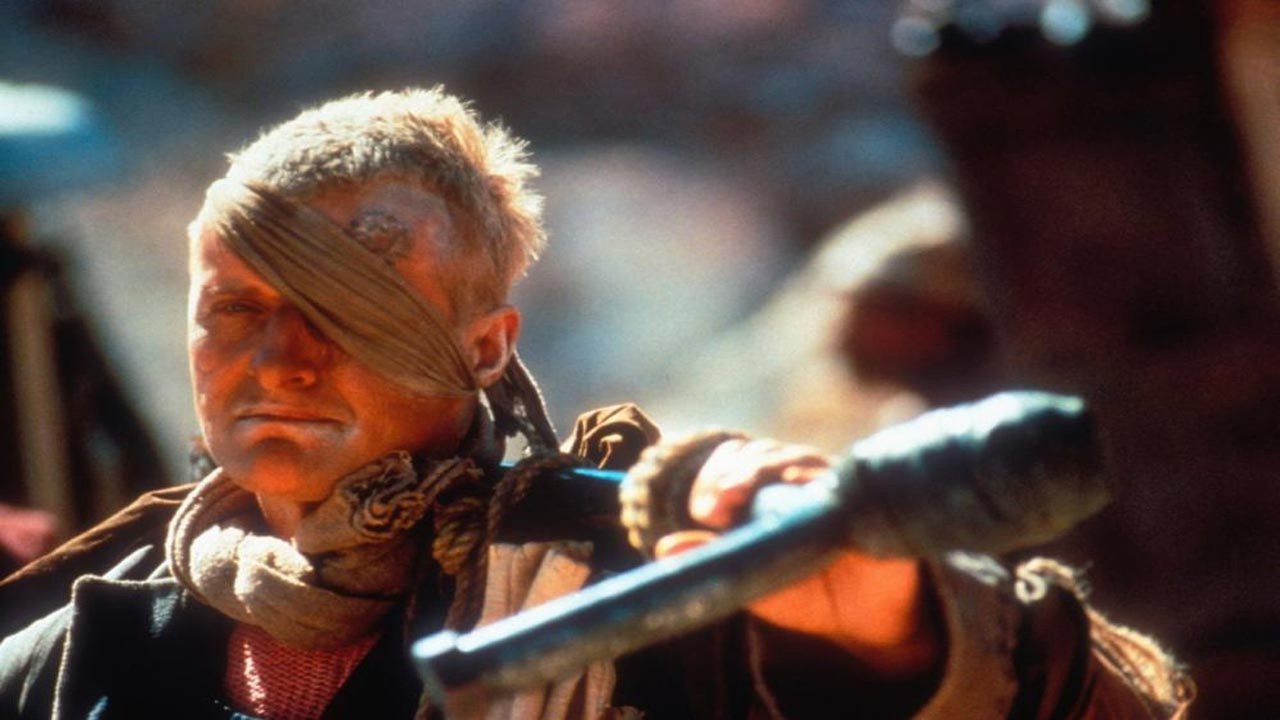
At the heart of this desolate world tour is Sallow, played with weary gravitas by the late, great Rutger Hauer. Fresh off iconic roles like Roy Batty, Hauer embodies the aging warrior, a former star Jugger exiled from the elite League cities, now leading a ragtag team through the wastelands. He’s seen it all, carries the weight of past failures, but still possesses that glint of ferocious competence. Hauer’s physical commitment was apparently total; rumour has it he suffered a broken rib during the intense filming of the game sequences, a testament to the raw physicality Peoples demanded.
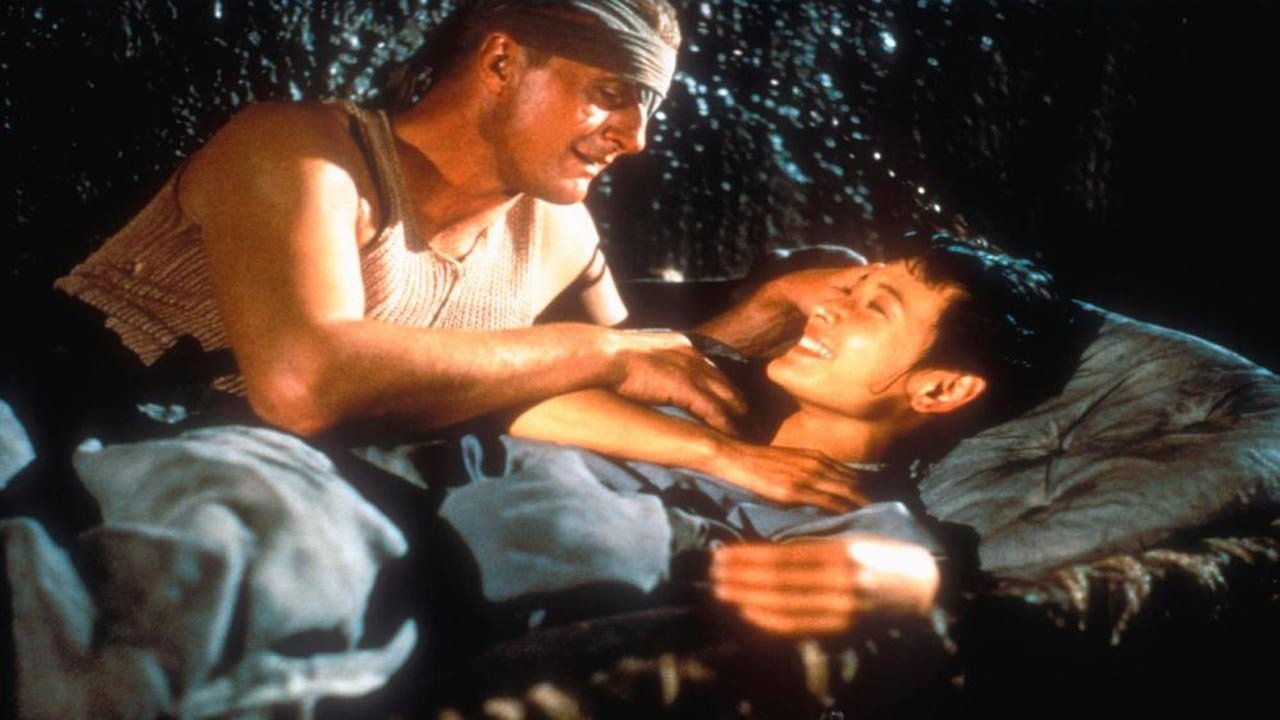
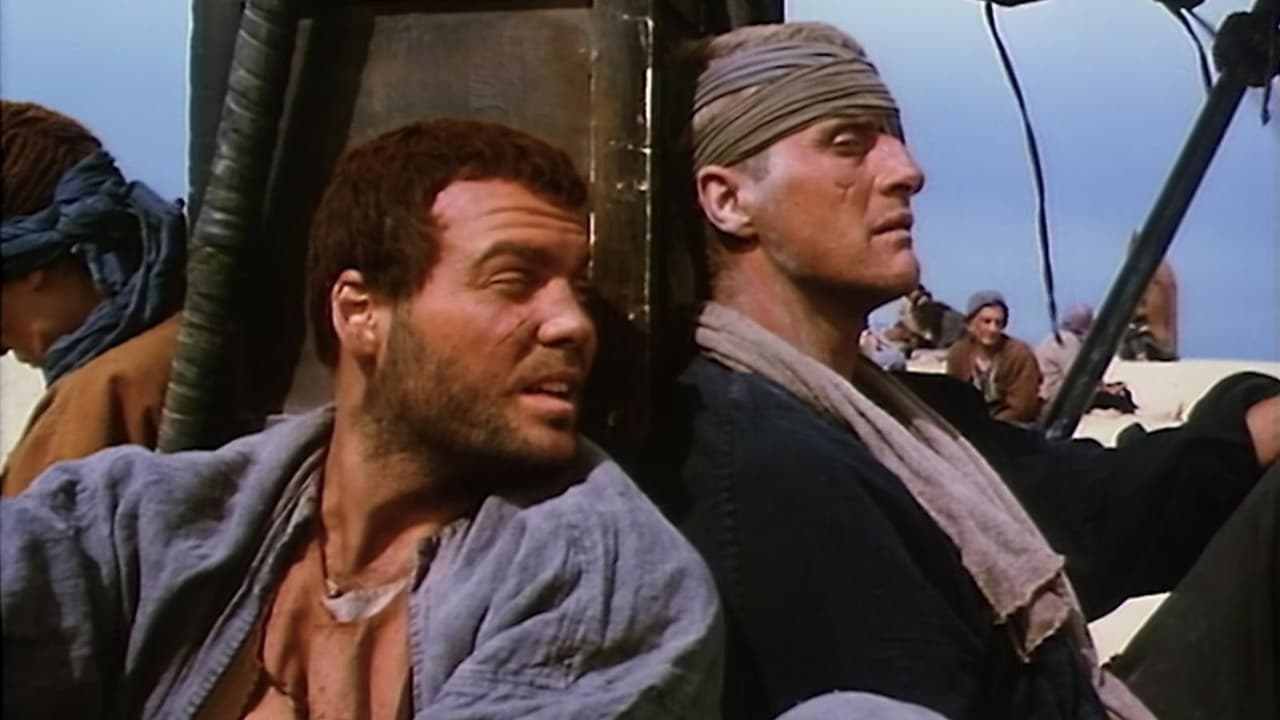
His team includes the ambitious Kidda, portrayed by Joan Chen (Twin Peaks). Her journey from naive village girl dreaming of glory to hardened Jugger provides the film's emotional core. She sees The Game not just as survival, but as a path to something more – a chance to reach the fabled League cities where Juggers are treated like royalty. Watching her transformation, the hardening of her gaze as she learns the brutal calculus of the sport, is compelling. And then there's Young Gar, played with simmering intensity by a pre-Full Metal Jacket (1987) fame Vincent D'Onofrio. He’s the powerhouse, the brute force, but even he yearns for the recognition only the League can offer. The dynamic between these three – mentor, aspirant, and powerhouse – forms the battered, bleeding heart of the narrative.
More Than Just a Game
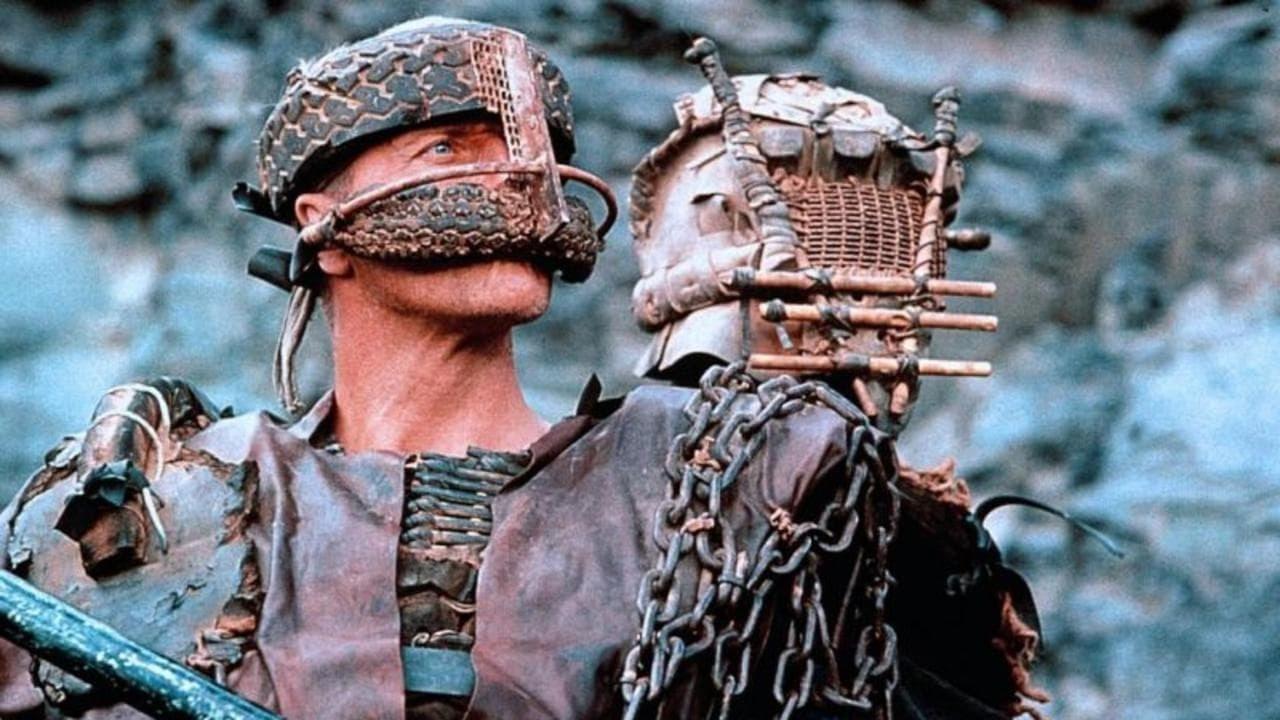
What elevates The Blood of Heroes beyond a simple post-apocalyptic sports flick is its grounding in character and its surprisingly resonant themes. It’s about the pursuit of excellence even when the world has crumbled, the desperate need for purpose and recognition in a society stripped bare. The Game itself, while fictional, feels ancient and ritualistic. Peoples reportedly invented Jugging specifically for the film, aiming for something primal and demanding. Its raw, low-tech nature – relying on speed, brutality, and strategy – feels perfectly suited to the broken world it inhabits. It's a far cry from the slick, effects-driven spectacles that would dominate the following decade. This film feels practical, tactile, dangerous. You can almost smell the dust and taste the blood. Interestingly, the sport of Jugger has transcended the screen, inspiring real-life leagues across the globe – a peculiar legacy for a film that sadly underperformed at the box office upon release, barely recouping its estimated $10 million budget.
Versions and Visions
It’s worth noting for the dedicated VHS hunter that different cuts exist. The original Australian version, The Blood of Heroes, runs longer and features a slightly bleaker, more ambiguous ending that arguably fits the overall tone better than the slightly softened conclusion of the US Salute of the Jugger version. Finding the original cut feels like uncovering the truer, harsher vision Peoples intended, unfiltered by studio notes aiming for broader appeal. Whichever version you track down, the core strengths remain: the potent atmosphere, Hauer's commanding presence, and the unique, unforgettable brutality of The Game. Does the pacing occasionally drag between matches? Perhaps. Is the world-building sometimes sparse? Sure. But the visceral impact is undeniable.
Rating: 8/10
This score reflects the film's powerful atmosphere, Rutger Hauer's definitive performance as the weary warrior, the originality of its central concept (Jugging), and its enduring cult status. The harsh realism achieved through practical effects and challenging location shooting in the Australian Outback is a major plus, feeling authentic to the era and the story. While its bleakness and relatively simple plot might not appeal to everyone, and it didn't achieve mainstream success, its focused vision and raw execution earn it high marks. Points are deducted slightly for occasional pacing lulls and the existence of a slightly compromised US cut, but the core experience remains incredibly strong.
The Blood of Heroes stands as a unique, gritty outlier in the landscape of 80s sci-fi and action. It’s a sweat-soaked, bone-crunching ode to survival and ambition in the dust, a film that reminds you sometimes the most compelling futures are the ones built not from chrome, but from salvaged scrap and sheer human will. It remains a potent shot of desolate beauty and brutal sport, a true gem for any serious retro collection.