### That Roar, That Heat: Stepping Back Into the Inferno of Backdraft
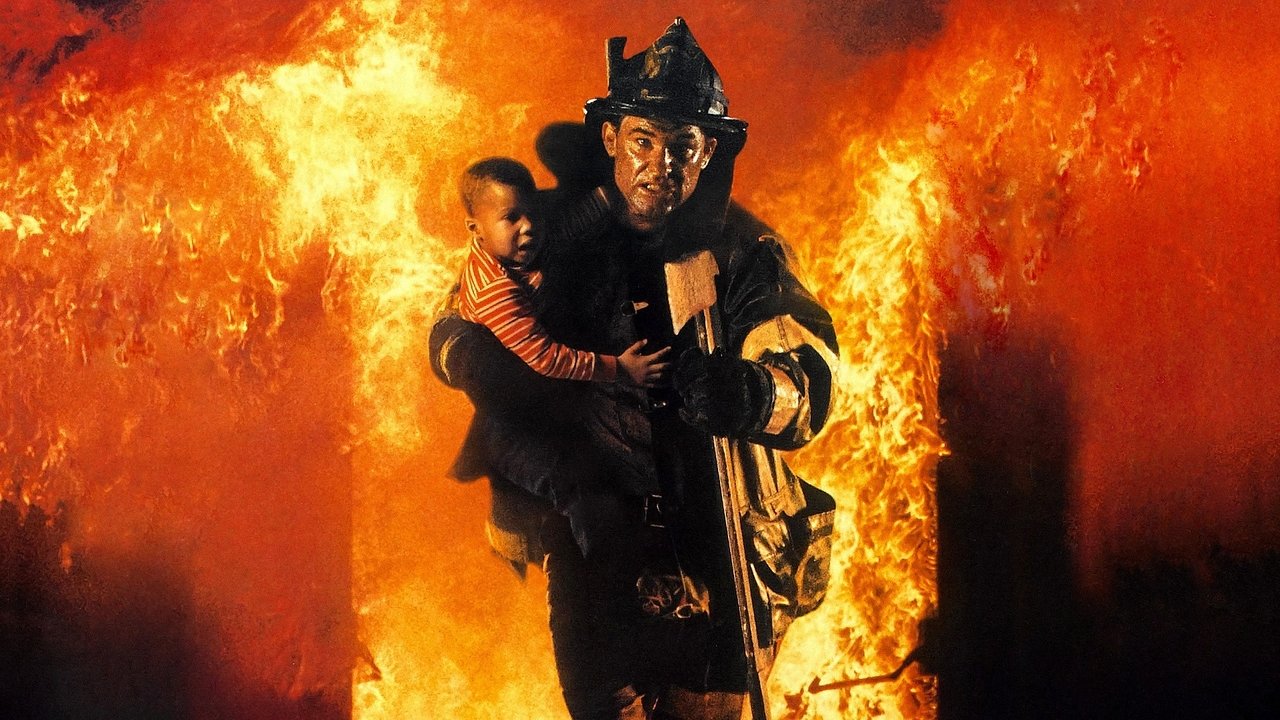
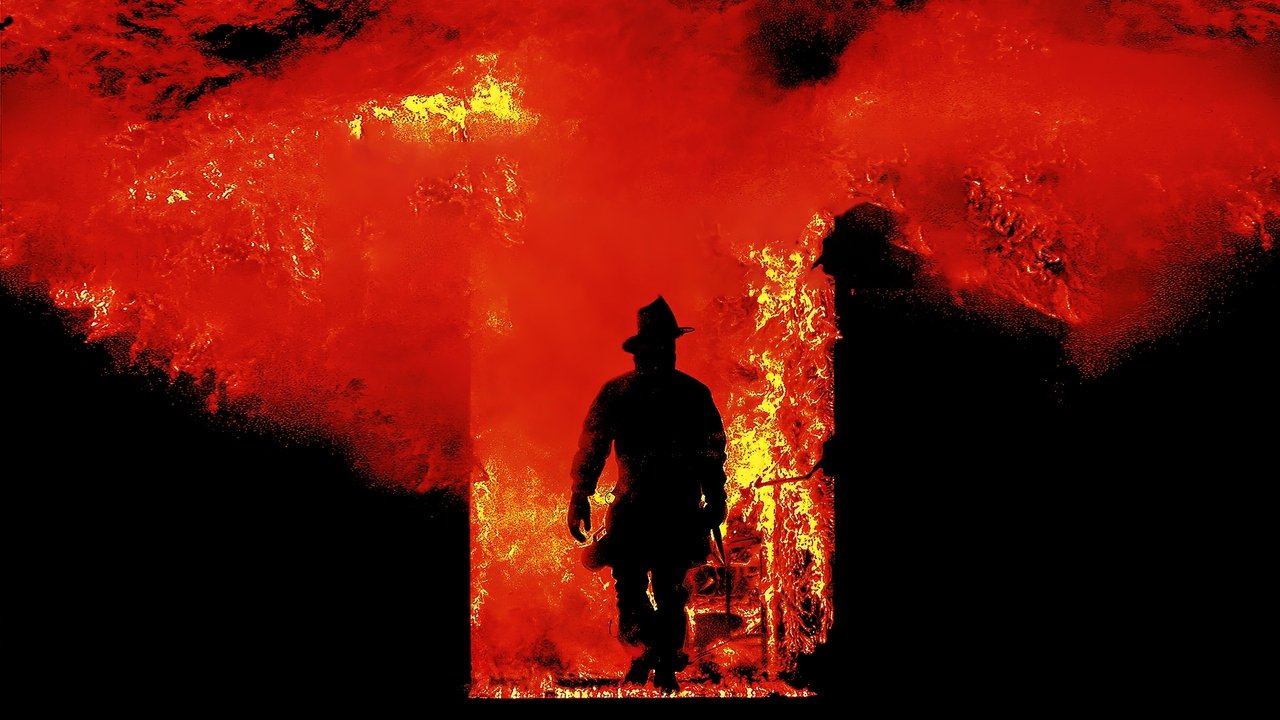
There are certain sounds from films of the VHS era that lodge themselves deep in your memory, aren't there? For me, one of the most potent is the terrifying, living whoosh of the fire in Ron Howard's 1991 blockbuster, Backdraft. It wasn't just noise; it felt like a presence, a malevolent character rendered with terrifying authenticity on screen. Watching it again recently, decades removed from seeing that worn rental tape whirring in the VCR, the sheer visceral impact remains undimmed. This wasn't just another action movie; it was an attempt to capture something elemental, dangerous, and deeply human – the perilous dance between firefighters and the inferno.
Forged in Flame
Set against the backdrop of Chicago, Backdraft plunges us into the intense world of Engine Company 17 and the lives of the McCaffrey brothers. Stephen "Bull" McCaffrey (Kurt Russell) is the seasoned, almost mythically brave veteran, pushing limits and seemingly embracing the danger. His younger brother, Brian (William Baldwin), lives perpetually in Bull's shadow, haunted by witnessing their firefighter father's death years earlier. Brian returns to the fold, joining the firehouse after a string of failed careers, setting the stage for a clash of egos, unresolved trauma, and sibling rivalry played out amidst towering blazes.
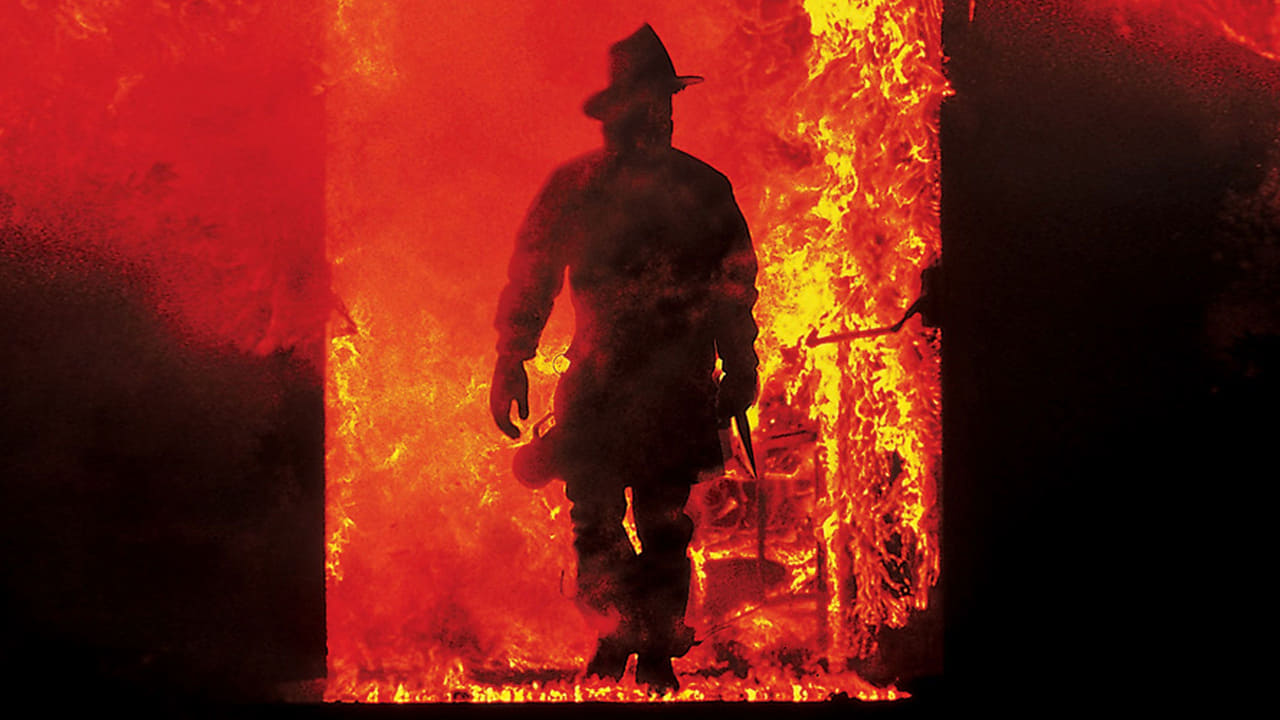
What immediately set Backdraft apart, and what still commands respect, is its commitment to practical effects. In an era before CGI rendered anything possible (and often, less tangible), Howard and his team, including legendary stunt coordinator Walter Scott, wrestled with real fire. Screenwriter Gregory Widen, drawing from his own three years as a firefighter, infused the script with a sense of procedural detail and an understanding of fire's terrifying behavior. You feel the heat, the smoke, the concussive force of explosions. Real Chicago firefighters served as extras and advisors, lending an air of authenticity that pixels rarely replicate. They filmed complex sequences involving propane gas lines rigged through sets, carefully controlled but undeniably dangerous, capturing harrowing moments like the titular backdraft phenomenon – that sudden, violent ignition of superheated gases. It was a massive undertaking, reportedly costing around $75 million (a hefty sum then, roughly $170 million today), but the investment paid off, resulting in sequences that still look breathtakingly real because, well, they largely were.
The Human Element Amidst the Embers
While the spectacle is undeniable, the film's heart lies in its characters, particularly the fraught relationship between the McCaffrey brothers. Kurt Russell, already a genre veteran from films like Escape from New York (1981) and Big Trouble in Little China (1986), embodies Bull's reckless courage and simmering frustrations perfectly. He carries the weight of responsibility and unspoken grief, masking it with a hardened exterior. William Baldwin, in one of his most prominent roles, effectively portrays Brian's vulnerability and his desperate need to prove himself, both to his brother and to himself. Their confrontations crackle with genuine animosity and underlying affection, the kind of complex bond only siblings truly understand. Does their dynamic sometimes veer into melodrama? Perhaps, but the core emotional truth resonates.
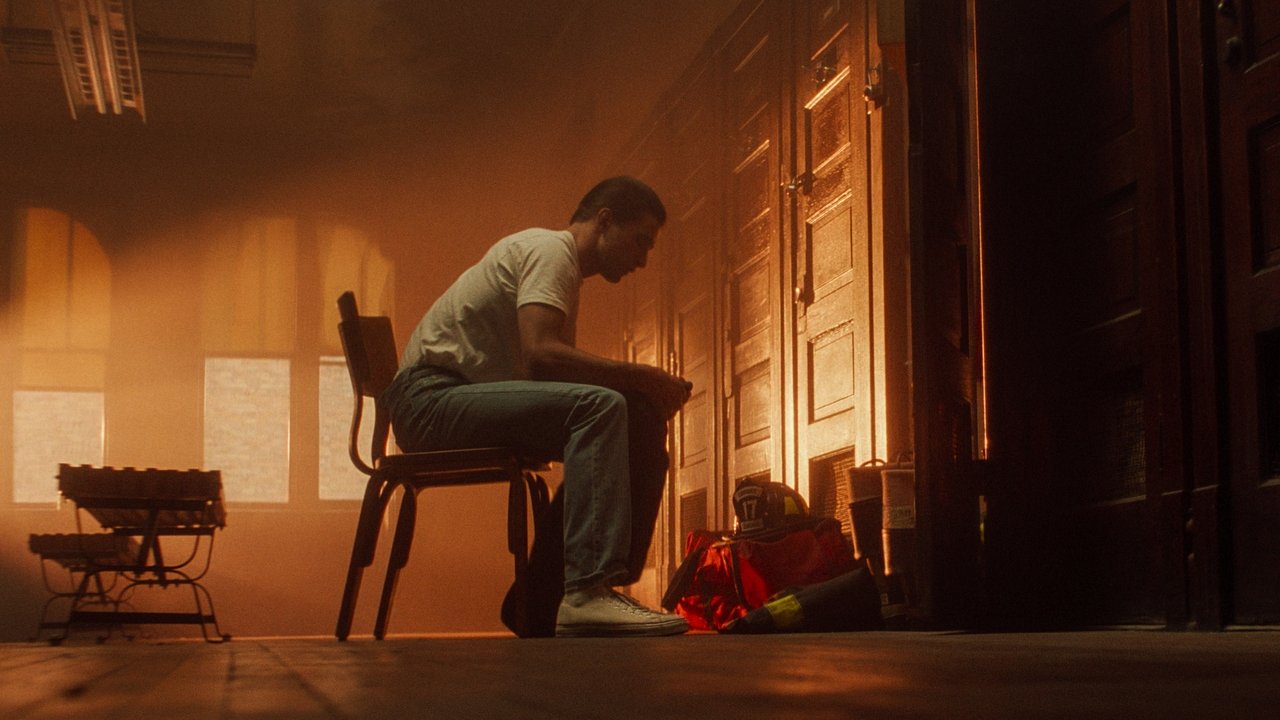
Surrounding them is a stellar supporting cast. Robert De Niro, bringing his trademark intensity, plays Donald "Shadow" Rimgale, a dedicated arson investigator tasked with unraveling a series of suspicious fires targeting specific individuals. Rimgale's methodical approach provides a fascinating counterpoint to the firefighters' immediate, visceral reactions to the blazes. His scenes, often quiet and analytical, add a crucial layer of intrigue. Scott Glenn as John "Axe" Adcox, another veteran firefighter grappling with his own demons, adds grizzled gravitas, while Jennifer Jason Leigh and Rebecca De Mornay navigate somewhat underwritten but still impactful roles as women connected to the brothers' turbulent lives. And who could forget Donald Sutherland's unsettling cameo as the imprisoned arsonist Ronald Bartel, delivering chilling insights into the pyromaniac mind?
More Than Just Smoke and Mirrors
Beyond the fire and the family drama, Backdraft captures a specific kind of blue-collar heroism. It delves into the camaraderie, the gallows humor, and the immense psychological toll of the job. Widen's script, while occasionally relying on familiar tropes, successfully weaves the arson mystery into the fabric of the firefighters' lives, raising questions about betrayal and the darkness that can exist even within a brotherhood. Interestingly, the initial drafts reportedly focused even more heavily on the procedural aspect of arson investigation before evolving to give more weight to the brotherly conflict.
The film’s technical prowess extends beyond the stunts. The cinematography often places the audience right alongside the firefighters, conveying the claustrophobia and chaos within burning buildings. And then there's Hans Zimmer's score. It's impossible to discuss Backdraft without acknowledging Zimmer's contribution. The soaring, heroic themes became instantly iconic, perfectly capturing the blend of danger, courage, and sacrifice. It’s a score that elevates the material, becoming as synonymous with the film as the images of flame themselves. Its power even led to the creation of a long-running attraction, Backdraft, at Universal Studios Hollywood, testament to the film's spectacle and popular impact.
Lasting Embers
Does Backdraft feel like a product of its time? Absolutely. The dialogue occasionally dips into earnestness, and the pacing reflects a pre-digital era sensibility. Yet, its strengths remain formidable. The practical effects hold up remarkably well, the central performances carry emotional weight, and the sheer ambition of its undertaking is still impressive. It taps into that early 90s trend of large-scale, star-driven dramas with high-concept hooks, but does so with more craft and heart than many of its contemporaries. Watching it again on a modern screen lacks that specific fuzzy warmth of the worn VHS tape, but the film’s power to thrill and move persists. It explored themes of legacy, trauma, and the complex nature of bravery in a way that felt grounded, even amidst the inferno.
Rating: 8/10
Backdraft earns its 8 primarily for its groundbreaking practical fire effects, which remain stunningly effective, and the committed performances, especially from Kurt Russell and the ensemble cast. The sheer scale, Hans Zimmer's iconic score, and Ron Howard's assured direction in juggling intense action with character drama solidify its place as a standout of the era. While some plot elements and dialogue feel dated, the core emotional conflicts and the visceral portrayal of firefighting retain their power, justifying its enduring popularity among fans of 90s cinema.
It leaves you contemplating the immense courage required to run towards the danger, and the invisible scars carried by those who do. What truly fuels such bravery – duty, adrenaline, or something deeper and more complicated?