What truly binds us together? Is it shared ideology, nationality, circumstance, or something deeper, more mysterious, something that transcends the labels we impose? Neil Jordan’s 1992 masterpiece, The Crying Game, throws this question into sharp relief, wrapping a deeply human story within the taut wires of a political thriller, leaving an imprint far more lasting than its infamous twist might suggest. Watching it again now, decades removed from the initial buzz and spoiler-avoidance tactics that surrounded its release, the film reveals itself not just as a clever narrative puzzle, but as a profoundly moving exploration of empathy and the surprising shapes love can take.
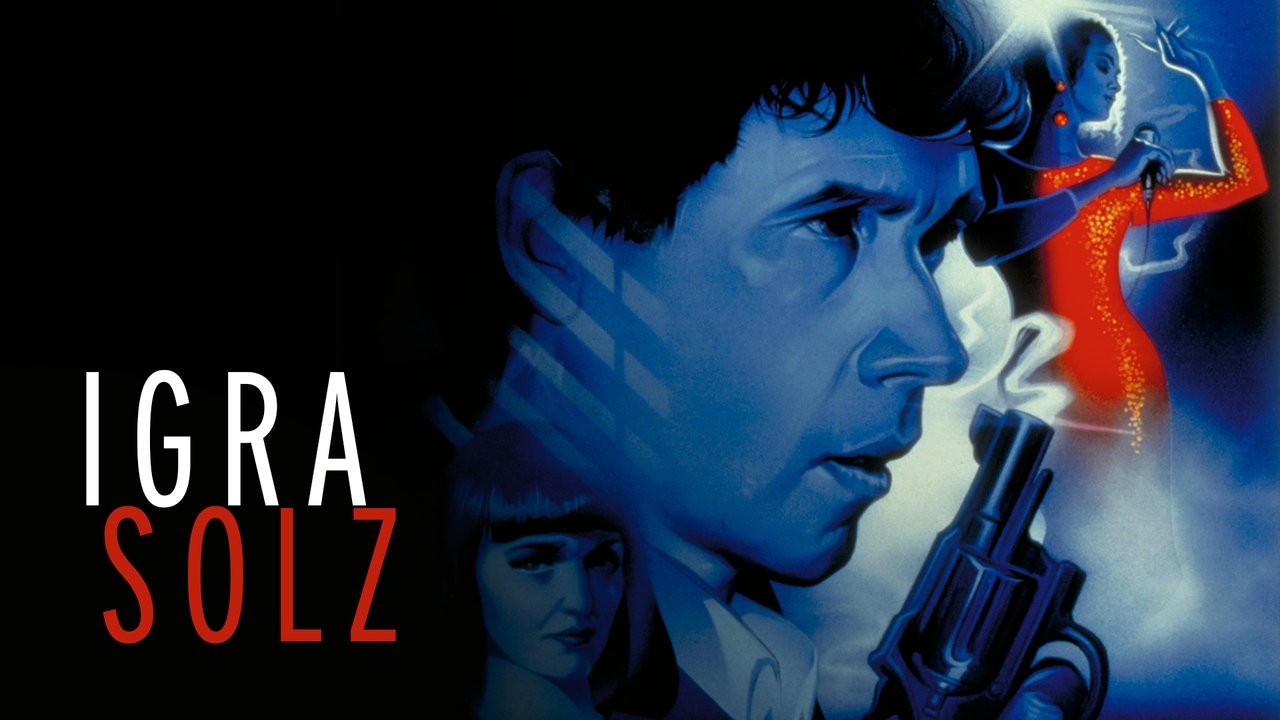
I remember the whispers surrounding this film back when it hit the video store shelves – those distinctive Miramax clamshells held a certain promise of something different, something adult and complex. Word-of-mouth was king then, and The Crying Game generated a palpable sense of intrigue, largely fueled by the studio's remarkably successful plea for critics and audiences alike to preserve its central secret.
An Unlikely Captivity
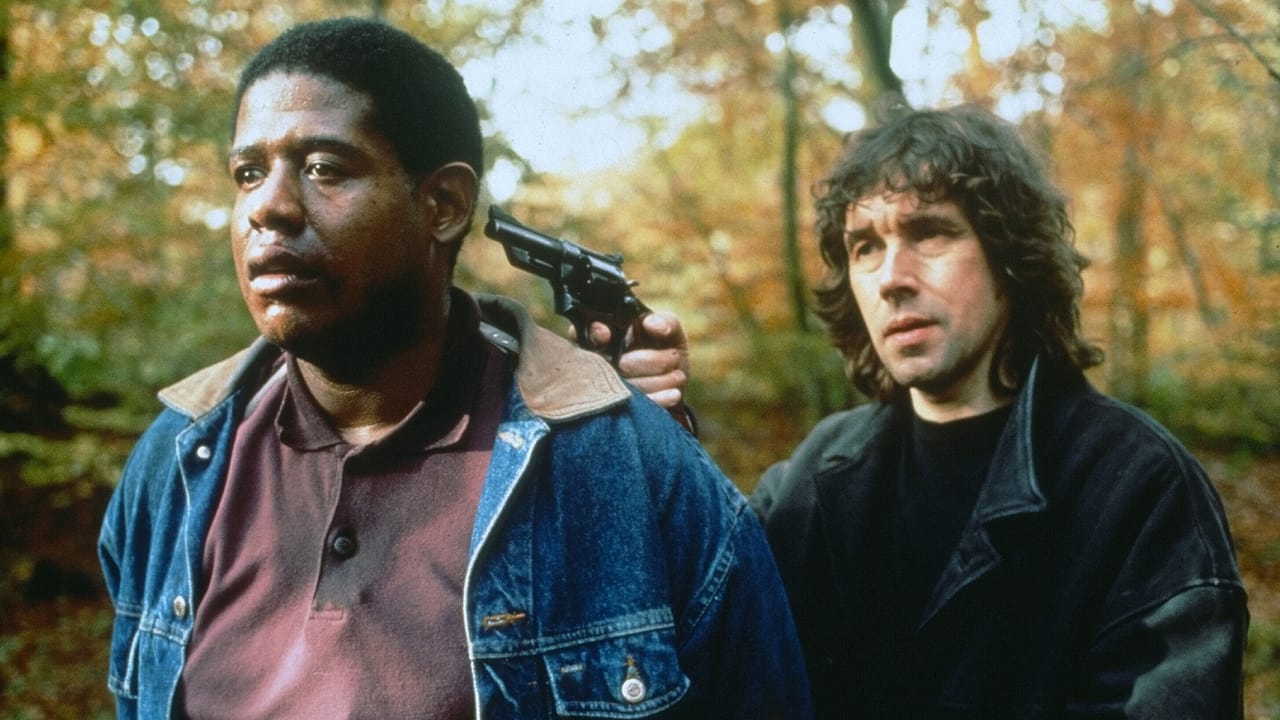
The setup feels familiar, initially. Fergus (Stephen Rea, in a performance of quiet, devastating humanity), an IRA volunteer, is part of a unit that kidnaps Jody (Forest Whitaker), a British soldier stationed in Northern Ireland. Their mission: hold him hostage to exchange for an imprisoned IRA member. But within the confines of a secluded greenhouse, away from the political posturing, a strange and tentative bond forms. Jody, sensing his likely fate, talks incessantly – about cricket, about his life back in London, and most importantly, about his girlfriend, Dil. He shows Fergus a picture, extracting a promise: if things go wrong, Fergus must find her, tell her Jody was thinking of her. Whitaker, despite limited screen time, imbues Jody with such vulnerability and charm that his presence haunts the entire film long after he’s gone. His performance is crucial; we need to believe in the connection he forges with Fergus for the rest of the narrative to hold its weight.
A Promise Kept in Shadow
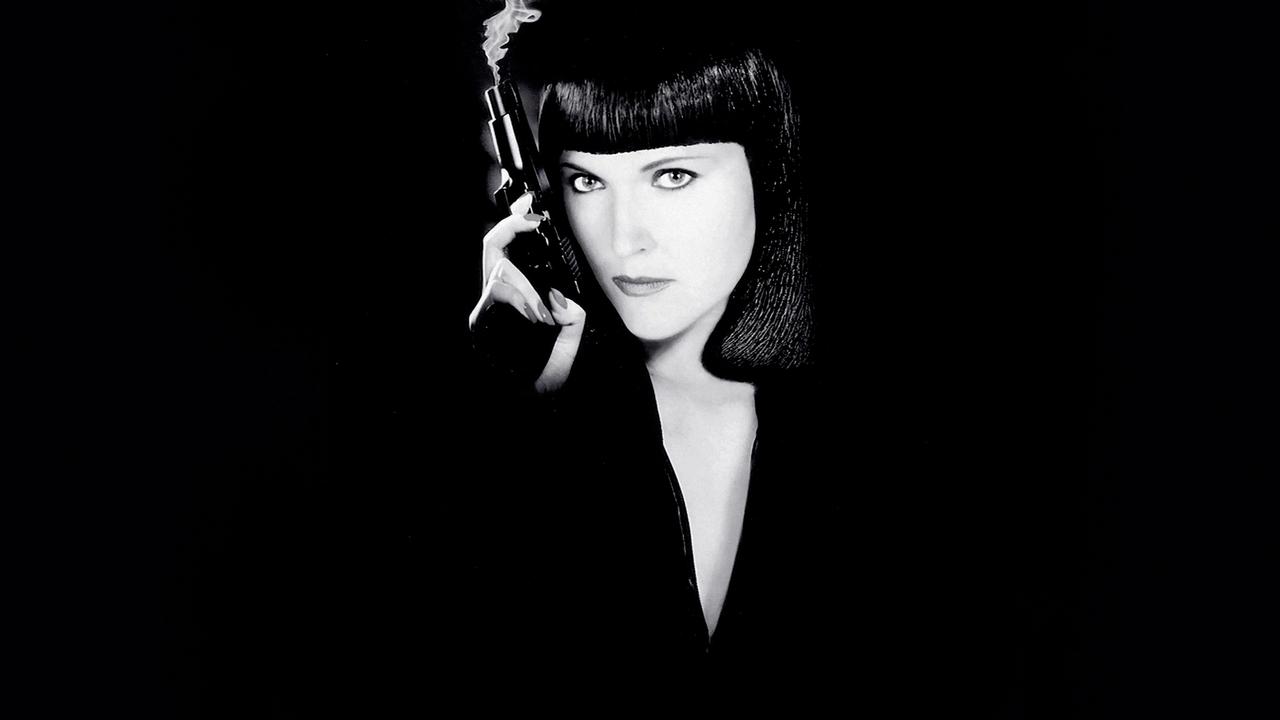
Events inevitably escalate, forcing Fergus to flee to London, adopting a new name and seeking anonymity. Yet, Jody’s request lingers. He seeks out Dil, finding her working as a hairdresser and singing in a smoky bar. What follows is the heart of the film: Fergus, burdened by guilt and drawn by an inexplicable pull, forms a relationship with the captivating, enigmatic Dil, played with astonishing poise and vulnerability by the then-unknown Jaye Davidson. Their burgeoning connection is tender, fraught, and utterly mesmerizing. Jordan, who also penned the Oscar-winning screenplay, masterfully shifts the film’s tone here from a tense thriller to something akin to a melancholy romance noir, steeped in atmosphere and unspoken feelings.
Beyond the Reveal
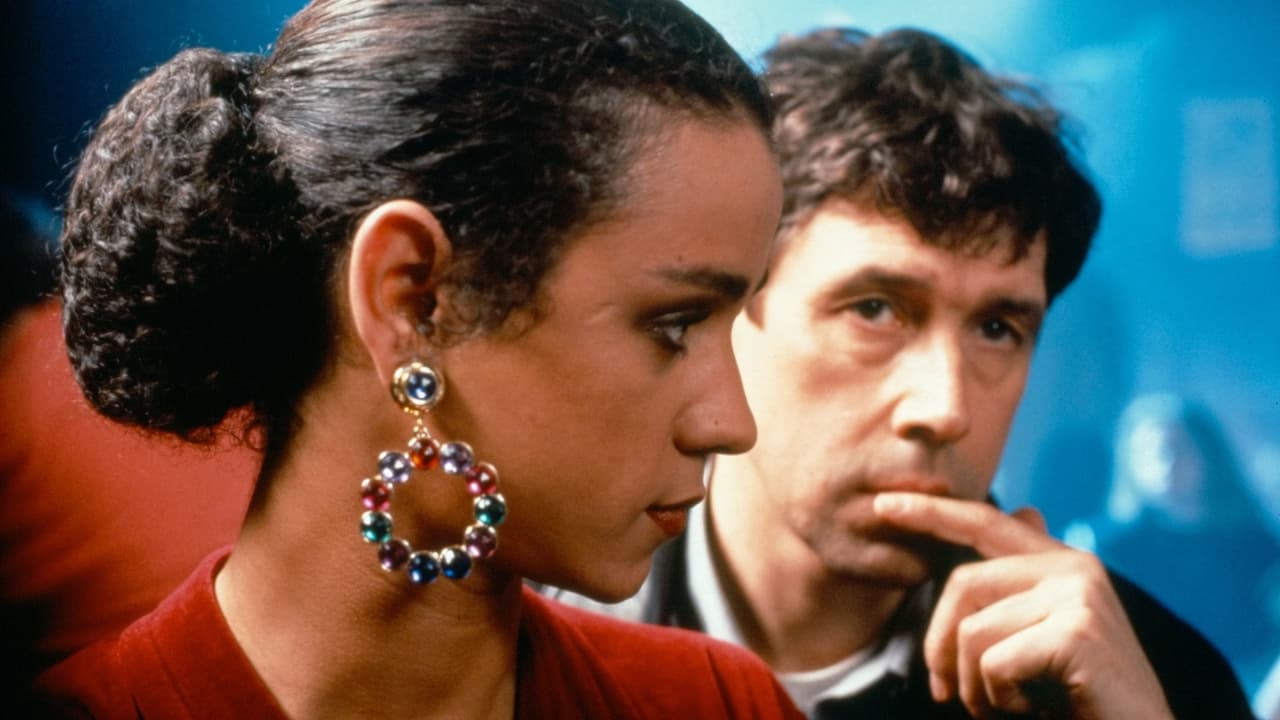
Yes, there is the reveal, a moment that became a cultural touchstone in the early 90s. It's handled with incredible deftness by Jordan, less as a cheap shock and more as a catalyst that forces both Fergus and the audience to confront their own assumptions about identity, attraction, and the nature of love. To discuss it too explicitly, even now, feels like a disservice to the film's careful construction. What matters more is Fergus's reaction, and the subsequent deepening of his commitment to Dil, even as his past violently resurfaces. Rea conveys Fergus’s turmoil – confusion, fear, loyalty, and ultimately, a profound sense of care – with aching authenticity. It's a performance built on subtle glances and weary sighs, far removed from the histrionics lesser actors might employ.
It’s fascinating to remember that Jaye Davidson had virtually no acting experience before being discovered, quite serendipitously, at a wrap party for Derek Jarman's Edward II (1991). Jordan took a risk, and it paid off spectacularly, earning Davidson a Best Supporting Actor nomination. His performance feels utterly natural, possessing a unique magnetism that is essential to making Dil a fully realised, compelling character rather than a plot device.
Wrestling with Identity
The Crying Game was made for a relatively modest $4.3 million, facing initial distribution struggles before becoming a surprise critical and commercial success, eventually grossing over $60 million in the US alone and earning six Academy Award nominations, including Best Picture. Its success speaks to its universal themes resonating despite the specific political context of the Troubles. The film uses the backdrop of conflict not just for plot mechanics, but to explore how external identities (soldier, terrorist, lover, man, woman) often obscure the complex individual underneath. Doesn't this resonate still, this struggle to see the person beyond the label? What are we, really, beneath the roles society assigns or the causes we align with?
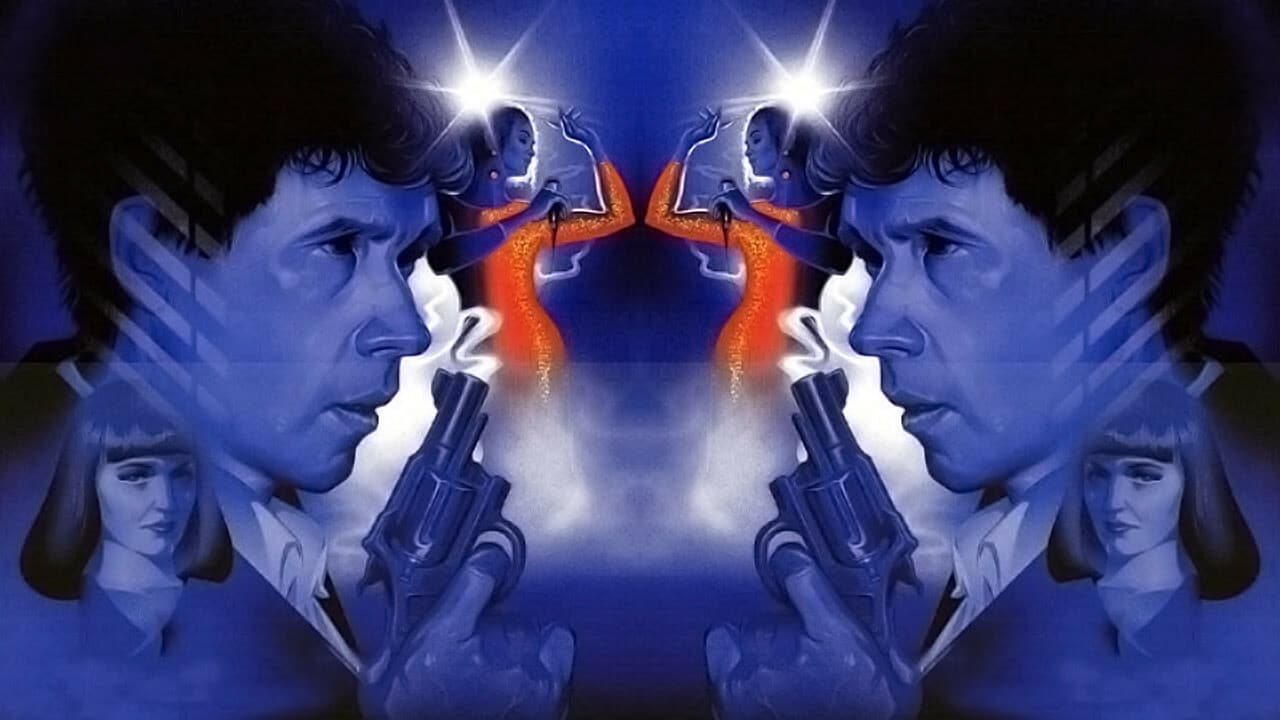
The film asks us to consider loyalty – loyalty to a cause, loyalty to a friend, loyalty to a lover, loyalty to oneself. Fergus's journey is one of shedding old loyalties, forged in violence and ideology, and embracing a new, far more complicated one, born from empathy and genuine human connection. It’s a testament to Jordan’s direction and writing, and the superb cast, that this transformation feels earned and deeply affecting.
Rating: 9/10
This score reflects the film's exceptional writing, the powerhouse performances (especially from Rea and Davidson), its intelligent handling of complex themes, and its enduring emotional impact. It masterfully blends genre elements – thriller, romance, character study – into something wholly unique. While the pacing might feel deliberate to modern audiences accustomed to faster cuts, it allows the atmosphere and character relationships to breathe and develop organically. The Crying Game remains a potent, thought-provoking piece of cinema that challenges perceptions and stays with you long after the haunting title track fades. It’s a reminder that sometimes the most profound connections are found in the most unexpected places, demanding a courage that transcends politics or prejudice.