It arrives like a humid Houston night, thick with unspoken history and the scent of pending rain. Jason's Lyric (1994) wasn’t just another tape on the New Releases wall at Blockbuster; it felt different even then, heavier. It wasn't purely a romance, nor strictly a 'hood' drama, but a collision of both, steeped in a kind of Southern Gothic tragedy that lingered long after the VCR whirred to a stop. There's a weight to this film, a sense of inherited pain that clings to its characters as persistently as the Texas heat.
Ghosts of the Third Ward
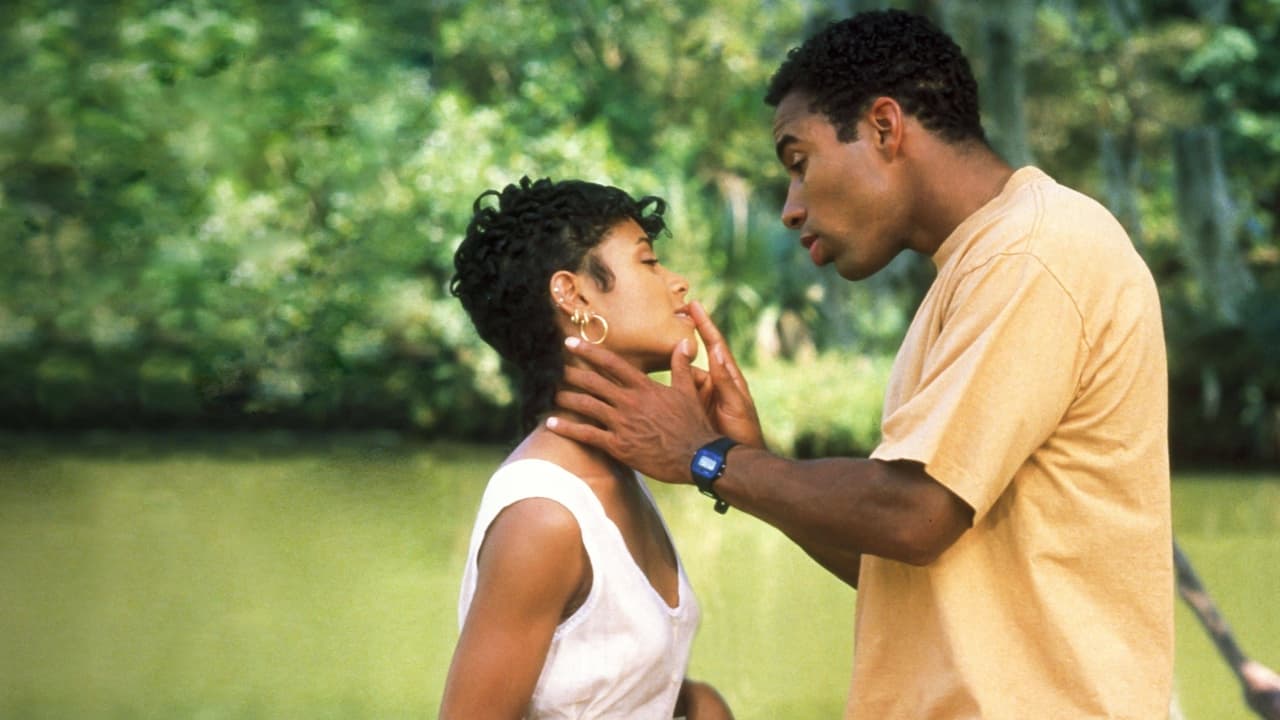
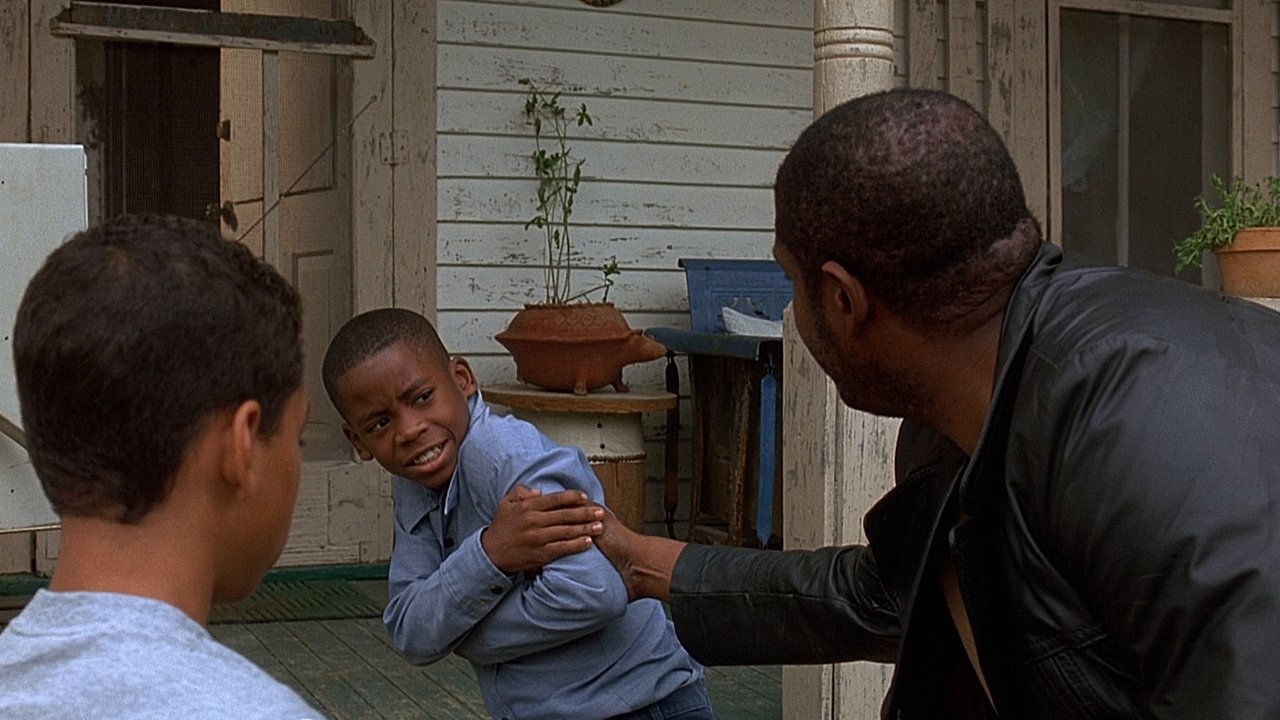
From the outset, director Doug McHenry (who gave us the very different vibes of New Jack City (1991) alongside Mario Van Peebles) establishes a world burdened by the past. We meet Jason Alexander (Allen Payne, carrying a quiet intensity familiar from his role in New Jack City), a young man working an honest job in a TV repair shop, seemingly trying to walk a straight line. But his steps are dogged by memories, specifically the childhood trauma involving his troubled Vietnam vet father, Maddog (Forest Whitaker in a searingly brief but pivotal performance), and the ripple effects on his volatile younger brother, Joshua (Bokeem Woodbine). The film uses flashbacks not just for exposition, but as shards of memory that pierce the present, reminding us – and Jason – that some wounds never truly close. Filming on location in Houston's Third Ward lends an undeniable authenticity; you can almost feel the history embedded in the streets and shotgun houses that form the backdrop to this intensely personal drama.
A Love Poem Against the Odds
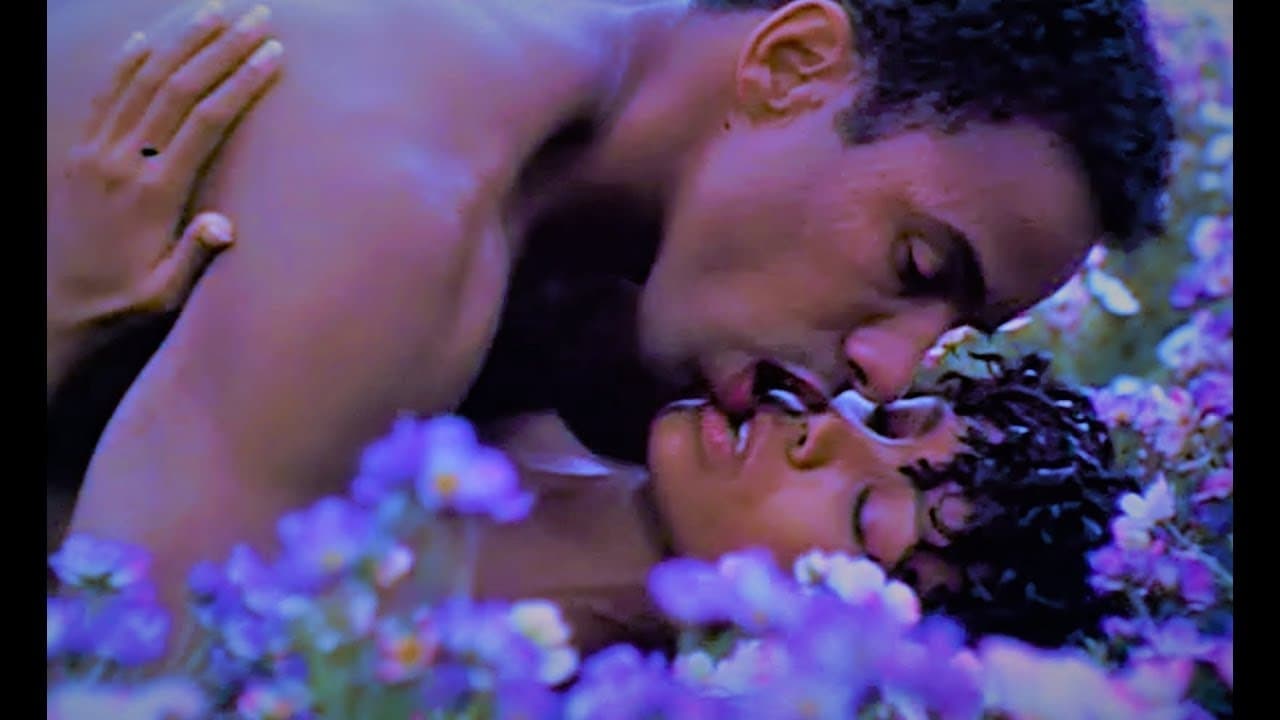
Then Lyric (Jada Pinkett, before Smith, already showcasing the fierce energy seen in Menace II Society (1993)) walks into Jason’s life. She's a force of nature – vibrant, intelligent, dreaming of escape. Their courtship unfolds with a surprising tenderness and lyricism, often feeling like a dream sequence cutting through the surrounding grit. McHenry allows their connection moments of pure, almost ethereal romance – rolling in sun-drenched fields, sharing intimate whispers under sprawling trees. Payne portrays Jason's cautious opening-up beautifully, the gradual thawing of a man afraid to hope. Pinkett gives Lyric a captivating blend of strength and vulnerability. Their chemistry feels genuine, a believable anchor in a story threatening to spiral into darkness. Does their love story sometimes feel like it belongs in a different movie? Perhaps. But isn't that the point? Their connection is the escape, the alternate reality they both desperately crave.
The Brother's Keeper, The Brother's Curse
While the central romance provides the hope, it's the fractured brotherhood between Jason and Joshua that delivers the film's devastating power. Bokeem Woodbine gives a performance that’s nothing short of electrifying. Joshua isn't just a 'bad seed'; he's a raw nerve, vibrating with unprocessed grief, rage, and a desperate need for connection that manifests as destructive loyalty. Woodbine embodies this complex storm of emotions with terrifying conviction – the haunted look in his eyes, the sudden shifts from unnerving calm to explosive violence. It’s a performance that arguably steals the film, burning itself into your memory. He represents the cycle Jason is terrified of repeating, the pull of the past made flesh and blood. It’s fascinating to learn that screenwriter Bobby Smith Jr. drew from personal experiences for the script; that raw authenticity bleeds through, particularly in the volatile dynamics between the brothers. Supporting roles, like Treach (Anthony Criss of Naughty by Nature) as Lyric’s protective brother Alonzo, add further texture to this tightly-knit, often claustrophobic world.
More Than Just a Movie
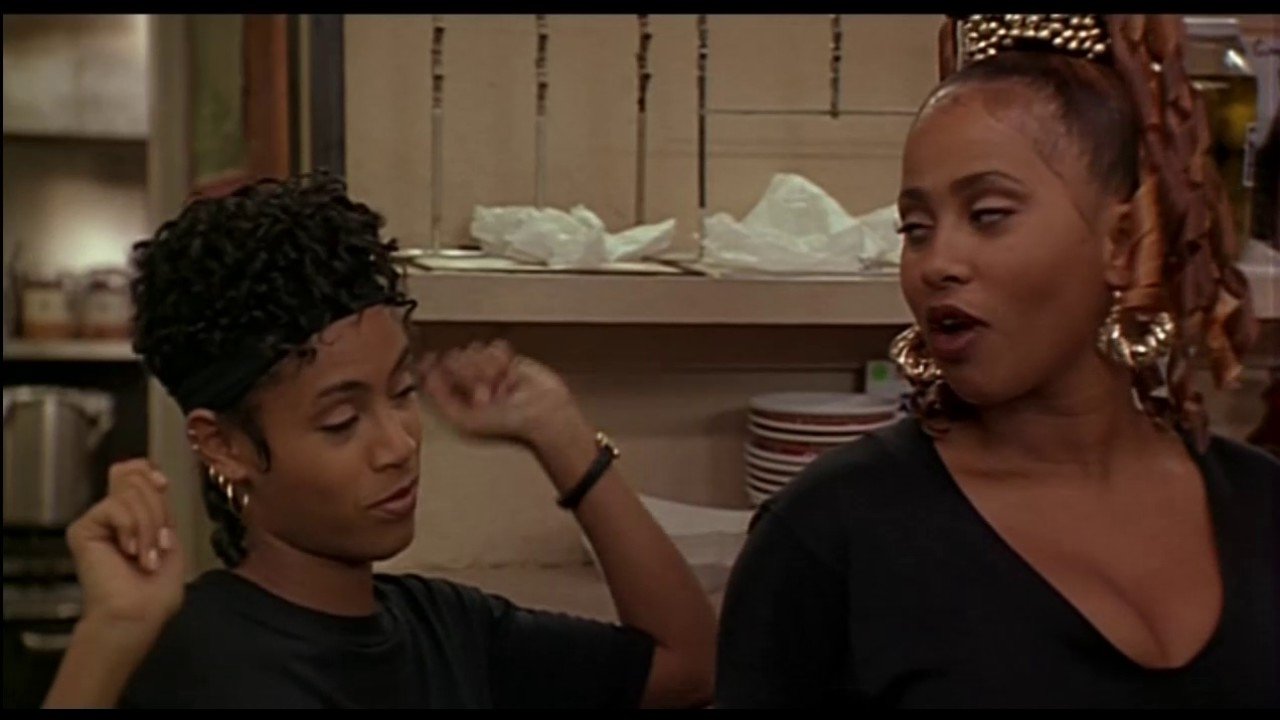
Jason's Lyric arrived at a time when urban dramas were often focused on gangs and systemic issues. While those elements are present here, the film's heart lies in its exploration of internal landscapes – trauma, love, legacy, and the terrifying question of whether we can ever truly outrun our family's ghosts. It dares to be poetic, almost Shakespearean, in its ambitions. The film's $7 million budget yielded a respectable $20.8 million at the box office, but its real impact arguably blossomed in the home video market, becoming a cult favorite on VHS for those seeking something deeper than the usual fare. It wasn't universally acclaimed by critics upon release – some found the blend of romance and brutal tragedy jarring – but its emotional resonance and powerhouse performances, especially Woodbine's, secured its place in the landscape of 90s Black cinema.
Final Reel
Rewatching Jason's Lyric today, the film retains its potent, melancholic atmosphere. The performances feel just as raw, the central conflicts just as wrenching. It’s a film that wrestles with heavy themes – the cyclical nature of violence, the desperate search for salvation through love, the weight of paternal sins. It doesn't offer easy answers, and the ending (Spoiler Alert! though perhaps inevitable given the tragic build-up) is undeniably harrowing, leaving a scar. It’s a challenging watch, certainly, but a rewarding one for its emotional honesty and ambition.
Rating: 8/10
This score reflects the film's undeniable strengths: Bokeem Woodbine's unforgettable, star-making performance, the palpable chemistry between Allen Payne and Jada Pinkett, the evocative Houston atmosphere, and its courageous, if sometimes uneven, attempt to blend intense family tragedy with lyrical romance. It’s a film that aims high emotionally and largely succeeds, leaving a lasting impression that transcends its era.
Jason's Lyric remains a powerful, often painful, but ultimately vital piece of 90s filmmaking – a blues song captured on celluloid, asking if love truly can conquer all, even the ghosts within our own bloodline.