Some VHS tapes practically glowed on the rental shelf, didn't they? Tucked between the action heroes and the slasher villains, certain covers promised something else entirely – a more adult, perhaps even dangerous, kind of thrill. 1993's Body of Evidence was undeniably one of those tapes, radiating the heat of controversy and the megawatt glare of its star, Madonna, fresh off her provocative Sex book and Erotica album blitz. It arrived like a gauntlet thrown down, aiming to capture the zeitgeist ignited by Basic Instinct the year before. But watching it again now, through the rearview mirror of time and countless rentals, a different kind of question emerges: Was the fire real, or just a lot of expensive smoke?
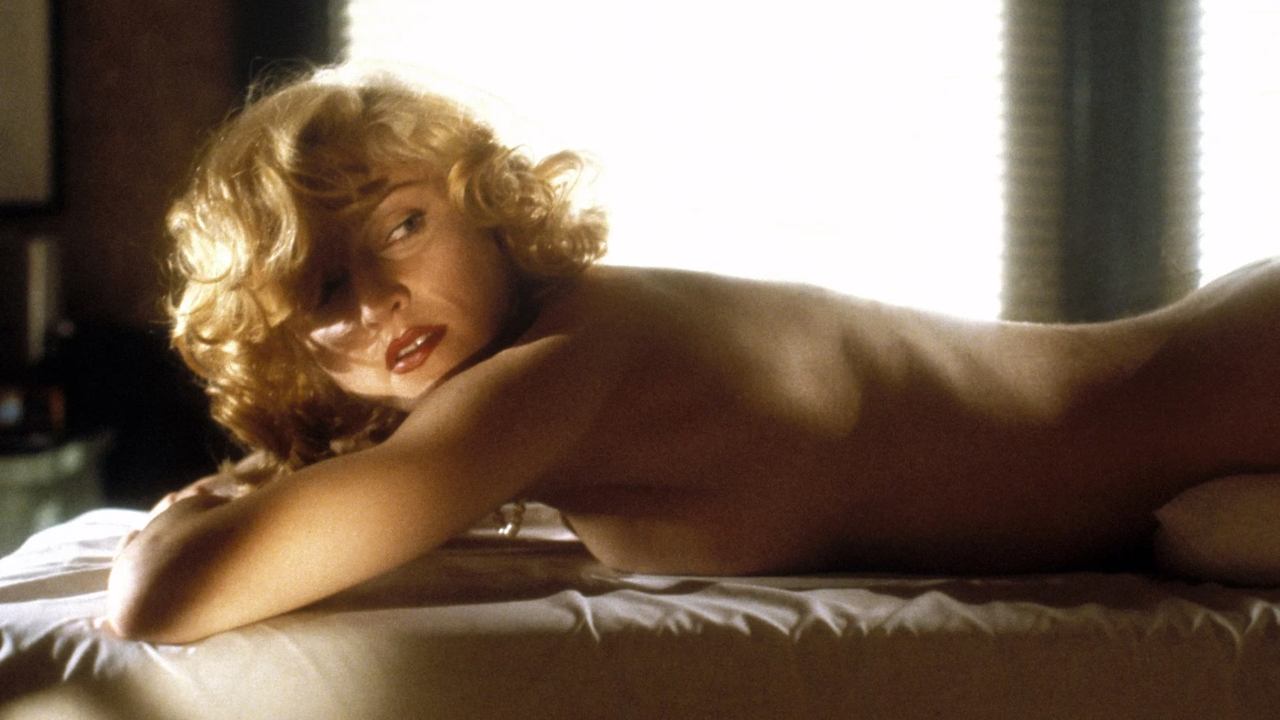
A Calculated Risk, A Notorious Result
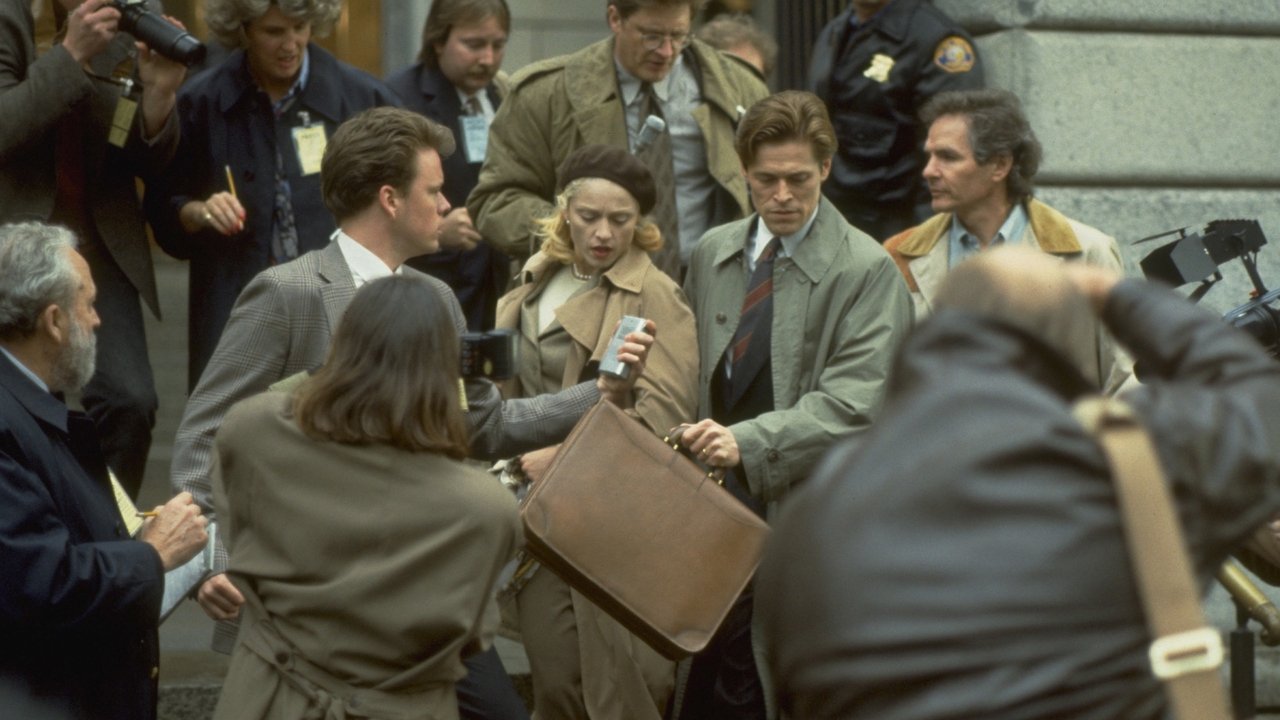
The premise drips with neo-noir potential: Rebecca Carlson (Madonna) is a stunning art gallery owner accused of murdering her wealthy, older lover through, shall we say, vigorous sexual activity involving cocaine and S&M. Enter Frank Dulaney (Willem Dafoe), a cocky but married defense attorney who finds himself falling under Rebecca's calculated spell, blurring the lines between professional duty and personal obsession. Standing opposite him is the determined prosecutor Robert Garrett (Joe Mantegna), convinced of Rebecca's guilt.
The film was clearly intended as a major star vehicle for Madonna, who reportedly pursued the role aggressively after other A-listers like Sharon Stone and Kim Basinger were rumored to have passed. It was a bold move, an attempt to translate her undeniable cultural dominance and boundary-pushing persona into legitimate dramatic acting chops within the lucrative erotic thriller genre. Bringing in respected German director Uli Edel, known for gritty works like Christiane F. (1981) and Last Exit to Brooklyn (1989), seemed like another calculated risk, perhaps aiming for a blend of arthouse sensibility and mainstream sizzle. The ingredients were certainly there for something potent.
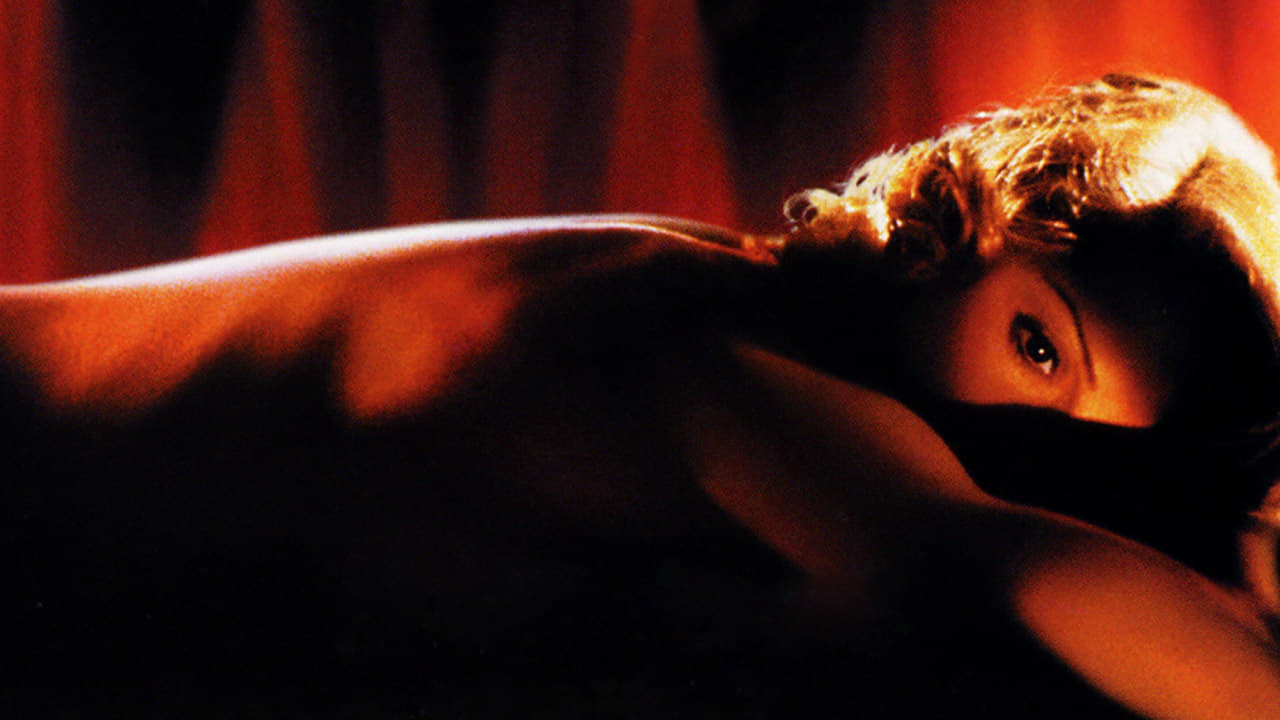
Steam, Smoke, and Candle Wax
Body of Evidence tries incredibly hard to be sultry and shocking. It leans heavily into its premise, aiming for an atmosphere thick with forbidden desire and treacherous manipulation. The infamous scene involving hot candle wax became an instant cultural touchstone, parodied almost immediately and sealing the film's reputation for pushing boundaries – or perhaps, for simply trying too hard. This push famously led to battles with the MPAA; substantial cuts were required to avoid the commercially challenging NC-17 rating and secure an R. One wonders what that original, more explicit cut might have looked like, though it’s debatable whether more graphic content would have fundamentally changed the film's core issues.
Despite the moody Pacific Northwest setting (shot largely in Portland, Oregon), Edel's direction often feels less like generating genuine erotic tension and more like clinically staging provocative tableaus. The film looks expensive – it reportedly cost around $30 million (a hefty sum back then, about $63 million today) – but the heat often feels manufactured, the dialogue frequently lands with a thud, and moments intended to be shocking edge perilously close to unintentional comedy. It’s a film that tells you it’s dangerous and sexy, rather than making you feel it.
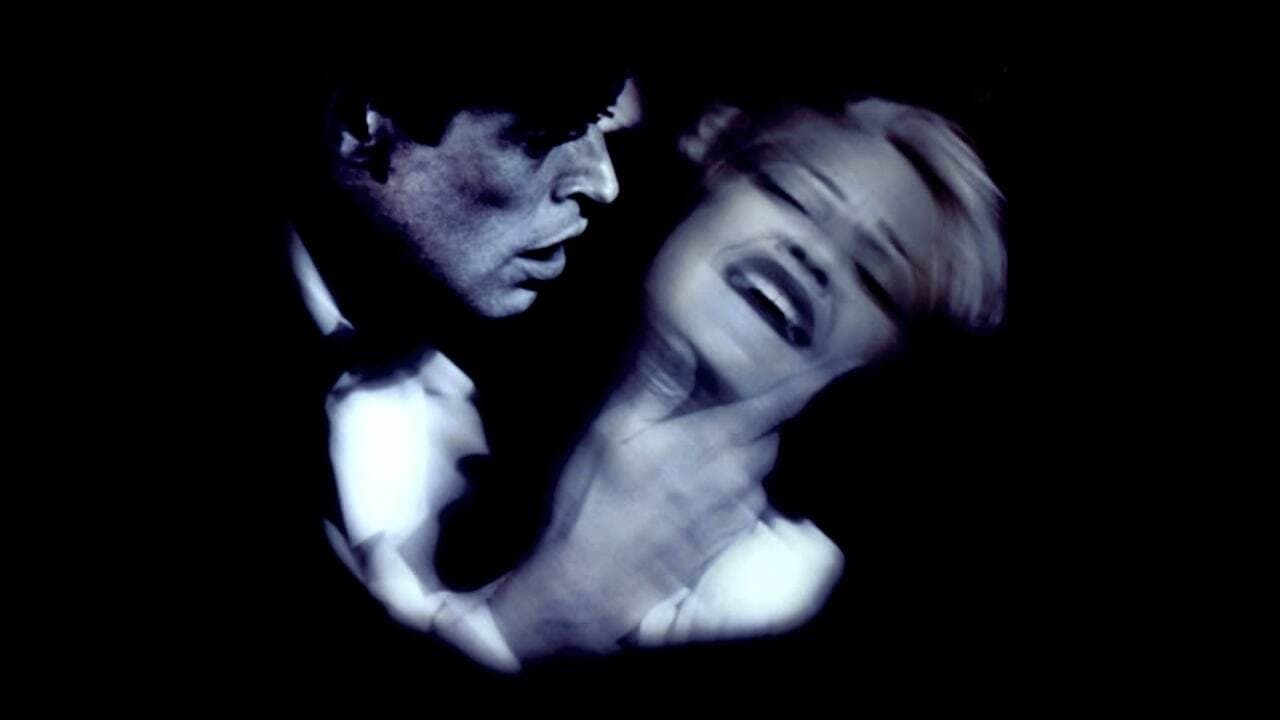
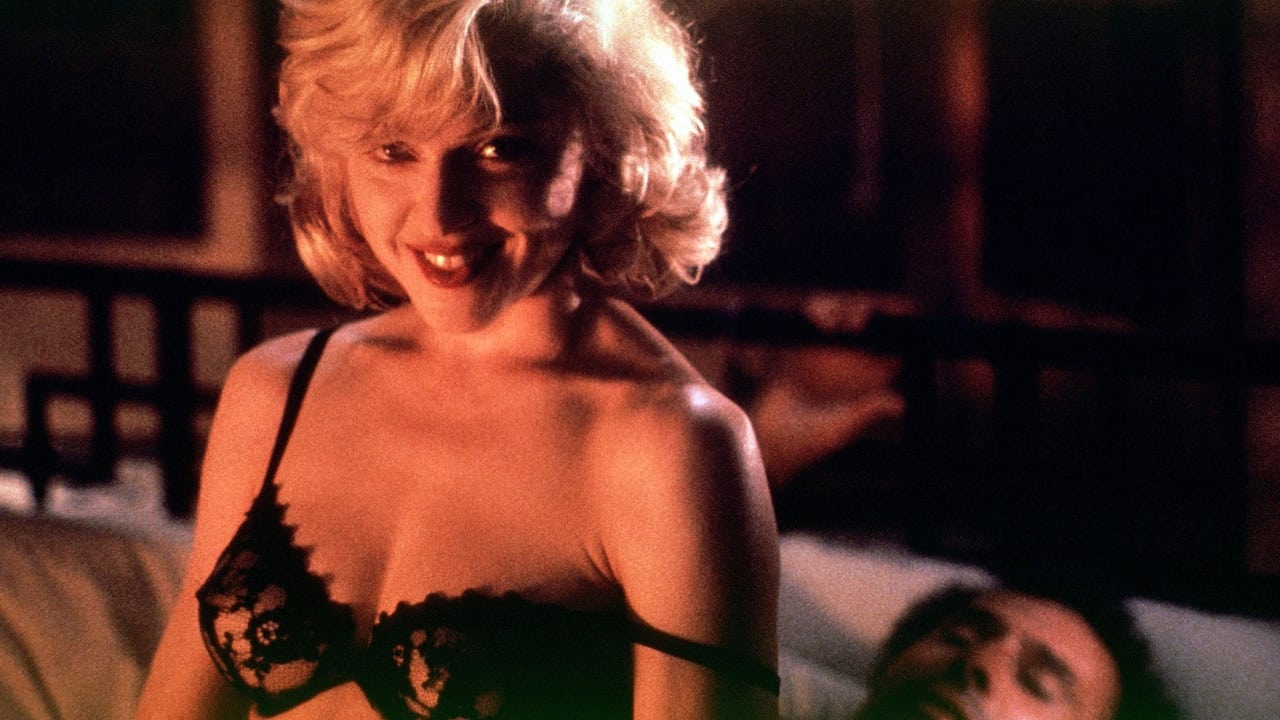
The Players in the Courtroom Drama
The performances are, inevitably, central to the Body of Evidence experience. Madonna certainly commits, deploying icy stares and calculated vulnerability. Yet, it often feels like watching "Madonna the Icon" play a femme fatale rather than inhabiting the character of Rebecca Carlson. There's a self-awareness, a mannered quality that keeps the audience at arm's length, preventing genuine immersion in her supposed mystery. Her undeniable star power is present, but it doesn't quite translate into the nuanced portrayal the role demands.
Conversely, Willem Dafoe throws himself into the role of Frank Dulaney with his characteristic intensity. You absolutely believe his character is spiraling, consumed by lust and poor judgment. Dafoe’s commitment is almost admirable, but paired with some of the script’s clunkier lines and Madonna’s cooler performance, his earnestness occasionally generates sparks of absurdity the filmmakers likely never intended. Watching him navigate the increasingly ludicrous situations is certainly... memorable.
Joe Mantegna, as always, provides a welcome dose of grounded professionalism, making prosecutor Garrett a believable counterweight to the central melodrama. Anne Archer, as the victim's devoted secretary with secrets of her own, and a young Julianne Moore, in an early role as Frank's understandably concerned wife, do capable work with less showy parts, mostly reacting to the high-stakes theatrics swirling around them.
Legacy on the Rental Shelf
Despite the hype, Body of Evidence was a critical and commercial disappointment. It grossed a mere $13 million domestically (around $27.5 million today) against its substantial budget and earned Madonna a Golden Raspberry Award for Worst Actress. Yet, its failure didn't stop it from becoming a ubiquitous presence on video store shelves. That controversial reputation, the star power, and the promise of something scandalous made it a must-rent for many, fueling countless discussions (and probably quite a few chuckles).
Looking back, Body of Evidence serves as a fascinating artifact of the early 90s erotic thriller boom. It's a film that desperately wants to be shocking and sophisticated, but trips over its own ambitions. It lacks the sly wit of Basic Instinct or the genuine heat of earlier noir classics. What remains is a glossy, often awkward, but undeniably memorable slice of VHS-era curiosity. There's a certain nostalgic affection one can have for films like this – not because they were great art, but because they were part of the conversation, part of the thrill of browsing those rental aisles for something that felt a little bit forbidden.
Rating: 3/10
The score reflects the film's significant shortcomings: clumsy dialogue, a lack of genuine suspense, and a central performance that feels more like brand management than acting. However, the points are earned for Dafoe's unwavering commitment, the sheer audacity of the attempt, and its undeniable status as a conversation-starting artifact of its time. It may not be "good," but it's certainly not boring.
Body of Evidence remains a curious case – less a smoldering noir classic, more a high-profile cinematic gamble that didn't quite pay off, leaving behind a trail of wax drippings and baffled amusement.