There's a certain kind of quiet that settles over snowbound landscapes, a muffled stillness that feels both peaceful and deeply isolating. It’s this very atmosphere that permeates Tom Tykwer's 1997 film Wintersleepers (Winterschläfer), a work that pulses with a tension far removed from the kinetic frenzy he’d unleash just a year later with Run Lola Run. Watching it again now, perhaps rescued from a dusty corner of the video store memory palace, feels like unearthing a complex, beautifully crafted puzzle box, intricate and demanding, yet profoundly rewarding.
A Collision Course in the Alps
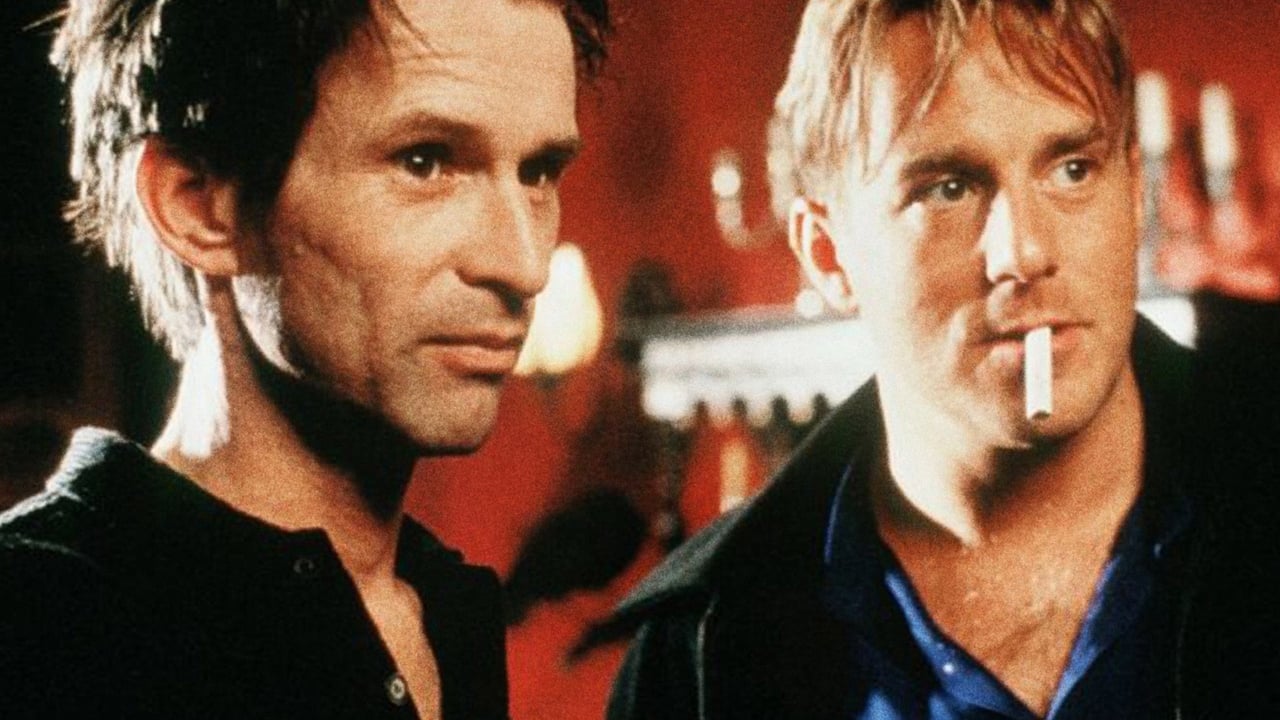
Set against the stunning, imposing backdrop of the Bavarian Alps (specifically shot around Berchtesgaden), Wintersleepers draws us into the intersecting lives of a small group of individuals. There's Rebecca (Floriane Daniel), a translator working in a remote mountain villa; her easygoing boyfriend Marco (Heino Ferch), a ski instructor grappling with significant short-term memory loss following an accident; Laura (Marie-Lou Sellem), a nurse at the local hospital harboring affections for Marco; and Theo (Josef Bierbichler), a stoic local farmer haunted by a past tragedy. Their lives, already loosely connected, are irrevocably bound together by a single, shocking event – a seemingly random car accident on a snowy road.
But randomness feels like a fragile concept in Tykwer's hands here. Co-writing with Anne-Françoise Pyszora (adapting her novel "Expense of Spirit"), Tykwer crafts a narrative web where chance encounters and fateful decisions ripple outwards with devastating consequences. The film doesn't just tell a story; it meticulously maps the emotional and psychological fallout of lives brushing against each other, sometimes gently, sometimes with catastrophic force. It asks us to consider: how much control do we truly have when seemingly small choices set unstoppable events in motion?
Before Lola Ran: Tykwer's Emerging Vision
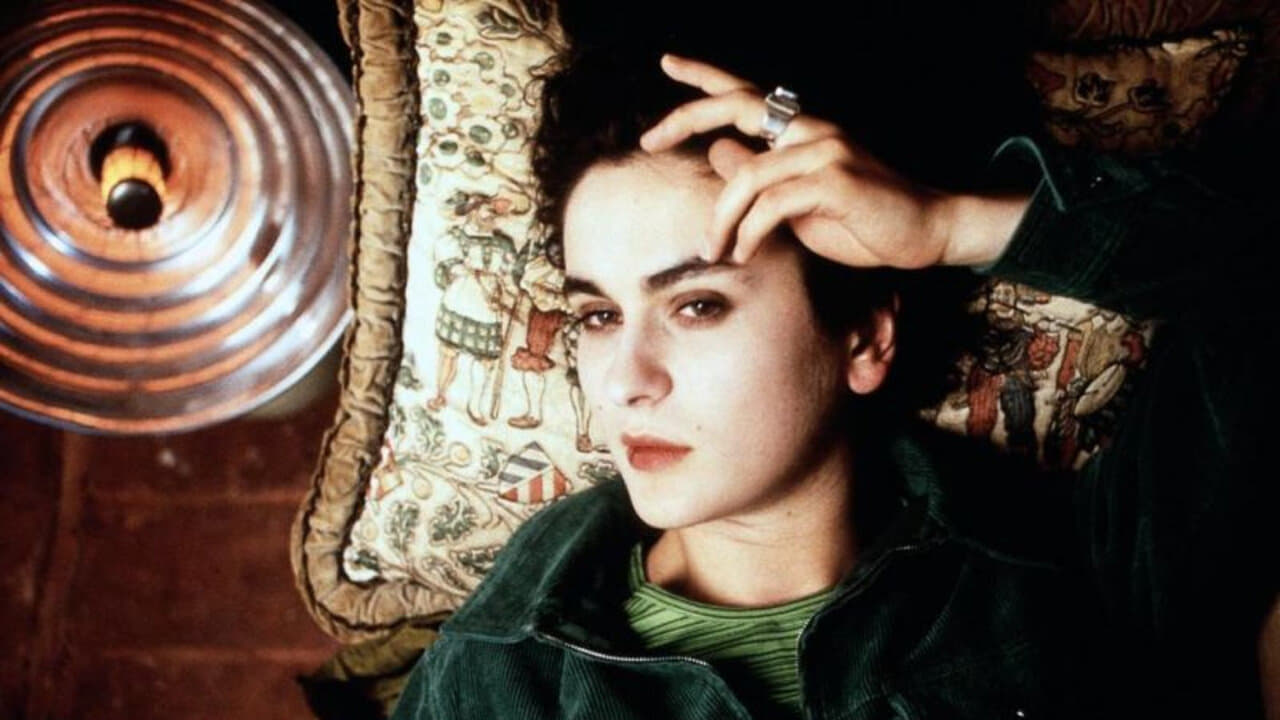
For many outside Germany, Tom Tykwer burst onto the scene with the adrenaline-fueled Run Lola Run in 1998. Yet, Wintersleepers serves as a fascinating, crucial stepping stone. It showcases the director already mastering many of his signature techniques: the non-linear storytelling elements, the use of flashbacks and subtle foreshadowing, the evocative cinematography (Frank Griebe, who would also shoot Lola), and a compelling score (co-composed by Tykwer, Johnny Klimek, and Reinhold Heil – yes, the Lola trio again) that underscores the mood without overwhelming it.
While lacking Lola's breakneck pace, Wintersleepers possesses a deliberate, almost hypnotic rhythm. Tykwer uses the camera not just to observe, but to explore the internal landscapes of his characters. Close-ups linger, capturing unspoken emotions flickering across faces. The editing often juxtaposes moments in ways that highlight the intricate connections between the characters, even when they are unaware of them. It’s a film that demands patience, rewarding viewers who allow themselves to sink into its chilly, contemplative atmosphere.
Portraits in Isolation and Guilt
The performances are uniformly strong, grounded in a realism that makes the extraordinary circumstances feel achingly human. Heino Ferch is particularly compelling as Marco, navigating the world through a fog of missing memories. His frustration, vulnerability, and flashes of unsettling behaviour create a complex portrait of a man untethered from his own past. Is his charm genuine, or a mask for something darker lurking beneath the amnesia? Floriane Daniel brings warmth and empathy to Rebecca, caught between her love for Marco and growing unease. Marie-Lou Sellem effectively conveys Laura's quiet longing and professional duty, while veteran actor Josef Bierbichler is utterly commanding as Theo, embodying the weight of grief and a simmering desire for answers, if not outright revenge. His silent, watchful presence adds layers of tension.
Unearthing a Gem
Wintersleepers wasn't a box office behemoth, certainly not on the scale of its successor, but it garnered significant critical praise in Germany and marked Tom Tykwer as a major talent to watch. It’s the kind of film that might have been easily overlooked on the rental shelf, perhaps nestled between more straightforward thrillers or dramas. Finding it felt like discovering a secret – a denser, darker, more introspective cousin to the film that would soon make Tykwer an international name. It wasn't just a precursor; it was a fully formed, sophisticated piece of filmmaking exploring themes of guilt, memory, fate, and the often-tragic consequences of human connection (or disconnection). The central accident sequence itself is staged with a chilling effectiveness, a sudden, brutal intrusion into the quiet landscape.
It’s fascinating to see Tykwer tackle similar ideas about chance and consequence here, but with such a different tempo and tone compared to Lola. Where Lola sprints, Wintersleepers glides, circles, and broods. It’s a reminder that a director’s style can be multifaceted, adapting to the specific demands of the story.
Rating: 8/10
This rating reflects the film's masterful control of atmosphere, its intricate and thought-provoking narrative structure, superb performances, and Tom Tykwer's confident, emerging directorial vision. It avoids a higher score only because its deliberate pacing and complex, sometimes ambiguous nature might test the patience of viewers seeking more immediate thrills – it demands engagement. However, for those willing to invest, it offers a rich, haunting experience that lingers long after the snow settles.
Wintersleepers remains a potent reminder that sometimes the quietest collisions leave the deepest scars, asking us what fragments of memory truly define who we are.