Is it merely a thriller, this sun-drenched puzzle box from 1985? Or perhaps a psychodrama simmering beneath a polished surface? Michel Deville's Death in a French Garden (Péril en la demeure was its evocative French title, hinting at peril much closer to home) arrived on VHS shelves often nestled amongst more straightforward genre fare, yet it offered something distinctly European, cooler, and more unsettling. It’s a film that doesn’t grab you by the collar but rather invites you into its languid, voyeuristic gaze, slowly tightening its grip. Discovering films like this back in the day, often based on intriguing cover art or a cryptic synopsis on the back of the box, felt like uncovering a secret – a different flavor of suspense than the usual Hollywood output.
### A Gilded Cage, Watched from Afar
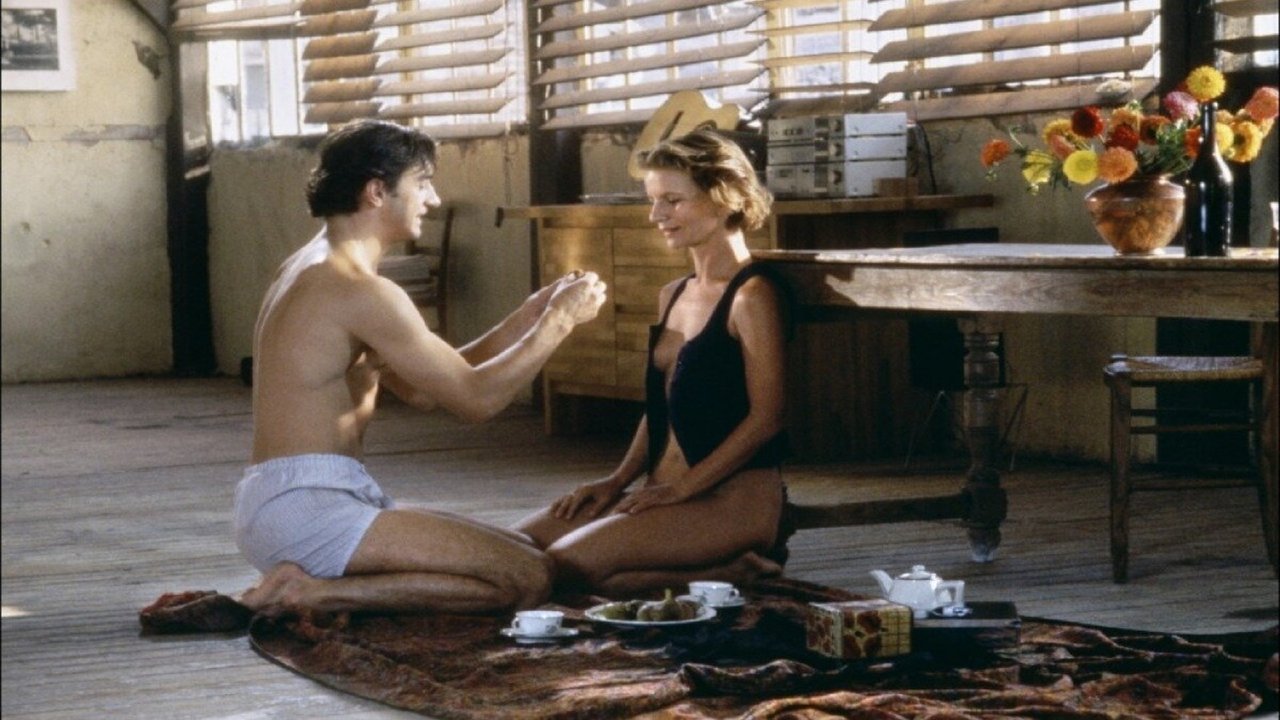
The setup feels almost classic noir, transplanted to the moneyed ennui of the French suburbs. David Aurphet (Christophe Malavoy), a handsome but financially strained music teacher, lands a gig teaching guitar to the teenage daughter of the wealthy Tombsthay family. Julia (Nicole Garcia) is elegant, alluring, and clearly bored; her husband Graham (Michel Piccoli) is older, watchful, and wields a quiet power. Almost immediately, David is drawn into an affair with Julia, a dangerous game played out in sunlit rooms and whispered conversations. But there's another layer of unease: someone is watching. Recording. Documenting David's descent into this privileged, perilous world. This voyeuristic element, handled masterfully by Deville, becomes the film's central tension. We often see events through the cold, electronic eye of a hidden camera, turning us, the audience, into uncomfortable accomplices. It’s a clever inversion – we’re watching a film about being watched.
### Performances Steeped in Ambiguity
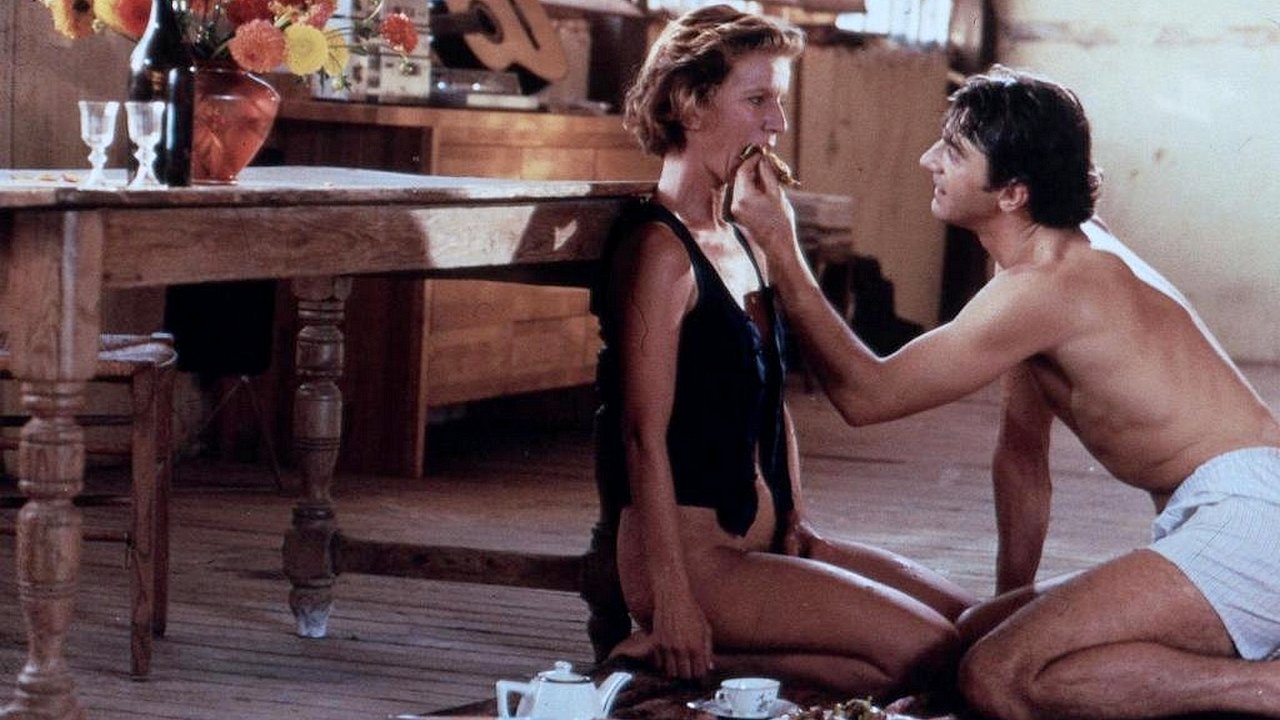
The casting here is key to the film’s hypnotic quality. Christophe Malavoy, perhaps less known internationally than his co-stars, perfectly embodies David's blend of naivete, opportunism, and eventual fear. He’s the outsider caught in the gears of a machine he doesn’t understand. But it’s the veteran actors who truly mesmerize. Nicole Garcia, a powerhouse of French cinema, portrays Julia not as a simple femme fatale, but as a complex woman trapped by circumstance and perhaps her own desires. Her performance is a study in subtle glances and unspoken tensions. Is she manipulating David, or is she as much a victim as he is? The film deliberately keeps us guessing.
And then there's Michel Piccoli. An absolute titan (Jean-Luc Godard's Contempt (1963), Luis Buñuel's Belle de Jour (1967)), Piccoli brings an unnerving stillness to Graham. His politeness feels like a threat, his smiles carry the weight of secrets. He commands scenes with minimal effort, radiating an ambiguous menace that’s far more chilling than any overt villainy. His performance earned him a César nomination for Best Supporting Actor, and it’s easy to see why. Adding another layer of intrigue is Anémone as Edwige, the strangely helpful neighbor who seems to know more than she lets on. Known more for comedic roles in France, her casting here adds to the off-kilter atmosphere; her character is both alluring and slightly unnerving.
### Deville's Cool, Controlled Hand
Michel Deville, who deservedly won the César for Best Director for this film, approaches the material with a cool detachment that mirrors the voyeur's lens. Working with his wife Rosalinde Deville, he adapted René Belletto's novel Sur la terre comme au ciel, amplifying its visual potential. The direction is precise, the compositions often framing characters through windows or reflected in mirrors, emphasizing the theme of observation. There's little wasted motion; every shot feels considered. The pacing is deliberate, allowing the suspense to build through atmosphere and psychological tension rather than overt action. It’s a style that rewards patience, drawing you into its specific rhythm.
One fascinating choice was the score. Instead of a conventional thriller score, Deville juxtaposes classical pieces by Brahms and Schubert with unsettling electronic textures credited to Granelli (Federico Komin). This sonic contrast enhances the film’s disquieting mood – the elegance of the classical music clashing with the cold, modern intrusion of the surveillance and the underlying darkness. It’s a technique that really heightens the sense of bourgeois facade cracking under pressure.
### The Lingering Chill
Death in a French Garden isn't a film that provides easy answers. It leaves questions lingering long after the credits roll. What truly motivates these characters? Who holds the real power? The ambiguity is part of its lasting impact. It explores themes of class, desire, the corrosive nature of secrets, and the unnerving modern potential for surveillance with a sophistication that feels remarkably prescient. For those renting it expecting a straightforward erotic thriller, it might have felt slow or oblique. But for viewers attuned to its chilly atmosphere and psychological depth, it was a standout discovery on the VHS racks – a reminder that suspense could be subtle, stylish, and deeply unsettling. It didn't spawn sequels or become a huge blockbuster, but its influence can be felt in later French thrillers that favored mood and psychological complexity.
This film felt like a distinctly adult thriller back then, less about jump scares and more about the slow creep of dread in seemingly idyllic settings. It's the kind of movie that might have puzzled you slightly as a teenager browsing the rental store, but watching it now reveals layers of craft and thematic richness.
Rating: 8/10
This score reflects the film's masterful direction, superb performances (especially from Piccoli and Garcia), and its chillingly effective atmosphere of voyeuristic suspense. It might be too deliberately paced or ambiguous for some tastes, preventing a higher score, but its psychological depth and stylistic control make it a standout French thriller of the era. It earns its place as a sophisticated, unsettling gem from the VHS days.
What stays with you most is that feeling of being watched, the cool, almost clinical dissection of dangerous desires playing out behind manicured hedges. It's a film that trusts its audience to piece together the clues, leaving a residue of elegant unease.